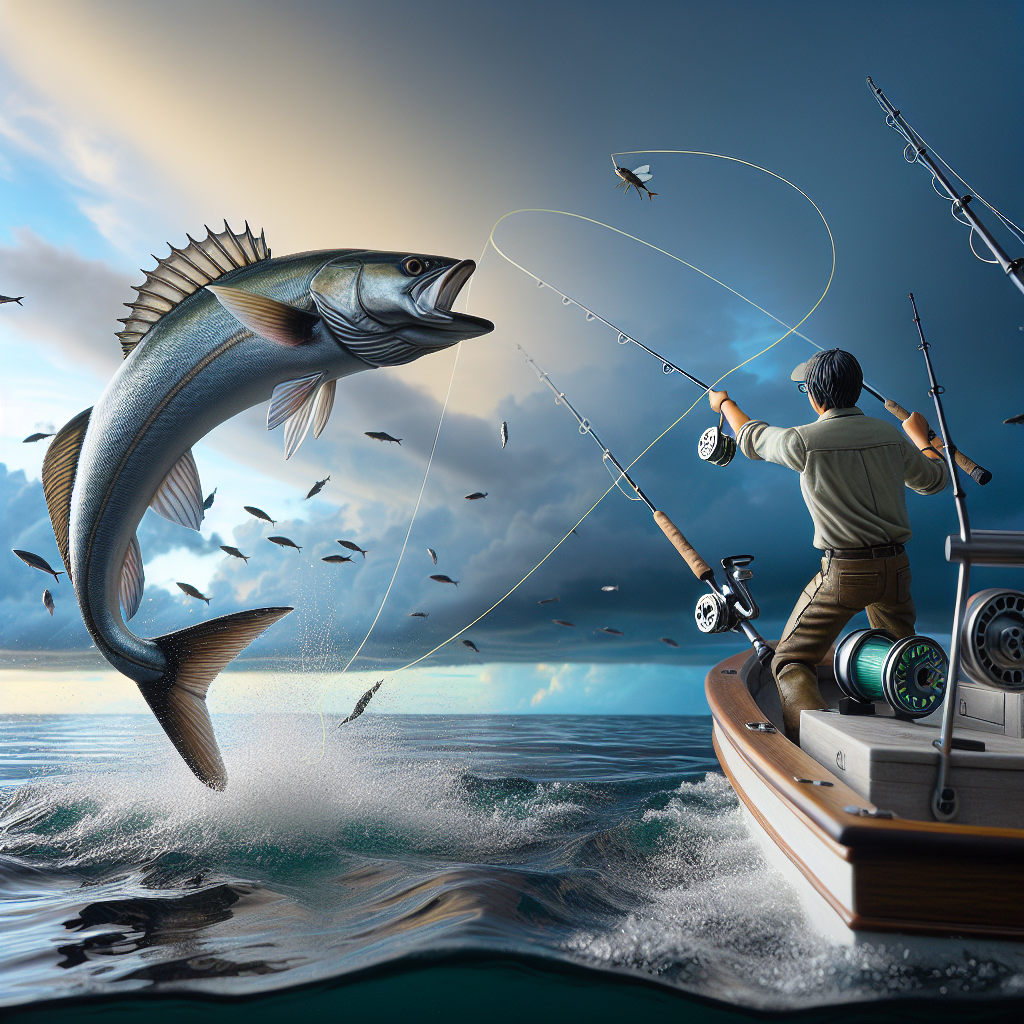
Welcome to the world of fly fishing for cobia, one of the most thrilling saltwater fishing experiences you can have. If you love the challenge of hunting large, powerful fish with a fly rod, targeting cobia should definitely be on your radar. Known for their strength and stamina, cobia are a prized catch among saltwater fly anglers.
In this comprehensive guide, we’ll cover everything you need to know about fly fishing for cobia. From the basics of understanding their behavior and habitat to the essential gear you’ll need and the techniques that work best, we’ve got you covered. Whether you’re new to saltwater fly fishing or looking to add cobia to your list of species, this article will help you get started with confidence.
Cobia, also known as “black kingfish” or “sergeant fish,” are found in warm waters around the globe, including the Gulf of Mexico, the Caribbean, and the warm waters of the Atlantic Ocean. They can reach up to six feet in length and weigh over 100 pounds, making them an exciting target for anglers. With their sleek bodies and formidable fighting ability, they offer a unique challenge that combines the thrill of a chase with the satisfaction of a hard-earned catch.
So, grab your gear and get ready to dive into the essentials of fly fishing for cobia. We’ll explore their behavior, the best times and places to find them, the gear you’ll need, and the techniques that will help you land a trophy fish. Let’s embark on this exciting adventure together!
Understanding Cobia Behavior and Habitat
To successfully target cobia, it’s crucial to understand their behavior and preferred habitats. Unlike many other saltwater species, cobia are known for their migratory nature, often traveling great distances in search of food. They are typically found in warm, tropical, and subtropical waters, often near structures such as reefs, wrecks, buoys, and even larger marine animals like sharks and rays.
Cobia are opportunistic feeders, preying on a variety of marine life including crabs, shrimp, squid, and smaller fish. They are particularly attracted to areas with abundant food sources and are often seen cruising just below the surface or near the bottom. Look for these key habitats:
- Nearshore waters: During their migratory period, cobia often move along the coastlines, making them accessible to anglers fishing from boats or even from shore.
- Reefs and wrecks: These structures provide shelter and attract prey, making them prime spots for cobia hunting.
- Bait schools: Cobia often trail behind schools of baitfish, taking advantage of the abundant food source.
- Floating debris: Objects floating on the surface, such as buoys and seaweed patches, can attract cobia seeking shade and prey.
Temperature plays a significant role in cobia behavior. They prefer water temperatures between 68-77°F (20-25°C) and will migrate to areas where these conditions prevail. Understanding these patterns will help you predict where and when you’re likely to find cobia, increasing your chances of a successful trip.
Essential Gear for Fly Fishing for Cobia
When it comes to fly fishing for cobia, having the right gear is crucial. These powerful fish require robust equipment that can withstand their strength and provide a thrilling angling experience. Here are the essentials you’ll need:
Fly Rod: A heavy-duty rod in the 10-12 weight range is ideal for cobia. This allows you to cast large flies and handle the intense fight cobia are known for.
Fly Reel: Choose a high-quality, large arbor reel with a strong drag system. Cobia can make long, powerful runs, so a smooth, reliable drag is essential.
Fly Line: A floating or intermediate fly line works well for targeting cobia. Ensure your line has a strong core to handle the strain of the fight. A weight-forward, saltwater-specific line will aid in casting larger flies.
Leader and Tippet: Use a sturdy leader in the 30-50 pound test range. Fluorocarbon is a good choice due to its abrasion resistance and low visibility. A shorter leader (6-9 feet) can help with casting and control.
Flies: Cobia are attracted to a variety of patterns, including large streamer flies that mimic their natural prey. Choose flies in colors like chartreuse, white, pink, and blue. Patterns such as Deceivers, Clouser Minnows, and large Poppers can be effective.
Accessories: Don’t forget essential accessories like pliers for hook removal, a fly box for organizing your flies, and polarized sunglasses to reduce glare and spot cobia more easily.
Investing in quality gear will enhance your fly fishing experience and improve your chances of landing a trophy cobia. Prepare thoroughly, and you’ll be ready to face the thrilling challenge of cobia fishing.
Techniques for Fly Fishing for Cobia
Now that you’re equipped with the right gear and an understanding of cobia behavior, it’s time to focus on the techniques that will help you succeed. Fly fishing for cobia requires a combination of strategic casting, effective retrieval, and keen observation. Here are some tried-and-true techniques:
Sight Fishing: Cobia are often visible near the surface or around structures. Look for their distinctive dark shapes or the flash of their silvery sides. Sight fishing allows you to target specific fish and accurately present your fly.
Chumming: Creating a slick by chumming the water with bait can attract cobia to your location. Once you have cobia in the area, cast your fly into the slick and retrieve it with an enticing action to trigger a strike.
Topwater Action: Cobia will often strike surface flies with explosive force. Use large poppers or gurglers to create commotion on the water’s surface, drawing cobia’s attention and provoking aggressive strikes.
Strip Set: When a cobia takes your fly, resist the temptation to lift your rod tip to set the hook like in freshwater fishing. Instead, use a strip set by pulling the fly line tight and driving the hook into the fish’s mouth. This method is more effective for ensuring a solid hookset.
Keep Your Cool: Once hooked, cobia are known for their powerful runs and acrobatic leaps. Stay calm, maintain solid pressure, and let your reel’s drag do its job. Avoid jerky movements that could lead to a break-off.
Practicing these techniques will refine your fly fishing skills and increase your success rate when targeting cobia. Remember, patience and observation are key. Pay attention to the fish’s behavior and adapt your strategy accordingly for the best results.
Finding the Best Locations for Cobia
Cobia can be found in various locations, especially those with abundant food and favorable conditions. Knowing where to look will significantly enhance your chances of success. Here are some top spots for cobia fishing:
Along the Gulf Coast: The Gulf of Mexico is renowned for its cobia fishing opportunities. States like Florida, Alabama, and Louisiana offer prime cobia habitats, particularly during their migratory periods in spring and fall.
Atlantic Coast Hotspots: The Atlantic Coast, especially regions like the Carolinas and Virginia, sees annual cobia migrations. Look for cobia around inshore wrecks, reefs, and navigational markers.
Nearshore Waters and Estuaries: During certain times of the year, cobia move into nearshore waters and estuaries. Areas like inlets, bays, and coastal flats can provide excellent fishing opportunities.
Deep Sea Fishing: For adventurous anglers, heading offshore to deep wrecks and reefs can yield trophy-sized cobia. These areas often harbor large populations of baitfish, attracting cobia in search of a meal.
Local knowledge and seasonal patterns play a crucial role in locating cobia. It’s a good idea to consult with local guides and fishing reports to stay informed about the best times and places for cobia fishing in your area.
Whether you’re fishing the Gulf, the Atlantic, or other prime locations, understanding cobia’s migratory habits and preferred habitats will significantly improve your chances of a successful catch.
Conclusion
Fly fishing for cobia is an exhilarating and rewarding pursuit that combines skill, strategy, and a deep appreciation for the ocean’s wonders. From understanding cobia behavior to mastering the right techniques and using the proper gear, this adventure offers countless opportunities for learning and growth as an angler.
Whether you’re casting in the warm Gulf waters or exploring the Atlantic Coast, each trip presents a new challenge and the potential for unforgettable memories. The thrill of spotting a cobia, the anticipation of a strike, and the excitement of the fight are all part of what makes cobia fishing truly special.
As you embark on your fly fishing journey for cobia, remember to respect the environment and practice ethical angling. Conserving these magnificent fish and their habitats ensures that future generations can enjoy the same thrill of cobia fishing.
So, gather your gear, hone your skills, and set out on a quest for one of the ocean’s most formidable game fish. Fly fishing for cobia is not just about the catch; it’s about the adventure, the connection with nature, and the joy of the sport itself. Tight lines and happy fishing!