Sustainable fly fishing practices for guides shape the long-term health of rivers, fish populations, and guide businesses. In practical terms, sustainable practices are the repeatable decisions that reduce harm to fish, habitat, wildlife, and access relationships while still delivering a high-quality day on the water. For guides, that includes everything from fish handling and gear selection to shuttle logistics, client education, seasonal restraint, and cooperation with landowners, outfitters, and local agencies. I have seen firsthand that the guides who last the longest are rarely the ones who chase the most aggressive short-term catch rates. They are the ones who treat every trip as part of a larger stewardship cycle.
The topic matters because guides influence more than their own footprint. A single guide may fish hundreds of days each year, touch multiple river reaches in a week, and introduce dozens of new anglers to local norms. That makes guiding one of the strongest force multipliers in freshwater conservation and ethics. If a guide teaches proper fish handling, clients repeat it. If a guide normalizes crowding redds, burning through spawning closures, or dragging boats over fragile banks, clients repeat that too. Sustainable fly fishing practices for guides therefore sit at the center of resource protection, business resilience, and community trust.
In this hub article, sustainable practices means operating in ways that maintain ecological function, respect regulations and social carrying capacity, and support future angling opportunity. Key terms are worth defining clearly. Catch-and-release is not automatically low impact; survival depends on water temperature, fight time, handling time, and hook placement. Habitat protection means more than avoiding litter; it includes preventing bank erosion, reducing anchor damage, cleaning gear to stop invasive species, and avoiding sensitive spawning and nursery areas. Ethical access includes legal trespass boundaries, boat ramp etiquette, and fair use of shared water during crowded conditions. These are the daily choices that separate conservation-minded guiding from extractive use.
This page serves as a hub for the broader sustainable practices subtopic within conservation and ethics. It covers the core principles guides need on every trip and points naturally to deeper discussions on fish handling, aquatic invasive species prevention, low-impact boating, client education, river etiquette, seasonal closures, and guide business operations. A guide who understands these connected pieces can protect the resource without delivering a lecture or diminishing the trip. In my experience, clients respond well when sustainability is presented as part of professional watercraft: efficient, thoughtful, and grounded in respect for the fishery.
Protecting Fish Through Handling, Gear, and Temperature Awareness
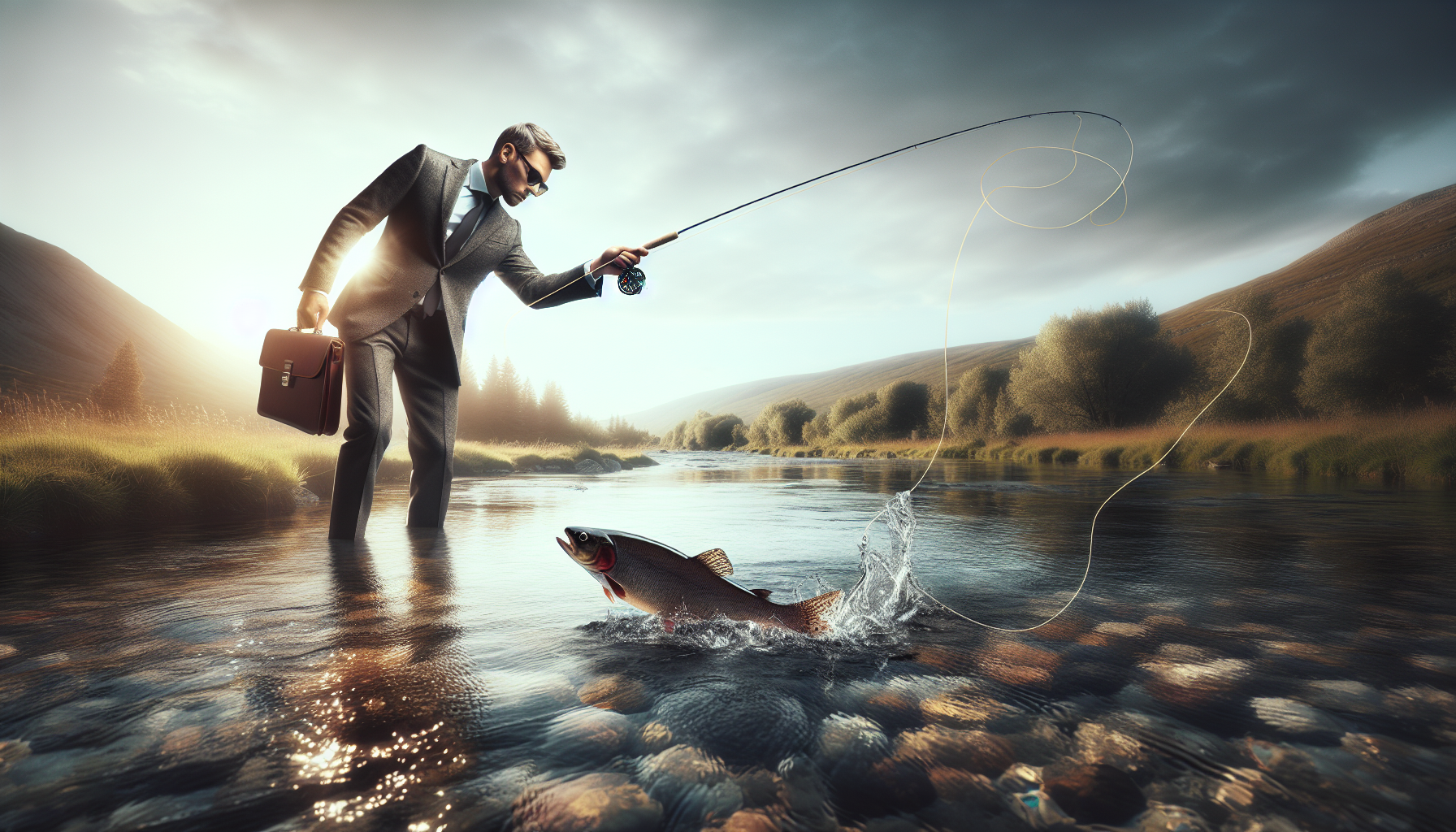
The most immediate sustainability decisions happen at the moment of the eat. Guides control gear recommendations, landing pace, net choice, and whether a fish should be fought at all under given conditions. The baseline standard is simple: land fish quickly, keep them wet, minimize air exposure, and release them only when they can swim away with strength. Rubberized landing nets reduce scale loss and fin damage compared with abrasive mesh. Barbless hooks shorten unhooking time and reduce tissue trauma. Heavier tippet, within the demands of presentation, often improves release outcomes because it shortens fight duration and lowers exhaustion.
Water temperature is one of the most important variables, and many guides still underestimate it. As water warms, dissolved oxygen falls and post-release stress rises. On many trout rivers, sustained temperatures above 68 degrees Fahrenheit require caution, and 70 degrees or higher often justifies ending the day, switching species, or moving to colder water. Those thresholds vary by species, elevation, and local conditions, but the principle does not. A guide who carries a reliable stream thermometer and checks temperatures throughout the day makes better decisions than one relying on habit. Afternoon shutdowns during summer are not lost business; they are a visible investment in the fishery.
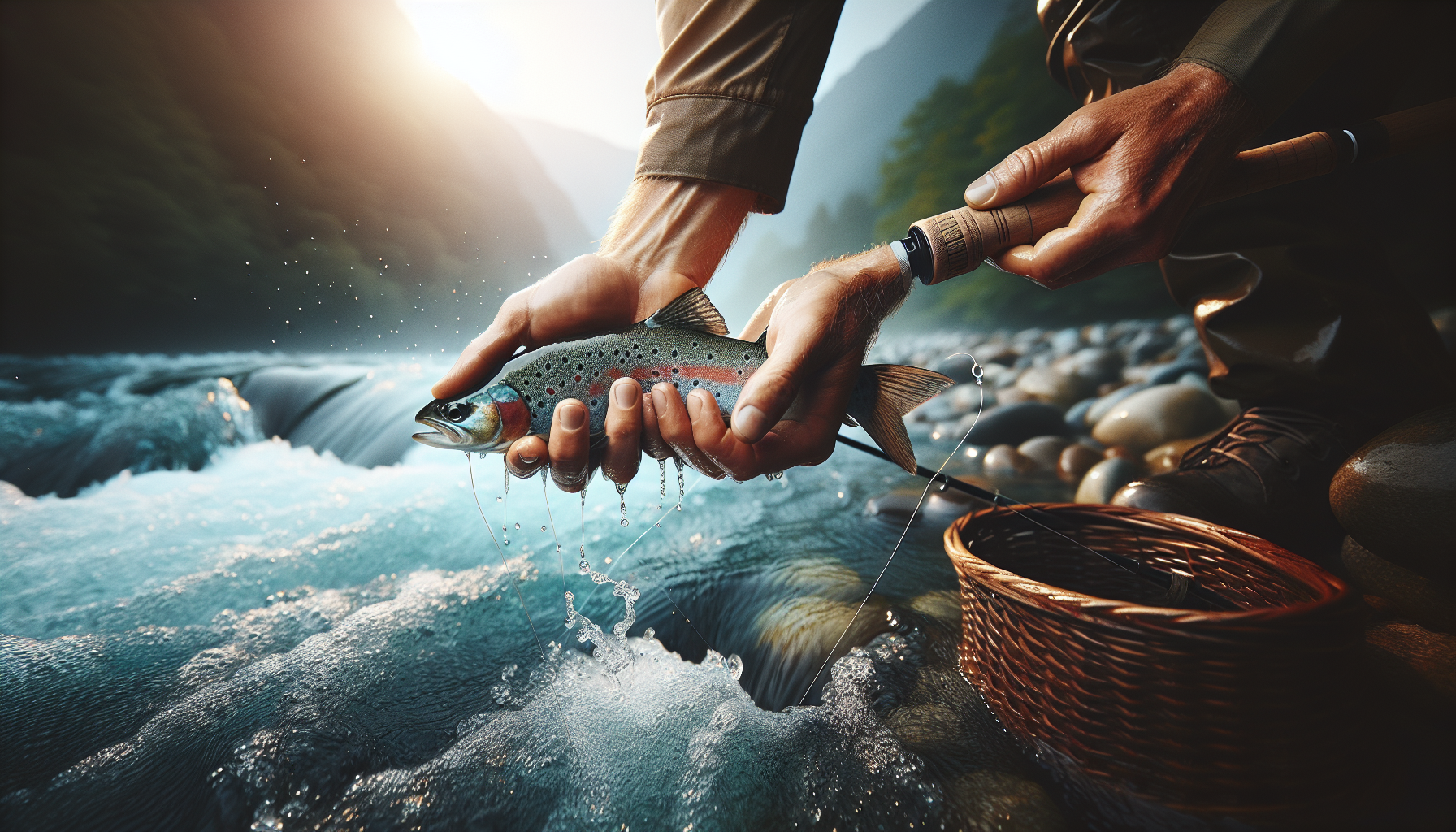
Guides should also teach clients how to handle the fish before the first cast. That briefing can be short and effective: fight hard, lead the fish to the net, leave it in the water, wet hands before contact, no fingers in the gills, and no extended photo sessions. I have found that a ten-second explanation at the boat ramp prevents repeated corrections later. It also sets the expectation that quality guiding includes fish welfare, not just numbers. When clients understand why fish are handled a certain way, they usually cooperate, and many become more careful anglers afterward.
Reducing Habitat Damage on Foot and From the Boat
Healthy fisheries depend on intact habitat, and guides interact with habitat constantly. Repeated foot traffic can widen informal trails, crush streamside vegetation, destabilize banks, and increase sediment input. Boat use can scrape spawning gravel, damage riparian edges during launches, and disturb side channels used by juvenile fish. Sustainable fly fishing practices for guides therefore include route planning and disciplined movement. Use established access points, avoid trampling soft banks, spread pressure across durable surfaces, and resist the temptation to create shortcut trails that save minutes but leave season-long scars.
Anchoring deserves special attention. Improper anchoring can scar gravel beds, disturb aquatic plants, and place clients in dangerous current positions. In drift boats and rafts, anchor only where legal, safe, and unlikely to affect sensitive habitat. Never anchor in fast current to work over spawning areas, and avoid dragging anchors through shallow riffles where eggs or fry may be present. Oars are usually the lower-impact positioning tool. On technical tailwaters and spring creeks, I often prefer to row through a run and re-approach rather than drop anchor repeatedly on the same structure. That reduces bottom disturbance and keeps the boat moving predictably around wading anglers.
Wading pressure matters too. Guides should learn to identify redds, usually as clean, bright patches of gravel where fish have fanned away fine sediment. Walking through them can crush eggs and undo an entire spawn. Clients often cannot recognize redds, especially under glare or in mixed substrate, so the guide must direct every step. The rule is direct: do not target actively spawning fish, do not stand on redds, and avoid trailing immediately below spawning areas where stressed fish and dislodged eggs are vulnerable. Protecting reproduction is one of the clearest tests of ethical restraint on a crowded river.
| Guide decision | Low-impact practice | Why it matters |
|---|---|---|
| Launching and take-out | Use established ramps and durable banks | Prevents erosion and vegetation loss |
| Boat positioning | Row instead of repeated anchoring on gravel | Reduces disturbance to spawning habitat |
| Wading routes | Avoid redds, soft banks, and side channels | Protects eggs, fry, and riparian stability |
| Breaks and lunches | Stop on durable surfaces and pack out all waste | Limits litter, trampling, and wildlife attraction |
| Client movement | Brief approach paths before entering a run | Prevents avoidable habitat damage and crowding |
Preventing Invasive Species and Managing Gear Responsibly
Aquatic invasive species are one of the most serious long-term threats to fisheries, and guides are uniquely positioned to stop their spread. Because guides move between waters frequently, they also carry higher risk than occasional anglers. New Zealand mudsnails, didymo, whirling disease pathogens, and invasive plants can move on boots, nets, boats, trailers, anchor ropes, and bilge areas. A sustainable guide operation follows a strict clean, drain, and dry routine after every trip, not just when inspectors are present. In states with mandatory inspection programs, compliance is the floor, not the ceiling.
Felt-soled waders have been restricted or banned in some places because they retain moisture and biological material so effectively. Whether or not they are legal in a given fishery, many guides now favor modern rubber soles with studs where appropriate. The point is not chasing trends; it is reducing transfer risk while maintaining footing. Nets, wading staffs, boots, and boats should be disinfected or dried thoroughly according to agency guidance, especially when moving between watersheds. Drying times alone may be insufficient for some organisms, which is why chemical disinfection protocols published by state wildlife agencies and the U.S. Fish and Wildlife Service matter.
Responsible gear management also includes lead reduction, line disposal, and maintenance. Lost monofilament and tippet can entangle birds and mammals. Every guide boat should carry a dedicated trash container and a small line canister for clipped leader material. Split shot should be used carefully and collected when changed out. Boats and trailers should be inspected for loose straps, degraded bunks, fuel leaks, and sharp hardware that can damage ramps or habitat. Sustainability is often operational, not symbolic: the better maintained the gear, the lower the accidental impact.
Managing Pressure, Access, and Client Expectations
Fishing pressure is both an ecological and social issue. Even where fish populations remain healthy, overcrowding can degrade the experience, intensify conflict, and push guides toward questionable choices such as leapfrogging, running low flows aggressively, or sitting on community holes all day. Sustainable fly fishing practices for guides include pressure management as a formal planning task. That means varying launch times, rotating beats, using secondary water when prime stretches are saturated, and being willing to leave fish to find solitude. A guide who always chooses the busiest famous run may still put clients over fish, but at the cost of local goodwill and long-term access relationships.
Client expectation setting is one of the strongest conservation tools available. Before the trip, explain realistic goals, water conditions, likely tactics, and any ethical limits you follow. For example, say clearly that you do not fish to visibly spawning trout, that high afternoon temperatures may shorten the day, or that certain reaches will be avoided because of low flows or heavy crowding. Most conflict begins when clients believe they purchased a numbers guarantee. I have had better trips, and better reviews, when I framed the day around quality decisions and learning rather than a fixed catch count. Skilled clients appreciate honesty, and new anglers often find the conservation rationale compelling.
Access management is part of the same discipline. Respect private property boundaries precisely, honor walk-in and boat passage rules, and know the local distinctions between navigable water rights and streambed ownership. These rules vary widely by state and country, and guides are expected to know them in detail. When in doubt, obtain written permission or avoid the area. One trespass complaint can damage a guide service, strain landowner-angling relations, and contribute to future closures. Sustainable access is maintained by consistency: close gates, avoid blocking roads, keep client groups compact, and leave every access point cleaner than you found it.
Building Sustainability Into Guide Business Operations
True sustainability extends beyond what happens during a drift or walk-and-wade trip. It lives in scheduling, transportation, purchasing, staff training, and communication. Guides who cluster trips by watershed reduce trailering miles and invasive-species risk. Shops and outfitters that maintain written fish-handling standards create more consistent client experiences than those relying on informal habits. New guides should be trained to read water temperatures, identify redds, manage photography, and de-escalate crowding conflicts. These are professional competencies, not optional extras.
Purchasing choices matter as well. Durable boats, repairable waders, and high-quality nets usually have a lower lifetime footprint than cheap gear replaced every season. Choosing local shuttle services, local fly tiers, and regionally owned lodging can also support conservation-minded communities economically. Many strong guide businesses donate to watershed groups, participate in river cleanups, or volunteer for habitat projects and creel surveys. Those actions should not be treated as marketing decoration. They improve fisheries data, restore trust, and keep guides connected to the practical consequences of river management decisions.
Good operations also track outcomes. Record water temperatures, notable fish stress events, invasive-species cleaning logs, and repeated pressure points on specific reaches. Over time, those notes improve judgment and make difficult decisions easier to explain to clients and staff. They also help when coordinating with biologists, land managers, and fellow guides. Sustainable fly fishing practices for guides are strongest when they are documented, taught, and reviewed just like safety procedures. That is how stewardship becomes part of the business model rather than a slogan used only when convenient.
Sustainable fly fishing practices for guides protect fish, habitat, access, and the long-term viability of guide work itself. The central lesson is straightforward: every trip leaves a trace, so the guide’s job is to make that trace as light as possible while still delivering a memorable day. That means handling fish for survival rather than photos alone, watching water temperature closely, avoiding redds and fragile banks, cleaning gear to prevent invasive species spread, and managing pressure with honesty and professionalism. None of these decisions are abstract. They shape whether a river fishes well next month, next season, and ten years from now.
As a hub within conservation and ethics, this page should anchor deeper exploration of fish handling, invasive species prevention, low-impact boating, access etiquette, and guide business standards. The subtopics are connected because river impact is cumulative. A careful release does not offset trampling spawning habitat. Clean gear does not excuse trespass. Strong sustainability comes from systems thinking: aligning on-water decisions, client education, and business operations around resource protection. Guides who adopt that mindset usually find that it improves trip quality too. Clients learn faster, conflict drops, and reputation grows on the strength of judgment, not hype.
The practical next step is simple. Review your current guide process from booking call to boat wash and identify the three highest-impact changes you can make this season. Start with a thermometer, a written fish-handling briefing, and a strict clean-drain-dry routine if you do not already use them. Then build outward into access planning, pressure rotation, and staff standards. Sustainable fly fishing practices for guides are not a separate part of the job. They are the professional standard that keeps fisheries, communities, and guiding opportunities alive.
Frequently Asked Questions
What does sustainable fly fishing actually mean for professional guides?
Sustainable fly fishing for guides means making consistent, practical choices that protect the resource while still providing clients with a rewarding and professional experience. It goes beyond simply releasing fish. A sustainable guide thinks about the full chain of impact created during a trip, including how fish are hooked and handled, how often certain runs are pressured, what kind of gear is used, how boats are launched and shuttled, how clients move through riparian areas, and how relationships with landowners and local communities are maintained over time. In other words, sustainability is not a single tactic. It is an operating standard.
For guides, that standard starts with understanding that healthy fisheries are the foundation of long-term business stability. If fish populations are stressed, spawning habitat is damaged, access is lost, or clients learn poor habits, the quality of the fishery declines and the guide’s reputation and earning potential eventually decline with it. Sustainable guiding therefore requires balancing daily success with long-term stewardship. That often means making decisions that are less aggressive in the short term, such as resting a productive stretch, ending a trip early during extreme heat, avoiding spawning fish, rotating beats, or shifting effort to more resilient waters.
It also includes educating clients in a calm, confident way. Many anglers will follow the guide’s lead on fish handling, wading discipline, knot choices, fly selection, and ethical boundaries. A sustainable guide builds conservation into the day naturally by explaining why barbless hooks matter, why a fish should stay wet, why a side channel should be avoided during spawning season, or why a certain bank is off limits due to landowner concerns. The most effective guides make those choices feel like part of excellent service, not restrictions. That is what sustainable fly fishing looks like in practice: repeatable decisions that reduce harm to fish, habitat, wildlife, and access relationships while preserving the quality of the client experience and the future of the fishery.
How can guides reduce stress and mortality in catch-and-release fishing?
Reducing fish stress and post-release mortality is one of the most important parts of sustainable guiding, because even when fish swim away, poor handling can still lead to delayed mortality. Guides have significant control over this outcome. It begins with gear selection. Using tackle strong enough to land fish quickly is critical, especially in warm water or fast current where long fights can severely exhaust fish. Barbless hooks or hooks with pinched barbs are another major advantage because they speed up hook removal, reduce tissue damage, and shorten handling time for both guide and client.
Fight management matters just as much. Guides should coach clients to apply steady pressure, use the rod correctly, and avoid unnecessarily prolonging the fight for sport or photography. Once the fish is close, it should be landed efficiently with a rubberized net that protects slime and reduces fin damage. Fish should remain in the water as much as possible, and the guide should prepare the client before the fish is landed so there is no confusion during the most sensitive part of the release. That means discussing where to stand, how to support the fish, whether a photo will be attempted, and when to keep hands wet.
Handling technique is where sustainable practices become very visible. Fish should never be squeezed, dragged onto rocks, held by the jaw in species that are not suited to that method, or exposed to air for extended periods. Wet hands, minimal contact, quick hook removal, and body support under the belly are standard best practices. If a fish is deeply hooked, the most sustainable option may be to cut the tippet rather than cause additional trauma trying to remove the fly. If a fish appears exhausted, guides should hold it upright in gentle current and allow it to recover on its own terms rather than pushing it back and forth aggressively. Revival is about stability and oxygen flow, not force.
Environmental conditions also change what responsible catch-and-release looks like. During high water temperatures, low flows, or periods of exceptional angling pressure, guides should be willing to adjust locations, shorten sessions, fish early, target hardier species, or cancel entirely. That kind of restraint is often what separates a conservation-minded operation from one that only talks about stewardship. Clients usually respect the decision when it is explained clearly. In fact, guides who communicate these standards well often build stronger trust because they demonstrate expertise, professionalism, and a genuine commitment to the fishery.
What gear and trip-planning choices make a fly fishing guide operation more sustainable?
Sustainability starts before the first cast. Many of the most effective decisions happen during trip planning, equipment setup, transportation, and daily logistics. Guides can reduce impact by selecting durable gear that performs well without encouraging excessive fish stress or habitat damage. For example, stronger tippet appropriate to conditions helps shorten fight times, rubber mesh nets reduce fish injury, and barbless hook policies make handling safer and faster. Wading soles and traction systems should also be chosen with invasive species prevention and river safety in mind. In some waters, avoiding felt or following strict decontamination protocols helps prevent the spread of harmful organisms between drainages.
Boat and shuttle planning can also have a meaningful environmental footprint. Consolidating shuttle trips, coordinating vehicle movement efficiently, and minimizing unnecessary idling are simple ways to reduce fuel use and streamside congestion. Launch and takeout behavior matters too. Repeated bank damage, careless trailer use, and crowding access points can strain both habitat and community relationships. A sustainable guide operation treats ramps, parking areas, and informal access sites with respect, arriving prepared and moving efficiently so the public space is not overburdened.
Trip design should reflect seasonal and ecological realities. That means choosing waters that can handle pressure, spreading use across different sections rather than concentrating all effort on the most famous run, and building flexibility into the calendar for closures, heat events, spawning windows, runoff, low water, or landowner concerns. Some guides improve sustainability simply by rotating fisheries intelligently and resisting the temptation to return clients to the same high-producing spot day after day. Resting water is a legitimate conservation tool, especially on smaller systems where fish become stressed or educated quickly.
Client preparation is another underappreciated part of sustainable planning. When clients arrive with realistic expectations, appropriate clothing, and a clear understanding of the guide’s fish handling and ethics standards, the trip runs more smoothly and causes less cumulative impact. Sending pre-trip notes about barbless hooks, photography limits, wading expectations, lunch waste, bathroom practices, and respect for property lines can prevent many common problems. Sustainability is often the result of systems, not heroics. Guides who build those systems into gear choices, logistics, and communication create trips that are easier on fish, easier on habitat, and more resilient as a business model.
How should guides handle seasonal restrictions, spawning periods, and difficult water conditions?
Responsible guides understand that not every day with fishable water is a day that should be fished in the same way. Seasonal restrictions, spawning activity, elevated water temperatures, low flows, ice conditions, or heavy runoff all require judgment. In many cases, the sustainable choice is not just about legal compliance but about voluntary restraint. Laws set the floor. Good guides often operate above that floor because they recognize signs of vulnerability in fish and habitat before a regulation forces the issue.
Spawning periods are a prime example. Guides should know when target species are preparing to spawn, actively spawning, or recovering afterward, and they should understand what redds look like in the rivers they fish. Avoiding visible redds is essential, but true sustainability goes further than that. It includes staying out of spawning areas, avoiding repeated passes through fragile gravel, not targeting fish actively paired up or staging in highly sensitive concentrations, and educating clients about why these fish should be left alone. Even when targeting non-spawning species, guides need to be aware of where clients are wading so they do not trample eggs or disrupt habitat unknowingly.
Warm water periods require equally careful decision-making. As water temperatures climb, dissolved oxygen drops and fish recover more slowly from being hooked. Guides should monitor conditions actively rather than relying on habit. Fishing earlier in the day, reducing fight times, limiting photo sessions, switching species, moving to colder tributaries where legal and appropriate, or canceling trips entirely may be necessary. These decisions can be difficult in the short term, especially when clients have travel plans and expectations, but they are central to protecting the fishery from cumulative stress.
High or dirty water presents a different sustainability question. Safety comes first, but habitat damage and fish stress also matter. In unstable conditions, careless wading can increase bank erosion, and forcing the issue can turn a marginal day into unnecessary risk for people and the resource. The best guides treat adaptation as part of professionalism. They may move to side channels less vulnerable to damage, focus on techniques that reduce snagging and fish mishandling, or reschedule if conditions are not suitable. Clients generally respond well when guides explain that these choices are driven by both safety and stewardship. Over time, that honesty builds a stronger reputation than trying to force every trip to happen exactly as planned.
Why do landowner relations, local cooperation, and client education matter so much in sustainable guiding?
Sustainable guiding is not only about fish. It is also about preserving the social conditions that make access and quality experiences possible. Rivers flow through a network of stakeholders that includes private landowners,