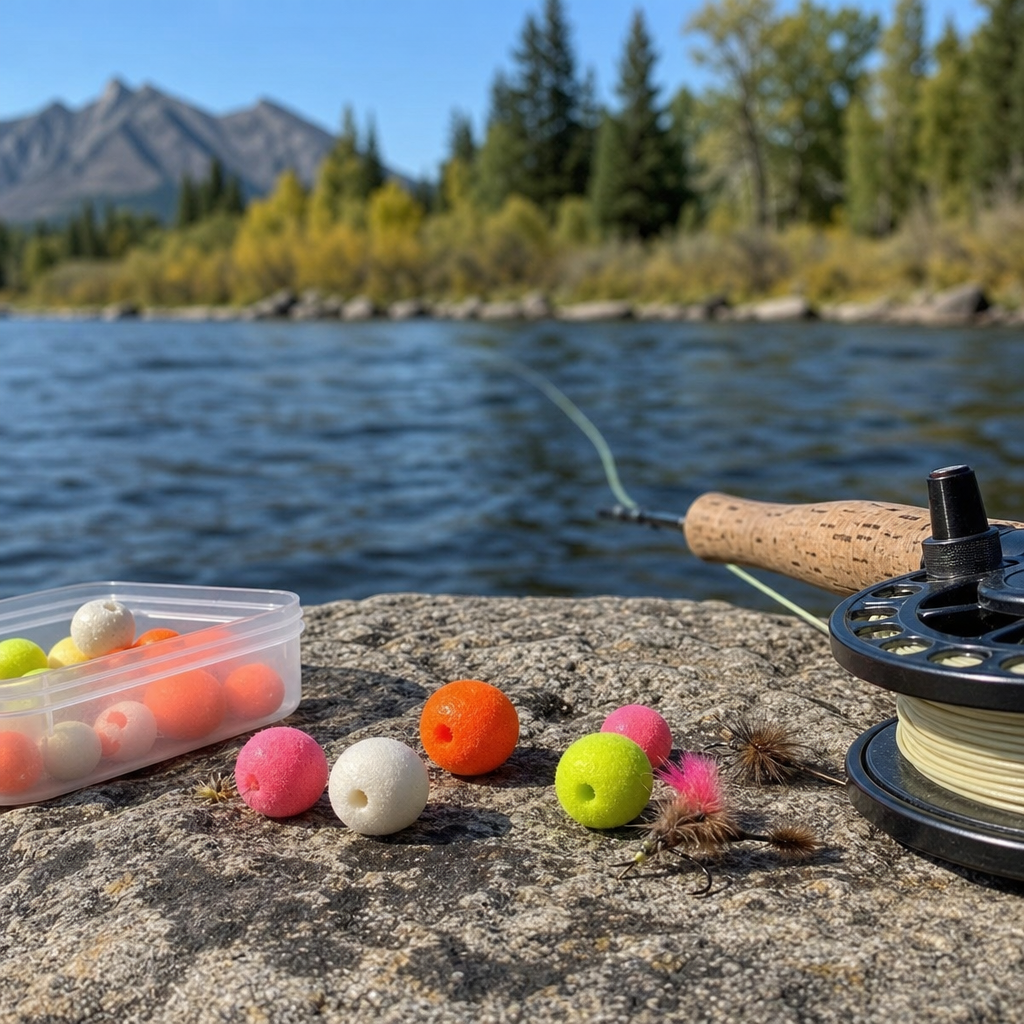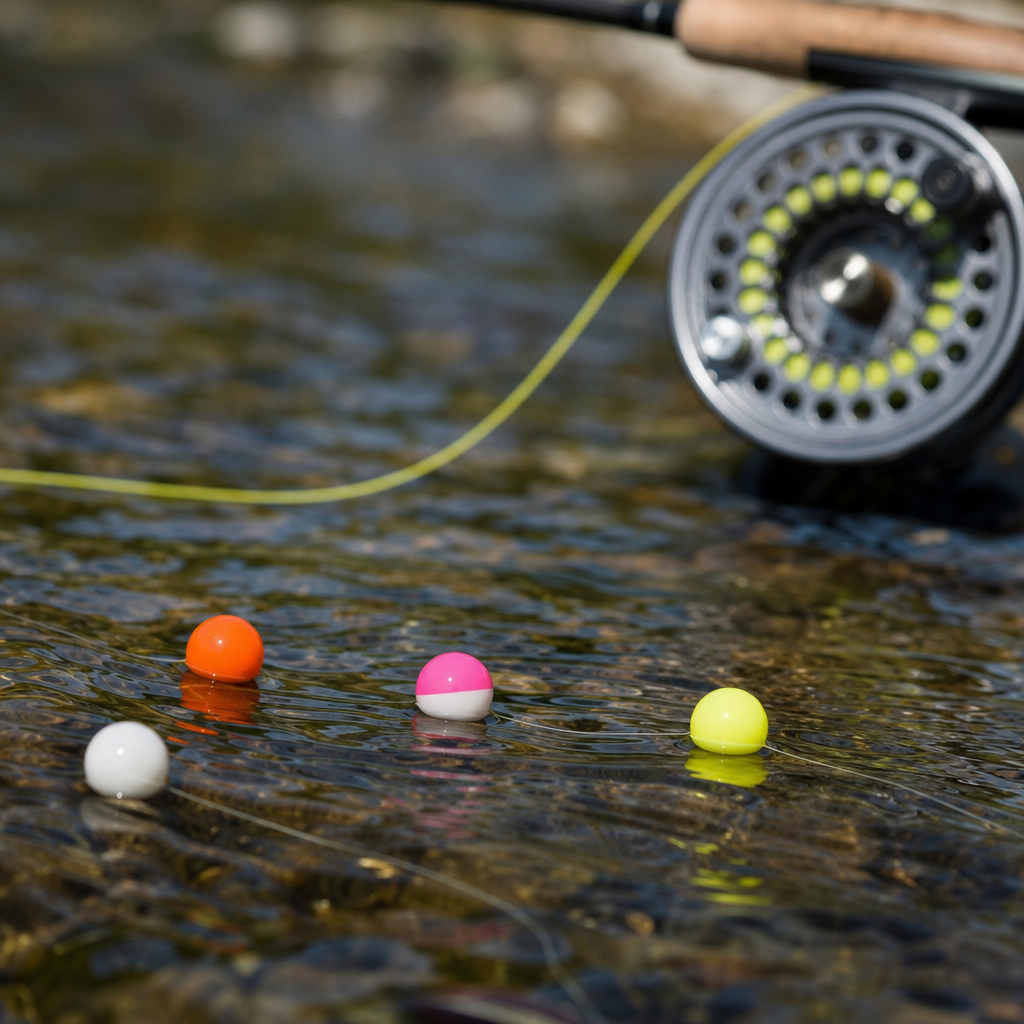
Choosing the best fly fishing strike indicators can make the difference between guessing at subtle takes and consistently detecting fish before they spit the fly. A strike indicator is any device attached to a leader that helps an angler see, suspend, or track a nymph or other subsurface fly. In practical terms, it functions like a highly refined bobber, but that simple comparison misses what matters on the water: buoyancy, sensitivity, visibility, leader control, and how cleanly the indicator lands and drifts. I have fished rivers, stillwaters, and tailwaters with nearly every common style, and the best option always depends on current speed, depth, fly weight, and how technical the presentation needs to be.
This accessory category matters because strike detection is often the limiting factor in nymph fishing success. Many trout eat softly, especially in pressured water, cold conditions, or slow seams where a take looks like nothing more than a brief hesitation. Good indicators solve several problems at once. They suspend weighted flies at a consistent depth, create a visual reference for drag, help anglers control drift length, and reveal micro-movements that would otherwise go unnoticed. Poor indicators create the opposite outcome: splashy casts, twisted leaders, missed eats, and inconsistent depth control. For anglers building a reliable fly fishing accessories system, strike indicators deserve the same attention usually given to rods, reels, and waders.
The most useful way to review strike indicators is by style, not by a single winner. Air-lock indicators, foam indicators, yarn indicators, putty indicators, and specialist systems such as euro nymph sighters all excel under specific conditions. Some are best for beginners because they are easy to rig and adjust. Others appeal to technical anglers because they land softly and telegraph nuanced takes. A true hub article on accessory reviews should also explain selection criteria, rigging tradeoffs, and when one design fails. That context helps readers choose the right tool, then branch into more focused product reviews with confidence instead of buying a random pack from a shop wall.
How to Choose the Best Fly Fishing Strike Indicators
The best fly fishing strike indicators share five core traits: adequate buoyancy for the rig, high visibility in the light you actually fish, low splash on presentation, simple depth adjustment, and minimal leader damage. Start with buoyancy. A tiny dry-fly-style indicator may work for a single unweighted nymph in skinny water, but it will drown under two tungsten bead flies and split shot. On the other hand, oversized foam balls can suspend heavy rigs but often spook fish in shallow glides. The correct choice is the smallest indicator that still floats your setup confidently through the drift.
Visibility is equally important. Bright orange and fluorescent pink remain the easiest colors to track against dark water, while white often shows up better in glare or broken pocket water. Two-tone indicators are often superior because they stay visible as light changes during the day. I learned this on western freestones where morning shade favored orange, but high noon glare made white easier to track. If you lose visual contact for even a second in complex currents, you miss fish. The best indicator is the one you can read instantly without straining.
Adjustment matters more than many anglers expect. Deep runs require sliding an indicator several feet up the leader, while shallower riffles may call for quick changes every few casts. Systems that cinch with a toothpick, loop, peg, or trapped air chamber vary widely in convenience. The best designs move when you want them to move and stay fixed when you mend, cast, and fight fish. If an indicator slips down repeatedly, your flies drift too high and your confidence collapses. If it pinches so hard that it kinks the leader, it weakens tippet and creates hinging during turnover.
Finally, match the indicator to water type. Small yarn or putty systems shine in spring creeks and technical flats because they land softly and create less surface disturbance. Large air-filled or foam indicators excel in deep runs, heavy currents, and beginner setups where buoyancy and tracking matter most. That is the framework I use when testing accessory reviews: not which indicator is trendy, but which one solves a defined fishing problem better than the alternatives.
Top Indicator Styles and Where Each One Excels
Different indicator categories dominate different fisheries, and anglers who understand those categories make better buying decisions. Air-lock style indicators use a small plastic shell with a locking mechanism that traps the leader. Their biggest strength is adjustability combined with buoyancy. They are excellent on bigger rivers, indicator nymph rigs with split shot, and guides who need clients to change depth fast. New Zealand wool indicators use buoyant yarn trapped on the leader with tubing or a knot system. They land softly, remain visible, and can be tuned in size, making them favorites for spooky trout and shallow drifts.
Adhesive foam indicators, often sold as peel-and-stick tabs, are among the simplest and lightest options. They work well for small flies and moderate depth, and they are particularly useful for anglers who want quick rigging without carrying extra hardware. However, they lose effectiveness when soaked, torn, or overloaded. Thingamabobber-style hollow plastic indicators remain popular because they float heavy rigs exceptionally well and are easy to see from a distance. Their drawbacks are splash, wind resistance, and occasional tangles, especially with long leaders and inexperienced casting strokes.
Putty indicators occupy a niche but valuable role. These moldable products can be applied directly to the leader, adjusted by adding or subtracting material, and used when an angler wants a tiny visual reference rather than a large suspension device. They are useful in slow pools or for micro-adjustments, but temperature affects consistency and they are not ideal for heavy setups. In competitive and tight-line systems, a colored sighter built into the leader can replace a conventional indicator entirely. That approach is deadly at short to medium range, though less effective in long downstream drifts.
| Indicator style | Best use | Main advantage | Main limitation |
|---|---|---|---|
| Air-lock | Deep nymph rigs, fast adjustments | Secure and buoyant | Can land hard in skinny water |
| Yarn or wool | Technical trout water | Soft landing and sensitive drift | Less buoyant with heavy rigs |
| Foam adhesive | Quick setup, light rigs | Simple and light | Limited durability |
| Plastic ball | Big water, split shot, beginners | Maximum flotation | Wind resistance and splash |
| Putty | Fine-tuning, calm water | Custom size control | Weak with heavy flies |
If you are building an accessory reviews shortlist, these categories cover nearly every real-world scenario. The right question is not “Which indicator is best?” but “Which indicator best matches my rig, water, and skill level?” That distinction saves money and leads to more fish.
Best Strike Indicators by Fishing Situation
For beginners, the best strike indicator is usually a highly visible, buoyant model that is easy to attach and easy to move. On guided trips, I often start newer anglers with air-lock or plastic ball styles because they suspend weight reliably and provide instant visual feedback. Beginners benefit from clarity more than finesse. They need to see the indicator, understand drift speed, and recognize obvious takes. A slightly splashier presentation is an acceptable tradeoff because poor detection costs more fish than slightly reduced stealth in most general trout water.
For small streams and wary trout, yarn indicators consistently outperform bulkier options. Their soft landing matters in clear, low flows where fish react to surface commotion. They also cast better with lighter rods and shorter leaders. If I am fishing pocket water with a single beadhead or an unweighted dropper, I want the smallest visible yarn indicator I can get away with. It gives me enough suspension without turning the cast into a hinge. On spring creeks, I often reduce indicator size until it barely supports the rig because natural drift matters more than brute flotation.
For deep fast runs, buoyancy rules. This is where larger air-filled and locking indicators earn their place. They keep split shot suspended, remain visible in chaotic currents, and make mending easier because they do not sink under pressure. On tailwaters where trout hold close to the bottom in consistent slots, the ability to quickly move depth up or down six inches can unlock the day. I have seen anglers switch flies repeatedly when the real issue was that their indicators kept sliding and lifting the nymphs above the feeding lane.
Stillwater fly fishing changes the equation. Wind lanes, long pauses, and static presentations often favor subtle indicators with stable flotation. Foam and yarn options can work well for chironomid rigs, though many lake anglers size up to maintain visibility at distance. Here, wave chop can conceal tiny movements, so color contrast and line management matter as much as sensitivity. In lakes, I prioritize visibility and flotation over delicacy because the fish usually respond to depth and hang time rather than the indicator’s splash on initial presentation.
Rigging, Adjustment, and Common Mistakes
Most strike indicator problems come from setup, not product quality. The classic starting point is placing the indicator at roughly one and a half to two times the water depth above the bottom fly, then adjusting based on ticks, snags, and take frequency. If you never touch bottom, you are probably too shallow. If you snag every drift, you are too deep or too heavy. Good rigging is iterative. The indicator should help you map the water column, not merely float on top of it. Small depth changes often matter more than fly color.
Leader material also influences performance. Stiff butt sections transfer energy and turn over larger indicators more cleanly, while thin limp leaders collapse under bulky setups. When anglers complain that indicators tangle, I usually see one of three issues: a leader that is too fine for the indicator size, too much weight below the indicator, or a casting stroke with a tight loop that causes the rig to collide midair. Open the loop, slow the stroke, and match the leader to the payload. Better casting often solves “bad indicator” complaints immediately.
Another common mistake is ignoring drag clues. A strike indicator is not just a bite alarm; it is a drift meter. If it races faster than the bubbles, stalls unnaturally, or drags sideways across seams, your flies are not drifting naturally. The best anglers watch indicators for micro-hesitations, tiny dips, and inconsistent speed changes. Set the hook on anything unusual. Trout often eat and eject a fly in less than a second. Waiting for a clean dunk like a conventional bobber often means reacting too late.
Finally, maintain your accessories. Replace compressed yarn, torn foam, and cracked plastic. Clean putty from leaders before storing them. Inspect knots and tippet after fish or snags, especially if a locking indicator pinched the line. Strike indicators are inexpensive compared with lost fish, broken rigs, and wasted drifts. Treat them as critical tools, not disposable afterthoughts.
What to Buy for a Complete Accessory Reviews Hub
As a sub-pillar hub under product reviews and recommendations, this page should steer anglers toward a practical buying system, not a single gimmick item. A complete strike indicator kit includes at least three styles: a high-buoyancy adjustable indicator for deep or heavy rigs, a soft-landing yarn or wool option for technical water, and a lightweight foam or putty choice for finesse situations. This small range covers most trout fishing and prevents the common mistake of forcing one indicator to handle every condition. It also creates natural pathways into related accessory reviews for split shot, leaders, tippet, floatant, nippers, forceps, and fly boxes.
Brand specifics matter, but fit-for-purpose matters more. Airlock, Oros, Thingamabobber, New Zealand Strike Indicator systems, and Loon putty products all have loyal followings because each solves a different problem well. Oros-style indicators, for example, reduce leader kinks and are easier on the line than some pegged alternatives. Traditional plastic ball indicators still win when maximum flotation is needed at a low price. Yarn systems remain the better choice for anglers who value stealth and refined drifts over all-out buoyancy. No serious accessory review should pretend those tradeoffs do not exist.
The main benefit of choosing the best fly fishing strike indicators is simple: you fish at the right depth, detect more takes, and waste fewer drifts. Start by matching indicator size and style to your water, flies, and casting ability. Carry more than one category, adjust depth aggressively, and read the indicator as a drift signal, not just a bobber. If you are building out your accessory reviews library, begin with a three-style indicator kit and then explore the connected gear that makes each system work better on the water.
Frequently Asked Questions
What makes the best fly fishing strike indicator, and how do I choose the right type?
The best fly fishing strike indicator is the one that matches your water type, fly size, depth, and presentation style while still helping you detect subtle strikes. In general, a good indicator needs to do five things well: float reliably, remain visible in changing light, register soft takes, land without excessive splash, and move cleanly on your leader without damaging it. If an indicator is overly bulky, it may spook fish in shallow or clear water. If it is too small, it may sink under the weight of weighted nymphs or become difficult to track in rough currents.
There are several major categories to consider. Foam indicators are popular because they are buoyant, easy to see, and simple to cast. They work especially well in faster water or when suspending heavier rigs. Yarn indicators are favored by many anglers for their sensitivity and soft presentation. They land gently, can be treated with floatant, and often drift more naturally, making them a smart choice in technical water or slower currents. Air-lock and other adjustable plastic indicators offer excellent buoyancy and easy depth changes, which makes them practical for beginners and for anglers constantly adapting to changing runs. Putty-style indicators are highly customizable and useful when a more subtle setup is needed, though they may require more adjustment throughout the day.
Choosing the right type comes down to fishing conditions. In turbulent pocket water, a highly visible, buoyant indicator is often best. In flat pools or spring creeks, a smaller, softer, more delicate option can outperform louder indicators. Leader size also matters. Some indicators grip better on thin leaders than others, and some styles are more likely to kink or weaken fine tippet material. If you fish a wide variety of water, it is smart to carry multiple styles and sizes rather than looking for one universal solution. The best anglers think of strike indicators as tools for specific jobs, not one-size-fits-all accessories.
How do I size a strike indicator correctly for different flies, currents, and water depths?
Strike indicator size should be matched to the total weight and resistance of your nymph rig, as well as the speed and texture of the water. A common mistake is choosing an indicator based only on visibility. While being able to see it matters, the real question is whether the indicator can support your flies and shot while still remaining sensitive enough to signal a take instead of just dragging unnaturally. If the indicator is too small, it will ride low, sink intermittently, or pull your flies off the desired drift. If it is too large, it can create splash, reduce strike sensitivity, and make casting more awkward.
For smaller nymphs, lighter tippet, and shallow water, a compact indicator usually performs best. It provides enough flotation without overpowering the presentation. As fly size increases, split shot is added, or current becomes more forceful, indicator size should increase accordingly. Fast seams and broken water often demand more buoyancy because the rig is under more tension and exposed to more surface disturbance. In deep runs, a slightly larger indicator also helps maintain suspension and makes long drifts easier to track.
A practical rule is to use the smallest indicator that still floats the rig confidently and remains easy to see. On calm or clear water, scale down whenever possible. On windy days, in glare, or at longer casting distances, you may need to size up for visibility alone. It is also helpful to test your setup close to shore. If the indicator immediately struggles under the weight of the flies and shot, it is undersized. If it looks oversized and lands like a cork, it may be too much for the situation. Fine-tuning this balance is one of the key skills in modern nymph fishing.
Where should a strike indicator be placed on the leader?
Strike indicator placement is one of the most important adjustments in subsurface fly fishing because it determines how deep your flies travel and how naturally they drift. A widely used starting point is to place the indicator about one and a half to two times the water depth above the fly. That extra distance accounts for leader angle, current drag, and the fact that your flies do not travel directly beneath the indicator in moving water. If you set the indicator too close to the flies, they may never reach the strike zone. If you place it too far away, casting can become difficult and strike detection may feel delayed or imprecise.
Depth, current speed, and presentation angle all affect indicator position. In shallow riffles, you may only need a short distance between indicator and fly to keep the rig in the feeding lane. In deep runs or heavy currents, a much greater distance is often necessary so the flies can sink before the drift is over. If your flies are ticking bottom occasionally, you are often close to the right depth. If you never touch bottom in a run where fish are expected to hold deep, the indicator likely needs to move farther up the leader or the rig needs more weight.
It is also worth remembering that indicator placement is not static. Good anglers adjust constantly. If the drift looks unnatural, if the flies snag too often, or if fish are not responding, small changes in indicator distance can make a major difference. In many cases, a few inches one way or the other is all it takes to turn an unproductive drift into an effective one. Treat placement as a performance adjustment, not a fixed setup.
Are yarn indicators better than foam or plastic indicators?
Yarn indicators are not automatically better than foam or plastic indicators, but they do offer specific advantages that make them excellent in certain situations. Their biggest strengths are subtlety, sensitivity, and reduced splash. Because yarn lands softly and drifts with relatively little surface disturbance, it can be especially effective in clear, slow, or heavily pressured water where fish are easily alerted. Many experienced anglers also like that yarn can be tuned in size, dressed with floatant, and used as a very responsive visual reference for tiny hesitations or directional changes.
Foam and plastic indicators, however, usually provide superior buoyancy and visibility. When fishing heavier nymph rigs, larger flies, split shot, or broken water, these styles often outperform yarn simply because they stay afloat more consistently and are easier to track at distance. Adjustable plastic indicators are also convenient when you need to slide depth quickly without re-rigging. For beginners, that ease of use can be a major advantage. Bright foam and molded indicators also stand out better in glare, chop, or low-light conditions.
The real answer is that each style excels under different demands. Yarn is often preferred for technical presentations and natural drifts, while foam or plastic is often preferred for buoyancy, durability, and ease of use. Many dedicated nymph anglers carry all three categories and switch based on current speed, fly weight, and fish behavior. If you mostly fish shallow, clear streams with light nymphs, yarn may feel like the best option. If you fish freestone rivers, deep runs, or windy conditions, foam or plastic may be the better choice more often.
How can I improve strike detection when using a fly fishing strike indicator?
Improving strike detection starts with understanding that not every take looks dramatic. In fact, many trout eat a nymph with almost no obvious movement at all. The best approach is to treat any unnatural indicator behavior as a possible fish. If it pauses, twitches, dips, tilts, slows unexpectedly, or moves sideways at a different speed than the surrounding current, set the hook. Waiting for a full dunk is one of the most common mistakes anglers make. By the time the indicator fully disappears, a fish may already have rejected the fly.
Leader control is equally important. A strike indicator is only as useful as the drift beneath it. If there is too much slack between rod tip and indicator, you may never see or feel subtle takes in time. If there is too much drag, the indicator will skate or pull unnaturally, masking strikes and lifting the flies away from feeding fish. Keep a controlled connection to the drift with minimal excess line on the water, and mend as needed so the indicator travels naturally at the current’s speed.
Indicator choice and rig balance also affect strike detection. A properly sized indicator that rides high but not overly high will communicate changes better than one that is overloaded or excessively large. Matching split shot, fly weight, and indicator buoyancy helps the entire setup behave predictably. Color can matter too. High-contrast indicators are easier to track, especially in glare or mixed light, and being able to see slight hesitations is critical. Finally, watch the water around the indicator, not just the indicator itself. Surface seams, competing currents, and micro-drag can all explain movement, but they can also reveal when something is different in a way that suggests a take. The best strike detectors are alert, disciplined, and quick to react.