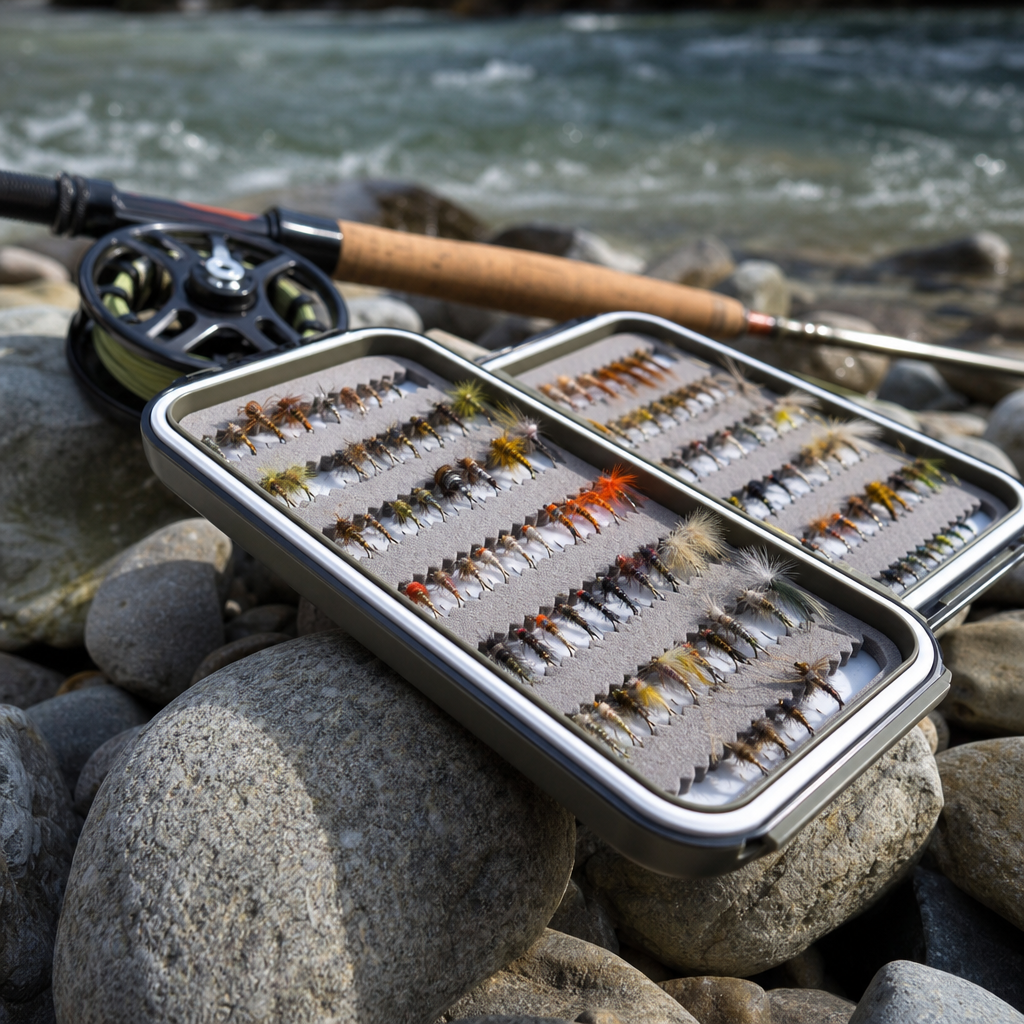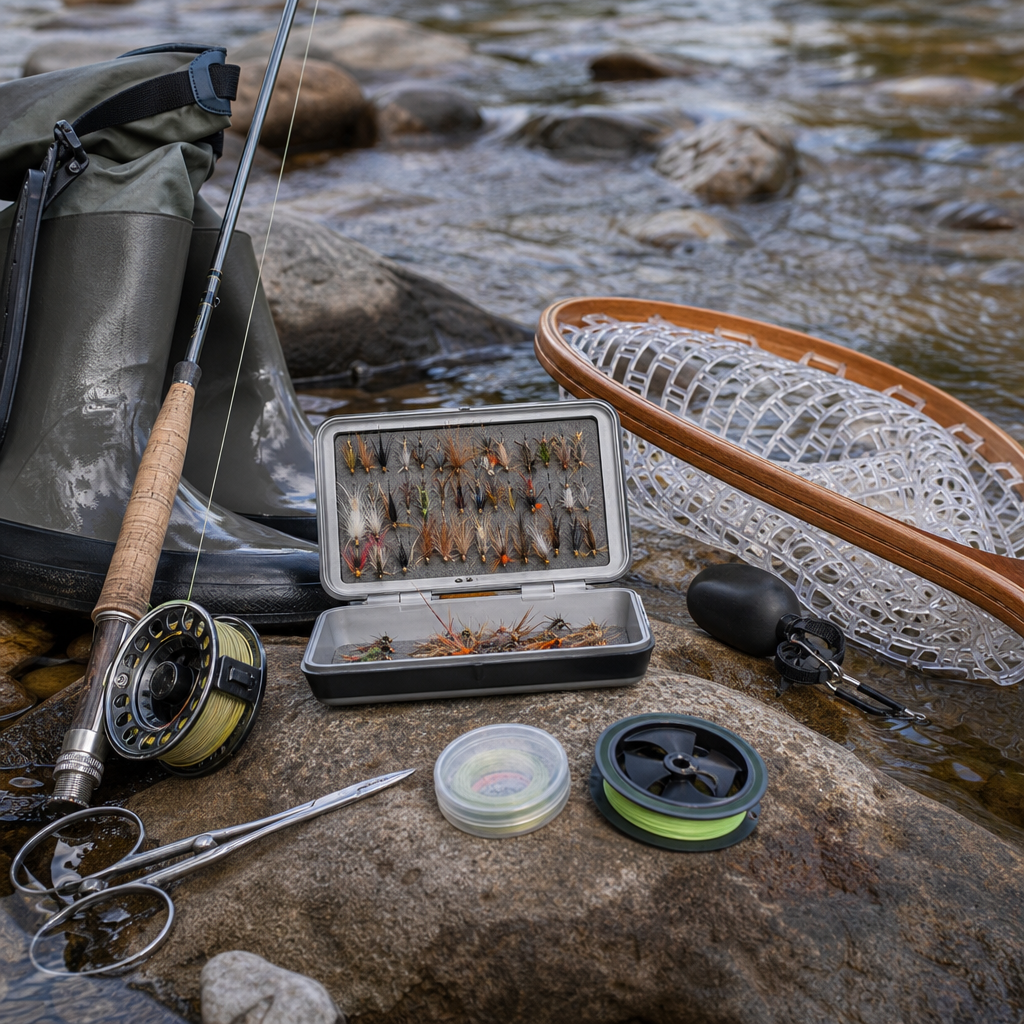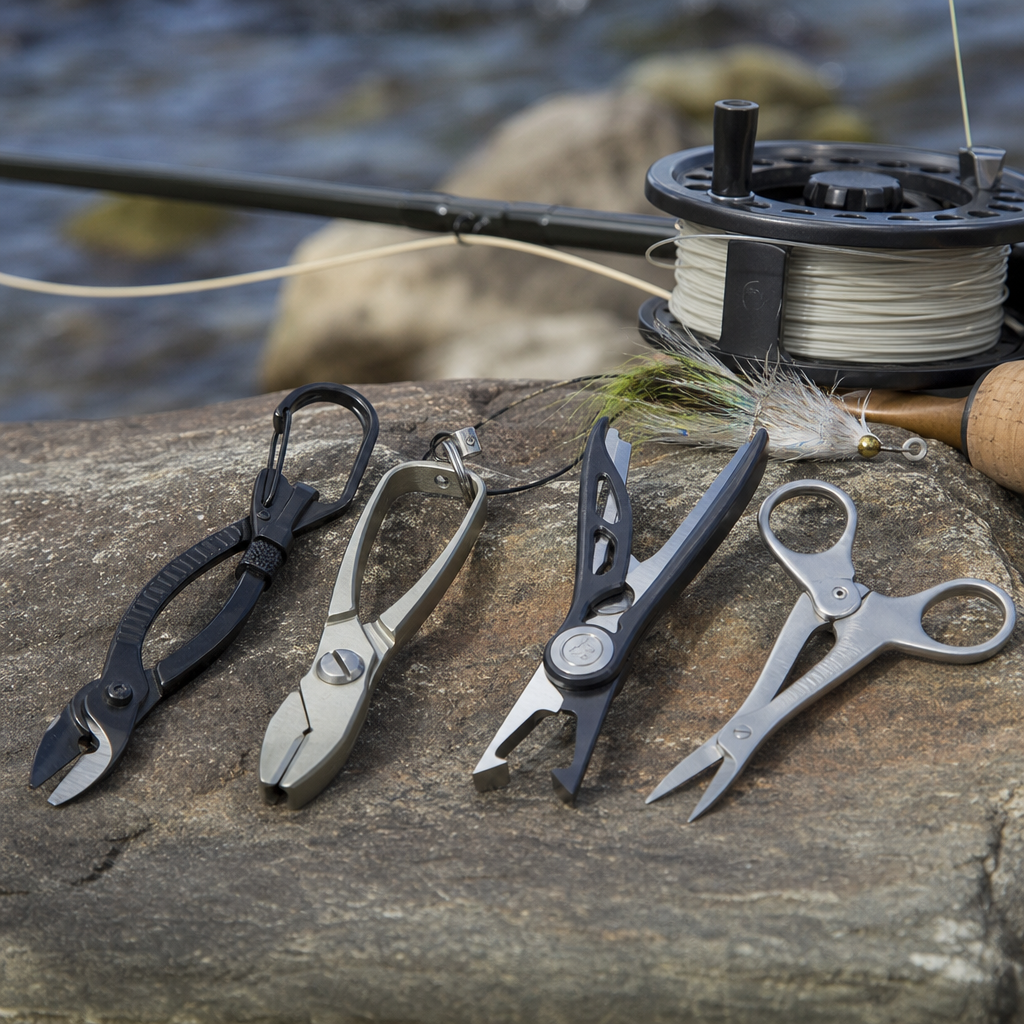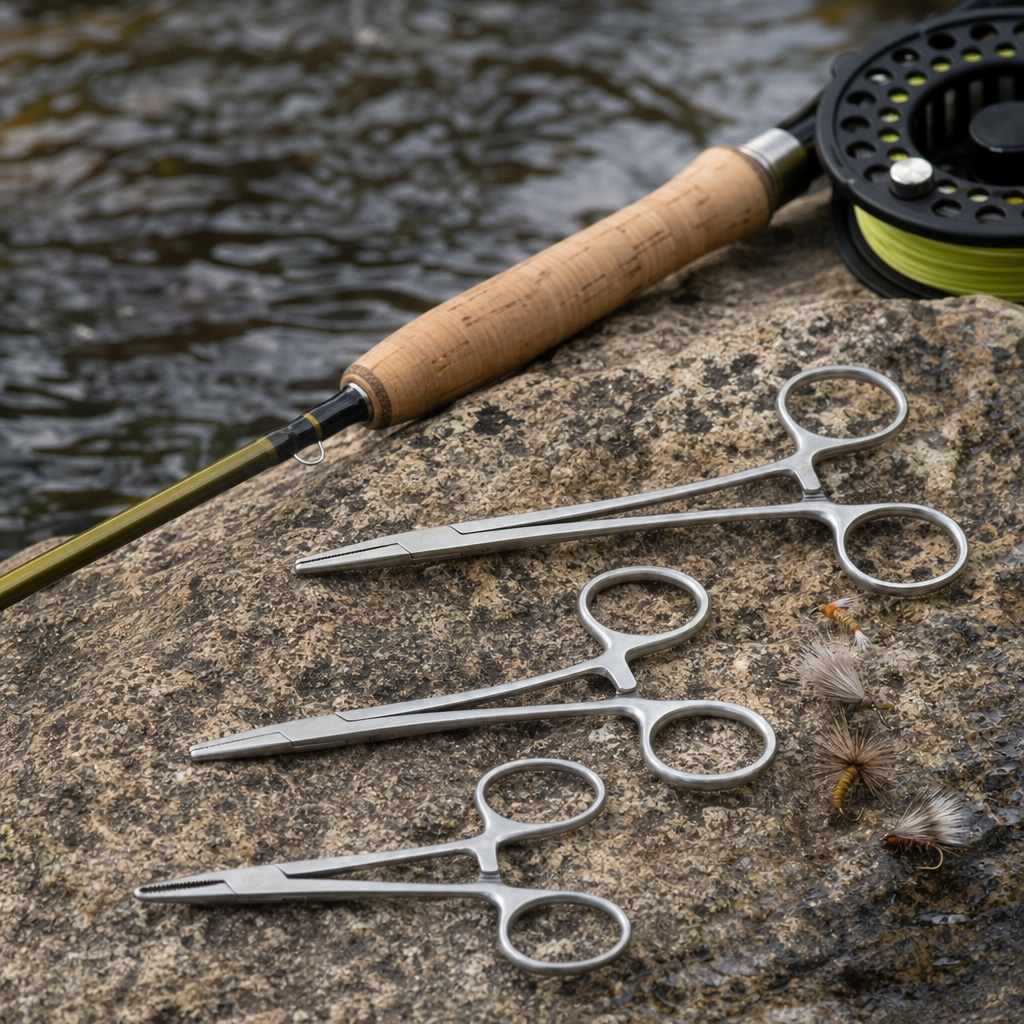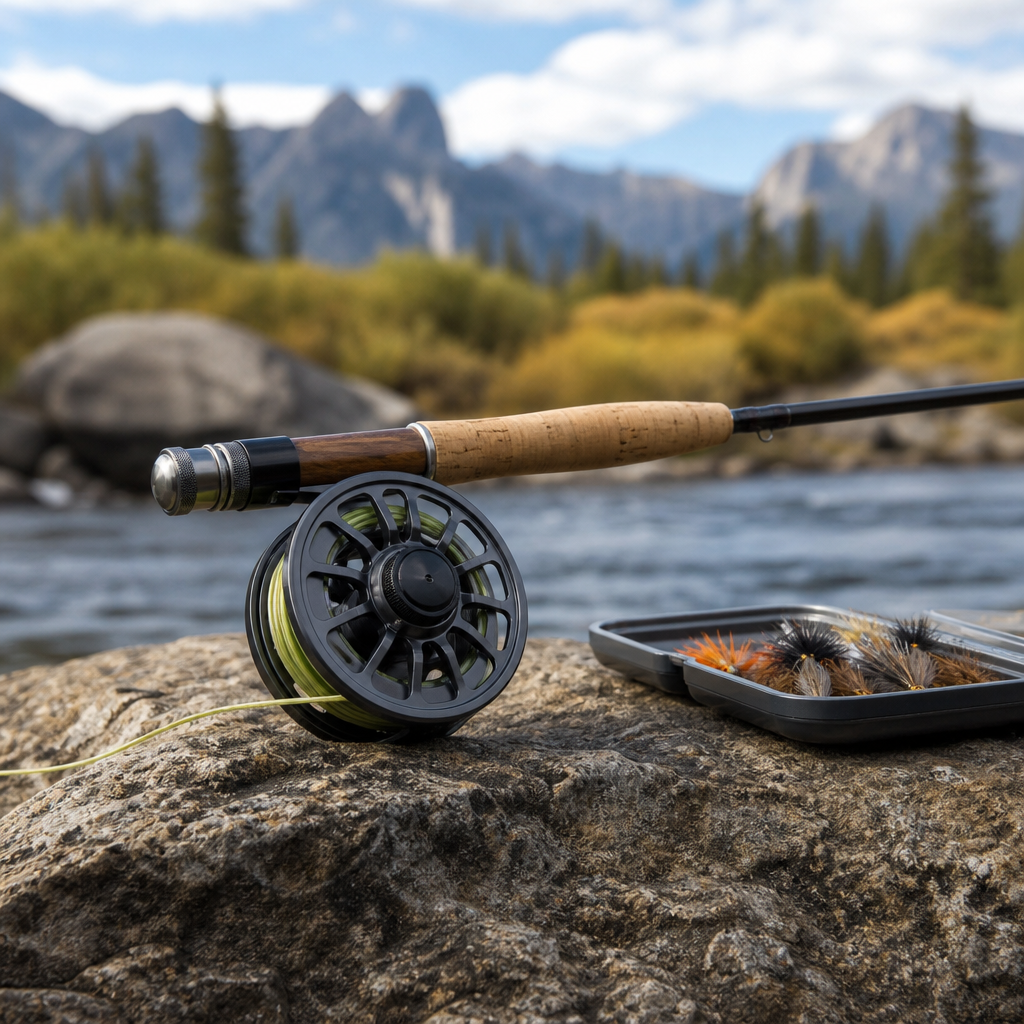
Choosing the best fly fishing reels for beginners is easier when you understand what a reel actually does, how it affects casting and fish fighting, and which features matter most in real use. A fly reel is not just a line holder. It balances the rod, stores backing and fly line, manages drag during a run, and helps new anglers control line without tangles. For beginners, the right reel reduces frustration immediately. A poor reel can feel rough, unbalanced, or unreliable, turning simple practice sessions into avoidable problems on the water.
This guide serves as a hub for gear reviews within the broader product reviews and recommendations category, with a focused look at beginner fly fishing reels and the gear decisions connected to them. When I help first-time anglers build a starter outfit, I do not begin with premium machining or brand prestige. I start with species, rod weight, water type, drag style, arbor size, and long-term value. Those factors determine whether a reel will perform well on trout streams, warmwater ponds, or light inshore flats. They also determine whether the reel leaves room for skill growth instead of needing replacement after one season.
In plain terms, beginners need a reel that is durable, simple, appropriately sized, and priced sensibly. Most entry-level fly anglers are targeting trout, panfish, or small bass with a 4-weight, 5-weight, or 6-weight rod. For that use, a die-cast aluminum or composite reel with a dependable disc drag is usually the smartest buy. Click-and-pawl reels still have value, especially for small trout, but they offer less stopping power and adjustment. The best beginner options combine easy spool changes, smooth retrieve, solid corrosion resistance, and enough backing capacity for the line class they are designed to carry.
What makes a fly reel beginner-friendly
A beginner-friendly fly reel does four things consistently: it matches the rod weight, protects light tippet with smooth startup inertia, holds enough backing and line, and remains easy to maintain. Startup inertia matters because the reel must begin releasing line without a sudden jerk. That small detail is why a decent drag system matters even on smaller fish. If a drag sticks and then slips, light leaders break. New anglers often assume trout reels do not need drag sophistication, but the smoother the drag, the easier fish management becomes.
Balance is equally important. A reel that is too heavy makes the outfit tip backward and feels awkward after an hour of casting. A reel that is too light can make a fast-action rod feel tip-heavy and harder to control. Manufacturers publish line weight compatibility, but actual balance varies by rod length and blank design. In practice, a 5/6 reel paired with a 9-foot 5-weight rod is the default beginner setup because it covers common trout fishing, indicator nymphing, dry flies, and small streamers without complication.
Material construction shapes durability and price. Machined aluminum reels are cut from bar stock, tend to be stronger and more precise, and usually resist flex better under pressure. Die-cast reels cost less and are perfectly serviceable for many freshwater beginners, though they can be more vulnerable to impact damage. Composite reels are very affordable and lightweight, but they rarely feel as solid as metal models. For a first outfit, I generally prefer a quality die-cast aluminum reel over the cheapest composite option because it holds up better through normal drops, car rides, and bank fishing mistakes.
Large arbor design deserves attention because it improves line retrieval and reduces line memory. A large arbor reel picks up line faster per turn, which helps beginners recover slack during strikes or when a fish changes direction. It also stores fly line in wider coils, reducing the tight curl that can make line management messy. The tradeoff is that some traditional standard arbor reels are lighter or less expensive, but for most new anglers, large arbor is the better all-around choice.
Key features to compare before buying
The most important buying criteria are drag type, arbor size, weight matching, spool capacity, frame design, and saltwater resistance. Drag type is usually the first real decision. Disc drag reels use friction surfaces to create adjustable resistance and dominate the market because they are smooth, durable, and versatile. Click-and-pawl reels use a spring and gear mechanism that creates lighter resistance and the classic outgoing sound many anglers enjoy. For beginner trout fishing on small water, either system can work. For mixed trout and bass, bigger rivers, or occasional larger fish, disc drag is the safer recommendation.
Frame design affects line control more than many people realize. A full-frame or narrow-gap frame helps prevent thin running line or leader from slipping between the spool and frame. That matters less on average trout setups than on specialized lines, but it still improves usability. Sealed drag systems also deserve mention. They keep water, grit, and fine sediment away from drag components. On dusty riverbanks or in brackish environments, a sealed drag reduces maintenance and extends performance. It is not mandatory for every beginner, but it adds real value.
| Feature | Why it matters for beginners | Best starting choice |
|---|---|---|
| Drag system | Smoother pressure prevents break-offs and helps fight fish calmly | Disc drag |
| Arbor size | Faster line pickup and less line memory | Large arbor |
| Construction | Determines strength, durability, and price | Quality die-cast aluminum |
| Line capacity | Must fit fly line plus backing without overfilling | Matched to rod weight and target species |
| Corrosion resistance | Important for wet storage, travel, and occasional salt exposure | Anodized aluminum with simple rinsing care |
Capacity should always be checked against the exact fly line you plan to use. A reel marked for 5/6 weight may hold a weight-forward floating 5-weight line plus 75 to 100 yards of 20-pound backing, but bulkier specialty tapers can change that. If you fish only small creeks, backing matters less. If you fish larger western rivers, lakes, or carp flats, capacity matters more. Beginners are usually best served by buying reel and line together from a shop that can confirm fit before spooling.
Best types of fly reels for beginner scenarios
The best fly fishing reels for beginners depend on where and what you fish. For trout in rivers and streams, a 5/6 large arbor reel with disc drag is the universal recommendation. Models like the Redington Behemoth, Orvis Clearwater Large Arbor, Lamson Liquid, and Piscifun Sword have become common entry points because they offer useful drag performance at realistic prices. The Lamson Liquid, for example, stands out for its pressure-cast build, reliable conical drag, and widespread availability of spare spools. The Orvis Clearwater is known for solid fit and finish and easy pairing with beginner rod outfits.
For ultralight creek fishing with 2-weight to 4-weight rods, a lighter click-and-pawl or small disc drag reel can make the outfit more pleasant. Here, oversized drag is less important than balance, simplicity, and spool startup smoothness. For warmwater fishing, especially for bluegill and bass, a 6-weight reel with stronger drag and robust frame construction is better because fish often make abrupt runs around structure. In these situations, beginners benefit from a reel with a larger drag knob that can be adjusted quickly with wet hands.
If there is any chance you will fish saltwater, buy for that need from the beginning. Light inshore species such as schoolie stripers, sea trout, or small redfish expose weaknesses in cheap freshwater reels quickly. Salt accelerates corrosion, and fish run harder. A fully sealed drag and anodized machined frame are strong advantages. That does raise cost, but buying one versatile reel for freshwater and occasional saltwater is often cheaper than replacing a corroded bargain reel after a season.
Recommended beginner reel categories by budget
At the budget end, under roughly $100, the goal is basic reliability rather than refinement. Reels such as the Piscifun Sword, Maxcatch Eco, and entry Redington Crosswater models attract new anglers because they are affordable and available in matched combos. These reels can absolutely catch fish, but tolerances, drag consistency, and finish quality vary. I advise beginners to inspect the spool play, retrieve smoothness, and drag adjustment range before buying. A modest increase in price often brings a noticeable jump in quality.
In the mid-range, about $100 to $250, value improves significantly. This is where reels like the Lamson Liquid, Orvis Clearwater, Redington Behemoth, and Echo Bravo LT begin to separate themselves. They usually offer better drag systems, stronger frames, better spool interchangeability, and more dependable manufacturer support. This price band is where I steer most committed beginners because the reel can remain useful for years, even after rod upgrades. Spending here reduces the chance that the reel becomes the weak point in the setup.
Above that range, beginners enter enthusiast territory. Reels from Hatch, Nautilus, Ross, and Abel are excellent, but they are rarely necessary for someone still learning line control and fish fighting fundamentals. Premium reels deliver tighter machining, stronger seals, lighter weight, and long-term serviceability. Those benefits are real, especially for saltwater and travel, but a new angler will usually gain more by spending the difference on casting lessons, quality fly line, waders, or guided days.
How fly reel choice fits the rest of your gear
A fly reel never works in isolation, which is why any gear reviews hub should connect reel selection to rods, fly lines, leaders, packs, and maintenance tools. In actual beginner setups, the fly line often matters more to casting performance than the reel. I have seen anglers improve immediately by upgrading to a better weight-forward floating line while keeping the same reel. That is why a balanced budget matters. Do not overspend on the reel while using a poor line with inconsistent taper or cracked coating.
Rod pairing is the next step. A beginner 9-foot 5-weight rod with medium-fast or fast action pairs best with a reel that balances near the front of the cork when lined and ready to fish. Good shops often let you test this physically, and that hands-on check beats any catalog description. Leaders and tippet also interact with reel performance. Fine 5X or 6X tippet reveals drag startup flaws quickly, while heavier bass leaders forgive them. The species you target should always shape your reel priorities.
This hub also points naturally toward related gear reviews: beginner fly rods, floating fly lines, wading boots, sling packs, nippers, forceps, and fly boxes. Reels matter, but they are one piece of a system. When readers compare complete outfits instead of single components, they make better purchasing decisions and avoid mismatched gear that causes frustration on the water.
Common beginner mistakes and how to avoid them
The most common mistake is buying a reel by appearance instead of by function. Attractive porting and bright anodizing do not tell you how smooth the drag starts, whether the spool wobbles, or how the reel balances your rod. Another mistake is choosing the wrong size. Overly large reels add weight and can make a light trout outfit clumsy. Undersized reels may not hold the intended line and backing comfortably, especially if you switch to a bulkier taper.
Many beginners also underestimate maintenance. Even freshwater reels last longer when they are dried after use, stored with backing and line ventilated, and checked periodically for grit around the spool and drag knob. Saltwater-exposed reels should be rinsed gently with fresh water, dried fully, and serviced according to manufacturer guidance. I have seen beginners ruin decent reels not through hard fishing, but by leaving them wet in a hot car or sealed gear bag for days.
Finally, avoid judging reel quality only by maximum drag pressure. For beginner fishing, smoothness, consistency, and usability matter more than peak stopping power. A reel marketed with extreme drag numbers may still perform poorly at the lighter settings trout fishing actually requires.
The best fly fishing reels for beginners are the ones that make learning easier, not the ones with the most prestige or the highest price. Start with your rod weight, target species, and water type. For most anglers, that means a 5/6 large arbor reel with a dependable disc drag, durable aluminum construction, and enough capacity for a quality weight-forward floating line. Models in the practical mid-range usually deliver the strongest long-term value because they balance performance, durability, and price without unnecessary complexity.
As a gear reviews hub, this page should guide your next decisions as well: compare rods, lines, leaders, packs, and accessories as part of a complete system. A well-matched outfit casts better, handles fish better, and lasts longer. If you are building your first setup, shortlist two or three reels, confirm balance with your rod, and have a shop spool the exact line you plan to fish. That simple step will save money, reduce frustration, and put you on the water with confidence.
Frequently Asked Questions
What should beginners look for in a fly fishing reel?
Beginners should focus on a few core features instead of getting distracted by premium branding or advanced marketing terms. First, make sure the reel matches the rod weight. For example, a 5-weight fly rod should generally be paired with a reel designed for a 4/5 or 5/6 line size. Proper matching matters because the reel helps balance the outfit, and a balanced setup feels easier to cast, hold, and control over a full day on the water. If the reel is too heavy or too light, the rod can feel awkward in hand, which is something new anglers notice quickly.
Next, look for smooth, dependable drag. While beginners may not be targeting huge fish right away, a reliable drag system still matters because it helps control fish during runs and prevents sudden line breakoffs. A basic disc drag is often the best choice for new anglers because it is simple, consistent, and low-maintenance. Build quality is also important. A beginner reel does not need to be the most expensive model available, but it should feel solid, retrieve smoothly, and avoid wobble or roughness.
Capacity is another practical consideration. The reel should hold the correct fly line plus backing without being overcrowded. A large arbor design is especially beginner-friendly because it retrieves line faster and reduces memory coils in the line. Finally, pay attention to ease of use. A reel with simple left-to-right retrieve conversion, easy spool removal, and straightforward drag adjustment can remove a lot of frustration early on. In short, beginners should prioritize balance, smooth drag, durability, line capacity, and user-friendly design over flashy extras.
Why does the fly reel matter if the rod does most of the casting?
It is true that the fly rod and fly line do most of the work in casting, but that does not mean the reel is unimportant. A fly reel plays several major roles that directly affect how enjoyable and manageable the experience is for a beginner. One of the biggest is balance. Even if a rod casts well, it can feel tip-heavy and tiring if paired with the wrong reel. A properly matched reel makes the outfit feel more natural in hand, which helps beginners learn timing, line control, and basic casting mechanics with less fatigue.
The reel also stores the fly line and backing in an organized way. For new anglers, line management is often one of the most frustrating parts of fly fishing. Loose line can tangle, snag, or wrap around boots and rocks. A quality reel helps keep line under control and allows smooth retrieval after each cast or drift. That alone can make the learning curve far less discouraging.
Another major function is fish fighting. When a fish runs, the reel’s drag system helps apply controlled pressure. Without a smooth reel, line may come off unevenly or too aggressively, increasing the chance of tangles, broken tippets, or lost fish. Even on small trout streams, a dependable reel can make the difference between calm control and chaos. So while the reel may not be the primary casting tool, it absolutely affects comfort, line management, fish control, and overall confidence on the water.
Is a large arbor reel better for beginner fly anglers?
In many cases, yes, a large arbor reel is an excellent choice for beginners. A large arbor reel has a wider spool diameter, which allows it to pick up more line with each turn of the handle. That makes line retrieval faster and more efficient, especially when a fish changes direction or when the angler needs to gather slack quickly. For someone still learning line control, that extra speed can be very helpful.
Large arbor reels also tend to reduce line memory. Fly line stored on a tight spool can develop coils, which makes handling messier and can lead to tangles. Because large arbor reels store line in wider loops, the line usually comes off straighter and behaves better on the water. This is a practical benefit that beginners notice right away, especially when they are trying to strip line, mend, or recast efficiently.
Another advantage is drag consistency. As line leaves the reel, the spool diameter changes less dramatically on a large arbor design than on a traditional narrow arbor reel. That can help the drag feel more stable during a fish’s run. While traditional reels still have their place and can work perfectly well, large arbor models tend to be more user-friendly overall. They are especially useful for trout, panfish, and light freshwater applications where simplicity and control matter more than tradition. For most new fly anglers, a large arbor reel offers real convenience without adding complexity.
How much should a beginner spend on a fly fishing reel?
A beginner does not need to spend a premium amount to get a good fly fishing reel, but going too cheap can create problems that make learning harder. The goal is to find a reel that is dependable, smooth, and properly matched to the rod, not necessarily the most expensive option in the shop. In the entry-level to mid-range price category, there are many reels that offer solid construction, smooth disc drag systems, and enough durability for regular trout and freshwater use.
Extremely low-cost reels can sometimes work for occasional use, but they often show weaknesses quickly. Common issues include rough retrieves, inconsistent drag, poor machining tolerances, and frames or spools that feel flimsy under pressure. These problems may seem minor at first, but they become frustrating when line starts sticking, the drag surges during a fish run, or the reel does not balance well on the rod. For a beginner, those small annoyances can make the sport feel more difficult than it really is.
A smart approach is to spend enough to get reliability and ease of use, while putting equal attention into the rod and fly line. In many cases, beginners benefit more from a well-rounded setup than from overspending on any one component. If the reel has a smooth drag, good balance, corrosion resistance for the intended environment, and a reputation for durability, it is likely worth considering. The best value usually comes from buying a reel that performs consistently for several seasons rather than replacing a bargain model after a short time.
Do beginners need a strong drag system on a fly reel?
Beginners do not necessarily need the most powerful drag system on the market, but they do need one that is smooth, predictable, and easy to adjust. That distinction is important. In freshwater trout fishing, which is where many new fly anglers start, the drag usually does not need extreme stopping power. What matters more is whether it releases line evenly without jerking. A fish making a sudden run can break light tippet instantly if the drag sticks and then surges.
A quality disc drag is often ideal for beginners because it provides controlled resistance and usually requires less maintenance than older click-and-pawl styles. Click-and-pawl reels can be enjoyable and traditional, but they place more fish-fighting responsibility on the angler’s hand control, which may not be as forgiving for someone still learning. With a smooth disc drag, beginners can focus more on keeping tension, managing the rod angle, and staying calm during the fight.
Drag also matters beyond large fish. Even modest trout can expose weaknesses in an inconsistent reel, especially when the line is wrapped awkwardly or the fish changes direction. A drag knob that adjusts clearly and does not require constant fine-tuning is a plus. If a beginner plans to fish for larger trout, bass, or light saltwater species, drag quality becomes even more important. So while maximum drag strength is not the top priority for most new anglers, smoothness, consistency, and simplicity absolutely are.