Water conservation sits at the center of responsible fly fishing because healthy fisheries depend on enough clean, cold water moving through rivers, spring creeks, lakes, wetlands, and estuaries at the right times of year. In practical terms, water conservation means protecting flow quantity, flow timing, water quality, groundwater recharge, riparian habitat, and the natural processes that keep aquatic ecosystems resilient during drought, heat, and heavy demand. For anglers, this is not an abstract environmental slogan. It determines insect hatches, trout metabolism, spawning success, migration corridors, dissolved oxygen levels, and whether a fish survives after release. After years spent fishing Western tailwaters during low-flow summers and volunteering on river restoration days, I have seen the difference one dry season can make: narrower holding water, warmer afternoon temperatures, stressed fish stacked below riffles, and public access points closed because a river simply cannot absorb more pressure.
The importance of water conservation in fly fishing extends beyond trout streams. Smallmouth rivers, carp flats, salmon systems, and warmwater ponds all respond to water withdrawals, altered runoff, bank erosion, and pollution. Sustainable practices in fly fishing therefore include more than ethical catch and release. They cover how anglers travel, where they wade, when they fish, how they clean gear, what products they buy, and how they support policy, habitat work, and local water stewardship. This article serves as a hub for that broader conversation. It explains why conserving water matters to fisheries, identifies the major threats to aquatic habitats, and outlines the sustainable practices that anglers, guides, clubs, and conservation groups can apply immediately. If you want to fish better over the long term, protect access, and leave rivers stronger than you found them, water conservation is the foundation.
Why Water Quantity and Timing Matter to Fish
Fish need more than water presence; they need the right amount of water at the right time. Hydrologists describe this as the flow regime, including base flow, peak flow, seasonal variability, and connectivity between channels, side braids, floodplains, and wetlands. In fly fishing terms, flow governs where fish hold, how food drifts, when spawning gravel stays wetted, and whether juvenile fish can find slow refuge water. Reduced summer flows often concentrate fish into limited habitat, increasing competition, predation, and angling pressure at the exact moment water temperatures are rising. A trout stream that looks fishable to an angler may already be functioning under thermal and oxygen stress.
Coldwater species are especially vulnerable. Trout generally perform best in cool, oxygen-rich water, and many agencies begin advising anglers to stop fishing when temperatures approach the upper sixties Fahrenheit. Warmer water speeds metabolism while reducing dissolved oxygen, creating a harmful imbalance. Low flows also expose redds, disconnect side channels, and reduce macroinvertebrate productivity. On famous rivers such as the Madison, Big Hole, and Delaware systems, voluntary afternoon closures and hoot owl restrictions have become familiar responses during hot, dry periods. Those restrictions are direct reminders that conserving water upstream, restoring riparian shade, and reducing waste are not separate from angling. They are fishery management in action.
How Water Quality Shapes Fly Fishing Opportunities
Water conservation includes protecting quality as much as quantity. Sediment, nutrients, road runoff, agricultural chemicals, septic failures, and urban stormwater all affect the biological engine that fly anglers depend on. Aquatic insects require suitable substrate, oxygen, and chemistry. Excess fine sediment can smother spawning gravel and reduce the spaces where mayfly and stonefly nymphs live. Nutrient loading may increase algae, depress oxygen at night, and shift food webs in ways that reduce biodiversity. Polluted tributaries also undermine migration and spawning even when the main stem appears healthy.
One of the clearest lessons I learned from restoration work is that anglers notice quality changes quickly, even before they know the cause. Fewer caddis adults at dusk, more filamentous algae on rocks, muddy pulses after every rain, and banks sloughing into the channel all signal watershed stress. Healthy water quality supports predictable hatches, clearer sight-fishing conditions, stronger fish growth, and lower disease risk. Conservation practices such as maintaining vegetated buffers, limiting bank trampling, improving culverts, and managing livestock access can produce measurable gains. In many watersheds, these actions are more effective than any single stocking program because they rebuild the habitat processes wild fish rely on every season.
Sustainable Practices Every Fly Angler Should Follow
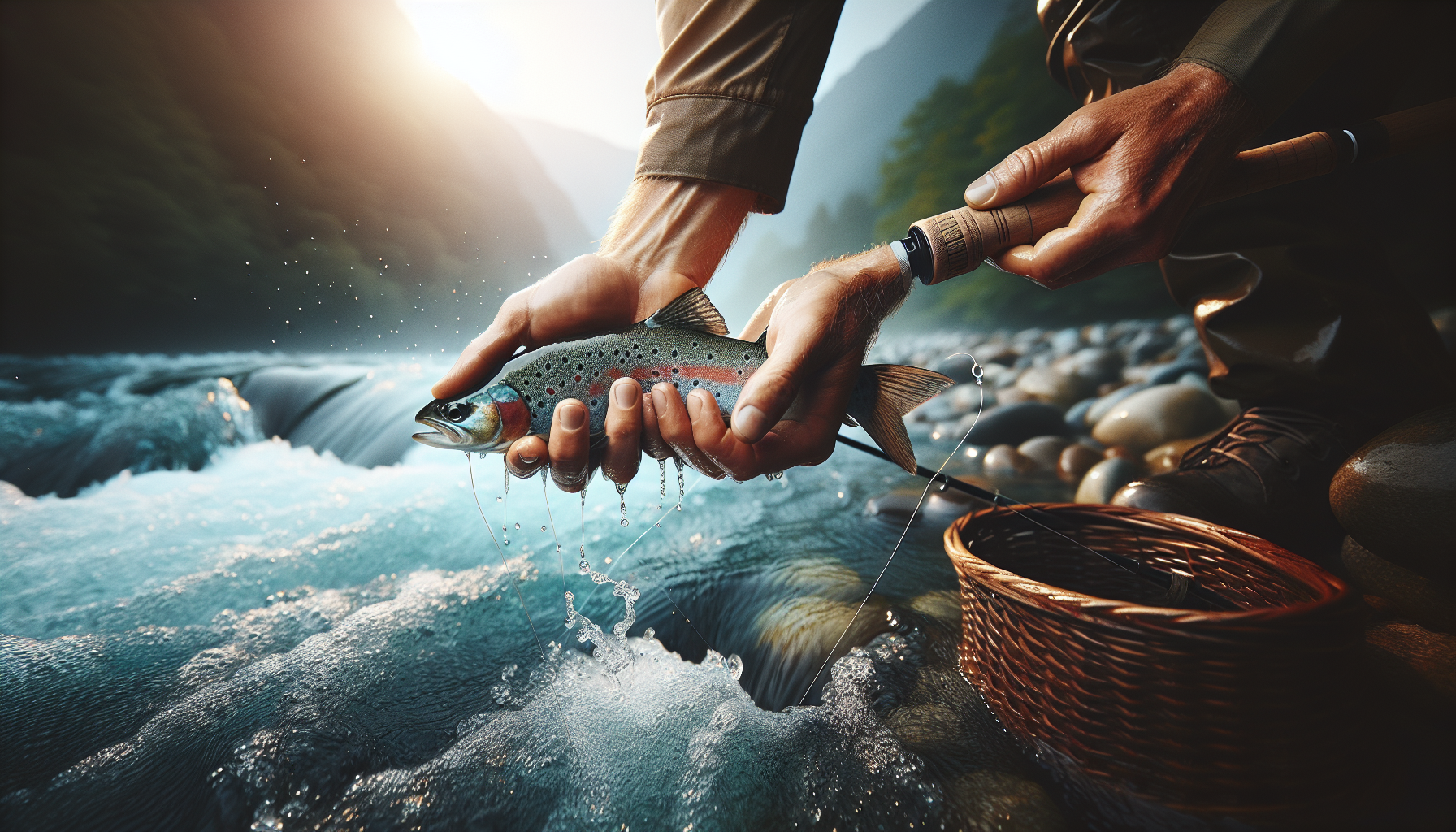
Sustainable fly fishing begins with behavior on the water. Fish during cooler hours in summer, carry a thermometer, and stop when temperatures are unsafe for the species you target. Land fish quickly with tackle matched to conditions, keep them in the water during release, and avoid repeated hero shots. Wet your hands before touching fish, use rubberized nets, and skip fishing over visible spawning redds. Wading restraint matters too. Repeated foot traffic can crush eggs, disturb juvenile fish, erode banks, and damage aquatic plants that stabilize channels and shelter forage. On spring creeks and meadow streams, a few careless entry points can create season-long erosion scars.
Gear care is part of water conservation because invasive species and pathogens move with anglers. Clean, drain, and dry boots, nets, boats, and waders between waters. Many agencies recommend hot water disinfection or specific drying intervals for threats such as didymo, New Zealand mudsnails, and whirling disease vectors. Product choices also matter. Lead alternatives reduce toxic loss in the environment, durable gear reduces replacement waste, and barbless hooks shorten handling time. Travel choices matter as well. Carpooling to access points, supporting guides who practice low-impact ethics, and choosing local destinations when conditions are fragile all reduce pressure. Sustainable practices are cumulative. No single habit saves a river, but a culture of disciplined angling materially lowers stress on fisheries.
| Practice | Why It Matters | Better Choice |
|---|---|---|
| Fishing hot afternoons | Higher water temperature increases post-release mortality | Fish dawn to late morning and stop early |
| Wading through spawning areas | Eggs can be crushed and gravel disturbed | Avoid redds and use established crossings |
| Moving between rivers with wet gear | Spreads invasive species and pathogens | Clean, drain, and dry equipment thoroughly |
| Extended fish handling for photos | Raises stress and reduces survival | Use quick in-water releases and brief photography |
Watershed Threats: Drought, Development, and Overuse
The largest threats to fishable water often begin far from the reach where you cast. Drought reduces snowpack, shrinks reservoir carryover, and lowers groundwater contributions to late-season base flow. Development replaces absorbent soil with hard surfaces, accelerating runoff and reducing infiltration. Water withdrawals for agriculture, lawns, industry, and growing communities can dewater tributaries, flatten seasonal flow patterns, and heat remaining water. Channelization, levees, and road crossings disconnect floodplains that once stored and slowly released water back to streams. Climate pressure intensifies all of these problems by amplifying heat, shifting precipitation, and creating more extreme hydrologic swings.
Anglers often ask whether one issue matters most. In most watersheds, the answer is cumulative impact. A river can survive a hot spell, or moderate diversion, or localized bank damage. Combine all three with wildfire sediment, invasive plants, and heavy recreation, and resilience disappears. That is why sustainable practices must be paired with watershed-scale solutions. Conservation easements, irrigation modernization, municipal efficiency standards, beaver-compatible restoration, forest management, and floodplain reconnection all support fisheries indirectly but powerfully. The best fly fishing towns increasingly understand this link. Communities that protect source water and riparian corridors protect guide businesses, lodging, access sites, and the local economies built around healthy rivers.
Habitat Restoration and Smart Water Management
Effective water conservation in fly fishing depends on restoration that respects natural process rather than forcing rivers into static shapes. Riparian planting cools water through shade, stabilizes banks, and contributes woody debris that forms pools and cover. Reconnecting side channels expands juvenile habitat and provides refuge during floods and heat. Replacing undersized culverts improves fish passage. In incised streams, floodplain reconnection lets high flows spread, slow down, deposit sediment where it belongs, and recharge groundwater. Beaver-based restoration and low-tech process-based structures have gained support in appropriate watersheds because they can raise water tables, store water longer into summer, and create complex habitat without large concrete interventions.
Smart water management also includes human systems. Drip irrigation, canal lining where appropriate, measurement-based diversion management, municipal leak detection, xeriscaping, and tiered pricing reduce unnecessary withdrawals. Anglers sometimes dismiss these as policy issues outside the sport, but they directly influence river temperatures and seasonal fish survival. Western water law, minimum instream flow programs, and watershed compacts may sound technical, yet they determine whether a reach remains connected in August. Organizations such as Trout Unlimited, state fish and wildlife agencies, watershed councils, and land trusts often provide the bridge between science and action. Supporting these groups through membership, volunteer labor, and informed public comment is one of the most practical sustainable practices available to fly fishers.
What Responsible Anglers, Guides, and Clubs Can Do Next
Water conservation works best when it becomes a routine part of fly fishing culture rather than a seasonal reaction to crisis. Individual anglers can monitor stream temperatures, respect closures, report pollution, pack out monofilament and trash, and share river etiquette with newer fishers. Guides can rotate beats, shorten photo sessions, avoid overplaying fish, and educate clients about temperature thresholds, redd identification, and invasive species protocols. Clubs can organize river cleanups, sponsor native plant projects, invite hydrologists and biologists to speak, and advocate for access plans that protect banks and wetlands instead of simply maximizing use.
This subtopic hub on sustainable practices should lead readers toward deeper action: low-impact gear choices, ethical fish handling, invasive species prevention, habitat restoration, watershed policy, and community stewardship all connect back to water conservation. The central lesson is simple. Fly fishing is only as durable as the water system beneath it. Protect flow, protect quality, and the insects, fish, and traditions that define the sport have a chance to persist through drought, growth, and changing climate. Start with the next trip: carry a thermometer, clean your gear, avoid stressed fish, support a local watershed project, and treat every cast as part of a larger responsibility.
Frequently Asked Questions
Why is water conservation so important in fly fishing?
Water conservation matters in fly fishing because fish populations only thrive when rivers, creeks, lakes, wetlands, and estuaries have enough clean, cold water at the right times of year. Trout, salmon, char, and many other species depend on stable flows for migration, spawning, feeding, and refuge from heat and predators. When water levels drop too low, water temperatures often rise, oxygen levels can fall, and fish become more vulnerable to disease, stress, and mortality. That means water conservation is not just a broad environmental ideal; it directly affects the health of fisheries and the quality of the angling experience.
For fly anglers, healthy water systems also support the aquatic insects, forage fish, riparian vegetation, and stream structure that make productive fisheries possible. Conserving water helps preserve groundwater recharge, maintain seasonal flow timing, reduce pressure during drought, and protect side channels, wetlands, and cold-water refuges. In short, when anglers support water conservation, they are helping sustain the habitats and ecological processes that keep fisheries resilient over time.
How does low water affect fish and aquatic ecosystems?
Low water can change an entire fishery quickly. As streamflows shrink, fish are often forced into smaller holding areas where they face higher temperatures, lower dissolved oxygen, and greater competition for food and cover. In cold-water fisheries, even a modest increase in temperature can cause serious stress, especially during summer heat or prolonged drought. Spawning habitat may be dewatered, juvenile rearing areas can disappear, and migration routes may become too shallow for fish to move effectively between feeding, spawning, and refuge areas.
Aquatic ecosystems also suffer beyond the fish themselves. Insect life cycles can be disrupted when riffles dry, water quality can decline as pollutants become more concentrated, and riparian plants may weaken when natural moisture patterns are altered. Wetlands and side channels that buffer flood events and provide nursery habitat may lose function. Over time, repeated low-flow conditions can reduce biodiversity and make fisheries less resilient. That is why protecting flow quantity and timing is one of the most practical and important forms of conservation in fly fishing.
What does water conservation actually include beyond simply using less water?
In the context of fly fishing and fisheries stewardship, water conservation is much broader than turning off a tap or reducing household use, though those actions still matter. It includes protecting how much water remains in a system, when that water moves through the landscape, how clean it is, and whether connected habitats such as floodplains, wetlands, and riparian corridors remain functional. Healthy fisheries depend on natural flow patterns, reliable groundwater inputs, shaded banks, intact streamside vegetation, and clean tributaries that deliver cold water throughout the year.
It also involves supporting land and water management practices that reduce erosion, improve infiltration, recharge aquifers, and keep more water in the landscape for longer periods. Examples include restoring streambanks, protecting springs and headwaters, preventing pollution runoff, reconnecting floodplains, and improving irrigation efficiency in agricultural areas. For anglers, understanding water conservation this way is important because it reveals that fisheries health depends on an entire watershed, not just the stretch of river being fished that day.
What can fly anglers do to support water conservation?
Fly anglers can make a meaningful difference by combining on-the-water ethics with broader conservation involvement. On the water, that means respecting low-flow closures, avoiding fishing during extreme heat, minimizing fish handling stress, and seeking out current river conditions before heading out. Anglers can also support habitat projects, volunteer for stream restoration work, donate to watershed groups, and advocate for science-based water management that protects in-stream flows and fish habitat during critical seasons.
Beyond fishing hours, anglers can conserve water at home, support local policies that protect rivers and groundwater, and learn where their fisheries get their water in the first place. In many regions, the future of fly fishing depends on decisions about irrigation, development, dam operations, wetland protection, and land use. When anglers speak up for healthy flows, clean water, and resilient watersheds, they help protect not only fish but also the long-term future of the sport.
How does water conservation help fisheries stay resilient during drought and climate stress?
Water conservation improves resilience by helping aquatic systems retain the conditions fish need during periods of heat, drought, and heavy human demand. When groundwater recharge areas are protected, wetlands remain intact, and streamside vegetation is healthy, watersheds are better able to store water and release it slowly over time. That can help sustain cooler summer baseflows, preserve refuge habitat, and reduce the severity of low-water events. In practical terms, a conserved watershed is often better prepared to absorb climate pressure than one that has been overdrawn, channelized, or heavily degraded.
For fisheries, that resilience shows up in several ways: more stable temperatures, improved water quality, stronger spawning and rearing habitat, and better connectivity between critical seasonal habitats. Conservation cannot eliminate drought or warming trends, but it can reduce the damage they cause. That is why water conservation is increasingly viewed as one of the most important long-term strategies for protecting fly fishing opportunities. It helps fisheries remain productive, adaptable, and ecologically functional even as environmental conditions become more unpredictable.