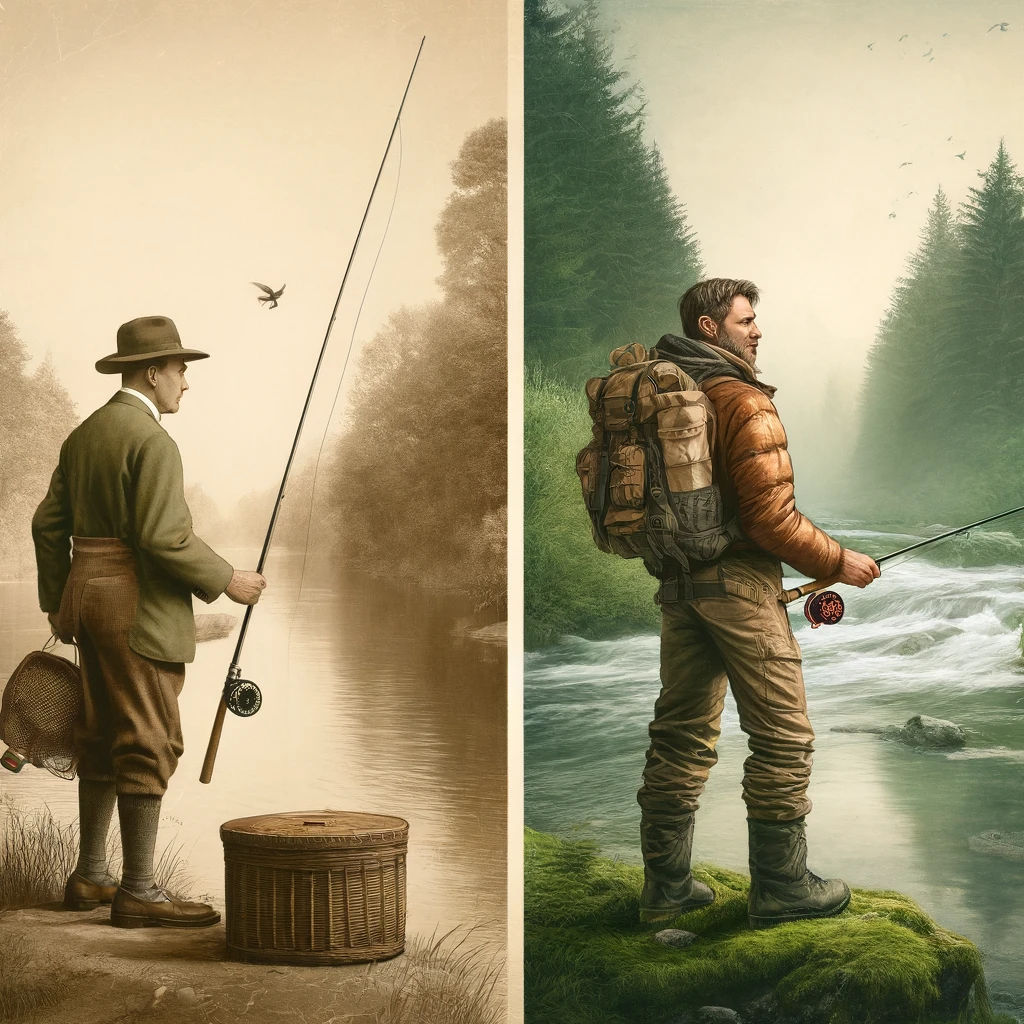
Fly fishing is an enigmatic blend of art, science, and strategy. For many seasoned anglers, it’s far more than just a pastime; it’s an obsession, a connection to nature, and a test of skill and patience. Perhaps you’ve found yourself enchanted by the idea of casting graceful lines over crystal-clear water under the expansive blue sky. If so, you’re in the right place. Welcome to a thorough dive into the basics of fly fishing, tailored specifically for those bright, clear days when the conditions demand a special set of tactics.
Introduction
Fly fishing on days with clear blue skies offers a unique set of challenges and opportunities for anglers. These idyllic conditions, while picturesque, necessitate adjustments in tactics, equipment, and approach to ensure a successful outing. The transparency of the sky often means increased visibility both for the angler and the fish, which can result in spookier fish and a more cautious approach.
Many anglers relish the opportunity that clear blue skies provide, as they can make for some of the most rewarding days on the water. The clarity of the water and the heightened activity of both insects and fish become a dance that, when mastered, leads to bountiful catches. Whether you’re a seasoned pro or just starting, this guide will navigate you through the maze of seasonal considerations, tackle selection, reading the water, and adopting the right mindset for a successful fly fishing experience on those beautiful blue sky days.
So, grab your gear, tie on your favorite fly, and let’s plunge into the intricacies of fly fishing basics specifically for those magic days when the sky is clear and blue.
Understanding Seasonal Influences
Seasonality plays a significant role in fly fishing, affecting everything from insect hatches to fish behavior. In the spring, for example, increasing water temperatures stimulate the growth of aquatic insects, leading to prolific hatches. This is a prime time to fish as trout and other species actively feed on the surface.
In contrast, summer’s warm temperatures can lead to lower water levels and higher water temperatures, which may cause fish to seek deeper, cooler waters. During these months, dry flies and terrestrial patterns can be particularly effective, especially in the early morning or late evening when temperatures are cooler, and fish are more active.
Fall is another excellent season for fly fishing, marked by cooler temperatures and lower light levels. Fish are often more aggressive in their feeding as they prepare for the barren months of winter. This season often brings about stellar fishing opportunities, particularly for larger, more mature fish.
In winter, fly fishing can be more challenging due to colder water temperatures and reduced insect activity. However, nymphs and streamers can be effective, and anglers willing to brave the cold can find success, particularly during midday when the water may warm slightly.
Choosing the Right Gear
When fly fishing under clear blue skies, the choice of gear becomes particularly crucial. The bright, unclouded light can make both fish and their environment more visible, but it can also make the angler more visible to the fish. This situation necessitates specialized equipment and thoughtful choices in your presentation.
A lightweight rod, typically between 3-5 weight, is often preferred for its subtlety and accuracy, essential for fishing in clear conditions. Paired with a high-quality floating line, this setup allows for delicate presentations that won’t spook wary fish.
Your choice of tippet and leader also becomes crucial under clear skies. Opt for lighter, longer leaders (9-12 feet) to enhance stealth. Fluorocarbon tippets are a good choice due to their near-invisibility underwater.
Fly selection on clear days leans heavily towards realistic patterns. Dry flies that mimic the local insect population will often yield the best results, as will nymphs and streamers that realistically imitate the behavior and appearance of aquatic life in the area.

Reading the Water
Clear blue skies can make it easier to read the water, as you can better see the variations in depth, structure, and even fish activity. This advantage, however, also requires you to be more cautious and observant. Look for subtle rises, feeding fish, and shadow lines that indicate depth changes and potential holding areas for fish.
Pay attention to water flows and currents, as fish will often position themselves in areas where food is likely to drift by. Under bright conditions, fish are more likely to be found in deeper pools, under overhanging trees, or near structures that provide some cover from the direct light.
Natural features like riffles just upstream of deeper pools, seams between fast and slow currents, and areas with aquatic vegetation are prime spots to focus on. These environments offer both food and protection for fish, making them likely holding areas.
By understanding and interpreting these water features, you can pinpoint where fish are likely to be holding and feeding, allowing for more strategic casts and ultimately, more success.
Presentation Techniques
Successful fly fishing in clear conditions demands precise presentation techniques. Here, finesse and subtlety are your best allies. Accurate, delicate casts that land softly on the water are crucial to avoid spooking fish.
A reach cast or slack line cast can be effective for avoiding drag and presenting the fly naturally. These techniques allow the fly to drift as naturally as possible, mimicking the movement of real insects and enticing wary fish to strike.
Focus on using long, light leaders and tippets to aid in delicate presentations. Casting upstream or across stream allows the fly to drift down naturally, making it appear more realistic to feeding fish below.
Matching your fly to the natural insects on the water is critical. Pay close attention to the size, color, and type of insects hatching in the area and select your flies accordingly. A well-matched fly presented delicately can be the difference between a productive day and a frustrating one.
Mental Approach and Patience
Fly fishing is as much a mental game as it is a physical one, and this rings particularly true on clear blue sky days. The high visibility can make fish more wary and selective in their feeding, requiring extra patience and perseverance from the angler.
Keep a positive mindset, and be prepared for more rejections and missed opportunities on clear days. Remember that even experienced anglers face challenges in these conditions. Stay patient, observant, and adaptable.
Taking breaks to observe the environment, adjust your approach, or change flies can be beneficial. Fly fishing requires a blend of mindfulness and adaptability; being present in the moment and responding to subtle changes in conditions can significantly enhance your success.
Also, remember to enjoy the experience. Fly fishing offers a rare opportunity to immerse yourself in nature, appreciate the beauty of your surroundings, and engage in a timeless tradition. Success isn’t always measured by the number of fish caught but by the enjoyment and relaxation that the sport provides.
Conclusion
Fly fishing under clear blue skies offers a distinctive blend of challenges and rewards. By understanding the seasonal influences, choosing the right gear, effectively reading the water, mastering presentation techniques, and maintaining a patient mindset, you can significantly increase your chances of success.
The clear skies and bright conditions that characterize these days require a thoughtful and strategic approach. Fish become more wary, and subtle adjustments in your tactics can make a significant difference in your fishing success.
Remember, fly fishing is a journey of constant learning and adaptation. Embrace the challenges, relish the process, and celebrate the small victories along the way. Clear blue skies may demand more from the angler, but they also offer some of the most rewarding and picturesque fishing experiences available.
Whether you’re standing knee-deep in a river, casting from a boat, or exploring a backcountry stream, the principles outlined in this guide will help you navigate the intricacies of fly fishing. So, next time you find yourself under a clear blue sky, use these strategies to turn those perfect days into memorable fishing adventures.