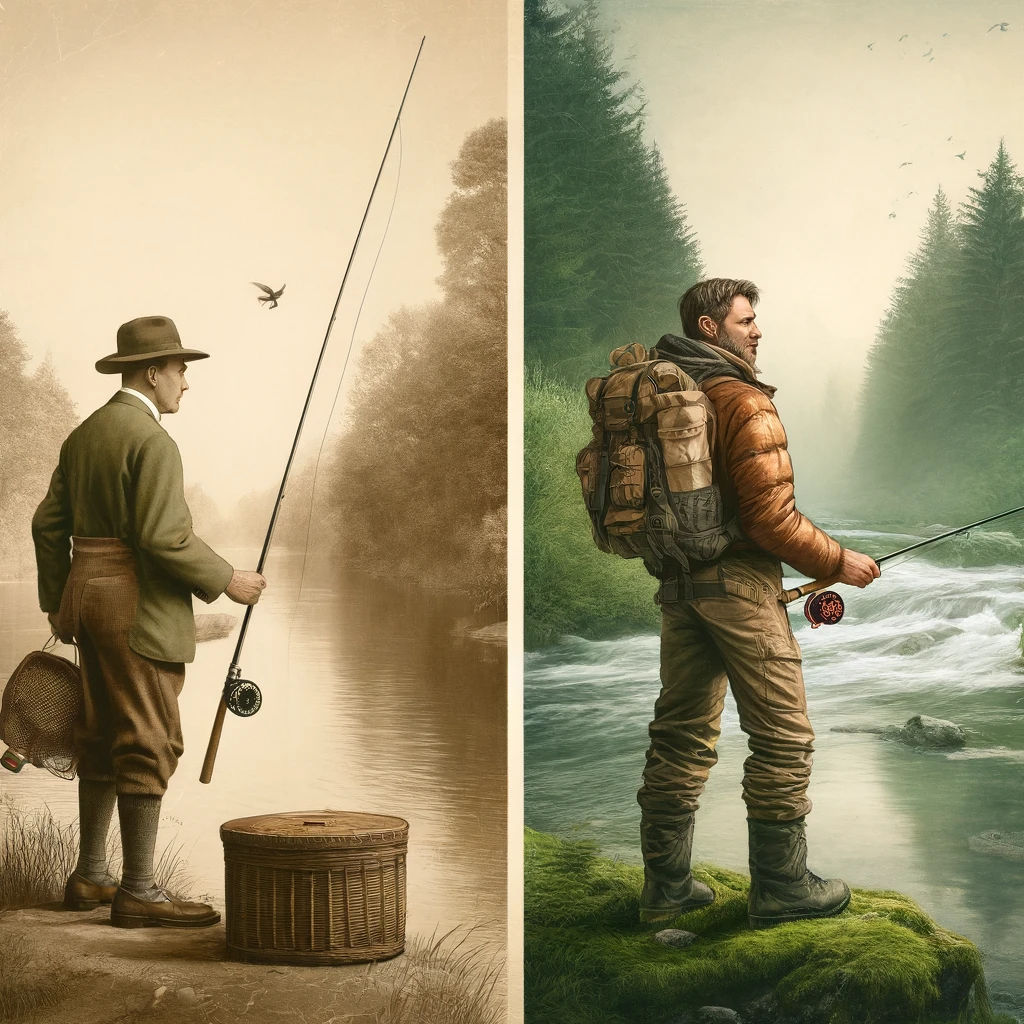
Fly fishing for salmon is a thrilling and challenging pursuit that captivates anglers of all skill levels. The sport combines a love for the great outdoors with the technical aspects of casting and lure selection, making it a highly engaging activity. One of the most important aspects of successful salmon fishing is understanding the seasonal behaviors and migratory patterns of these magnificent fish. Unlike other species, salmon undertake incredible journeys from their freshwater birthplace to the ocean and back again, creating opportunities and challenges for fly fishermen.
Seasonal strategies can make a significant difference in your success rate when fly fishing for salmon. Different times of the year call for various techniques, fly patterns, and even gear adjustments. This article will delve into seasonal strategies, providing tips and insights on how to maximize your chances of landing these prized fish. Whether you’re a novice looking to get started or an experienced angler seeking to refine your approach, understanding the seasonal behaviors of salmon is crucial.
We’ll cover everything from spring pre-spawn tactics and summer feeding patterns to fall migrations and winter holding strategies. Each season presents its unique set of challenges and opportunities, requiring anglers to adapt their approach. Additionally, we’ll highlight some of the best flies for each season and the type of gear you might need to elevate your fly fishing game.
So, grab your fly rod, put on your waders, and get ready to dive into the world of seasonal salmon fly fishing strategies. Your next big catch might be just around the bend of the river.
Spring Strategies: Pre-Spawn Preparations
Spring is a time of renewal and anticipation in the world of fly fishing for salmon. As the ice melts and rivers begin to flow more freely, salmon start to make their journey back to freshwater systems. This pre-spawn period is a prime time for anglers to target salmon with fly rods. The fish are often more aggressive as they prepare for the arduous journey upstream to spawn, making them more likely to strike at well-presented flies.
During the spring, water temperatures are still relatively cold, which affects salmon behavior. They tend to stay in deeper pools where the water is slightly warmer, making it essential for anglers to focus their efforts on these areas. Streamers and wet flies that imitate baitfish can be particularly effective during this time. Popular patterns include the Black Ghost, Woolly Bugger, and Egg-Sucking Leech.
Gear adjustments are also crucial in the spring. Using a sinking line or sink-tip line can help you reach the deeper pools where salmon are holding. A 7 to 9-weight rod is typically suitable for handling the strong runs and head-shakes of spring salmon. Additionally, paying attention to river conditions, such as water flow and clarity, can significantly influence your success. High water levels may require heavier weights or larger flies to reach the desired depth and keep your fly in the strike zone longer.
In summary, pre-spawn preparations in spring involve targeting deeper pools, using imitative fly patterns, and adjusting your gear to match the conditions. By understanding these nuances, you can increase your chances of successfully landing a spring salmon.
Summer Strategies: Feeding Frenzies
Summer brings a shift in salmon behavior as they focus more on feeding. The warmer water temperatures and increased insect activity provide ample opportunities for salmon to fill up before their fall migration. This season is characterized by faster, more aggressive strikes and a wider range of fly patterns that can be effective.
During the summer months, salmon are often found in faster-moving sections of the river, taking advantage of the oxygen-rich water. Dry flies, nymphs, and streamers can all be successful during this time. Patterns such as the Blue Wing Olive, Elk Hair Caddis, and Muddler Minnow are popular choices that mimic the abundant insect life.
Matching the hatch becomes particularly important in the summer. Observing the types of insects present on the water can provide valuable clues about which flies to use. Caddis flies, mayflies, and stoneflies are just a few examples of common summer insects that should be part of your fly selection.
Gear-wise, a floating line is generally sufficient for summer fly fishing, as salmon are likely to be feeding near the surface or in mid-water columns. A 6 to 8-weight rod is typically adequate for handling summer salmon. Polarized sunglasses are also a valuable tool for spotting salmon in faster water, enabling you to present your fly more accurately.
In essence, summer fly fishing for salmon involves adapting to their feeding behaviors by using a variety of fly patterns and focusing on faster, oxygen-rich waters. By honing these strategies, you can take full advantage of the summer feeding frenzy.

Fall Strategies: Migration and Spawning
Fall is arguably the most exciting time for fly fishing for salmon, as this season marks the peak of their migration and spawning activities. Salmon are highly motivated to make it upstream to their spawning grounds, which often makes them more willing to strike at flies. However, the increased activity also means that fishing pressure can be higher, requiring more nuanced strategies.
The most significant change in fall salmon fishing is the fish’s increased aggression as they prepare to spawn. Brightly colored flies such as the Egg Fly, Glo Bug, and Thunderbird can trigger aggressive strikes. These patterns are designed to mimic eggs and other food sources that attract spawning salmon.
In fall, focusing on shallower waters and riffles where salmon are more likely to be found is essential. These areas provide the perfect conditions for salmon to spawn and can be hotspots for anglers. Additionally, considering the time of day can be beneficial. Early mornings and late evenings often provide the best opportunities as salmon are more active during these cooler periods.
Gear adjustments for fall include using heavier tippets to handle the strong, aggressive runs of spawning salmon. A 7 to 9-weight rod is recommended for casting larger flies and fighting strong fish. Additionally, a floating line with a split-shot or a short sink-tip can help keep your fly in the strike zone.
Ultimately, fall strategies for salmon fly fishing involve capitalizing on their aggressive behavior and focusing on spawning areas. By employing brightly colored flies and robust gear, you can make the most of this exciting season.
Winter Strategies: Holding Patterns
Winter fly fishing for salmon presents unique challenges and rewards. As water temperatures drop, salmon enter a more lethargic state and move into deeper, slower-moving pools. These holding patterns require a different approach compared to other seasons.
Winter salmon are less likely to chase a fly aggressively, making it crucial to fish slowly and deliberately. Streamers and nymphs that imitate smaller prey are often effective. Patterns such as the Zonker, Stonefly Nymph, and Bunny Leech can entice lethargic salmon into striking. Using a slow, steady retrieve can increase your chances of success.
Winter fly fishing also necessitates significant gear adjustments. A sinking line or sink-tip line is essential for reaching the deeper pools where salmon are holding. Additionally, using a longer leader can help present your fly more naturally in slower currents. A 7 to 9-weight rod remains a good choice for handling the powerful runs of winter salmon.
Attention to weather conditions is particularly important in winter. Cold fronts and sudden changes in temperature can significantly affect salmon behavior. Dressing in layers and using hand warmers can help you stay comfortable during long hours on the water, ensuring that you can maintain focus and patience.
In summary, winter strategies for fly fishing for salmon involve targeting deeper pools, using slow and deliberate retrieves, and making appropriate gear adjustments. By understanding these seasonal patterns, you can increase your chances of a successful winter catch.
Best Flies for Each Season
Choosing the right fly can make all the difference when fly fishing for salmon. Different seasons call for different patterns, and having a versatile fly box can enhance your success rates. Here are some recommended flies for each season:
- Spring: Black Ghost, Woolly Bugger, Egg-Sucking Leech
- Summer: Blue Wing Olive, Elk Hair Caddis, Muddler Minnow
- Fall: Egg Fly, Glo Bug, Thunderbird
- Winter: Zonker, Stonefly Nymph, Bunny Leech
These patterns have been proven to work well for salmon and can be customized in terms of size and color to match local conditions.
Conclusion
Fly fishing for salmon is a rewarding and dynamic pursuit that requires an understanding of seasonal behaviors and strategies. By adapting your approach to the changing conditions of each season, you can enhance your chances of success and enjoy the thrill of catching these magnificent fish. From pre-spawn preparations in spring and summer feeding patterns to fall migrations and winter holding strategies, each season offers unique challenges and opportunities.
Investing time in learning about the habits and preferences of salmon can greatly improve your fly fishing skills. Observing the environment, selecting the right flies, and making necessary gear adjustments are all essential components of a successful fishing trip. Whether you’re a seasoned angler or a newcomer to the sport, there’s always something new to learn and experience in the world of fly fishing for salmon.
So, the next time you head out to the river, remember these seasonal strategies and tips. With patience, practice, and a deep appreciation for the natural world, you’ll be well on your way to landing that trophy salmon and creating unforgettable fishing memories.