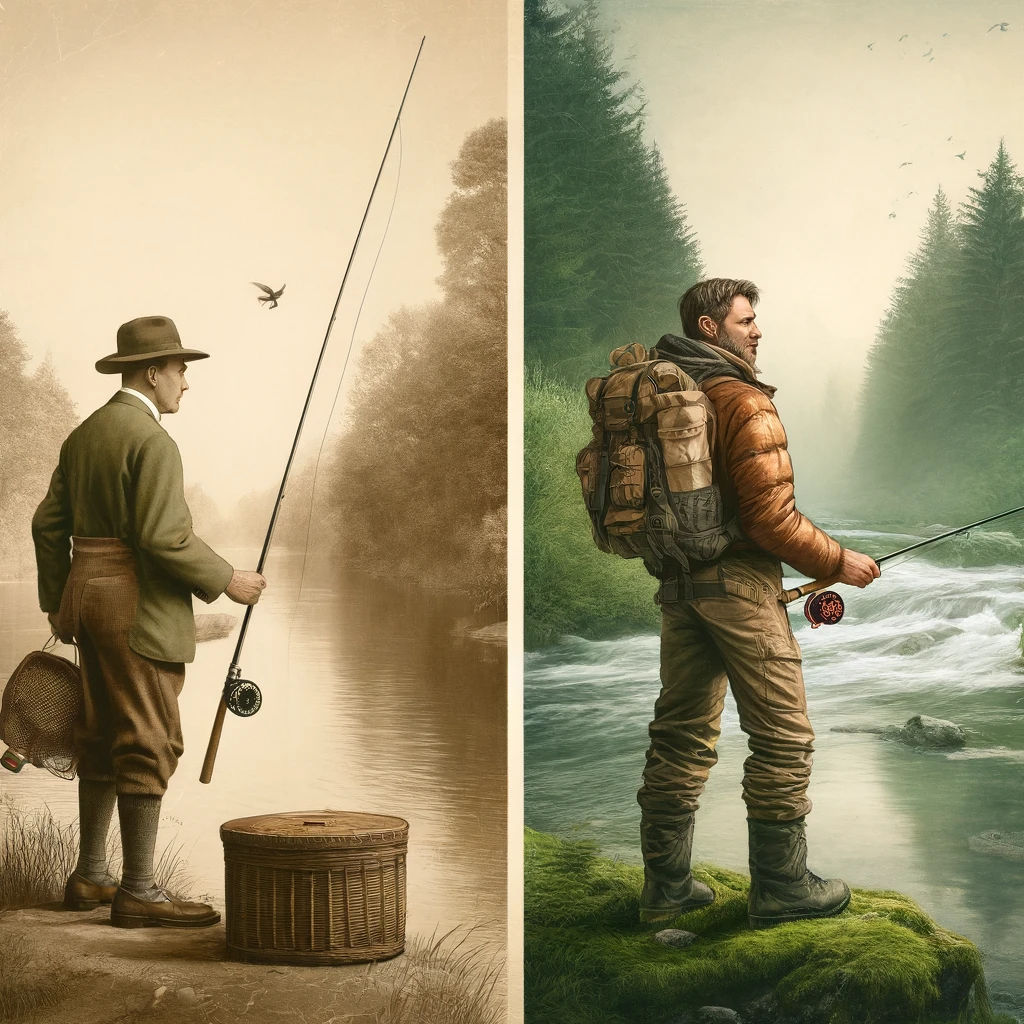
Fly fishing is an art form as much as it is a sport, and the techniques available for casting can greatly affect your success on the waters. Understanding the differences between single-handed and double-handed casting is a fundamental skill that every fly angler should possess. This comprehensive guide aims to break down the distinctions, advantages, and best practices of both techniques, allowing you to make an informed decision about which method suits you best. Whether you are targeting trout in small streams or chasing salmon in larger rivers, knowing how to effectively use both single-handed and double-handed fly rods can help you adapt to various fishing situations.
Understanding Single-Handed Casting
Single-handed casting is often the starting point for many fly fishers. This technique involves using a fly rod that is typically between 8 and 10 feet in length, and the fly line is cast using one hand. Single-handed rods are ideal for situations where precision and delicacy are required, such as fishing in small to medium-sized rivers or when you need to make short, accurate casts.
Here are some key elements to mastering single-handed casting:
- Basic Casts: The roll cast and overhead cast are fundamental techniques. Start with the roll cast, which is useful in tight spaces, before progressing to the overhead cast for longer distances.
- Line Control: Maintaining control over your fly line is essential. Practice retrieving and managing slack to improve your accuracy.
- Timing and Rhythm: The timing of your backcast and forward cast is critical. Aim to create a smooth, rhythmic motion to avoid spooking fish.
With practice, single-handed casting becomes second nature, allowing you to fish with precision and confidence. However, as you gain more experience, you might encounter situations where a double-handed rod becomes advantageous.
Exploring Double-Handed Casting
Double-handed casting, also known as Spey casting, caters to a different set of fishing scenarios. These rods are generally longer, ranging from 12 to 15 feet, and are used with both hands to execute the cast. Double-handed rods are particularly effective in larger rivers and coastal environments where distance and power are necessary.
The primary features of double-handed casting include:
- Longer Distances: Double-handed rods enable you to cast further, making them ideal for covering more water and reaching distant fish.
- Minimizing Backcast Space: The Spey cast allows you to cast with minimal backcast room, which is useful in areas with overhanging vegetation or steep banks.
- Less Fatigue: Using both hands distributes the effort, reducing fatigue during long fishing sessions and allowing for smoother, more controlled casts.
Double-handed casting opens up new fishing opportunities and can be particularly advantageous when targeting larger fish species in expansive waters. However, it also comes with a unique set of challenges that require practice and dedication to master.

Choosing the Right Gear
Choosing the right gear is an essential step in mastering both single-handed and double-handed casting techniques. Your choice of rod, reel, and line will significantly impact your casting performance and overall fishing experience.
For single-handed rods, consider the following:
- Rod Length: A rod between 8 and 10 feet is ideal for freshwater fishing in rivers and streams.
- Line Weight: Match the line weight to the size of the fish you are targeting. A 4 to 6-weight line is typically suitable for trout, while heavier lines are needed for larger species.
- Reel Selection: Ensure your reel has a smooth drag system and ample line capacity to handle the fish you intend to catch.
For double-handed rods, keep the following in mind:
- Rod Length: Choose a rod between 12 and 15 feet for better casting distance and control.
- Line Type: Skagit and Scandi lines are popular choices. Skagit lines are ideal for casting heavy flies and sinking tips, while Scandi lines are better for lighter flies and longer casts.
- Reel Requirements: A large-arbor reel with a strong drag system is essential for managing larger fish species and the additional line length.
Selecting the appropriate gear tailored to your fishing environment and target species can greatly enhance your casting efficiency and overall fishing success.
Advanced Casting Techniques
Once you have mastered the basics of single-handed and double-handed casting, you can move on to more advanced techniques to improve your fishing skills further. These techniques require practice but can greatly enhance your ability to adapt to different fishing conditions.
Advanced single-handed techniques include:
- Double Haul Cast: This technique increases line speed and casting distance by using a quick, forceful pull on the line during both the backcast and forward cast.
- Reach Cast: By extending your rod arm to the side during the cast, you can position the line upstream of the fly, allowing for a more natural drift in fast current.
- Curve Cast: Creating intentional bends in your line can help you avoid obstacles and present your fly in tricky situations.
Advanced double-handed techniques include:
- Snake Roll Cast: This dynamic cast allows you to reposition your line and make a forward cast in one smooth motion, ideal for changing the direction of your cast.
- Snap-T Cast: A quick snap of the rod tip followed by a roll cast helps you quickly reposition your line and make long casts with minimal effort.
- Circle Cast: This technique combines elements of the Snap-T and Spey casts to create a versatile and powerful cast that is effective in various fishing situations.
Practicing these advanced techniques will increase your versatility as an angler and enable you to adapt to a wide range of fishing scenarios.
Common Mistakes and How to Avoid Them
Even experienced anglers can make mistakes when it comes to casting. Being aware of these common pitfalls can help you avoid them and become a more proficient caster.
Common single-handed casting mistakes:
- Overpowering the Cast: Using too much force can result in a sloppy cast. Focus on smooth, controlled movements.
- Poor Timing: Rushing your backcast or forward cast can cause the line to collapse. Practice your timing to develop a fluid motion.
- Incorrect Wrist Movement: Over-flexing your wrist can lead to inaccurate casts. Use your entire arm for a more consistent cast.
Common double-handed casting mistakes:
- Inadequate Anchor Placement: Failing to place your anchor correctly can reduce casting efficiency. Ensure your line anchor is properly set before executing the cast.
- Strained Grip: Gripping the rod too tightly can lead to fatigue and reduced control. Maintain a relaxed, firm grip for better casting performance.
- Poor Line Management: Allowing your line to tangle or slack can disrupt your cast. Keep your line organized and free of tangles for smoother casts.
By being mindful of these common mistakes and practicing corrective techniques, you can enhance your casting skills and enjoy a more successful fishing experience.
Conclusion
Understanding the differences between single-handed and double-handed casting is vital for any angler looking to improve their fly fishing skills. Both techniques offer unique advantages and are suited to different fishing scenarios. By mastering the basics and advancing your skills, you can adapt to various fishing environments and target species with confidence.
Single-handed casting emphasizes precision and control, making it ideal for smaller waters and situations where delicate presentations are necessary. In contrast, double-handed casting excels in larger rivers and coastal areas, offering greater distance and power to cover more water and reach distant fish.
Regardless of which technique you choose, investing in the right gear, practicing advanced casting methods, and being aware of common mistakes will help you become a more proficient and versatile fly angler. The journey to mastering both single-handed and double-handed casting is rewarding and opens up a world of opportunities on the water.
So, grab your fly rod, head to your favorite fishing spot, and put these techniques into practice. Happy casting!