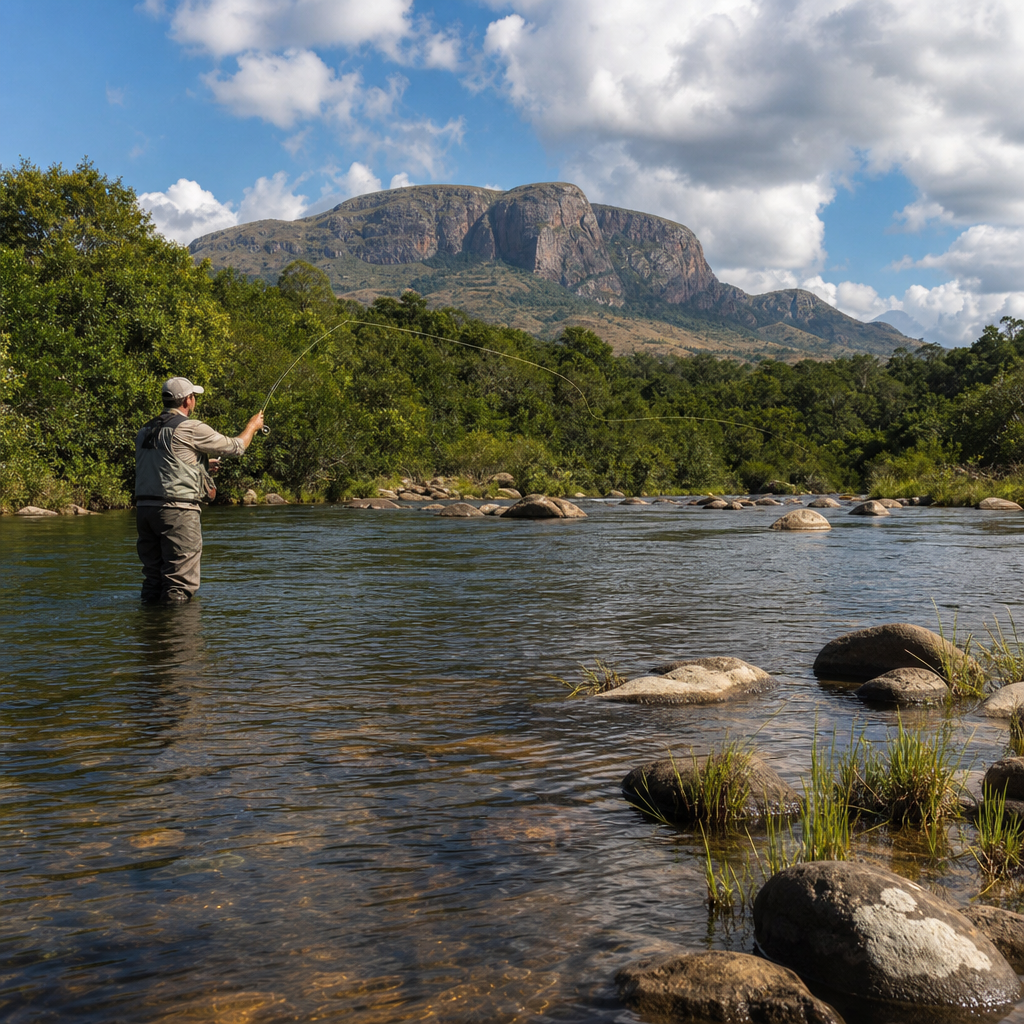
Fly fishing in Zimbabwe combines technical freshwater angling, dramatic African scenery, and access to species that challenge even experienced casters. As a hub within the broader Africa fly fishing destinations topic, Zimbabwe deserves close attention because it offers unusual variety: clear Eastern Highlands streams for trout, broad impoundments for tigerfish and bream, and sections of the mighty Zambezi system where current, structure, and seasonal water movement shape every presentation. When anglers talk about fly fishing in Africa, many jump straight to saltwater destinations or iconic tigerfish camps, but Zimbabwe adds depth through diversity, relative value, and a long angling tradition tied to national parks, private conservancies, and highland estates.
In practical terms, fly fishing in Zimbabwe means several distinct fisheries. Highland trout fishing centers on cooler waters at altitude, often above 1,500 meters, where rainbow trout and brown trout hold in runs, pools, and undercut banks much like they do in classic temperate streams. Warmwater fly fishing revolves around species such as tigerfish, tilapia, nembwe, and vundu, with tackle and technique changing quickly from delicate dry fly work to aggressive streamer retrieves and heavy leaders. Understanding these differences matters because success in Zimbabwe depends less on generic “African fly fishing” assumptions and more on matching location, season, and species precisely.
From my experience planning destination content and comparing African freshwater fisheries, Zimbabwe stands out for anglers who want a single country to anchor a wider regional itinerary. It connects naturally with neighboring waters in Zambia, Namibia, Botswana, and South Africa, making it an ideal hub page for anyone researching Africa fly fishing destinations in a structured way. The sections below explain the premier Zimbabwe fly fishing locations, what each fishery is best known for, when to go, what gear to pack, and how to approach local conditions so your trip is productive rather than guesswork.
Why Zimbabwe matters within Africa fly fishing destinations
Zimbabwe matters because it offers two destination categories that are rarely this strong in one country: true coldwater trout fishing and world-class tropical predator fishing. That combination is important for trip planning across Africa. South Africa is stronger for developed trout infrastructure, Zambia is better known globally for the Lower Zambezi tigerfish fishery, and Botswana dominates certain wildlife-linked safari narratives. Zimbabwe, however, sits in a useful middle ground, where anglers can pursue Eastern Highlands trout one week and target tigerfish on larger waters the next. For a sub-pillar hub on Africa, that breadth creates strong internal pathways to related destination research.
The country also benefits from recognizable anchor regions. Lake Kariba is one of Africa’s largest man-made lakes and a proven tigerfish venue. Mana Pools and the Middle Zambezi hold enormous appeal for anglers who want wilderness atmosphere with serious fly potential. Nyanga and the surrounding Eastern Highlands remain central to Zimbabwe trout fishing, with cool temperatures, pine plantations, montane grassland, and estate waters that differ sharply from lowland Africa. These are not interchangeable fisheries. They fish differently, demand different fly lines, and suit different skill levels.
Another reason Zimbabwe belongs near the top of any Africa fly fishing shortlist is seasonality. There is no single “best month” for every species. Trout improve in cooler highland periods, while tigerfish activity is tied to water temperature, bait presence, river level, and post-flood clarity. That staggered calendar means anglers can target favorable conditions somewhere in the country through much of the year. For travelers building a broader Africa itinerary, Zimbabwe can fill seasonal gaps when another destination is too windy, too hot, or too flooded.
Premier trout waters in the Eastern Highlands
If your image of Zimbabwe is all heat and big rivers, the Eastern Highlands will reset your expectations. Centered around Nyanga, Troutbeck, and nearby upland estates, this region supplies the country’s best-known trout fishing. Elevation moderates temperature, creating habitat suitable for rainbow trout and, in select waters, brown trout. Streams here are often intimate rather than huge, with pocket water, glides, grassy banks, and stocked dams that fish very differently from freestone rivers. The appeal lies in technical variety. One morning may call for a size 16 Adams or parachute dry along shaded seams; by afternoon, rising wind on a stillwater dam may favor a small Woolly Bugger, damsel nymph, or black lure retrieved on an intermediate line.
Nyanga National Park and the broader district have long been associated with Zimbabwe trout fishing, though access can depend on property rules, current management, and stocking practice. Troutbeck is a recognized name, historically tied to resort access and nearby streams. The Pungwe and upper tributary systems also feature in angling conversations, but conditions shift with rainfall and land management, so current local guidance matters. Compared with South African trout fisheries, Zimbabwe’s highland waters are generally less crowded and less standardized. That is a benefit for anglers who like exploratory fishing, but it also means you should verify access, fishable levels, and guide availability before arrival.
Presentation in these waters should be disciplined. Long leaders, careful wading, and drag-free drifts matter more than hero casting. A 4-weight or 5-weight rod covers most stream trout situations, while a 6-weight helps on dams in wind. Productive patterns often include Hare’s Ear nymphs, Pheasant Tails, Klinkhåmers, Elk Hair Caddis, small terrestrials, and leech-style streamers. In the highlands, weather changes quickly; mist, cold mornings, and afternoon showers can all affect hatches and visibility. Anglers who bring layered clothing and a flexible fly box generally fish better than those expecting one fixed pattern to work all day.
Tigerfish strongholds: Lake Kariba, the Zambezi, and connected waters
For many traveling anglers, tigerfish are the main reason to book Zimbabwe. Hydrocynus vittatus is famous for speed, teeth, explosive takes, and a refusal to forgive weak tackle. Zimbabwe offers several credible tigerfish zones, but Lake Kariba is the most recognizable starting point. Created by the damming of the Zambezi in the late 1950s, Kariba stretches for hundreds of kilometers and contains flooded timber, open basins, shoreline structure, and riverine sections that can all produce fish. From a fly perspective, the lake is not simply a matter of blind casting at random banks. The best tigerfish areas are driven by bait concentration, oxygen, current influence, drop-offs, and local knowledge of seasonal movement.
The Middle Zambezi, including waters associated with Mana Pools and downstream reaches, adds a different tigerfish experience. Current replaces stillwater drift logic, and fish hold around channels, edges, backwaters, and structure where prey is funneled. This is the kind of fishery where boat position, retrieve speed, and fly depth are everything. A cast that lands one meter off the current seam can be ignored; the next cast, crossing the feeding lane correctly, gets hit instantly. In my assessment, anglers who understand strip-set discipline and maintain constant contact with the fly adapt fastest here. Trout-style lifting of the rod costs fish.
Tigerfish tackle should not be underbuilt. An 8-weight is the lower end; many guides prefer a 9-weight for better control on larger fish and bulky flies. Floating, intermediate, and sink-tip lines all have a place depending on depth and flow. Leaders are typically short and strong, with abrasion resistance and a wire bite tippet essential because tigerfish teeth sever monofilament easily. Productive flies usually imitate baitfish: Clousers, Deceivers, Brush Flies, and flashy synthetic streamers in white, chartreuse, olive, and combinations with red or orange triggers. Fast strips often work, but “fast” is not one universal retrieve. Water temperature, visibility, and fish aggression should dictate pace.
| Location | Primary species | Best approach | Ideal tackle |
|---|---|---|---|
| Nyanga Eastern Highlands | Rainbow trout, brown trout | Dry-dropper, nymphing, small streamers | 4 to 6-weight, floating line |
| Lake Kariba | Tigerfish, bream | Baitfish streamers near structure and drop-offs | 8 to 9-weight, floating or intermediate line |
| Middle Zambezi and Mana Pools area | Tigerfish, vundu | Current seams, channels, sink-tips, aggressive strips | 8 to 10-weight, sink-tip with wire bite tippet |
| Smaller dams and impoundments | Tilapia, nembwe, bass in some waters | Sight fishing, small streamers, nymphs, poppers | 5 to 7-weight, floating line |
Secondary fisheries: bream, tilapia, vundu, and mixed warmwater opportunities
Zimbabwe is often marketed through trout and tigerfish, but that misses productive secondary fisheries that can save a trip when primary targets are moody. Kariba and many smaller impoundments hold bream, including species anglers often group broadly under tilapia or cichlid categories. On fly, these fish can be genuinely rewarding, especially when they are on beds or feeding in accessible margins. They are not a consolation prize. In clear conditions, sight fishing to bream with small nymphs, buggy patterns, or lightly weighted streamers requires accuracy and patience, and they fight well on 5-weight to 7-weight tackle.
Nembwe, a prized cichlid in parts of southern Africa, can also interest fly anglers when found around rocky structure or weed edges. Their behavior differs from tigerfish completely. Instead of chasing fast, flashy baitfish patterns in open water, they often respond to slower, more exact presentations. Small olive streamers, damsel nymphs, dragonfly imitations, and subtle retrieves can outfish loud patterns. In practical destination planning, this matters because a mixed-species session gives anglers more action during midday lulls or when river levels disrupt tigerfish feeding windows.
Vundu, Africa’s large catfish, are a specialist target rather than an all-day expectation, but they deserve mention because Zimbabwe’s big river systems can produce them. Fly tactics for vundu are niche and often involve heavy tackle, large flies, and a willingness to fish deep structure methodically. Success rates are lower than for tigerfish, yet the possibility expands Zimbabwe’s appeal for anglers who value species variety. Bass may also feature in selected impoundments, though they are not the core national fly draw. The broader lesson is simple: if you build your trip around the full fish community rather than one headline species, Zimbabwe becomes more resilient and more interesting.
When to go, what to pack, and how to fish Zimbabwe effectively
The best time for fly fishing in Zimbabwe depends on target species and region. For trout in the Eastern Highlands, cooler months and stable flows usually provide the most comfortable and reliable fishing, though stocked waters can produce outside classic windows. For tigerfish, many anglers favor periods when water clarity improves after rains and when bait congregates in predictable areas. Extremely high or heavily stained river conditions generally make fly presentation harder. On Kariba, wind direction, storm activity, and water temperature can alter fish location quickly. This is why local lodge reports and guide communication are more useful than generic calendar advice copied from old brochures.
Packing should reflect those contrasts. A trout-focused highlands trip needs breathable waders or at least wet-wading layers for cold mornings, polarized glasses, a rain shell, and standard river gear. A tigerfish trip requires durable sun clothing, stripping gloves if preferred, aggressive hook files, heavy pliers, jaw spreader awareness for safety, and spare leaders because teeth and structure destroy terminal tackle. Hooks must be chemically sharp and corrosion-resistant. Reels need smooth drags and enough backing because even medium tigerfish can accelerate hard in current.
Technique matters more in Zimbabwe than many visiting anglers expect. In trout water, drag control, stealth, and reading broken pocket water are decisive. In tigerfish water, the strip set is non-negotiable, and keeping the rod tip low during the take converts more fish. Guides often stress casting accuracy before distance, and they are right. A seventy-foot cast to empty water is inferior to a forty-foot cast that lands tight to timber, current seams, or bait schools. Hiring a knowledgeable local guide is usually the most efficient decision on a first trip, especially on Kariba or the Zambezi where safety, navigation, and fish location are inseparable.
Access, conservation, and planning a responsible Zimbabwe fly fishing trip
Access in Zimbabwe ranges from public national park contexts to private estates, lodges, clubs, and concession-style arrangements. That means anglers should confirm three things early: legal access, boat logistics, and current fishery management. Do not assume historic access points still operate exactly as older travel notes describe. Some waters depend on lodge partnership, some on club permission, and some on park regulation that affects bank fishing, launch points, or guide requirements. Because this page serves as an Africa hub, that planning lesson is transferable across the continent: permissions matter as much as tackle.
Responsible angling practices are especially important in multi-use African fisheries. Catch-and-release is standard for tigerfish in many guided operations, and barbless or de-barbed hooks can reduce handling damage, especially in hot weather. Trout stocking and management in the highlands should be understood realistically; stocked fisheries can provide good sport, but they are different from self-sustaining wild systems and should be discussed honestly. On larger waters, conservation also overlaps with communities, tourism revenue, anti-poaching presence, and habitat stability. Well-run angling operations often support more than fishing alone. They create practical reasons to keep river corridors and lakeshore habitats valuable intact.
Zimbabwe rewards anglers who prepare carefully and fish with range. The country is not just a tigerfish headline or a nostalgic trout footnote. It is one of Africa’s most rounded freshwater fly destinations, with highland streams, major impoundments, wilderness rivers, and useful links to neighboring regional itineraries. If you are building an Africa fly fishing plan, start with Zimbabwe’s key question: do you want technical trout, explosive warmwater predators, or both? Match the answer to season, location, and guide support, then move from general inspiration to specific bookings. That is how Zimbabwe becomes more than an idea and turns into a productive, memorable trip.
Frequently Asked Questions
What are the best places for fly fishing in Zimbabwe?
Zimbabwe offers an impressive range of fly fishing water, and the best location depends on the species and style of fishing you want. In the Eastern Highlands, especially around Nyanga, anglers can find cool, clear streams and stillwaters that are well suited to trout fishing. These waters reward stealth, precise presentations, and a more traditional upstream approach, making them ideal for anglers who enjoy technical dry-fly and nymph fishing in scenic mountain surroundings.
For warmwater fly fishing, Lake Kariba is one of the country’s standout destinations. Its vast shoreline, submerged structure, and changing water conditions create excellent habitat for tigerfish, bream, and other species. Kariba can produce thrilling action on streamers and baitfish patterns, especially when fish are hunting around drop-offs, flooded timber, and current-influenced areas. The Zambezi system is another major draw, particularly for anglers targeting tigerfish in moving water. Here, current seams, eddies, rock structure, and seasonal flows all influence where fish hold and feed. In short, Zimbabwe stands out because it gives anglers access to both refined trout fishing and hard-hitting tropical freshwater species within one destination.
Which fish species can you target on fly in Zimbabwe?
The two most talked-about fly fishing targets in Zimbabwe are trout and tigerfish, but the country’s fisheries are broader than many first-time visitors expect. In the cooler highland areas, rainbow trout are the primary quarry and can be taken on dry flies, nymphs, and small streamers depending on water levels, insect activity, and season. These fish often demand careful line control and delicate presentations, especially in clearer streams where visibility is high and fish can be selective.
In the warmer lowland and impoundment systems, tigerfish are the headline species. They are highly aggressive predators known for explosive takes, speed, and aerial fights, which makes them one of Africa’s most exciting freshwater fish on fly. Anglers may also encounter various bream species, which can provide excellent sight-fishing and light-tackle opportunities in the right conditions. Depending on the fishery, local conditions, and water type, there may be additional species worth pursuing, but for most visiting anglers, the classic Zimbabwe fly fishing experience centers on mountain trout and tropical predator fishing. That contrast is a major part of the country’s appeal.
When is the best time of year to go fly fishing in Zimbabwe?
The best time to fly fish in Zimbabwe varies by region, elevation, and target species, so timing your trip around your main goal is important. For trout in the Eastern Highlands, cooler months and stable water conditions are generally preferable. Clearer flows, manageable stream levels, and active insect life often create the best opportunities for technical presentations. Seasonal rainfall can affect access and water clarity, so many anglers plan around periods when streams are less affected by runoff and fish are more comfortably located in predictable holding water.
For tigerfish and other warmwater species, water temperature, bait movement, and river or lake levels matter more than a simple calendar date. On the Zambezi and in lakes such as Kariba, fish behavior can shift noticeably with rising or falling water, seasonal currents, and forage concentration. Transitional periods can be especially productive because predatory fish often feed aggressively when conditions push bait into identifiable zones. Because southern African weather patterns can vary from year to year, it is wise to check local forecasts, river conditions, and lodge or guide reports before booking. If you want to cover multiple fisheries in one trip, working with an experienced outfitter is the best way to match your itinerary to the most favorable conditions.
What tackle and fly patterns should you bring for fly fishing in Zimbabwe?
Your tackle should match the fishery. For trout in Zimbabwe’s highland streams and lakes, a 4- to 6-weight outfit is usually appropriate, depending on the size of the water and the average fish. A floating line covers much of the trout fishing, while a selection of leaders, tippet sizes, and weighted nymph setups helps you adapt to changing depth and flow. Productive trout flies often include classic nymphs, small mayfly and caddis imitations, terrestrials, and a few streamers for higher water or aggressive fish. Because many of these waters can be clear, subtle patterns and careful presentation often matter more than oversized fly selection.
For tigerfish, step up significantly in tackle strength. Most anglers prefer 7- to 9-weight rods, powerful reels with dependable drags, and lines suited to the depth and speed of the water being fished. Floating, intermediate, and sinking lines all have a place depending on whether fish are feeding near the surface, along structure, or in deeper channels. Streamer patterns that imitate baitfish are the essentials, often tied with flashy materials to draw attention in moving or stained water. Wire bite protection is usually necessary because tigerfish have sharp teeth capable of cutting standard leader material instantly. Bring plenty of flies, as these fish are aggressive and structure-heavy environments can be demanding on gear. Polarized sunglasses, stripping guards, pliers, and sun protection are also practical must-haves for Zimbabwean conditions.
Do you need a guide for fly fishing in Zimbabwe, and what techniques work best?
You do not always need a guide, but in many parts of Zimbabwe, hiring one is strongly recommended and often the smartest choice, especially if you are targeting tigerfish or fishing unfamiliar water. A knowledgeable guide helps you read seasonal conditions, understand access, identify productive structure, and adjust techniques to local fish behavior. On larger systems such as Kariba or the Zambezi, this local knowledge can make the difference between blind casting and consistently fishing high-percentage water. Guides also help with safety, navigation, boat positioning, and fish handling, all of which are especially valuable in remote areas.
As for techniques, trout fishing usually rewards a measured, technical approach: dead-drift nymphing through runs, presenting dry flies to rising fish, and using small streamers when fish are opportunistic. Stealth, drift quality, and position are critical in clear water. For tigerfish, the style is more aggressive. Fast, decisive retrieves, accurate casts to current breaks or structure, and maintaining constant awareness during the strip are all important because takes can be sudden and violent. Fish often hold where moving water concentrates bait, so working seams, edges, drop-offs, and ambush points is essential. Across all Zimbabwe fisheries, adaptability is the key skill. Water conditions can change quickly, and the anglers who do best are usually the ones who adjust depth, fly size, retrieve speed, and presentation angle rather than relying on one fixed method.