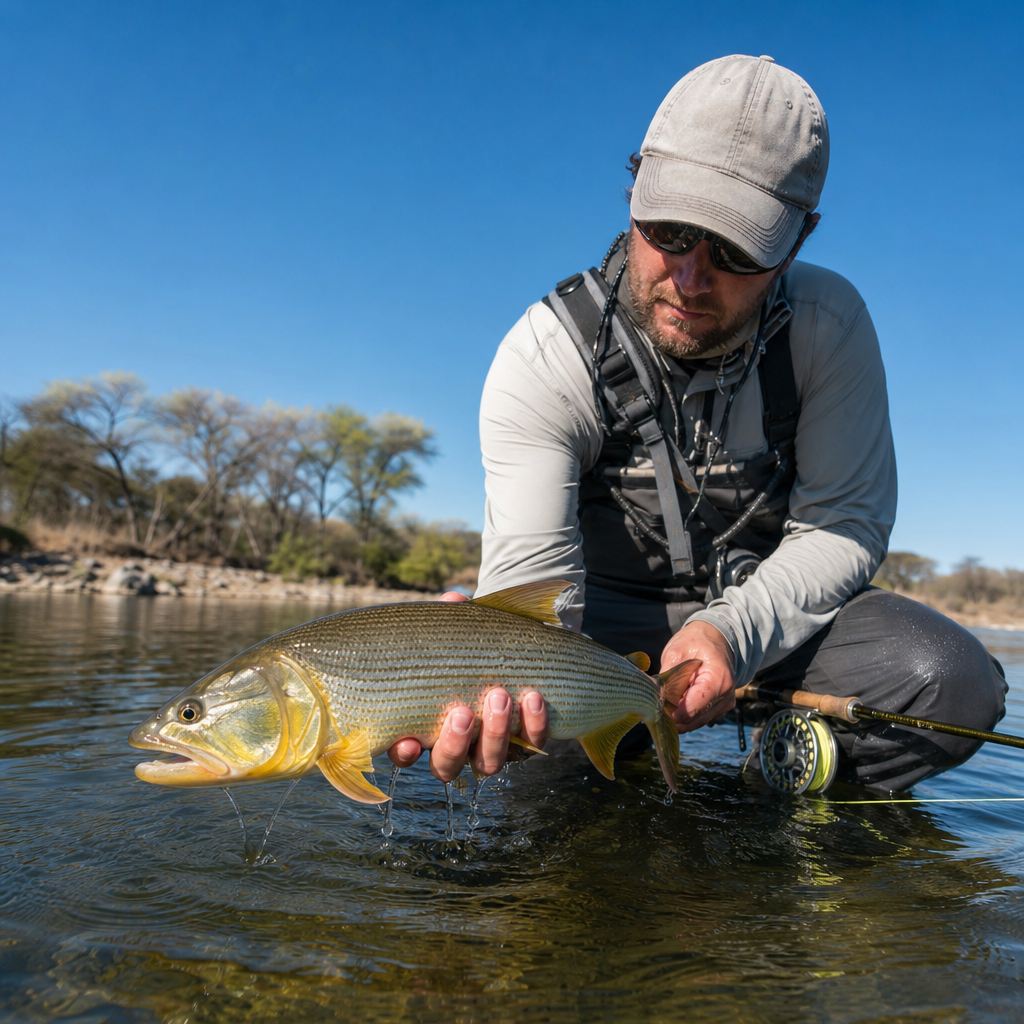
Fly fishing in Botswana rewards anglers with something rare in modern travel: genuine wilderness, technical freshwater fishing, and the chance to target powerful species in landscapes still shaped by annual floods, elephant paths, and long, unbroken reed lines. Within the broader subject of fly fishing destinations in Africa, Botswana deserves hub status because it combines several distinct fisheries in one country, from the papyrus channels of the Okavango Delta to tigerfish water on the Chobe and productive reaches of the upper Zambezi system near the Namibian border. For anglers planning an African fly fishing trip, the key terms matter. Fly fishing means presenting an artificial fly with the weight of the line rather than the lure. In Botswana, the signature game fish is tigerfish, especially African tigerfish, a fast, hard-mouthed predator known for explosive takes and acrobatic runs. Other relevant species include nembwe, tilapia, catfish, and occasional bream species that add variety when conditions change. Timing matters because Botswana’s flood pulse governs access, water clarity, bait movement, and fish location more than a simple wet-versus-dry-season split. I have planned and evaluated several southern African itineraries, and Botswana consistently stands out because success depends less on luck than on understanding hydrology, tackle setup, and precise presentation. That combination makes it important for both first-time visitors to Africa and experienced fly anglers seeking a serious destination.
Botswana also matters because it sits within a wider African fly fishing map that many anglers underestimate. South Africa offers trout and saltwater options, Tanzania and Kenya are better known for big game than inland fly fishing, and Zambia is famous for tigerfish on the Zambezi and Kafue systems. Botswana, however, provides one of the continent’s most accessible introductions to warmwater fly fishing in true safari country. The country is politically stable by regional standards, tourism infrastructure is well established, and many camps understand the needs of international anglers, including rod transport, fly drying space, and dawn boat departures. As a hub topic for Africa, Botswana helps explain the broader regional pattern: many of the continent’s best fly fisheries are floodplain systems where fish move with water levels, not fixed reservoir populations. That means the best Botswana advice is also useful when comparing nearby fisheries in Namibia, Zambia, and Zimbabwe. Searchers usually want direct answers: where should you fish, what species can you expect, when should you go, and what gear actually works. The rest of this guide answers those questions plainly, using the spots and techniques that consistently produce fish.
Why Botswana is a premier fly fishing destination in Africa
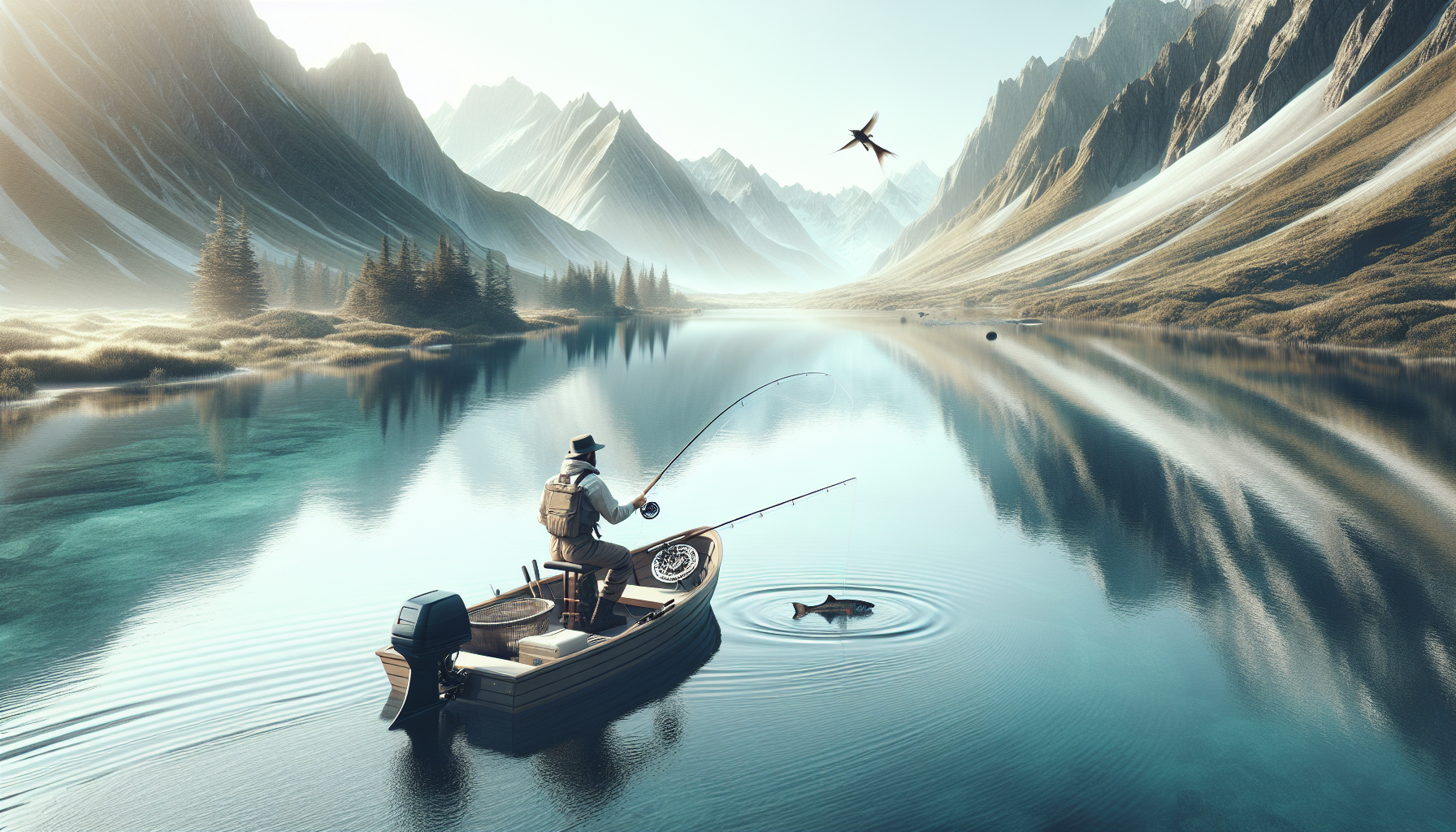
Botswana is a premier fly fishing destination because it combines trophy potential, low fishing pressure in many areas, and habitat diversity within a compact travel framework. The Okavango Delta is the best-known fishery. This inland delta spreads seasonally across northern Botswana, creating lagoons, channels, floodplains, and cut banks that hold baitfish and predators. Tigerfish are the headline species there, but the fishing is not one-dimensional. Anglers often spend a morning stripping flashy streamers through current seams, then switch to smaller patterns for bream along reed edges once the light gets high. That variety matters on a weeklong trip because it keeps the fishing productive even when tigerfish are moody.
The Chobe River and nearby systems broaden the picture. Chobe offers stronger current, deeper channels, and access to fish that hold tighter to structure. It is also one of the easiest Botswana options to pair with a safari-focused itinerary around Kasane. If you are building an Africa fly fishing trip with non-angling companions, that practical point is significant. You can fish at first light, return for a game drive, and still be within reach of major wildlife areas. In my experience, trips that combine logistics efficiently are the ones anglers actually book, and Botswana does this better than many remote freshwater destinations.
Botswana’s appeal also comes from conservation and relative scarcity of industrial shoreline development. Much of the fishable water remains bordered by reeds, floodplain grasses, and woodland rather than houses and marinas. Fish behave naturally in these systems. They hunt bait against grass margins, sit behind current breaks, and move aggressively when barometric conditions line up. For fly anglers, that translates into visual cues and repeatable tactics rather than blind prospecting all day. The destination is not easy in the sense of constant action, but it is readable water, and that is what experienced anglers value most.
Top fly fishing spots in Botswana
The Okavango Delta is the cornerstone. Productive sectors include panhandle channels, side lagoons, and feeder systems where current concentrates bait. The panhandle in particular is famous for tigerfish because its permanent channels maintain enough flow to support ambush feeding. Early mornings and late afternoons are prime, especially where submerged timber, reed points, or sharp drop-offs create lanes. During falling water, fish often stack along edges where bait is forced out of newly flooded grass. During stable high water, they can spread out and become harder to pin down, which is why guide quality matters.
The Chobe River is another top spot, especially near Kasane and where structure creates current breaks. Chobe fish can be less forgiving because heavy flow and boat traffic influence feeding windows, but the reward is real size and aggressive takes around drop-offs, eddies, and submerged wood. For anglers already traveling through northern Botswana, Chobe is often the most practical add-on fishery. It also serves well as a comparison point to neighboring Namibia’s Zambezi Region, where similar warmwater species and techniques apply.
The Kwando and Linyanti systems deserve attention from serious anglers willing to prioritize remoteness. These waters are less commonly discussed in mainstream travel content, yet they can offer excellent predator fishing when levels, clarity, and access align. Because they are linked to complex floodplain ecology, they are less predictable than the more established panhandle operations, but that unpredictability is part of their appeal. Experienced anglers seeking quieter water often rate these systems highly.
Near the Caprivi interface and upper Zambezi-linked areas, itineraries sometimes include cross-border planning that effectively turns Botswana into the base for a broader northern safari and fishing circuit. As a hub article for Africa, that matters. Botswana does not exist in isolation on the fly fishing map. Many anglers compare it directly with Zambia’s tigerfish fisheries or Namibia’s quieter channels. Botswana usually wins on combination value: high-quality safari infrastructure, strong guiding standards, and enough fishable water types to justify a dedicated trip.
| Location | Primary Species | Best Conditions | Why It Stands Out |
|---|---|---|---|
| Okavango Panhandle | Tigerfish, bream, tilapia | Dropping or stable clear water | Classic Botswana fishery with varied structure and reliable guiding |
| Chobe River | Tigerfish, catfish, mixed warmwater species | Defined current seams and low boat disturbance | Accessible from Kasane and easy to combine with safari travel |
| Kwando/Linyanti | Tigerfish, bream | Good access, moderate clarity, active bait movement | Remote feel and lower pressure for anglers seeking quieter water |
| Upper Zambezi-linked border areas | Tigerfish, nembwe | Seasonal windows with manageable flow | Useful in multi-country northern Africa itineraries |
Best seasons, water conditions, and trip planning
The best time for fly fishing in Botswana usually falls between the cooler dry months and the period when floodwaters create fishable channel conditions, but exact timing depends on the system. In the Okavango, the flood arrives months after regional rains because water travels from Angola through the catchment before spreading into Botswana. That delayed pulse confuses first-time visitors. They assume local weather determines fishing, when in fact upstream hydrology is the driver. In practical terms, many prime tigerfish trips are planned from roughly late winter into spring, when temperatures are manageable, bait is concentrated, and water clarity is often favorable.
Clarity is critical. Tigerfish will still feed in stained water, but fly presentation suffers when visibility drops too far, especially with intermediate lines and smaller baitfish patterns. Falling water often improves fishing because prey is funneled out of flooded margins into defined channels. Rising water can trigger movement and feeding too, but it tends to spread fish across more habitat. Wind is another overlooked factor. In open channels, sustained afternoon wind can make accurate casting difficult and push boats off target edges, reducing effective presentation time.
For travel planning, most anglers route through Maun for the Delta or Kasane for Chobe. Weight limits on light aircraft can affect how many rods and spare reels you bring, so pack intentionally. I recommend one primary 8-weight for tigerfish, a backup 8- or 9-weight, and a lighter outfit only if the operator specifically mentions productive bream fishing. Good camps will help with ice, fish handling, and local regulations, but it is still wise to confirm whether barbless hooks are requested, whether wire bite tippet is standard, and whether wading is possible or discouraged because of crocodiles and hippos. In much of Botswana, boat-based fishing is the norm for obvious safety reasons.
Fly fishing techniques that work in Botswana
The most effective Botswana technique for tigerfish is aggressive streamer fishing with short, controlled strips that match baitfish movement while keeping the fly in the strike zone near current seams, structure, or drop-offs. Many anglers strip too fast from the first cast. Tigerfish are fast, but they often eat on a directional change or pause after the fly tracks across their holding lane. A better method is to cast slightly across current, mend if needed, let the line straighten, then strip in varied bursts. When a fish follows without committing, changing angle on the next cast often converts interest into a strike.
Line choice matters more than many brochures admit. A floating line has uses in shallow margins and for surface commotion, but an intermediate line is often the workhorse because it keeps streamers tracking just below surface turbulence. In deeper slots or heavier current, a sink-tip can be essential. Leaders are short and purposeful, typically ending in wire or heavy bite protection because tigerfish teeth will cut conventional mono instantly. This is not a place for delicate trout-style leader formulas.
Hook-setting is another adjustment. Trout anglers instinctively lift the rod. In Botswana, especially with tigerfish, a firm strip set is the correct move, followed by clearing line quickly before getting the fish on the reel. Their mouths are hard, jumps are violent, and slack line is punished immediately. Guides repeat this for good reason. Anglers who master the strip set land far more fish than those who rely on reflexive rod lifts.
When tigerfish are inactive, switching targets can save the day. Smaller Clouser-style flies, baitfish imitations, and even nymph-like patterns under certain conditions will take bream and tilapia near reed beds, quieter lagoons, and shaded edges. These fish are not the main reason most people travel to Botswana, but they provide technical, enjoyable fishing and help build a fuller Africa itinerary rather than a single-species gamble.
Tackle, flies, safety, and guiding standards
A practical Botswana setup starts with an 8-weight fast-action rod, a sealed-drag reel, and tropical line coatings that handle heat without becoming limp. Backing capacity matters because strong tigerfish in current can run hard. Flies should center on durable baitfish patterns: Clousers, Deceivers, brush flies, and synthetic streamers in white, chartreuse, olive, black, and combinations with flash. Hooks must be strong and chemically sharp. Cheap freshwater streamer hooks bend out here.
Good operators insist on abrasion checks after nearly every fish or snag. That habit is not optional. Wire kinks, frayed leader sections, and dulled hooks cost fish fast. Polarized glasses are essential not only for spotting structure but also for eye protection when heavy flies are cast from boats in wind. Long sleeves, buffs, sunscreen, and finger guards are more than comfort items; they preserve casting efficiency over several hard fishing days.
Safety in Botswana is serious. Hippos, crocodiles, and unstable banks make casual wading a poor idea in many areas. Listen to guides about where hands, feet, and fish should be handled. The best camps maintain clear fish care protocols, use quality boats with stable casting decks, and understand local seasonal hazards. When assessing guiding standards, ask specific questions: How many anglers per boat? What line systems are recommended for that month? How often do they sharpen hooks on the water? Strong answers usually indicate real fishing knowledge rather than generic lodge marketing.
For anglers using this Botswana page as a gateway to fly fishing destinations in Africa, the main lesson is simple. The continent rewards preparation and punishes assumptions. Botswana is one of the best places to start because the fisheries are varied, the guiding culture is mature, and the core techniques are learnable within a week. Choose the right season, focus on the Okavango Delta or Chobe first, bring an 8-weight with durable predator flies, and commit to clean strip sets and precise boat-based presentations. If you are comparing Africa fly fishing options for your next trip, make Botswana the anchor destination, then build outward to neighboring waters with the same floodplain logic in mind.
That approach gives you more than a holiday. It gives you a framework for understanding African freshwater fly fishing as a whole: moving water over floodplains, predatory fish keyed to bait concentration, and success driven by timing, structure, and guide decisions. Start with Botswana, ask operators detailed questions before booking, and use this hub as the foundation for planning the rest of your Africa fly fishing journey.
Frequently Asked Questions
What makes fly fishing in Botswana different from other African destinations?
Fly fishing in Botswana stands out because it combines true wilderness with highly varied freshwater fishing in a single country. Many destinations are known for one famous river or one headline species, but Botswana gives anglers access to several very different fisheries shaped by seasonal flood cycles, remote geography, and relatively low fishing pressure. In practical terms, that means you can move from the reed-fringed channels and lagoons of the Okavango Delta to stronger, more open tigerfish water associated with the Chobe system and experience completely different styles of fishing without leaving the country.
Another key difference is how strongly the landscape influences the fishing. Annual floods transform habitat, redistribute baitfish, open side channels, and change the way predatory species feed. This creates a dynamic fishery where timing matters and local knowledge is especially valuable. Add in the presence of elephant trails, hippo channels, birdlife, and vast stretches of undeveloped water, and Botswana becomes more than a fishing trip; it feels like an immersion in an intact ecosystem. For anglers who value technical casting, sight-based decisions, and the excitement of targeting hard-hitting species in wild surroundings, Botswana occupies a special place among African fly fishing destinations.
Where are the top fly fishing spots in Botswana?
The Okavango Delta is the most iconic starting point and, for many anglers, the centerpiece of fly fishing in Botswana. Its maze of papyrus-lined channels, lagoons, floodplains, and backwaters offers classic warmwater sight-fishing and structure-focused fishing. Depending on water levels and location, anglers target species such as tigerfish and a range of bream while working drop-offs, current seams, weed edges, and ambush points along reed lines. The Delta’s appeal is not only the fish, but the endless variety of water. One session may focus on tighter casting in narrow channels, while the next may involve covering broader lagoons where predators are pushing bait.
The Chobe area is another major draw, especially for anglers interested in tigerfish. This fishery is often associated with more aggressive predatory water, stronger current, and explosive takes. It rewards anglers who are comfortable retrieving streamers with speed and purpose and who can place flies near current breaks, submerged structure, and bait-rich edges. Beyond those headline regions, Botswana also offers lesser-known waters connected to broader floodplain systems and river channels, where the fishing can be superb when seasonal conditions align. In general, the best spots are rarely defined by a single famous pool; they are defined by water level, bait movement, access, and guidance from people who understand how Botswana’s fisheries shift through the season.
What species can you target on a fly rod in Botswana?
The best-known target is tigerfish, and for good reason. Tigerfish are among Africa’s most thrilling freshwater game fish, combining speed, aggression, and hard, often aerial fights. They are built for ambush and attack, and they respond especially well to well-presented streamers stripped with confidence. A good tigerfish eat is sudden, violent, and memorable, which is why so many traveling fly anglers put Botswana high on their list. In the right water and at the right time, tigerfish can be targeted with a dedicated approach that emphasizes sharp hooks, abrasion-resistant leaders, and flies that push profile and flash without sacrificing castability.
Botswana also offers excellent opportunities for various bream species, which bring a more technical and often subtler style of fly fishing into the picture. These fish may hold around vegetation, timber, weed beds, and quieter margins, and they can reward careful presentations with smaller patterns. For anglers who enjoy solving changing conditions rather than simply casting large streamers all day, this mixed-species aspect is a major advantage. Depending on the exact fishery and season, other species may enter the equation as well, but tigerfish and bream form the core of most fly fishing discussions in Botswana. That mix is part of the country’s appeal: one destination can satisfy anglers chasing explosive predator eats and those who enjoy a more nuanced freshwater challenge.
What fly fishing techniques work best in Botswana?
The most productive techniques depend on the species, water type, and flood conditions, but streamer fishing is central, especially for tigerfish. In moving water, effective anglers focus on current seams, channel edges, reed lines, submerged timber, and any place bait can be pinned or disrupted. Casting accuracy matters, but so does retrieve style. Tigerfish often respond best to a firm, varied strip that suggests urgency and vulnerability. Sometimes a straight, fast retrieve triggers reaction strikes; other times a pause or change in tempo is what makes the fly look like an injured baitfish. Because these fish hit hard and carry sharp teeth, wire traces or bite protection are commonly used, and staying tight after the strike is critical.
In quieter Delta water, a more observational approach can be equally important. Reading depth changes, watching for bait flickers, identifying cleaner lanes between reeds, and adjusting fly size to clarity and forage can dramatically improve results. For bream and other non-tiger targets, smaller streamers, nymph-style patterns, or lightly weighted flies may outperform larger, more aggressive offerings. Boat positioning also plays a major role in Botswana, where many presentations are made from drifting or carefully maneuvered craft in narrow channels. In short, the best technique is rarely one rigid method. Success comes from matching retrieve speed, fly profile, and presentation angle to the specific piece of water in front of you, then adapting quickly as conditions shift through the day.
When is the best time to go fly fishing in Botswana, and what should you bring?
Timing a Botswana trip usually revolves around water conditions rather than a simple calendar answer. The annual flood pulse influences where fish hold, how clear the water is, how accessible certain channels become, and how baitfish are distributed. In many cases, anglers aim for periods when water levels create concentrated feeding lanes and when visibility, current flow, and temperature combine to make predatory fish active. Because these systems are dynamic, the best time can vary between the Okavango Delta and tigerfish-focused water connected to the Chobe. That is why working with a specialist lodge, outfitter, or guide is so valuable; they can match your goals to the most suitable window rather than relying on a generic “peak season” claim.
As for gear, a well-planned setup makes a big difference. Most anglers bring 7- to 9-weight outfits for tigerfish, with rods that can throw streamers accurately in wind and turn over wire or heavier leaders. Floating and intermediate lines are commonly useful, though exact line choice depends on depth and current. Strong reels with dependable drags, plenty of backing, bite tippet or wire, long-nose pliers, and a good selection of baitfish-style flies in different sizes and sink rates are essential. Sun protection is equally important in Botswana’s open environments: technical clothing, a buff, polarized glasses, sunscreen, and a proper hat should all be considered mandatory. Finally, because this is genuine wilderness travel, anglers should be prepared for heat, boat-based days, and the realities of fishing in areas shared with large wildlife. A little preparation goes a long way, and in Botswana it helps you stay focused on the fishing rather than the logistics.