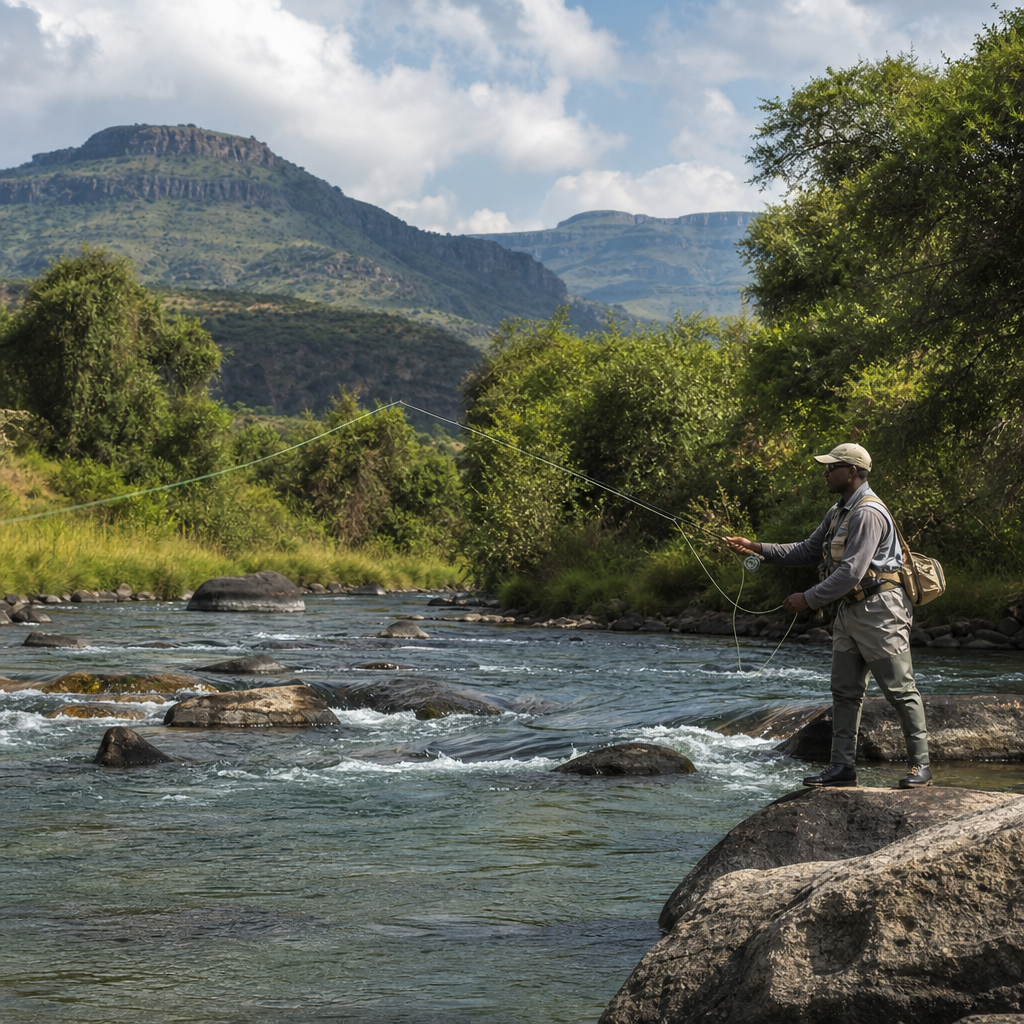
Exploring Ethiopia’s fly fishing destinations reveals a side of Africa that many anglers overlook: a highland country of volcanic lakes, cool mountain streams, Rift Valley waters, and remote river systems where trout, Nile perch, barbel, and tilapia create a remarkably varied freshwater fishery. In practical terms, this makes Ethiopia an important hub within any serious guide to fly fishing destinations in Africa, because it connects East African high-altitude trout water with the warm, species-rich lakes and rivers that define the continent’s broader angling identity. Fly fishing in Ethiopia is not as internationally commercialized as South Africa, Kenya, or Tanzania, yet that relative obscurity is precisely why experienced anglers pay attention. Water can feel wild, access often requires local knowledge, and success depends on understanding seasonal rainfall, altitude, basin ecology, and regional travel logistics. I have found that anglers who arrive expecting a simple “safari plus casting” trip usually leave with a deeper respect for how diverse African freshwater fishing really is. Ethiopia matters because it broadens the map. It shows that Africa is not one fly fishing experience but many, and Ethiopia sits at an important crossroads of those experiences.
As a sub-pillar hub for Africa, this article does two jobs at once. First, it explains where fly fishing in Ethiopia is genuinely viable and what species, conditions, and techniques matter most. Second, it places Ethiopia within the wider African fly fishing destination landscape, so readers can compare it with better-known options and plan future country-by-country research. Key terms are worth clarifying early. When anglers refer to Ethiopia fly fishing destinations, they usually mean fishable waters where a visiting angler can reasonably target freshwater species on fly tackle, either independently or with local support. In Ethiopia, that includes stocked or naturalized trout streams in high elevations, Rift Valley lakes where warmwater species patrol reeds and drop-offs, Blue Nile tributaries with seasonal possibilities, and larger systems where exploratory fishing remains part of the appeal. Because infrastructure is uneven, destination quality depends not only on fish populations but also on road access, permits, local guides, safe wading, and weather timing. That combination of angling potential and expedition reality makes Ethiopia one of Africa’s most intriguing, nuanced freshwater destinations.
Ethiopia’s Freshwater Geography and Why It Matters to Fly Anglers
Ethiopia’s fly fishing appeal starts with geography. Much of the country sits at high elevation, including broad plateaus above 2,000 meters, and those cool temperatures create conditions unusual for equatorial Africa. The Ethiopian Highlands feed rivers flowing toward the Nile Basin, the Awash system, and the Rift Valley lakes. For fly anglers, that means one country offers coldwater opportunities in mountain catchments and warmwater fishing in lakes and lowland rivers. Few African destinations present that contrast so clearly. In the highlands, cooler oxygen-rich streams can support trout where introductions succeeded. In the Rift Valley, nutrient-rich lakes hold tilapia, catfish, and other species that respond to streamers, baitfish patterns, and sometimes nymph or terrestrial presentations along margins. The key point is that Ethiopia is not a single fishery. It is a network of distinct aquatic environments, each demanding different flies, tackle, and expectations.
Rainfall patterns shape everything. Ethiopia has complex regional seasonality, but broadly, the main rains often peak from June to September, with shorter rains in some areas during spring. High, dirty water can make rivers difficult to fish, while lakes may fish well around inflows, weed edges, and stable levels after rain events. I advise anglers to think in windows rather than fixed dates. A trout stream that is clear and wadable in one district may be blown out in another because elevation, watershed size, and storm exposure vary sharply. This is one reason Ethiopia rewards careful planning more than casual assumption. A destination page about Africa should stress that lesson: on this continent, hydrology matters as much as species lists. Ethiopia teaches that especially well.
Highland Trout Water: Ethiopia’s Most Surprising Fly Fishing Option
The most unexpected part of fly fishing in Ethiopia is trout. Rainbow and brown trout were introduced to select highland waters during the twentieth century, particularly around cooler upland environments. While Ethiopia will never rival New Zealand or Patagonia for trout infrastructure, it can offer authentic mountain fishing in dramatic scenery. Streams near areas such as the Bale Mountains and other high-elevation catchments are the waters most often discussed among traveling anglers and conservation-minded local contacts. Tactics are familiar but must be adapted to local conditions: short upstream drifts with nymphs, small attractor dries during insect activity, and compact streamers in deeper runs. Because many of these fisheries are lightly documented, anglers should not expect detailed hatch charts or polished lodge operations. Instead, success often comes from reading pocket water, finding oxygenated seams, and covering structure methodically.
In practice, 4- to 6-weight rods handle most trout scenarios in Ethiopia. Standard patterns such as Pheasant Tail nymphs, Hare’s Ear nymphs, Adams, Elk Hair Caddis, Woolly Buggers, and small terrestrials cover a lot of situations. Felt-soled boots are often restricted globally for biosecurity reasons, so modern rubber soles with studs are usually the better choice on rocky streams. Polarized glasses are essential because light conditions at altitude change fast, and fish can hold close to undercut banks or shadow lines. The tradeoff is straightforward: trout in Ethiopia are a compelling novelty within African fly fishing destinations, but access, current information, and fish density can be inconsistent. Anglers seeking certainty may prefer South African trout regions; anglers seeking exploration often find Ethiopia more memorable.
Rift Valley Lakes and Warmwater Opportunities
If trout are the surprise, warmwater fishing is the broader foundation. Ethiopia’s Rift Valley lakes, including well-known systems such as Lake Ziway, Lake Langano, Lake Abijatta, Lake Shala, and farther south Lake Chamo, vary enormously in depth, salinity, aquatic vegetation, and fish composition. Not every lake is equally practical for fly fishing, and conservation status or local use can affect access, but several hold strong potential for adventurous anglers. Tilapia are especially important because they are widespread, economically significant, and often available in shallow zones where fly tackle is effective. Depending on the water body, catfish, barbel, and predatory species may also be targeted. Around reeds, inflow channels, drop-offs, and rocky margins, baitfish patterns and lightly weighted streamers can produce aggressive takes, especially during low-light periods.
Lake Chamo deserves specific mention in any Ethiopia and Africa hub because of its association with larger predator fishing, including Nile perch in connected or relevant regional systems. While conventional tackle dominates much of that fishery, fly anglers interested in heavy streamers and sinking lines should pay attention to the broader basin. The lesson for African destination planning is that Ethiopia can be part of a mixed-species itinerary, not just a niche trout stop. An angler could spend mornings working shallow warmwater structure for tilapia and barbel, then shift to heavier gear for larger predators where conditions and local knowledge allow. That versatility is rare and valuable.
| Fishery Type | Key Areas | Primary Species | Best Fly Approaches | Main Limitation |
|---|---|---|---|---|
| Highland streams | Bale and other upland catchments | Rainbow trout, brown trout | Nymphs, dry flies, small streamers | Limited access information |
| Rift Valley lakes | Ziway, Langano, Chamo region | Tilapia, catfish, barbel, predators | Baitfish patterns, leeches, terrestrials | Variable clarity and local access |
| Nile-linked rivers | Blue Nile tributaries and basin waters | Barbel, catfish, assorted native species | Weighted streamers, nymphs | Seasonal flows and logistics |
| Exploratory mixed waters | Remote reservoirs and tributaries | Tilapia, barbel, local species | Sight fishing, indicator nymphing, stripping flies | Minimal guiding infrastructure |
Blue Nile Tributaries, Barbel, and Exploratory River Fishing
For anglers who enjoy discovery, Ethiopia’s river systems tied to the Blue Nile basin may be the most exciting part of the country. Here, the appeal is not polished destination marketing but genuine exploratory fishing. Barbel are particularly relevant. Across Africa, barbel fisheries can be excellent on fly, with fish taking nymphs, streamers, and occasionally surface patterns when feeding aggressively. In Ethiopia, productive water is often condition-dependent. River levels can swing hard with rainfall, sediment load may rise quickly, and a section that looks ideal on a map may be inaccessible without local transport or permissions. Still, when flows stabilize, runs below riffles, deeper bends, and confluences can hold fish willing to hit weighted patterns swung or stripped near structure.
This style of fishing calls for stronger tackle than many visitors first expect. A 6- to 8-weight outfit is useful for larger barbel, heavy currents, and wind. Leaders do not need to be delicate; turnover and abrasion resistance matter more than invisibility in many stained river conditions. Clouser Minnows, Woolly Buggers, rabbit-strip streamers, and heavily weighted nymphs are practical choices. The real skill lies in observation. Watch where local subsistence fishers focus effort, note current breaks, and pay attention to river color changes at tributary mouths. In Africa generally, and in Ethiopia especially, local water knowledge can save days of trial and error.
Planning a Fly Fishing Trip in Ethiopia
Trip planning is where many anglers either unlock Ethiopia or rule it out. Addis Ababa is the main gateway and an efficient base for staging domestic travel, buying supplies, and arranging interpreters or drivers. Beyond the capital, infrastructure ranges from adequate to very limited, depending on region. Roads can lengthen travel times dramatically, and a short map distance may turn into a full day in transit. That is why Ethiopia works best for anglers comfortable with flexible itineraries. Before I fish any lesser-known African water, I verify four things: security conditions, local permissions, seasonal water levels, and transport reliability. Ethiopia is no exception.
Practical gear should reflect variety. A 5-weight for trout, a 7-weight for warmwater and river species, floating and sink-tip lines, wading boots, sun protection, water purification, and a compact first-aid kit are basic. Because fly shops are limited outside major urban centers, carry spares of leaders, tippet, hooks, indicators, floatant, and proven flies. A local guide may not be a fly specialist but can still be invaluable for access, language, and situational judgment. This matters across Africa. Good destination choices are not just about fish; they are about reducing uncertainty enough to fish effectively and safely.
Ethiopia in the Wider Africa Fly Fishing Map
As the Africa hub under fly fishing destinations, this page should make one comparison clear: Ethiopia is an exploratory destination, not yet a mainstream packaged one. South Africa offers the continent’s strongest developed trout scene and a mature guide network. Kenya combines famous highland trout history with safari tourism infrastructure. Tanzania brings iconic wilderness and mixed freshwater opportunities near major wildlife circuits. Zambia and Namibia stand out for powerful warmwater and tigerfish-focused experiences in different systems, while Uganda offers Nile and lake options with strong adventure appeal. Ethiopia belongs in this conversation because it adds altitude, Rift Valley diversity, and underfished river possibilities to the continental picture.
That positioning is useful for trip planning. If an angler wants dependable lodge-based trout fishing, Ethiopia is usually not the first recommendation. If the goal is to understand Africa’s freshwater range, combine culture and angling, and explore waters that remain lightly publicized, Ethiopia is one of the most compelling choices. It is also a strong complement to other East African destination research. Readers building an Africa itinerary should use Ethiopia as a hub gateway into related country guides on Kenya, Tanzania, Uganda, South Africa, Zambia, and Namibia, because each shows a different expression of the same continental theme: varied water, highly local conditions, and species that reward adaptation over routine.
Conservation, Ethics, and Realistic Expectations
Responsible angling in Ethiopia requires realism. Some fisheries are sensitive, some habitats are under pressure from agriculture or water extraction, and some species support vital local food systems. Catch-and-release should be practiced where appropriate and discussed carefully with local stakeholders rather than assumed as a universal norm. Barbless hooks, minimal fish handling, and avoiding spawning areas are sensible standards. In trout streams, invasive species history complicates the conservation picture; introduced trout can create angling value while also raising ecological questions. In warmwater systems, pressure, pollution, and changing lake levels can affect fish populations from year to year. Honest destination guidance must say this clearly: Ethiopia is rewarding, but it is not a guaranteed numbers game.
The payoff is depth of experience. Ethiopia offers fly anglers mountain streams in East Africa, Rift Valley lakes with true warmwater variety, and river systems where exploration still means something. That combination makes it a valuable sub-pillar within Africa’s fly fishing destinations and a worthy starting point for broader regional research. If you are planning an Africa fly fishing trip, use Ethiopia as both a destination and a lens. Study its seasons, species, and logistics, then branch into related African country guides to match your goals, budget, and appetite for adventure. The continent’s freshwater story is bigger than most anglers realize, and Ethiopia is one of the places that proves it.
Frequently Asked Questions
What makes Ethiopia a unique fly fishing destination in Africa?
Ethiopia stands out because it offers an unusually broad range of freshwater environments within one country. Anglers can move from cool, elevated trout waters in the highlands to warmer Rift Valley lakes and larger river systems that hold species such as Nile perch, barbel, and tilapia. That diversity is rare, especially in a destination that remains relatively underexplored by international fly fishers. In practical terms, Ethiopia gives anglers access to both technical mountain fishing and warmwater opportunities without needing to cross multiple borders or plan separate expeditions across the continent.
Another reason Ethiopia is so compelling is its geography. The country’s volcanic plateaus, escarpments, lakes, and headwaters create a mosaic of habitats that support very different styles of fly fishing. One day may involve delicate presentations in clear, cooler water, while another may call for larger streamers, heavier tackle, and more aggressive retrieves in stillwater or big river conditions. For anglers who enjoy variety and who value discovery as much as numbers, Ethiopia offers a sense of exploration that is increasingly hard to find in more established destinations.
There is also a strong appeal in the fact that Ethiopia remains a less commercialized fishery compared with many globally known fly fishing regions. That means expectations should be realistic: infrastructure, access, and local guiding services may not always be as polished as in famous trout countries. However, for many traveling anglers, that is part of the attraction. The reward is a more adventurous, authentic experience in waters that can feel genuinely remote and lightly pressured.
What species can you target on the fly in Ethiopia?
The most talked-about species in Ethiopia vary by region, but the country’s headline appeal comes from its combination of trout water and warmwater fisheries. In cooler highland environments, trout are a major draw, particularly for anglers who enjoy classic river and stream fishing techniques. These fisheries can demand careful reading of water, thoughtful fly selection, and precise presentation, especially in clear flows where fish may be wary. Depending on local conditions, dry flies, nymphs, and small streamers can all play a role.
In warmer waters, Ethiopia opens up opportunities for species such as Nile perch, barbel, and tilapia. Nile perch bring a very different kind of challenge, often requiring bigger flies, stronger leaders, and tackle capable of handling powerful runs and hard strikes. Barbel can be especially exciting on fly because they are strong, opportunistic feeders that may respond to nymphs, baitfish patterns, and larger subsurface presentations depending on the water type. Tilapia, while not always thought of first by visiting fly anglers, can also provide excellent sport in the right settings and are part of what makes the fishery so varied.
What makes species selection in Ethiopia particularly interesting is that the fishing is not defined by a single iconic fish. Instead, the country rewards anglers who are adaptable and curious. Someone planning a trip should think less in terms of chasing one universal “must-catch” species and more in terms of matching techniques to a range of habitats. That flexibility is key to getting the most out of Ethiopia’s waters.
When is the best time to go fly fishing in Ethiopia?
The best time to fish in Ethiopia depends heavily on elevation, region, target species, and rainfall patterns. Because the country includes highland climates as well as warmer lowland and Rift Valley environments, there is no single national “perfect season” that applies everywhere. In general, many anglers aim for periods outside the heaviest rains, when roads are more reliable, water clarity is better, and river levels are more manageable. Stable conditions usually improve both access and presentation, especially in streams and rivers where sudden runoff can affect fishing quality.
For trout-oriented fishing in the highlands, cooler months and shoulder seasons can be especially productive, though exact timing depends on local watershed conditions. Clearer water often makes technical fishing more rewarding, while insect activity and stream flow can shape whether dry fly, nymph, or streamer tactics are most effective. In lakes and warmwater systems, seasonal temperature shifts, water levels, and spawning behavior may influence where fish hold and how aggressively they feed.
The smartest approach is to plan around a specific region rather than the country as a whole. If your trip combines multiple Ethiopian fisheries, build flexibility into the itinerary and consult current local information before finalizing dates. Seasonal variation, road conditions, and changing water levels can all matter as much as the calendar itself. For serious anglers, good timing in Ethiopia is less about chasing a fixed month and more about aligning your destination, species, and fishing style with current conditions.
What gear and fly patterns should you bring for fly fishing in Ethiopia?
A versatile gear setup is essential because Ethiopia’s fisheries can shift from small-stream trout scenarios to larger warmwater environments that demand heavier equipment. For highland trout waters, many anglers will be comfortable with a 4- to 6-weight outfit suited to dry flies, nymphs, and light streamers. A floating line will cover much of this fishing, though leaders and tippet should be adjusted to water clarity and fly size. In technical conditions, finer presentations may be necessary, while slightly heavier setups can help in faster or more turbulent flows.
For species such as Nile perch and larger barbel, heavier rods in the 7- to 9-weight range are often more appropriate, especially when casting bulky streamers, fishing deeper water, or dealing with stronger fish around structure. Warmwater setups may also benefit from sink-tip or intermediate lines depending on depth and presentation style. Leaders should be matched to both the species and the environment, with abrasion resistance becoming more important in rivers, rocky lake margins, or areas with submerged timber and vegetation.
In terms of fly selection, it makes sense to carry a broad mix. For trout, bring proven dry flies, nymphs, and smaller streamers in natural colors, along with patterns that suggest local aquatic insects and baitfish. For warmwater species, baitfish imitations, leeches, larger nymphs, and attractor-style streamers are practical choices. Color selection should include both natural and high-visibility options, since water clarity can vary significantly. Polarized sunglasses, sturdy wading footwear, sun protection, and a well-organized pack are also important. Ethiopia rewards preparedness, and anglers who pack for multiple scenarios will be in a much stronger position to adapt on the water.
Is Ethiopia suitable for beginner fly fishers, or is it better for experienced anglers?
Ethiopia can suit both beginners and experienced anglers, but it tends to be especially rewarding for those who are comfortable adapting to changing conditions. For beginners, the country offers an exciting introduction to varied freshwater fishing, and some waters may provide approachable opportunities to learn fundamental skills such as casting, line control, fish handling, and reading holding water. However, because Ethiopia is not always a highly packaged or standardized fly fishing destination, newcomers may face a steeper learning curve when it comes to logistics, access, and adjusting tactics across different environments.
Experienced anglers often find Ethiopia particularly appealing because it rewards problem-solving. The challenge is not just catching fish; it is understanding a diverse fishery that spans altitude, water temperature, species behavior, and remoteness. Anglers with a solid foundation in trout methods, streamer fishing, or warmwater tactics will usually be better prepared to make the most of opportunities as they arise. The ability to switch quickly between presentations, reassess water conditions, and fish confidently without constant local infrastructure can make a major difference.
That said, beginners should not be discouraged. Ethiopia can still be a memorable destination if expectations are realistic and the trip is well planned. The best strategy is to focus on one or two fisheries rather than trying to sample everything at once, and to seek local advice whenever possible. A thoughtful itinerary, suitable gear, and a willingness to learn can make Ethiopia accessible even to less experienced fly fishers. The key is to approach it as an adventure destination first and a highly polished resort fishery second.