Fly fishing in Rwanda is one of East Africa’s least discussed angling opportunities, yet for traveling anglers who value wild scenery, uncrowded water, and technical freshwater fishing, the country offers a compelling base within the broader Africa fly fishing landscape. In practical terms, fly fishing in Rwanda means targeting freshwater species in rivers, lakes, reservoirs, and highland catchments using artificial flies, lightweight tackle, and presentation skills rather than bait. Rwanda is not a classic trout powerhouse in the mold of South Africa’s Drakensberg or Kenya’s colonial-era upland fisheries, and that distinction matters. What Rwanda does offer is a mix of high-elevation waters, expansive lakes, tilapia and catfish opportunities, and access to regional fly fishing itineraries that connect Central and East Africa. I have planned African destination content around exactly this kind of emerging fishery before, and the same lesson holds here: anglers who arrive expecting a copy of Montana will be disappointed, while anglers who come prepared for adaptable, exploratory fishing will find genuine value.
As a hub within the Africa fly fishing destinations category, Rwanda also matters because of location. It sits near Uganda, Tanzania, Burundi, and the Democratic Republic of the Congo, making it a practical stop in a broader African itinerary. Kigali is efficient, road access is better than many first-time visitors expect, and tourism infrastructure is strong by regional standards. The key to success is understanding what waters are realistic, which species are best suited to fly methods, when rainfall affects clarity and flow, and how to manage expectations around guiding, permits, and conservation. This guide covers premier locations in Rwanda, the species most relevant to fly anglers, gear and tactics that work, seasonal planning, and how Rwanda compares with other notable Africa fly fishing destinations so readers can use it as both a trip primer and a regional planning reference.
Why Rwanda Deserves a Place on an Africa Fly Fishing Itinerary
Rwanda’s appeal begins with geography. Known as the Land of a Thousand Hills, the country has steep terrain, highland valleys, crater lakes, marsh systems, and one of Africa’s great inland waters, Lake Kivu. Elevation moderates temperatures, which is important for anglers traveling with waders, breathable layers, and delicate fly lines. Conditions are rarely as brutally hot as lowland tropical fisheries, and many fishing days start in cool morning air. The result is a destination that feels logistically manageable even for anglers new to Africa.
From a fishing perspective, Rwanda is best understood as a warmwater and mixed-water destination with selective local trout possibilities in certain stocked or high-elevation contexts, rather than a guaranteed trout country. The realistic primary targets are tilapia, African catfish, and other lake and river species willing to take streamers, nymph-like subsurface patterns, and occasionally surface flies. On lakes and sheltered bays, fly fishing can resemble stillwater tactics used elsewhere in the world: searching structure, working drop-offs, and covering shoreline transitions at first light. On rivers, the game shifts toward reading current seams, oxygenated runs, undercut banks, and flood-influenced holding water.
Another reason Rwanda matters is its role as a gateway page for Africa. Anglers researching fly fishing in Africa often begin with marquee names such as South Africa, Kenya, Seychelles, Tanzania, and the Zambezi basin. Rwanda broadens that picture. It represents the kind of destination where the experience combines fishing with gorilla trekking, birding, conservation tourism, and regional travel. For many readers, that combination is the deciding factor. A trip that includes two focused days on the water around Lake Kivu or in highland catchments can be more realistic than a dedicated ten-day expedition. That is not a weakness. It is exactly why Rwanda deserves coverage in a fly fishing destinations hub.
Premier Fly Fishing Locations in Rwanda
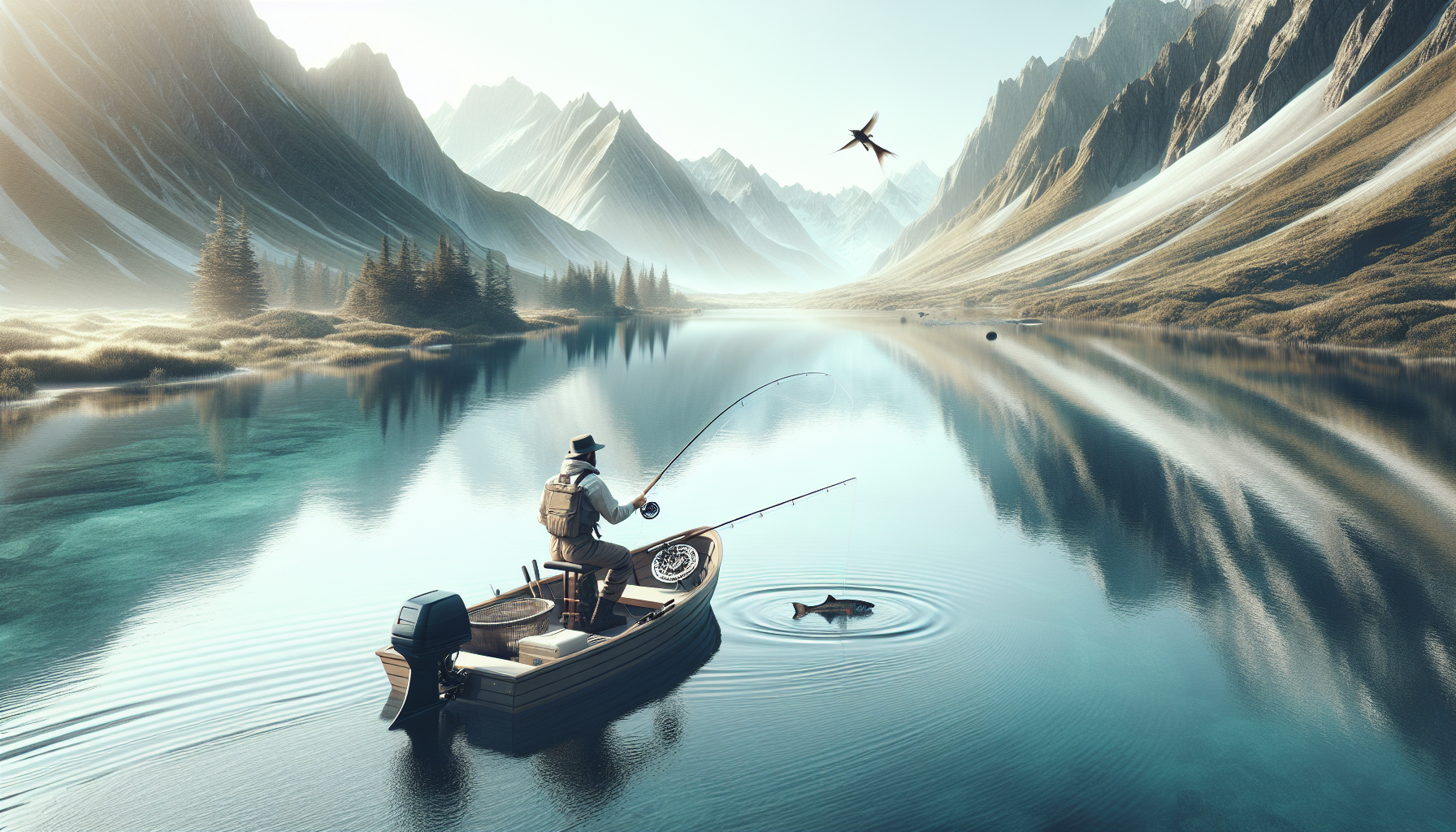
Lake Kivu is the country’s standout freshwater venue and the first place most visiting anglers should investigate. Stretching along Rwanda’s western border, Lake Kivu is vast, scenic, and varied, with bays, rocky margins, beaches, weed lines, and nearshore structure that can all hold fish. Towns such as Gisenyi, Kibuye, and Cyangugu provide practical access points, and local boat hire can expand range significantly. For fly anglers, the most productive windows are usually early morning and late afternoon, when fish move shallower and light conditions improve ambush feeding. Intermediate sinking lines, floating lines with weighted streamers, and compact baitfish imitations are usually more useful here than delicate dry-fly systems.
Smaller lakes around Rwanda can also reward exploratory anglers, especially where shoreline access is possible and local pressure is moderate. Lakes in the north and east, including those linked to wetland systems, may offer tilapia and catfish opportunities, though conditions vary sharply by season, water level, and local netting activity. Because these waters are less standardized than famous global fisheries, local reconnaissance matters more than internet research. I strongly advise travelers to speak with lodge staff, local boatmen, and regional tourism operators on arrival rather than relying solely on outdated forum posts.
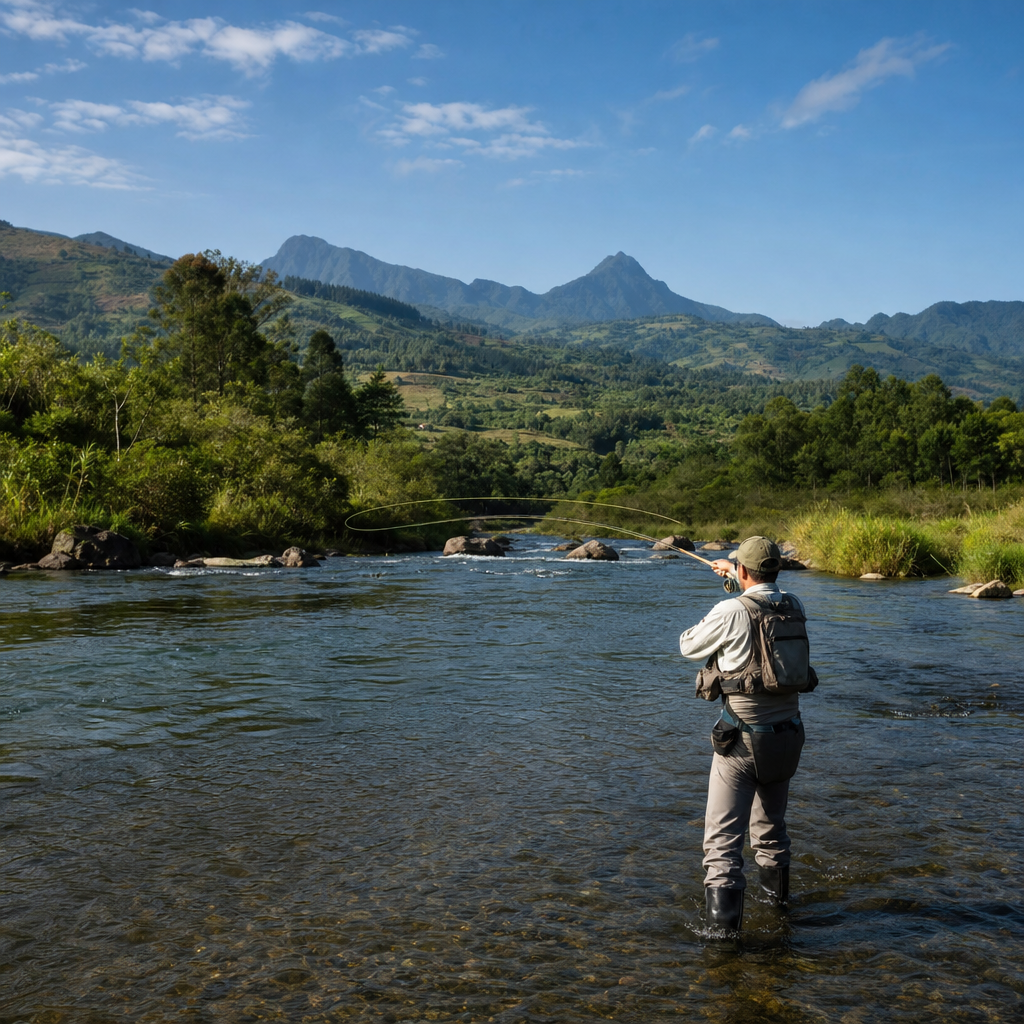
River fishing in Rwanda is more situational but can be surprisingly interesting, particularly in upland and mid-elevation systems where current, structure, and lower visibility create ambush opportunities. Productive stretches often include slower bends adjacent to deeper runs, confluences after moderate rain, and oxygen-rich pocket water during stable periods. The Nyabarongo system and its tributaries are frequently mentioned in broad discussions of Rwanda’s inland waters, but fishability depends on access, runoff, and local environmental conditions. Some reaches are best treated as exploratory sessions rather than guaranteed destination beats.
| Location | Best For | Typical Tactics | Key Consideration |
|---|---|---|---|
| Lake Kivu | Tilapia, catfish, broad access | Streamers, baitfish patterns, boat and shore casting | Fish low-light periods and wind-protected structure |
| Smaller inland lakes | Exploratory mixed-species sessions | Floating line with weighted flies, shoreline prospecting | Local knowledge is essential because conditions shift quickly |
| Upland rivers and tributaries | Technical current fishing, opportunistic species | Nymphs, small streamers, short accurate casts | Rainfall and clarity determine whether water is fishable |
| Wetland margins and reservoirs | Catfish and aggressive warmwater fish | Larger streamers, poppers in low light | Access and safety should be checked before fishing |
Akagera-adjacent waters and eastern wetlands deserve mention, but they require caution and planning. Protected areas have strict rules, not all water is open to recreational fishing, and wildlife risk can be real. Hippos and crocodiles are not theoretical concerns in parts of East Africa, so any angler considering fishing near larger wetland systems should verify access and safety with park authorities or professional operators. In destination planning, waters that look ideal on a map are not automatically fishable on foot.
Target Species, Tackle, and Effective Fly Patterns
Tilapia are often the most realistic fly target for visitors, though they are not always straightforward. Different tilapia species feed differently, and in many places they are more effectively targeted on subsurface presentations than on obvious topwater flies. In Rwanda, small leech patterns, buggy nymphs, sparse baitfish flies, and lightly weighted streamers can all produce, especially around weed edges, submerged timber, and rocky transitions. A 5- to 7-weight rod is usually the best all-around choice. It has enough backbone for wind and larger fish but still casts lighter patterns cleanly from shore or boat.
African catfish are another meaningful option and often the species that turns a quiet session into a memorable one. They are powerful, opportunistic, and well suited to larger streamers, rabbit-strip patterns, bulky dark flies, and even poppers in low light or stained water. For catfish, an 8-weight setup is prudent, especially around structure. Leaders do not need to be overly fine. In fact, many visiting trout anglers under-gun themselves because they arrive with delicate tippet systems that make little sense around rocks, timber, and abrasive mouths.
In highland or stocked contexts where trout are present, standard trout methods apply, but with a regional caveat: do not build an entire Rwanda trip around uncertain trout access unless you have current local confirmation. If you specifically want African trout fishing, South Africa and select Kenyan highland waters are generally more established choices. Rwanda can complement those destinations, but it should not be misrepresented. The practical strength of this destination lies in versatile freshwater fly fishing, not a guaranteed classic trout program.
For a balanced Rwanda tackle kit, bring a 6-weight for general lake and river work, an 8-weight for catfish and larger streamers, floating and intermediate lines, fluorocarbon leaders in stronger breaking strains, polarized glasses, and stripping baskets if you plan to fish from windy shorelines. Productive flies usually include Clouser Minnows, Woolly Buggers, baitfish deceivers, damselfly-style nymphs, dragonfly nymphs, and black or olive rabbit-strip streamers. In slightly stained water, adding flash and profile is more important than matching a precise hatch. In clear conditions, slim and sparse often outfishes oversized patterns.
When to Go and How Seasonal Conditions Change the Fishing
The best time for fly fishing in Rwanda depends on balancing fish activity, water clarity, and travel comfort. Rwanda has two rainy seasons, generally from March to May and from roughly October to December, with dry periods in between. Exact timing varies by year and by region, but this rhythm is important because it affects river height, runoff, bank access, and lake clarity. In practical destination terms, the drier months are usually easier for first-time visitors because roads are simpler, shorelines are more accessible, and river systems are less likely to be blown out.
That said, some post-rain periods can fish very well. Moderate color in the water can bring predatory species closer to structure, reduce their wariness, and make streamer fishing more effective. The problem is that heavy rain can quickly push a fishable river into chocolate water. On lakes, wind direction matters almost as much as rainfall. A lightly ruffled surface can improve takes, while sustained strong wind can make shore casting difficult and boat positioning inconsistent. The most reliable pattern I have seen in similar African inland waters is simple: fish early, adjust fast, and treat stable weather windows as valuable.
For travelers combining fishing with gorilla trekking or safari activities, June through September and January through February are often the easiest planning windows. These periods generally align with better overland travel and a wider choice of tourism logistics. They also help if you are moving gear between lodges, boats, and domestic transport. If your schedule forces a shoulder-season visit, build flexibility into your itinerary. One excellent half-day on a lake is worth more than three rigidly scheduled sessions on unfishable rivers.
Guides, Access, Regulations, and Practical Travel Tips
Rwanda is easier to navigate than many anglers expect, but fly fishing remains a developing niche, so self-sufficiency is an advantage. Dedicated fly fishing guides are less common than in mature destinations, meaning you may need to assemble your own support network through lodges, drivers, local boatmen, and regional tour operators. Before traveling, confirm where recreational fishing is allowed, whether boats can be hired safely, and what local customs apply. Rules can differ between public waters, community-managed areas, and conservation zones.
Gear preparation matters because replacement options may be limited. Pack spare leaders, flies, tippet, line cleaner, ferrule wax, and at least one backup reel or spool. If you intend to fish from shore, wear sturdy boots rather than lightweight sandals. Many African freshwater edges are rocky, muddy, or lined with vegetation that hides hazards. Sun protection is non-negotiable at elevation too; ultraviolet exposure can still be intense on open water. Carry a medical kit, keep valuables dry, and do not wade blindly in unfamiliar water, especially where wildlife or sudden drop-offs are possible.
Ethics are equally important. Catch and release may not be the local norm on all waters, but traveling fly anglers should still minimize handling time, pinch barbs where appropriate, and avoid stressing fish in very warm shallow margins. Respect subsistence and commercial fishers; these waters are part of local livelihoods, not private playgrounds. In destination development, anglers who behave well help create future access. Anglers who ignore local realities usually close doors for everyone else.
How Rwanda Fits Within the Wider Africa Fly Fishing Map
As an Africa hub article, it is worth positioning Rwanda clearly against better-known destinations. South Africa remains the continent’s most developed freshwater fly fishing destination, particularly for trout, yellowfish, and organized guiding. Kenya has historical trout interest in select highland areas and strong safari travel appeal. Tanzania and Uganda offer broader exploratory freshwater possibilities, often combined with big-game or Nile perch ambitions in certain regions. Zambia and Zimbabwe are frequently discussed for tigerfish, which is a completely different fast-strike, heavy-tackle category from most Rwanda fishing.
Rwanda’s niche is different. It suits anglers who prioritize scenery, manageable travel, mixed-species freshwater fishing, and combination itineraries over trophy branding. It is also attractive to experienced travelers who understand that not every memorable fly fishing trip is built around a single iconic species. Some of the best destination days come from solving unfamiliar water, adapting flies to local forage, and landing fish in settings where few fly anglers have stood before. That is Rwanda’s strongest selling point in the Africa fly fishing conversation.
If you are building a broader Africa fly fishing plan, use Rwanda as a flexible inland stop, not as a substitute for saltwater giants like the Seychelles or specialist river destinations like the Okavango or Zambezi systems. It complements those places by offering a contrasting, lower-profile experience. For many travelers, that balance improves the entire trip.
Fly fishing in Rwanda rewards anglers who arrive informed, adaptable, and realistic about what the country offers. The premier locations are led by Lake Kivu, followed by smaller inland lakes, selected rivers, and carefully vetted wetland or reservoir margins. The most practical target species are tilapia and African catfish, with tactics centered on streamers, baitfish flies, subsurface bugs, and low-light presentations rather than classic hatch-matching. Seasonal timing matters, especially around rainfall, clarity, and access, and local knowledge remains more valuable here than glossy assumptions.
Within the wider Africa fly fishing destinations landscape, Rwanda stands out not because it imitates the continent’s famous fisheries, but because it provides something different: scenic exploratory freshwater angling combined with excellent general travel infrastructure and strong multi-activity appeal. That makes it highly useful as both a destination in its own right and a hub page for readers planning fishing travel across Africa. Start with Rwanda if you want an accessible introduction to the region’s inland fly fishing possibilities, then branch outward to neighboring countries based on the species and style of fishing you want most.
Use this guide as your planning baseline, verify current access locally, and build an itinerary that leaves room for discovery. In a continent defined by variety, Rwanda earns its place by offering exactly that.
Frequently Asked Questions
What makes fly fishing in Rwanda different from other East African destinations?
Fly fishing in Rwanda stands out because it combines technical freshwater angling with dramatic scenery, light fishing pressure, and a strong sense of exploration. Unlike better-known African fishing destinations that are often associated with large game species or heavily marketed safari circuits, Rwanda offers a quieter, more understated experience centered on rivers, lakes, reservoirs, and highland watersheds. For anglers, that means less competition on the water, more room to experiment with presentations, and the chance to fish locations that still feel genuinely undiscovered. The country’s rolling hills, cool upland zones, and mosaic of small catchments create a very different rhythm from the broad, heavily publicized fisheries elsewhere in the region.
Another important difference is the style of fishing itself. In Rwanda, success often depends less on covering huge expanses of water and more on reading structure carefully, adjusting to changing water clarity, and presenting flies with precision. Many waters reward a thoughtful, adaptable approach using lightweight tackle, nymphs, small streamers, and terrestrials rather than a one-size-fits-all setup. This makes Rwanda especially appealing to anglers who enjoy observation, finesse, and problem-solving. In short, Rwanda is not just a place to fish while traveling in East Africa; it is a destination that can reward serious fly anglers looking for wild scenery, technical conditions, and waters that remain well off the mainstream radar.
Where are the premier locations for fly fishing in Rwanda?
Rwanda’s best fly fishing opportunities are generally found across a mix of highland rivers, smaller streams, reservoirs, and major lakes, with each type of water offering its own challenges and advantages. Highland catchments and cooler upland streams are often the most interesting to dedicated fly anglers because they provide structure, current seams, pocket water, undercut banks, and oxygen-rich holding areas that suit active freshwater species. These waters tend to reward stealth, accurate casting, and careful wading, especially during stable conditions when fish are holding predictably in current breaks and feeding lanes.
Larger bodies of water such as lakes and reservoirs can also be productive, particularly for anglers willing to fish shorelines, inflows, weed edges, drop-offs, and wind-driven feeding zones. In these environments, fly fishing often becomes more about covering water efficiently with streamers, baitfish patterns, or attractor flies, while also watching for seasonal movements linked to water levels and food availability. Areas around inflowing streams, rocky margins, flooded vegetation, and shallow flats can be especially promising at first light and late in the day. While exact access and fishability vary by season, the most successful approach is usually to think in categories rather than chase a single famous spot: seek clean, accessible water with visible structure, current, or shoreline complexity, and be prepared to adapt your fly selection and retrieve style to the conditions you find on the ground.
What species can anglers target with a fly rod in Rwanda?
Fly anglers in Rwanda are primarily focused on freshwater species found in the country’s rivers, lakes, and reservoirs, with opportunities varying significantly by elevation, water type, and local ecological conditions. In practical terms, many anglers are targeting species that will take nymphs, wet flies, streamers, and opportunistic surface patterns in moving or still water rather than pursuing a single iconic fishery species. The exact mix can differ from one watershed to another, but productive fishing usually centers on species that feed around current seams, along vegetated margins, near rocky structure, or at inflows where food concentrates naturally.
Because Rwanda is still relatively under-discussed as a fly fishing destination, anglers should approach species expectations with flexibility and a research mindset. Rather than planning around a highly standardized hatch chart or one famous target species, it is wiser to prepare for mixed freshwater opportunities and adjust based on local observations. Small baitfish imitations, general-purpose nymphs, buggy patterns, leech-style flies, and modest streamers often make sense as a starting point because they cover a wide range of feeding behavior. If you are traveling specifically to fish, local guidance can be extremely valuable for confirming current species availability, legal considerations, and which waters are best suited to a fly-only approach. That flexibility is part of Rwanda’s appeal: the fishing feels exploratory, and anglers who can read water well and fish versatile patterns often do best.
What gear and fly patterns should you bring for fly fishing in Rwanda?
A practical Rwanda fly fishing setup should emphasize versatility, portability, and the ability to handle both moving water and stillwater situations. For most anglers, a 4- to 6-weight rod covers a broad range of likely conditions, especially when fishing smaller rivers, streams, lake margins, and reservoirs. A 5-weight is often the best all-around choice because it is light enough for technical presentations yet powerful enough for weighted flies, moderate wind, and larger fish encountered in mixed freshwater environments. Bringing a second rod, such as a 6- or 7-weight, can be helpful if you expect to fish bigger lakes, throw streamers regularly, or deal with stronger wind along exposed shorelines.
In terms of lines, a weight-forward floating line is the essential starting point, but a sink-tip or intermediate line can be extremely useful for probing deeper edges, drop-offs, or reservoir structure. Leaders should include a range of lengths and tippet sizes so you can adjust to clear streams, stained inflows, or aggressive fish near cover. Fly selection should be broad rather than overly specialized: small nymphs, hare’s ear-style patterns, pheasant tail variations, beadhead attractors, woolly buggers, baitfish imitations, leech patterns, and terrestrial flies such as ants and beetles are all smart additions. Neutral, natural colors often work well in clearer water, while darker or brighter patterns can help in low light or stained conditions. Wading boots with reliable grip, lightweight rain protection, polarized sunglasses, and a compact pack are also important, especially in highland areas where weather and access conditions can shift quickly. The best kit for Rwanda is one that lets you adapt efficiently across several water types rather than one tuned to a single textbook fishery.
What tips will help first-time anglers succeed when fly fishing in Rwanda?
The first and most important tip is to treat Rwanda as a destination where water reading and adaptability matter more than rigid plans. Conditions can change with rainfall, elevation, water clarity, and seasonal inflow patterns, so anglers who arrive with a flexible strategy tend to outperform those who expect one standard setup to work everywhere. Start by focusing on high-probability water: current seams, pools below runs, undercut banks, weed lines, inflows, rocky points, and shaded shoreline structure. Fish methodically, change depth before changing location, and do not overlook subtle holding water in smaller streams and feeder channels. In many relatively uncrowded fisheries, fish may be less pressured than in famous destinations, but that does not mean they are careless; careful wading, long observations, and controlled presentations still matter.
It also helps to fish the day intelligently. Early morning and late afternoon are often the most comfortable and productive windows, especially on open lake margins and in clearer water. Carry a compact selection of confidence flies and rotate through them based on what the water is telling you rather than changing patterns randomly. If fish are not responding, adjust retrieve speed, casting angle, fly size, or leader length before assuming the location is unproductive. Beyond fishing technique, practical preparation matters: verify local access, respect community land use, understand any permissions or regulations, and consider hiring a knowledgeable local guide when possible. Rwanda rewards anglers who combine technical skill with patience, observation, and a respectful approach to place. For first-time visitors, that combination often turns an unfamiliar destination into one of the most memorable fly fishing experiences in East Africa.