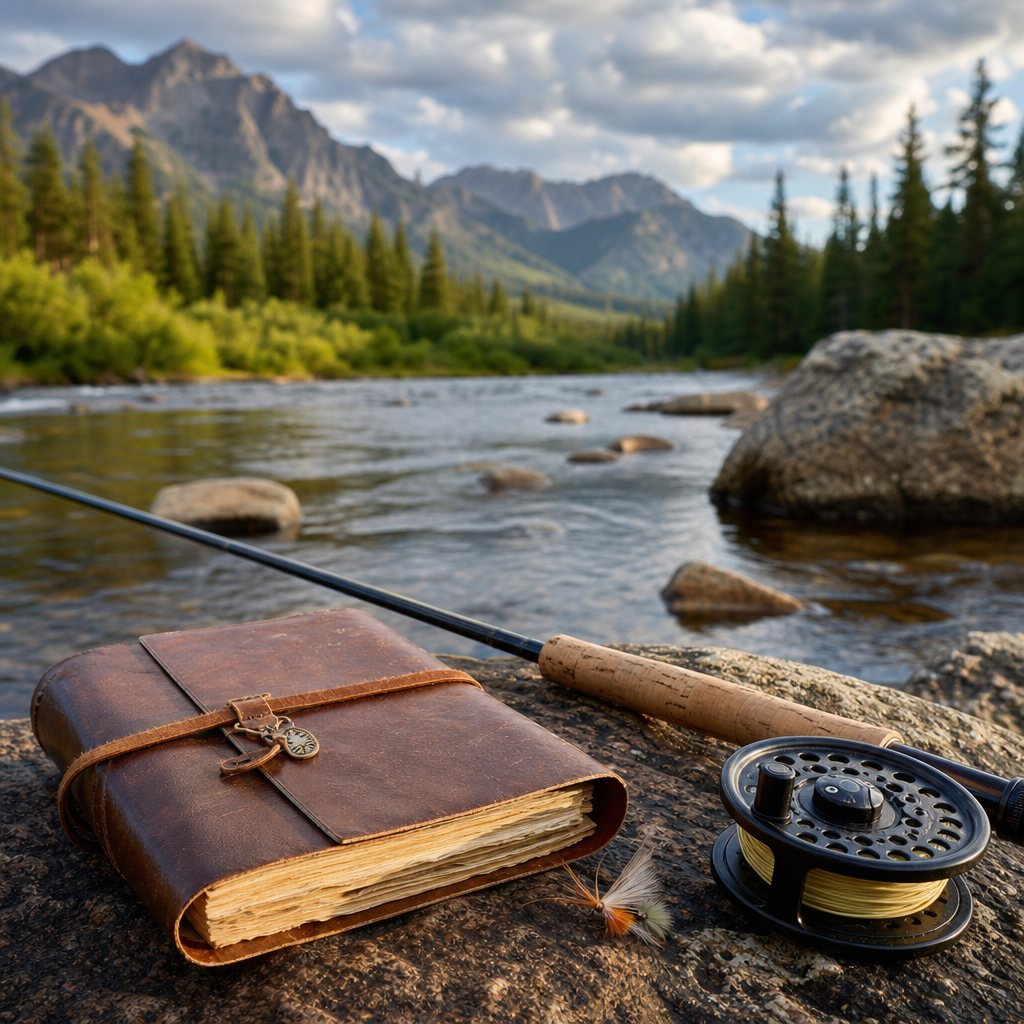
Fly fishing memoirs and stories do more than entertain; they preserve river culture, teach observation, and explain why anglers keep returning to cold water long after the catch stops mattering. In the broader world of product reviews and recommendations, book and media reviews deserve a central place because the best fishing books shape buying decisions, trip planning, casting expectations, and even conservation values. When readers search for the top fly fishing memoirs and stories, they usually want more than a list. They want to know which books are literary, which are practical, which are best for beginners, and which belong on a permanent shelf beside reels, fly boxes, and maps.
In my own work reviewing outdoor books, I have found that fly fishing literature divides into three useful categories: memoir, story collection, and narrative nonfiction. A memoir centers on lived experience and personal meaning. A story collection may be fictional, autobiographical, or lightly fictionalized, but it is organized around episodes rather than a single life arc. Narrative nonfiction uses reporting, history, and on-the-water detail to explain places, species, techniques, or people. The strongest titles often blend all three forms. A river trip becomes a meditation on family; a hatch description turns into natural history; a fish lost at the net reveals more than a fish ever landed.
This matters because fly fishing is unusually literary compared with many other outdoor pursuits. Tackle can be reviewed by weight, drag, and material, but books reveal the inner logic of the sport: patience, failure, aesthetics, habitat, weather, and ritual. A good memoir gives a novice emotional access to the game before they can cast well. A good story collection reminds experienced anglers why they first cared. A strong hub page for book and media reviews should therefore identify classics, explain what each title offers, and point readers toward the right next read based on mood, skill level, and interest in travel, trout, steelhead, salmon, or place-based writing.
What makes a great fly fishing memoir or story collection
The best fly fishing memoirs and stories succeed on two levels at once. First, they work as literature, with structure, voice, pacing, and memorable scenes. Second, they ring true to anglers because the details are exact. Water temperature, insect timing, current seams, rod actions, and the strange silence after a missed take all need to feel earned. Readers can tell immediately when a writer understands the difference between writing about fishing and writing from inside it.
Several qualities separate enduring titles from disposable sporting books. Voice is first. Sparse western understatement, comic self-awareness, and reflective natural history can all work, but the tone must be consistent. Place is second. Rivers are not generic backgrounds; the Madison, Henry’s Fork, Beaverkill, Miramichi, and chalkstreams of southern England all carry distinct ecological and cultural identities. Third is honesty. The strongest books admit boredom, weather shifts, poor decisions, and fishless days. That honesty is why readers trust the author when joy finally arrives.
For review purposes, I usually judge fly fishing books on five criteria: literary quality, fishing authenticity, usefulness to the target reader, historical or cultural value, and reread potential. Some books are beautiful but inaccessible to newcomers. Others are practical and warm but less ambitious stylistically. A hub article should make those differences plain. Someone looking for a gift for a new angler needs a different recommendation than someone building a serious sporting library.
Essential classics every angler should know
No discussion of top fly fishing memoirs and stories starts anywhere but with Norman Maclean’s A River Runs Through It and Other Stories. Published in 1976, it remains the most widely recognized work in American fly fishing literature. The title novella links family, faith, and the rhythms of western rivers with a clarity that still feels modern. Maclean’s prose is controlled and biblical without becoming ornate. Readers who have never held a fly rod can enter through the family drama, while anglers recognize the precision in the casting scenes and river descriptions. It is the single safest recommendation for a reader who wants literary prestige and authentic fishing culture in one book.
John Gierach belongs on the same essential shelf, though his appeal is different. Collections such as Trout Bum, Sex, Death, and Fly-Fishing, and Standing in a River Waving a Stick helped define late twentieth-century fly fishing voice: relaxed, observant, self-deprecating, and quietly knowledgeable. Gierach rarely writes as if he is trying to impress the reader. That restraint is exactly the point. He captures camp talk, weather, road miles, and the half-comic economics of a fishing life better than almost anyone. For many anglers, he is the gateway author because his essays feel like conversations with the most credible person in the parking lot after a long day.
Robert Traver’s Trout Madness and Trout Magic deserve classic status for readers who enjoy humor and affection over solemnity. Traver, also known as Justice John D. Voelker, wrote about brook trout, small streams, and the comic failings of anglers with a warmth that still holds up. His books are especially useful for readers who love regional writing about the Upper Midwest and want a lighter tone than Maclean.
| Title | Author | Best For | Why It Matters |
|---|---|---|---|
| A River Runs Through It and Other Stories | Norman Maclean | Literary readers and gift buyers | Definitive American classic connecting family, river ethics, and fly casting |
| Trout Bum | John Gierach | General anglers and beginners | Accessible essays that define modern angling voice and culture |
| Trout Madness | Robert Traver | Readers who enjoy humor and small-stream atmosphere | Celebrates brook trout traditions with wit and regional specificity |
| The Earth Is Enough | Harry Middleton | Reflective readers | Blends memory, mentorship, solitude, and lyrical outdoor writing |
Harry Middleton’s The Earth Is Enough is another important recommendation, especially for readers drawn to mentorship and introspection. Though broader than fly fishing alone, it has become a staple in sporting libraries because it explores apprenticeship, grief, and the moral education that often happens outdoors. It is less about tactical fishing success than about learning how to inhabit a landscape with humility.
Modern memoirs and essayists worth reading now
Contemporary fly fishing readers often want books that retain literary depth while speaking to current realities: crowded water, gear culture, conservation politics, travel pressures, and changing identities in the sport. David Coggins’ The Believer: A Year in the Fly Fishing Life meets that need well. Coggins moves through destinations, friendships, tackle obsessions, etiquette, and aspiration with polish and humor. His voice is more urban and style-aware than Gierach’s, which makes the book especially effective for readers entering fly fishing from city life, media work, or late-adopting adulthood. It also functions as a realistic portrait of why the sport can become a durable fixation.
Chris Dombrowski’s Body of Water is among the strongest recent memoirs for readers who want a contemporary western book with emotional range. Dombrowski, a poet and guide, writes about marriage, parenting, guiding, and searching for meaning in Montana waters without reducing the river to scenery. The guide perspective matters. Books written by working guides often reveal the labor hidden behind idealized fishing imagery: logistics, personalities, repetition, and financial uncertainty. That added realism gives the memoir weight.
For readers who care about environmental stakes as much as personal narrative, titles by David James Duncan and Thomas McGuane remain relevant. Duncan’s work, especially The River Why, blends fiction, philosophy, and fish-crazed intensity in a way that has influenced generations of readers. McGuane’s essays and angling writing bring sharp observation, western sensibility, and hard-earned skepticism. Neither writer is casual reading, but both reward serious attention.
Another useful modern category includes anthologies from respected magazines and publishers. Collections built from The Flyfish Journal, Gray’s Sporting Journal, and similar outlets can introduce readers to multiple voices before they commit to one author. As a recommendation strategy, anthologies are underrated. They are excellent for gift-giving, ideal for travel reading, and often the fastest way to discover whether a reader prefers lyrical solitude, technical realism, comic essays, or conservation-centered narratives.
Stories by theme: trout, salmon, steelhead, travel, and place
Not every reader wants a general fly fishing book. Many are searching for books that match the species or waters they love. Trout literature is by far the deepest category. If the appeal lies in dry flies, mountain streams, and trout-town atmosphere, Gierach, Traver, and Maclean remain foundational. For readers interested in spring creeks and tactical nuance, authors like Nick Lyons and Sparse Grey Hackle add wit, tradition, and East Coast texture. Their books are especially valuable for understanding the social history of American trout fishing before the current era of social media and destination branding.
Salmon and steelhead books tend to carry a different emotional tone. They are often about devotion, difficulty, and obsession because the fish themselves are rarer, conditions are harsher, and success rates are lower. Works by Roderick Haig-Brown are indispensable here. Haig-Brown wrote with unmatched authority about salmon, rivers, and stewardship in British Columbia. His books are not trendy, but they remain deeply respected because they combine technical knowledge, natural history, and moral seriousness. If a reader asks for the best writing on anadromous fish, his name should appear immediately.
Travel-centered fly fishing stories form another major lane in book and media reviews. These books focus on Patagonia, Iceland, Alaska, New Zealand, Tierra del Fuego, or remote Atlantic salmon lodges. They can be inspiring, but they vary widely in value. The best travel narratives explain local ecology, guide culture, weather patterns, access realities, and angling etiquette rather than merely displaying expensive itineraries. When reviewing such books, I look for whether the writer conveys useful place knowledge and acknowledges the privilege, cost, and conservation impact involved in destination fishing.
Place-based writing matters because fly fishing is inseparable from watershed identity. A persuasive book about the Catskills should teach readers something about Theodore Gordon’s legacy, mayfly culture, and the region’s role in American dry-fly history. A persuasive western memoir should recognize public-land dynamics, dam management, wildfire pressure, and the economics of guide towns. Books that flatten those distinctions may still entertain, but they are not top-tier recommendations.
How to choose the right fly fishing book for your shelf
The right recommendation depends on the reader’s purpose. For a complete beginner, start with books that explain culture through narrative rather than technique-heavy instruction. Gierach is often ideal because he normalizes failure, gear indecision, etiquette, and the long apprenticeship built into the sport. For literary readers who may or may not fish, Maclean is the best first purchase. For experienced anglers who want emotional depth and contemporary realism, Dombrowski or select anthologies are stronger choices.
Format also matters in media reviews. Print remains the best medium for reflective angling prose because readers pause, reread, and annotate. Audiobooks work well for essay collections with conversational voices, especially during travel to fishing destinations. Digital editions are useful for portability but less satisfying for gift giving or long-term shelf value. If you are building a core angling library, prioritize durable paper editions or well-made hardcovers from presses known for outdoor publishing. Lyons Press, University of Chicago Press, Counterpoint, and respected independent sporting imprints have produced many dependable editions.
Readers should also distinguish between books they want to study and books they want to inhabit. Study books deepen knowledge of rivers, insects, conservation, and history. Inhabit books create mood; they are what you open in winter when runoff is high, or on the night before a trip. The best fly fishing memoirs and stories do both, but knowing your primary need leads to better buying decisions and more satisfying reading.
Why this hub matters within book and media reviews
As a hub under product reviews and recommendations, this page should guide readers toward related content across the broader book and media category. That includes author-specific reviews, seasonal reading lists, beginner book roundups, conservation documentaries, classic fishing films, and comparisons between instructional media and narrative writing. Book and media reviews matter because they influence how anglers spend time and money off the water. A well-chosen book can prevent bad purchases, inspire a first trip, introduce conservation ethics, or reconnect a burned-out angler with the quieter reasons they started fishing.
In practice, the strongest hub pages do not just rank titles. They explain use cases. Which book makes the best Father’s Day gift? Which collection suits a teenager discovering fly fishing? Which title belongs in a lodge, guide shack, cabin, or drift boat? Which books are truly rereadable? By organizing recommendations around reader intent, this page becomes more valuable than a generic list of “best fishing books” assembled without context.
The top fly fishing memoirs and stories endure because they tell the truth about water, weather, disappointment, friendship, and the strange hope that returns every time a line lifts off the surface. Start with the classics if you want the foundation: Maclean for literary power, Gierach for companionship, Traver for humor, Haig-Brown for river authority. Move to newer memoirs and anthologies when you want contemporary voices, broader perspectives, or destination-specific writing. Evaluate each book for voice, authenticity, place, and reread value, not just reputation.
If you are building your book and media shelf, choose one classic, one modern memoir, and one anthology, then expand by species or region. That approach creates a library that is useful, personal, and durable. Use this hub as your starting point, then explore deeper reviews by author, theme, and format to find the next fly fishing story worth carrying into the off-season.
Frequently Asked Questions
What makes a fly fishing memoir or story worth reading?
A strong fly fishing memoir or story does much more than describe a day on the river. The best books capture the emotional rhythm of angling: anticipation before first light, frustration during slow stretches, the sharp focus required to read current seams, and the lasting memory of a fish that may matter less than the place where it was hooked. Worthwhile titles usually combine vivid writing with honest observation, showing readers not only what happened, but why it mattered. They preserve river culture, local traditions, guide wisdom, and the quiet personal rituals that keep anglers returning to moving water year after year.
The most memorable books also teach indirectly. They may not read like instruction manuals, but they sharpen an angler’s eye for insect life, weather shifts, fish behavior, and the social codes of rivers and trout towns. A great fly fishing story can improve how readers think about tackle, destination choices, and expectations on the water. It can also shape values, especially around access, stewardship, and conservation. In that sense, the best memoirs and story collections earn their place alongside gear reviews and destination guides because they influence how people fish, what they buy, where they travel, and how they relate to the resource itself.
Are fly fishing memoirs helpful for beginners, or are they mainly for experienced anglers?
Fly fishing memoirs are often surprisingly valuable for beginners because they provide context that technical how-to content usually cannot. New anglers may learn the mechanics of casting, knot tying, and fly selection from tutorials, but memoirs explain the mindset behind the sport. They show that confusion, missed strikes, poor presentations, tangled leaders, and slow learning curves are all normal parts of the process. That perspective can make the sport feel more approachable and less intimidating, especially for readers who worry they need expert-level knowledge before they can enjoy it.
For experienced anglers, these books often resonate on a different level. Seasoned readers may recognize familiar patterns: changing hatches, difficult weather, river etiquette, nostalgia for vanished runs, or the way a favorite piece of water becomes tied to a phase of life. In other words, memoirs scale well with experience. Beginners gain inspiration and cultural grounding, while advanced anglers gain reflection, refinement, and a deeper appreciation for the traditions behind the sport. The best titles work for both audiences because they blend storytelling with insight rather than assuming technical mastery from the start.
Which themes should readers look for in the top fly fishing memoirs and stories?
Readers searching for the top fly fishing memoirs and stories should look for books that go beyond fish counts and trophy moments. The richest themes usually include observation, patience, failure, place, companionship, solitude, and the passage of time. Good fly fishing literature often explores why anglers continue to return to rivers even when success is uncertain. That question sits at the heart of many classic and modern works, and the answers often involve beauty, discipline, memory, and a desire for connection with wild systems that do not bend easily to human plans.
Another important theme is conservation. Many standout books tie personal fishing experiences to larger concerns about habitat loss, water quality, access, public lands, and changing fish populations. Readers should also pay attention to whether a book captures regional character, because geography matters deeply in fly fishing literature. A memoir rooted in a Western trout river, a salmon stream, or a small Appalachian creek will carry different moods, challenges, and cultural references. Finally, strong stories often wrestle with identity: why someone fishes, what they are really seeking, and how the river becomes a place for self-examination. Those deeper themes are what separate forgettable fishing books from enduring ones.
How can reading fly fishing books influence gear choices, trip planning, and expectations on the water?
Fly fishing books can shape practical decisions more than many readers expect. A well-written memoir or story collection often highlights specific environments, fishing styles, seasonal windows, and on-the-water realities that influence how anglers prepare. For example, a book focused on small-stream trout may push readers toward lighter rods, simpler fly selections, and a more stealth-oriented approach, while stories centered on large Western rivers or migratory fish may raise interest in different line systems, layering strategies, and travel logistics. Even when authors are not explicitly reviewing products, their descriptions of conditions and methods can influence how readers think about tackle and what kind of experience they want to pursue.
These books also help set realistic expectations. Instead of promising nonstop action, the best fishing memoirs reveal that memorable trips often include missed chances, difficult weather, long walks, changing plans, and moments of uncertainty. That perspective is useful for both new and experienced anglers because it reframes success. A trip can be worthwhile even if the catch is modest. It can be shaped by scenery, conversation, wildlife, learning, or simply the chance to stand in moving water. In a broader reviews-and-recommendations context, this is exactly why book and media coverage matters: strong fishing literature informs the choices anglers make before they ever buy a rod, book a guide, or map out a destination.
What are the best ways to choose the right fly fishing memoir or story collection?
The best way to choose a fly fishing memoir or story collection is to match the book to your interests, experience level, and preferred tone. Some readers want lyrical nature writing with fly fishing at the center, while others prefer humorous stories, travel-driven narratives, or deeply personal memoirs about family, aging, and obsession. Looking at the author’s background helps. Guides, conservationists, journalists, and literary writers often bring very different strengths to the page. It is also worth considering the setting. If you are drawn to certain waters, such as spring creeks, mountain streams, steelhead rivers, or saltwater flats, a regionally grounded book may feel more relevant and immersive.
Reviews can also help separate genuinely influential titles from books that rely too heavily on insider language or repetitive fishing anecdotes. The strongest recommendations usually point to books that balance accessibility with depth, meaning they reward dedicated anglers without alienating newer readers. If possible, look for signs that a book offers more than nostalgia: clear sense of place, memorable characters, sharp observation, and some connection to larger issues such as river ethics or conservation. Ultimately, the right choice depends on what you want from the reading experience. If you want inspiration, choose a reflective memoir. If you want variety, pick a story collection. If you want a book that may affect how you fish, travel, and think about rivers long after finishing the last page, focus on titles known for insight as much as entertainment.