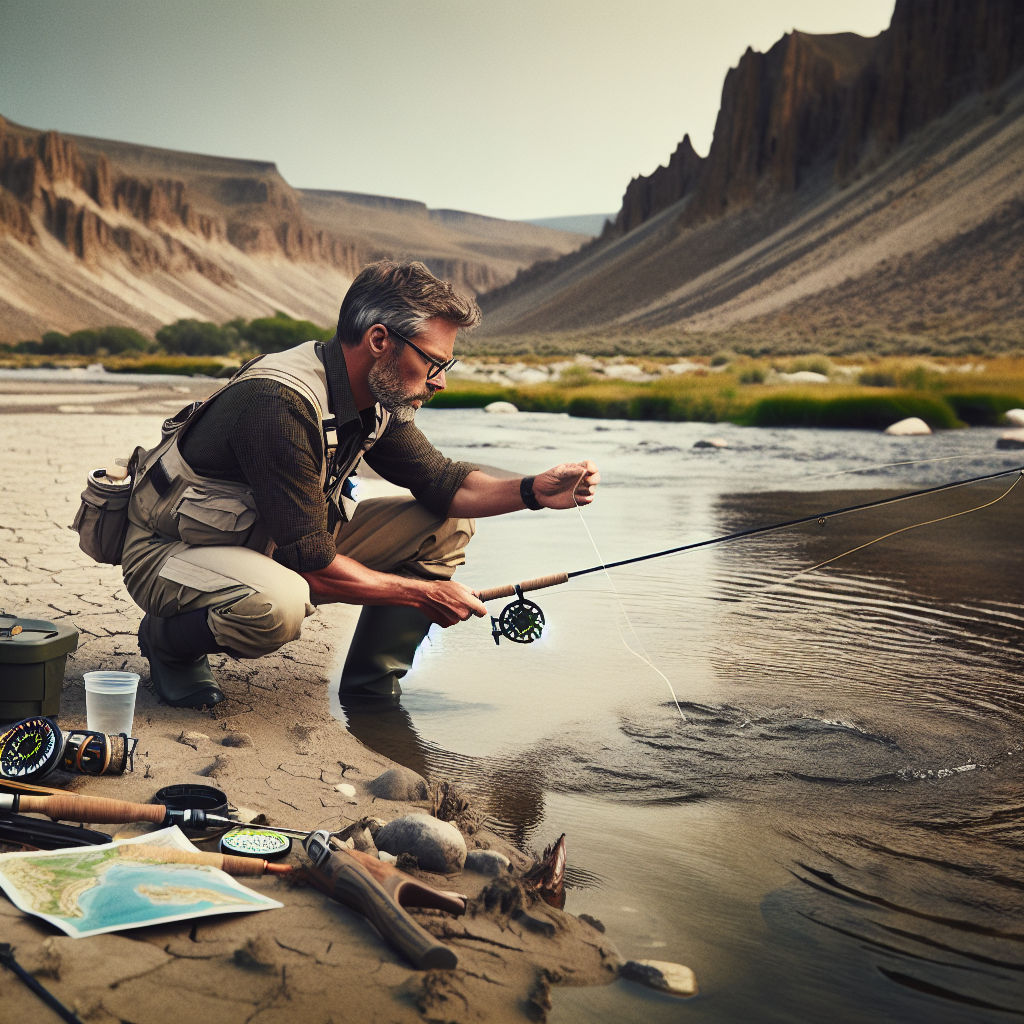
Drought conditions can pose significant challenges for fly fishing enthusiasts. Reduced water levels and higher temperatures can lead to stressed and elusive fish, requiring anglers to adapt their strategies accordingly. However, with a bit of knowledge and some thoughtful preparation, it’s possible to continue enjoying this beloved pastime even in times of drought. This guide will provide you with the insights and tips you need to make the most of fly fishing during dry spells, ensuring that you remain successful and that the fish populations remain healthy.
Understanding the Impact of Drought on Water Bodies
Before diving into specific strategies for fly fishing during drought, it’s crucial to understand how these conditions affect water bodies. During a drought, rivers and streams often experience significantly lower water levels, and lakes and ponds can shrink in size. Lower water levels mean less habitat for fish and can lead to increased water temperatures, both of which can stress fish populations. Higher temperatures decrease the amount of dissolved oxygen in the water, making it harder for fish to breathe.
Additionally, with reduced water flow, pollutants and nutrients can become more concentrated, further impacting fish health. Fish may become more lethargic and less likely to bite, and their feeding patterns can change. Understanding these changes and how they affect fish behavior is the first step towards adapting your fly fishing approach.
Adjusting Your Fly Fishing Techniques
When fly fishing during drought conditions, it’s essential to revise your techniques to account for stressed and elusive fish. One effective approach is to downsize your equipment. Using lighter rods, finer leaders, and smaller flies can present a more delicate and natural offering to the fish, which may be more cautious in clear, low water.
Another technique is to fish during cooler parts of the day. Early mornings and late evenings usually offer lower water temperatures, making fish more active and more likely to feed. During these times, shadows are longer, providing cover and reducing fish’s wariness. It’s also crucial to be stealthy when approaching the water, as fish in low and clear water can be easily spooked.
Pay attention to fly selection and presentation. During a drought, fish may switch to less active feeding patterns. Insects and other prey might be less abundant, so imitating small and sparse food sources can be beneficial. Present your fly in a way that mimics naturally occurring movements in the water, which can trigger strikes even when fish are reluctant to feed.
Targeting Specific Water Types
Knowing where to find fish during drought conditions can significantly increase your chances of success. In rivers and streams, focus on deeper holes, shaded areas, and undercut banks where fish might seek refuge from the heat and strong currents. Oxygen levels are typically higher in these spots, and fish are more likely to congregate.
When fishing in lakes or ponds, look for cooler water by targeting areas with springs or deeper pockets. Fish often move to these cooler zones to escape the warmer, shallow waters. Pay attention to thermoclines – layers in the water where temperature changes markedly – as fish tend to find comfort at these levels.
Another productive approach is to fish where tributaries or feeder streams enter larger bodies of water. These inlets often bring in cooler, oxygen-rich water, attracting fish. Explore the channels and pools around these areas for higher fish activity.
Conservation Considerations
Fly fishing during drought conditions calls for heightened awareness of conservation practices to protect stressed fish populations. One fundamental practice is catch and release, ensuring that fish are handled as minimally and gently as possible to reduce stress and improve their chances of survival.
Use barbless hooks to facilitate easier release and minimize injury to fish. When landing fish, wet your hands beforehand to avoid removing their protective slime coating, which helps prevent infections. Keep fish in the water as much as possible and release them quickly.
It’s also recommended to avoid fishing during peak heat periods. Higher water temperatures can cause severe stress to fish, making them more vulnerable to disease and death after being caught. By fishing during cooler times of the day and employing quick release methods, you can help preserve fish health.
Maintaining Your Gear
Drought conditions can be tough not only on fish but also on your fly fishing gear. Lower water levels often expose more rocks, gravel, and debris, which can damage your equipment. It’s essential to maintain and inspect your gear regularly to avoid any unpleasant surprises during your fishing trips.
Frequently check your lines for nicks and abrasions, as these can weaken your line and lead to breakages. Clean and dry your lines after each fishing trip to remove any debris and prevent mold and mildew. Your reels and rods should also be given a thorough inspection and cleaning to ensure they remain in good working order.
Adjusting your gear to suit the conditions is also essential. Lighter lines and leaders can help present a fly more naturally in low, clear water, but they can also be more prone to damage. Carry some backup lines and leaders just in case you need them.
Tuning into the Environment
Success in fly fishing, especially during challenging conditions like drought, often comes down to tuning into the environment and reading signs that indicate fish activity. Pay close attention to the behavior of birds and other wildlife, which can often give clues about where fish might be found.
Observe the water closely. Look for subtle rises, small bubbles, or disturbances on the water’s surface—these can all indicate fish presence. The color of the water can also reveal important information. Clearer water suggests a need for more delicate presentations and possibly smaller flies.
Additionally, temperatures can change dramatically in a small area, especially in streams and small rivers. Use a thermometer to check water temperatures in different locations to find where fish are more likely to be active. By paying attention to the minor details of the natural surroundings, you can gain a significant edge.
Conclusion
Fly fishing during drought conditions is undoubtedly challenging, but it’s far from impossible. By understanding the impacts of drought on aquatic environments, adjusting your techniques and gear, targeting the right water types, and adhering to conservation practices, you can not only continue to enjoy fly fishing but also contribute to the health of fish populations.
It’s crucial to remember that the goal isn’t just about catching fish; it’s about enjoying the experience and respecting the delicate balance of nature. Always stay informed about the specific conditions in your fishing areas and be willing to adapt to what the water and the fish are telling you.
Patience, observation, and a conservation mindset are your best tools during these trying times. Embrace these principles, and you’ll find that fly fishing during drought can be a rewarding and enriching experience. Whether you’re a seasoned angler or a beginner, these strategies will help you navigate the complexities of drought conditions and enhance your angling skills.