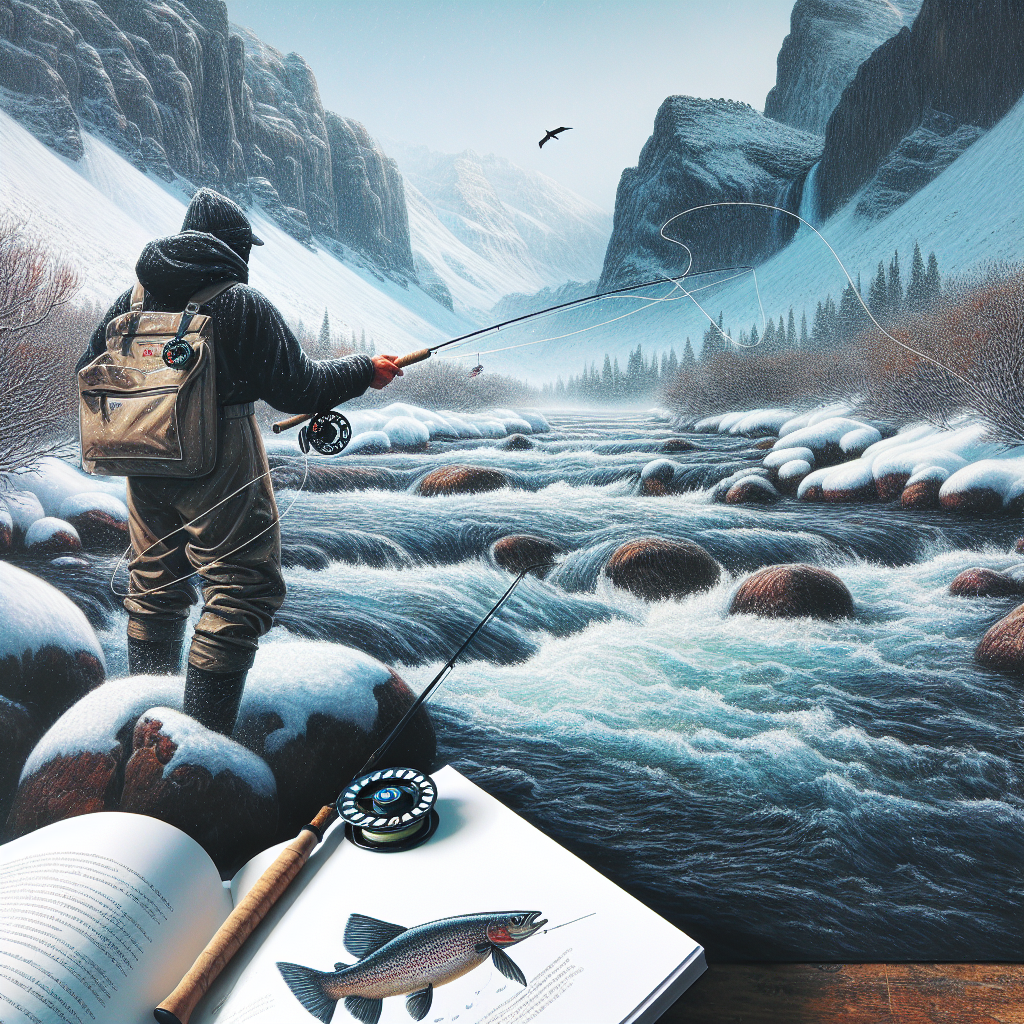
For those who have a passion for fly fishing, the changing seasons offer a myriad of opportunities and challenges. One of the most intriguing and often challenging times to fish is during snowmelt. As the warm air of spring and early summer begins to melt the snowpack, rivers and streams swell with cold, often crystal-clear water. This influx can lead to fantastic fly fishing conditions if you know how to navigate the unique challenges that come with it. Understanding the characteristics of snowmelt conditions and adapting your techniques accordingly is crucial for a successful outing. In this article, we’ll delve into the essentials of fly fishing during snowmelt, providing comprehensive tips and approaches to help you make the most out of this time of year.
Understanding Snowmelt Hydrology
To truly excel at fly fishing during snowmelt, it’s vital to grasp how snowmelt hydrology impacts waterways. Snowmelt typically starts in the late spring as temperatures rise, and it continues into early summer in higher elevations. The first thing you’ll notice when you arrive at a river or stream in snowmelt season is the higher water levels. This is particularly true in areas with substantial snowpack. The increased water volume can make some spots more challenging to wade, and the colder temperatures can limit fish activity initially. However, as the season progresses, these factors stabilize, and fishing can become very productive.
Another significant factor is the clarity of the water. Early in the snowmelt period, water can be quite muddy and filled with sediments, which can make it harder for fish to see your flies. But as the runoff continues, the water will generally clear up. Fish tend to be more active in clear water, so picking the right time to fish is crucial. Understanding the timing and pattern of snowmelt in your area will give you a significant advantage.
Choosing the Right Gear
Fishing during snowmelt calls for specific gear tailored to the conditions. Firstly, let’s talk about waders. Given the cold temperatures of snowmelt water, insulated waders are almost a necessity. Neoprene waders manufactured to keep you warm and dry can make your experience much more comfortable. Pairing them with fleece Under Wader Pants will provide even more warmth without impacting mobility too much.
Next, focusing on your rod and reel setup, you might want to consider gear that can handle heavier flies and lines. A rod in the 5 to 7 weight range is typically a good fit for snowmelt fly fishing because of the stronger currents and larger flies you might need to use to attract fish. Reels with a good drag system are also essential, as the strong currents can make landing fish more challenging.
Fly lines also play an essential role. Since snowmelt fishing often involves deeper waters, sinking-tip or full-sink lines can be beneficial. These lines help get your fly down to where the fish are in the water column. Coupling them with a sturdy leader and tippet can ensure your fly stays in the strike zone.
Best Flies for Snowmelt Fishing
One of the great things about fly fishing during snowmelt is the variety of flies that can be effective. However, certain types tend to be more productive in these conditions. Streamers, nymphs, and woolly buggers, in particular, are often highly effective.
Streamers mimic fish and baitfish, making them irresistible to predatory trout. The trick is to select patterns and colors that stand out in the sometimes murky snowmelt conditions. Brightly colored streamers such as those in chartreuse, white, or even flashy patterns often yield good results.
Nymphs, on the other hand, mimic aquatic insects that are a staple in any trout’s diet. Weighted nymphs can help get your fly to the depths where fish are holding. Classic patterns like the Pheasant Tail or Hare’s Ear can be very effective during this time.
Finally, woolly buggers stand out as versatile and highly effective flies during snowmelt. These flies imitate a variety of food sources and are especially useful when fishing in high, turbulent waters. The combination of their size, movement, and visibility makes them a great choice.
Mastering Techniques and Presentation
The right techniques can significantly boost your success rate when fly fishing in snowmelt. Because of the increased water flow, getting your fly down to the fish is essential. Techniques such as high-sticking for nymphs or using a sink-tip line for streamers help achieve this. The key here is to balance depth with presenting your fly in a natural manner.
One technique particularly advantageous in these conditions is the downstream swing. This involves casting upstream and allowing your fly to drift downstream naturally. This method takes advantage of the strong currents to create a natural presentation that can be very enticing to fish. You can also add small twitches to your line to simulate the movements of an injured prey, which can attract predatory strikes.
Another effective technique is targeted casting. Focus your casts on areas where fish are likely holding, such as behind rocks, along seams where fast water meets slower currents, or under overhangs and tree branches where fish seek cover. The precision of your cast can make a significant difference, particularly in high-flow conditions where fish are less mobile.
Reading the Water
Understanding how to read the water is a crucial skill for fly fishing in snowmelt conditions. The high flow associated with snowmelt means that fish are likely to be found in specific locations where they can find shelter and conserve energy. Features such as eddies, seams, and pools become prime fish-holding spots.
Look for eddies behind large rocks or along banks where the current slows down. These areas provide fish with relief from the stronger currents and an opportunity to ambush passing prey. Similarly, seams – the lines where fast and slow water meet – are another excellent place to target. Fish often hold in the slower water, darting out to capture food drifting by in the fast water.
Pools and deeper runs also become sanctuaries for fish during high flows. These deeper sections often have slower-moving water at the bottom, where fish can lie in wait. Being able to identify and target these specific types of water will increase your chances significantly.
Safety Considerations
Fly fishing during snowmelt can be an exhilarating experience, but safety should be your top priority. The increased water flow and lower temperatures present unique hazards. Always wear a wading belt with your waders to prevent water from filling them, which can happen quickly if you take a spill.
A sturdy wading staff is another excellent investment. It provides additional stability, especially when navigating through fast currents and slippery rocks. Make sure to test the depth and strength of the current before stepping forward to avoid unexpected falls. Additionally, fishing with a buddy during snowmelt can offer extra safety. Having someone nearby in case of an accident ensures quicker response and assistance. Lastly, always inform someone about your fishing plans and expected return time.
Conclusion
Fly fishing in snowmelt conditions presents a unique set of challenges and rewards. Understanding the hydrology, choosing the right gear, selecting effective flies, mastering presentation techniques, reading the water, and adhering to safety considerations are all pivotal for success. With the right preparation and approach, the snowmelt season can offer some of the most exhilarating and productive fly fishing of the year. So next time you see those snow-capped peaks, don’t just think about the end of winter. Get excited for the opportunities that lie ahead in the rushing, clear waters below.