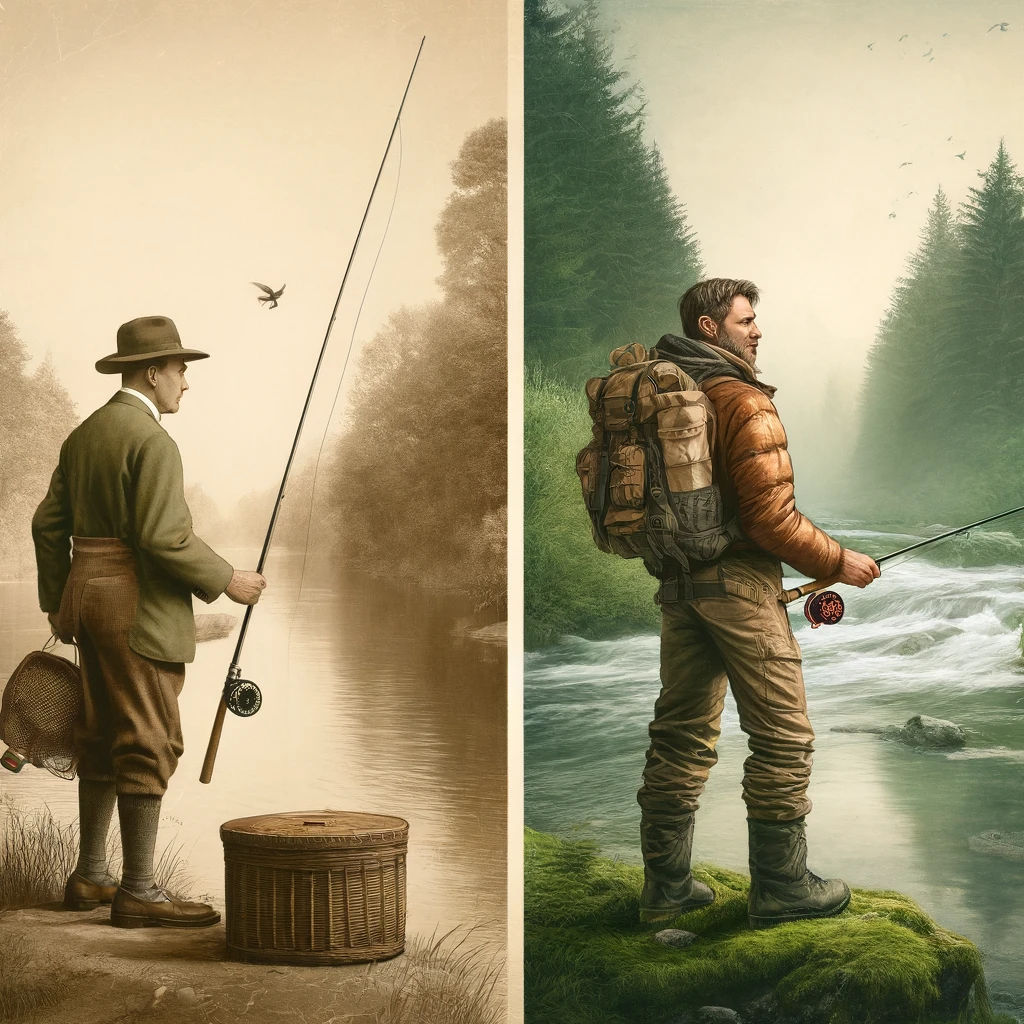
Fly fishing is a timeless tradition that blends the serenity of being outdoors with the excitement of catching fish. Among the various species a fly angler can target, trout are a favorite due to their distinct behavior and natural habitats. Understanding the basics of fly fishing for trout is essential for both novices and experienced anglers wanting to enhance their skills. This guide will cover the essential techniques and tips you need to know to successfully catch trout in freshwater environments.
Introduction: What You Need to Get Started
Before diving into the nuanced techniques of fly fishing for trout, it’s important to start with the foundational gear you’ll need. The basic setup includes a fly rod, reel, line, leaders, tippets, flies, and other accessories. Selecting the right equipment tailored to trout fishing can make a significant difference in your success on the water.
Fly Rod and Reel: A 9-foot rod with a 5-weight line is a versatile choice that works well in a variety of trout environments. Ensure the reel matches the rod’s weight and has a quality drag system.
Fly Line: Floating lines are most common for trout fishing. They allow you to present flies delicately and manage line control effectively.
Leaders and Tippets: A tapered leader, starting with a thicker section and tapering down to a thinner section where it connects to the tippet, ensures smooth casting. Usually, a 9-foot 4X or 5X leader is a good choice for trout fishing.
Flies: Stock your fly box with a variety of dry flies, nymphs, and streamers. The specific types will depend on the hatch and local conditions, but patterns like Adams, Elk Hair Caddis, and Pheasant Tail Nymphs are solid staples.
Accessories: Other accessories include a good pair of waders, a net for landing fish, polarized sunglasses to spot fish more easily, and a fly box to organize your flies.
Understanding Trout Behavior and Habitats
Trout behavior and their preferred habitats are critical aspects to understand when fly fishing. These fish are often found in clear, cold waters such as rivers, streams, and lakes. Each environment requires different approaches and techniques to be successful.
River and Stream Trout: Trout in rivers and streams position themselves to conserve energy while having easy access to food. They prefer staying in sheltered areas behind rocks, in deeper pools, or along current seams where food is conveyed by the flowing water. Observing these areas helps identify prime fishing spots.
Lake Trout: In lakes, trout often cruise shallow waters during cooler months and retreat to deeper, cooler areas in the heat of summer. Fishing near drop-offs, submerged structures, or aquatic vegetation can be productive. Understanding their seasonal movements and varying techniques accordingly can increase success.
Another key behavior to note is the trout’s feeding habits. They feed on insects (both aquatic and terrestrial), small fish, and occasionally crustaceans. Matching your flies to the prevalent food source is a tactic known as “matching the hatch,” and it involves studying the water for signs of insect life.
Basic Casting Techniques for Trout Fly Fishing
Casting is an essential fly fishing skill, and mastering basic casting techniques is crucial for successful trout fishing. Proper casting allows for accurate presentation of the fly and minimal disturbance of the water.
The Basic Overhead Cast: This classic cast involves smoothly lifting the line off the water, accelerating it into the back cast, and then propelling it forward. Focus on smooth, controlled movements and stop the rod at the 10 o’clock and 2 o’clock positions during the forward and back casts, respectively.
The Roll Cast: Useful in constrained spaces or when there’s no room for a back cast, the roll cast helps place the fly on the water’s surface without lifting it into the air. Create a D-loop with the line and use a sharp forward flick of the rod to propel the line forward.
Double Haul Cast: This advanced casting technique increases line speed and distance. It involves a coordinated series of pulls (hauls) on the fly line during both the back cast and forward cast, effectively loading and unloading the rod.
Practice is key in mastering these techniques. Spend time honing your casting skills on dry land before translating them to the water. Consistent practice leads to smoother casts and better fish presentation, essential for enticing wary trout.
Effective Fly Presentation and Drifting
Once you’ve cast your fly, effective presentation and drifting become pivotal in enticing trout to strike. Presentation refers to how the fly lands on and drifts through the water, mimicking natural food.
Drag-Free Drift: Keeping your fly moving naturally with the current, free from unnatural movement caused by the line’s tension, is known as a drag-free drift. Mending your line—lifting and repositioning it upstream or downstream—helps maintain a natural drift and is crucial when fishing trout in streams and rivers.
Dead Drift: This technique involves letting nymphs and other subsurface flies drift naturally with the current, mimicking how real insects move. Position yourself upstream and allow the fly to float downstream without resistance.
Dry Fly Presentation: When fishing with dry flies that float on the surface, cast your fly slightly upstream of the target area. Allow it to drift naturally over feeding trout without drag. Pay attention to subtle strikes and be ready to set the hook gently, as trout often take dries delicately.
Experiment with different presentation techniques and observe how trout respond. Adjusting your strategy based on their behavior can greatly enhance your success.

Reading the Water: Identifying Prime Fishing Spots
Reading the water involves interpreting current conditions, structure, and other environmental factors to identify where trout are likely to be found. It’s a critical skill that separates successful anglers from the rest.
Current Seams and Eddies: These areas provide trout with a steady supply of food while offering protection from the main current. Look for converging currents that form seams or slow-moving water behind obstructions where food gathers.
Pools and Riffles: Deep pools often hold larger trout, particularly in warm weather, as they offer cooler, oxygen-rich water. Riffles, characterized by shallow, fast-moving water, are prime feeding grounds, especially during hatches of aquatic insects.
Undercut Banks and Overhanging Vegetation: Trout use these areas for cover from predators and as ambush points for passing food. Cast your fly close to these structures, and be prepared for quick strikes.
Submerged Structures: Rocks, logs, and other submerged structures create pockets of slower water where trout can hold and feed. Fishing around these features using nymphs or streamers can be highly productive.
Pay attention to the flow and clarity of the water, as well as insect activity. These indicators help predict where trout are likely to be holding and feeding, guiding your approach to fly fishing.
Matching the Hatch: Selecting the Right Flies
“Matching the hatch” involves selecting flies that closely resemble the insects currently hatching or present on the water. Understanding local hatches and seasonal patterns is key to successful trout fishing.
Observe the Environment: Spend time observing the water and surrounding environment for signs of insect activity. Look for rising fish, inspect spider webs for trapped insects, and use a seine net to collect samples from the water.
Common Fly Patterns: While exact fly patterns vary by region, some universally effective patterns include:
- Dry Flies: Adams, Elk Hair Caddis, Blue Wing Olive, and Pale Morning Dun.
- Nymphs: Pheasant Tail, Hare’s Ear, Prince Nymph, and Zebra Midge.
- Streamers: Woolly Bugger, Clouser Minnow, and Muddler Minnow.
Seasonal Adjustments: Early spring often sees emergences of mayflies and caddisflies, while summer can feature terrestrial insects like ants, grasshoppers, and beetles. In fall, focus on late-hatching species and baitfish imitations.
Experiment with different fly patterns and observe how trout react. Keeping a detailed log of successful flies and conditions can help refine your fly selection over time.
Setting the Hook and Playing the Fish
Setting the hook and playing a trout correctly are essential skills that ensure you land your catch rather than losing it during the fight.
Setting the Hook: When you detect a bite, a quick, firm upward motion of the rod sets the hook into the fish’s mouth. For dry flies, wait a split second before setting the hook to ensure the trout has taken it fully. Too fast a reaction can pull the fly from its mouth.
Playing the Fish: Trout are known for their powerful runs and acrobatic leaps, so playing them carefully is critical. Maintain steady pressure on the fish, using the rod’s flexibility to absorb its movements. Allow the reel’s drag system to tire it out, and avoid forcing it in too quickly to prevent losing it.
Using the Net: Once the trout is close, use a landing net to secure it. Wet the net before use to minimize damage to the fish’s protective slime coating. Scoop the fish headfirst and support it gently with both hands.
Practicing these techniques increases your chances of landing trout successfully and ensures a safe and respectful release if you practice catch and release.
Conclusion: Becoming a Proficient Trout Angler
Fly fishing for trout is an art that blends skill, observation, and patience. By understanding the basics of gear selection, trout behavior, casting techniques, fly presentation, reading water, matching the hatch, and proper hook-setting, you’ll be well on your way to becoming a proficient trout angler.
Remember, fly fishing is as much about the experience and connection with nature as it is about catching fish. Each outing presents an opportunity to learn and refine your skills. Pay attention to the details, respect the environment, and enjoy the process. Over time, your efforts will be rewarded with memorable catches and a deeper appreciation for the sport of fly fishing.