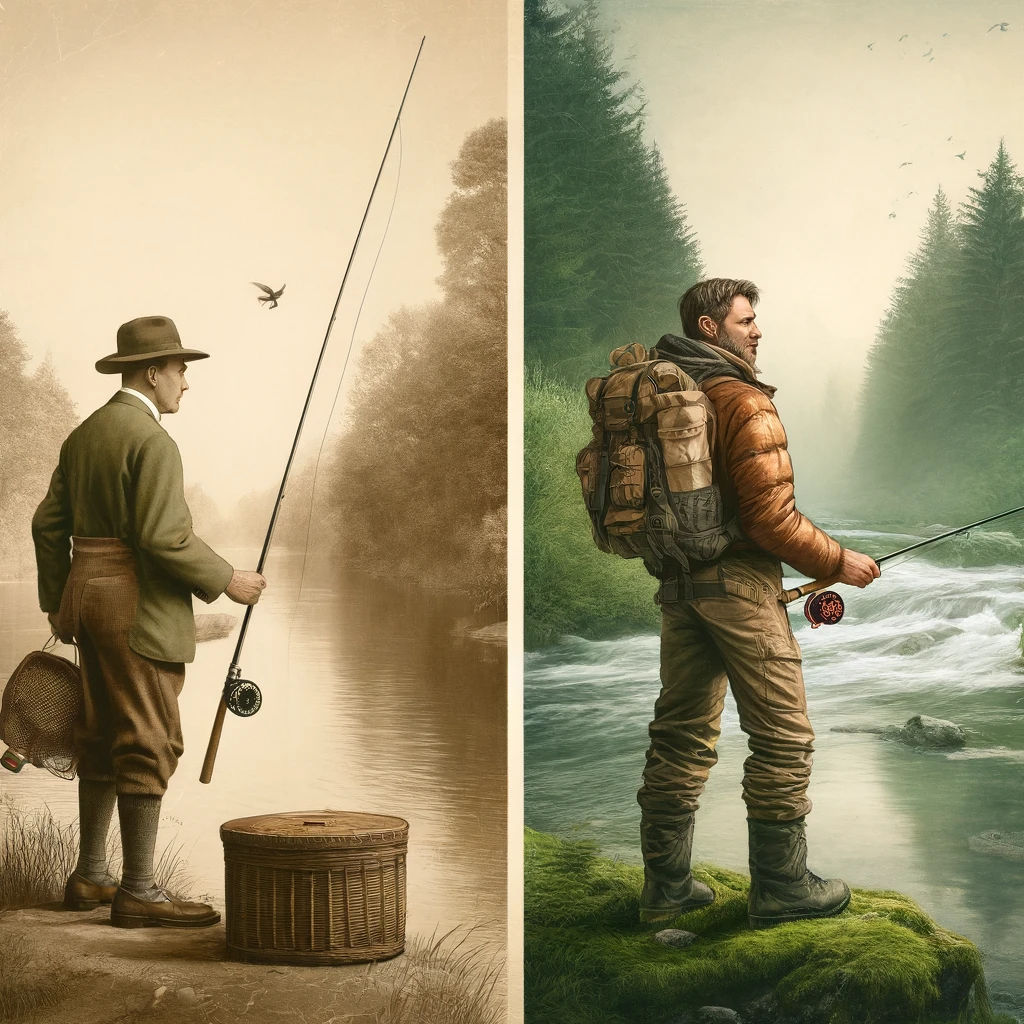
Fly fishing is an art form that dates back centuries, revered for its calm and the thrill of outsmarting a fish. Among the most exhilarating moments in fly fishing is encountering a hatch—a period when aquatic insects emerge en masse, tempting fish to feed aggressively on the surface. However, to make the most of a hatch, timing and technique are crucial. This guide will delve into the basics of fishing a hatch, offering strategies and tips to help you succeed in your fly fishing endeavors.
Introduction
Picture this: The river is calm, and the sun just started to dip below the horizon. Then, like an orchestrated ballet, insects emerge from the water surface, and fish begin to rise, snapping at this sudden bounty. This magical moment is what fly fishers dream of—a hatch. But achieving success during a hatch isn’t about luck; it requires an understanding of timing and mastering various techniques.
Whether you’re a seasoned angler or a beginner, fishing a hatch can be both thrilling and challenging. Understanding the behavior of insects and fish during a hatch is key to enhancing your fishing experience. Not only does it require the right equipment, but also the knowledge of seasonal patterns and insect life cycles. This article will navigate you through the essentials you need to know, offering insight into timing and honing the techniques that will increase your chances of landing more fish.
So, let’s wade into the river of information about hatches and equip you with the skills necessary to fish them successfully. From anticipating the right time to present your fly to choosing the perfect imitation, master the art of fishing a hatch and elevate your fly fishing game.
The Importance of Timing in Fishing a Hatch
Timing is the linchpin of success in fishing a hatch. Each species of aquatic insect hatches at specific times of the year, often keyed to water temperature and day length. Understanding these patterns can place you at the right spot at the right time.
Here’s what to consider:
- Seasonal Timing: Different insects hatch in different seasons. Mayflies, for instance, are prevalent in spring and early summer, while caddisflies often appear in late spring and early fall. Research local streams to know what hatches are likely when you plan your trip.
- Daily Timing: Most hatches occur either in the early morning or late afternoon/evening. Keep an eye on the water and air temperatures, as these can trigger hatches. Thermometers can be useful tools in predicting when a hatch might start.
- Weather Conditions: Overcast and calm days usually prolong hatches, whereas sunny conditions might shorten them. Windy days can spread insects out and make it tougher for fish to rise consistently to your fly.
By aligning these timing elements with your fishing outings, you can capitalize on the peak feeding periods of fish, maximizing your chances of a productive session.
Recognizing and Identifying a Hatch
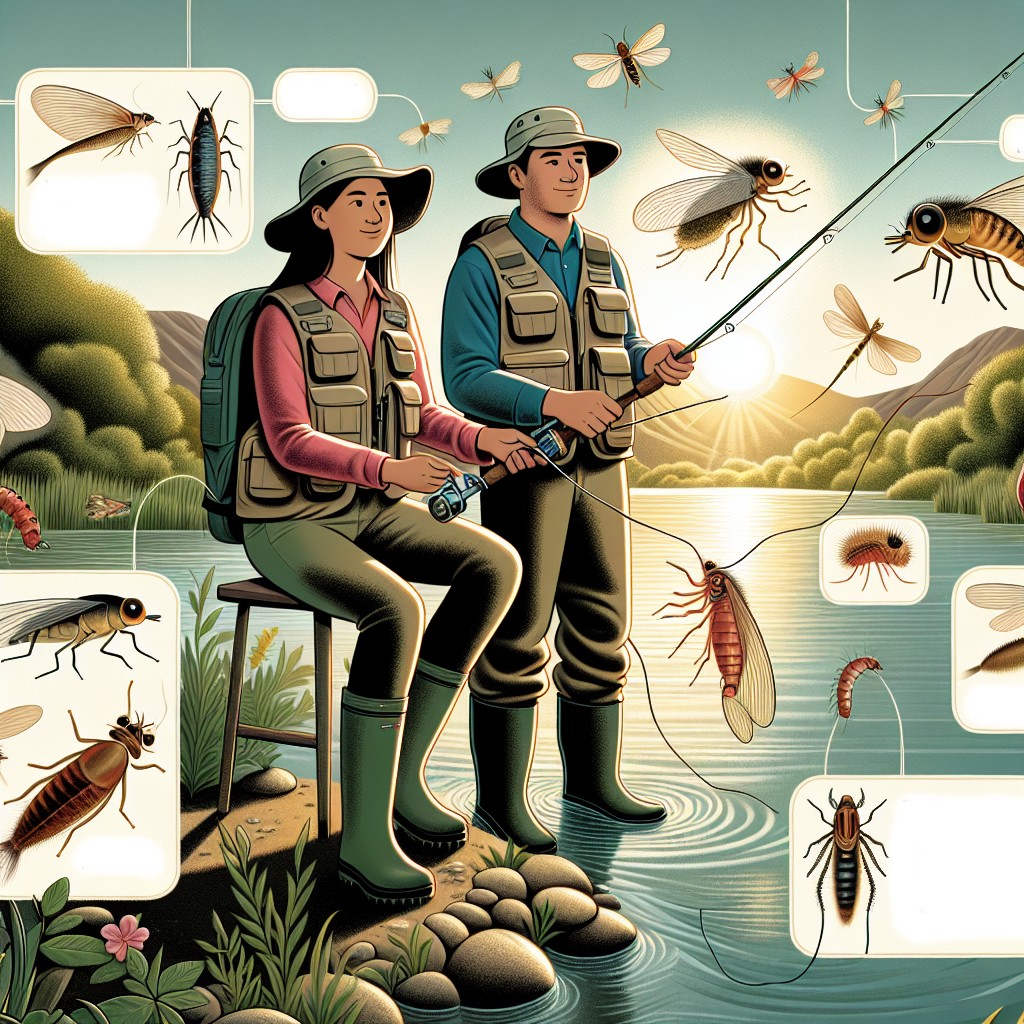
Recognizing an impending hatch takes observation skills which can be honed over time. Typically, you will notice insects starting to gather on the water surface, followed by increasing activity from feeding fish. However, identifying the specific type of insect hatching is crucial for selecting the right fly.
Here’s a quick guide to help:
- Observe the Water: Check for nymphs swimming towards the surface or insects taking flight. Floating insects and water ripples are good indicators.
- Check the Air: Near the water, observe the air for flying insects clustering around the water. The behavior and physical appearance of these insects can give valuable clues.
- Use a Seining Net: Dragging a net through the water can capture insects, providing a closer look at what the fish might be eating.
Identifying the hatch accurately allows you to choose the right fly imitation, matching the natural insect’s size, color, and behavior.

Matching the Hatch: Fly Selection and Presentation
Matching the hatch involves selecting a fly that closely resembles the insects currently on the water. This is pivotal for enticing fish to strike. Fly selection considers size, color, and the stage of the insect’s life cycle—nymph, emerger, dun, or spinner.
- Size: Ensure that your fly matches the size of the natural insect. Too big or too small a fly may disregard it.
- Color: While perfect color matching can be debatable, select a fly that closely approximates the natural hues of the insects on the water.
- Stage: Recognize whether fish are targeting nymphs, emergers, adults (duns), or spent insects (spinners), and choose your fly accordingly.
Proper presentation is crucial. Here are some techniques to consider:
- Dead Drift: Cast upstream and let the fly drift naturally down with the current without any drag.
- Emerger Presentation: Use a fly that mimics the motion of insects emerging through the water surface, often requiring short, subtle tugs to make the fly move.
- Dry Fly Presentation: Ensure your fly floats naturally on the water surface, ideally with minimal line or leader drag.
By paying close attention to these details, you enhance the likelihood that fish will take your fly.
Strategy and Technique for Effective Fishing
Patience and strategic thinking are your allies when fishing a hatch. Positioning and technique play critical roles. Here are some strategies to optimize your fishing experience:
- Positioning: Place yourself where the fish are most active. Fish tend to favor areas with current breaks, such as behind rocks or near eddies.
- Stealth Approach: Fish can be sensitive to disturbances. Approach your chosen spot quietly and minimize sudden movements to avoid spooking them.
- Watching the Fish: Observe fish behavior. Are they rising aggressively? How frequently are they feeding? This can provide clues on how and where to cast your fly.
For better technique:
- Short Casts: Shorter casts ensure better accuracy and control, making it easier to achieve a drag-free drift.
- Mending the Line: Adjust (or mend) your fly line by lifting and repositioning it to reduce drag, allowing your fly to drift naturally.
- Changing Flies: If fish seem uninterested in your fly, don’t hesitate to switch. Experiment with different sizes, colors, and types until you find what works.
Essential Gear for Hatch Fishing
Having the right gear enhances your chances of making the most out of fishing a hatch. While your specific needs will vary based on the environment and target species, some essential tools include:
- Rods and Reels: Opt for lightweight rods (4-5 weight) for better control and delicate presentations. Use reels with a smooth drag system to handle sudden runs.
- Lines and Leaders: Choose a floating fly line for easy casting and presentations. Use a 9-foot leader tapered to a fine tippet (5X to 7X) to reduce visibility and improve fly performance.
- Fly Boxes: Carry a varied selection of flies to match different hatches. Organize by type, size, and color for quick access.
- Polarized Sunglasses: These reduce glare and help you spot fish and insects better, making it easier to track your fly.
- Vest or Pack: A vest or pack with multiple pockets helps keep tools like hemostats, nippers, and floatant on hand for quick adjustments.
- Landing Net: Use a mesh net to avoid harm to fish during catch-and-release, ensuring a safe release back into the water.
Investing in quality gear can make a significant difference in your efficiency and enjoyment while fishing a hatch.
Conclusion
Fishing a hatch is a fascinating blend of art and science—a dance between understanding nature’s rhythms and crafting the perfect presentation to entice fish. By nailing down the timing, accurately identifying hatches, and honing your fly selection and presentation techniques, you stand to maximize your success during these short but profoundly rewarding windows.
Remember, patience, careful observation, and strategy are your most valuable assets on the water. Equip yourself with the right gear, keep a keen eye on both the water and air, and be prepared to adapt to the ever-changing dynamics of the river.
Whether you’re an aspiring angler or a seasoned pro, the exhilaration of fishing a hatch never dulls. It’s where preparation meets instinct, and where the magic of fly fishing truly comes alive. May your next outing be filled with the thrill of the hatch and the joy of landing more fish than ever before.