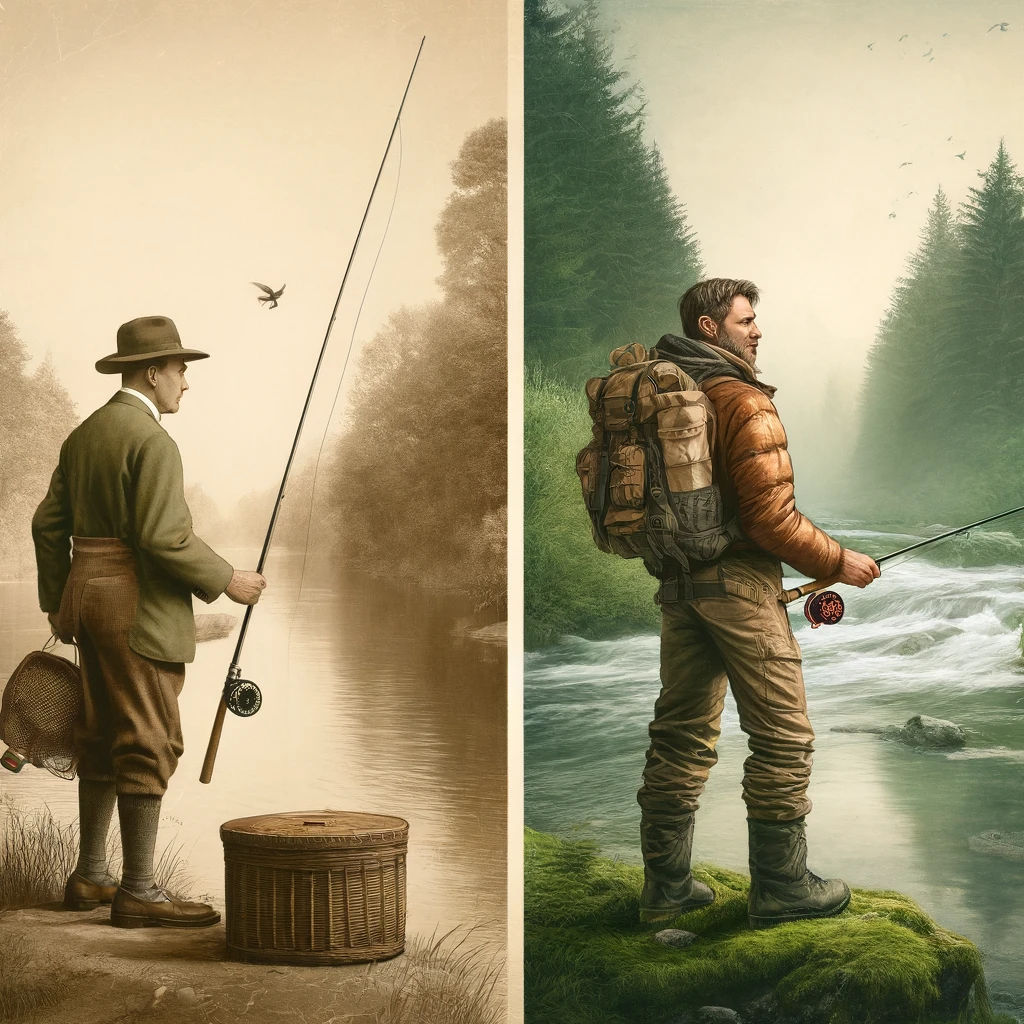
Fly fishing is an intricate and rewarding sport that combines elements of strategy, skill, and patience. Among the various techniques and tools utilized by anglers, knot tying stands as a fundamental skill that can significantly influence one’s success on the water. The importance of mastering various knots cannot be overstated, as the right knot can ensure a secure connection between the angler and the fish. Today, we’ll delve into one of the most essential knots used in fly fishing, especially for streamer fishing – the Loop Knot.
Introduction to the Loop Knot
In fly fishing, the ability to tie a reliable loop knot can make a significant difference in how your streamer presentations perform in the water. Unlike dry fly or nymph fishing, where you might use a tight line or delicate presentation, streamer fishing often involves more aggressive retrieves and larger flies designed to imitate baitfish or other swimming prey.
The Loop Knot, also known as the Non-Slip Loop Knot or the Kreh Loop after its inventor, Lefty Kreh, is specially designed to create an open loop that allows the fly to move more freely in the water. This increased mobility can make the fly look more lifelike and enticing to predatory fish.
As we explore the intricacies of the Loop Knot, it’s important to note that the knot’s effectiveness isn’t just about being secure. Rather, it’s also about the movement and presentation it affords your fly. With that in mind, let’s break down why the Loop Knot is so essential for streamer fishing, how to tie it properly, and some tips and tricks to ensure your success on the water.
The Importance of Mobility in Streamer Fishing
Streamers are designed to mimic baitfish, leeches, crayfish, and other prey that larger fish, such as trout, bass, and pike, feed on. When using streamers, you’re looking to trigger a predatory response, and to do that effectively, your fly needs to move naturally. This is where the Loop Knot shines.
The Loop Knot creates an open loop between your fly and the leader, allowing the streamer to swing, dart, and undulate freely. This added movement can be the difference between a fish taking your fly and ignoring it. The lifelike action that the Loop Knot gives to the streamer can provoke strikes from even the most hesitant fish.
Moreover, the open loop doesn’t hinder the fly’s action regardless of the current’s strength or the speed of your retrieve. Whether you’re fishing a fast-flowing river or a calm lake, the Loop Knot assures that your streamer maintains its enticing movement, making it a versatile and essential knot for any angler’s repertoire.
How to Tie the Loop Knot
Tying the Loop Knot might seem daunting at first, but with a bit of practice, it becomes second nature. Here’s a step-by-step guide to help you master it:
- Start by forming an overhand knot in the tippet, leaving about 10 inches of tag end. This serves as your starting loop.
- Pass the tag end through the eye of the fly or lure.
- Bring the tag end back through the original overhand loop.
- Wrap the tag end around the standing part of the tippet approximately 4-6 times.
- After wrapping, pass the tag end back through the overhand loop, following the same path it exited.
- Moisten the knot with saliva or water to reduce friction and gently pull the tag end and standing line to cinch the knot tight.
- Trim the excess tag end, but leave a small margin to ensure the knot’s security.
Practicing this knot with different tippet materials and sizes can help you become more proficient. It’s also useful to periodically test the knot’s strength to ensure it holds up under different fishing conditions.

Common Mistakes and How to Avoid Them
Although the Loop Knot is relatively simple, beginners often make a few common mistakes. Awareness of these errors can help you avoid them and ensure your knots are secure and effective.
- Not moistening the knot: Failing to moisten the knot before tightening can lead to friction burns, which weakens the knot and causes it to break under strain.
- Insufficient wraps: Not wrapping the tag end around the standing line enough times can result in a knot that slips. Ensure you make at least 4-6 wraps for optimal strength.
- Incorrect loop size: Making the loop too large can affect the fly’s movement, while too small a loop can restrict it. Aim for a loop size that allows freedom of movement without being overly large.
Advantages of Using the Loop Knot
Choosing the Loop Knot for your streamer fishing offers several advantages. First, its design maximizes the fly’s movement, making it appear more natural in the water. This increased motion can be particularly effective when targeting aggressive fish species.
Second, the Loop Knot is strong and reliable, providing you with confidence that your fly will remain secure even when battling larger fish. Its ability to maintain tension and withstand sudden jerks or pulls makes it ideal for predator fishing.
Furthermore, the Loop Knot is versatile and can be used with various types of flies, from streamers to poppers to certain nymphs. Its ease of tying, once mastered, also ensures that you can quickly and efficiently change flies on the water without losing precious fishing time.
When to Use the Loop Knot
While the Loop Knot is particularly effective for streamers, it’s also useful in other fly fishing scenarios. Here are a few instances where opting for a Loop Knot can enhance your fishing experience:
- Fishing in heavy cover: In areas with dense vegetation or underwater obstacles, the Loop Knot’s strength can prevent break-offs when fish dive for cover.
- Using large flies: For large streamers or poppers that require more movement to attract fish, the Loop Knot enables maximum action.
- Targeting aggressive species: For species known for their aggressive hits and strong fights, like pike or bass, the Loop Knot provides a secure connection, minimizing the risk of losing the fly.
Conclusion
Fly fishing is a sport that combines strategy, skill, and a deep appreciation for nature. One of the fundamental skills for any angler is the ability to tie strong and effective knots. The Loop Knot stands out as an essential knot for streamer fishing, allowing the fly to move naturally and increasing the chances of attracting predatory fish. By mastering the Loop Knot, you can enhance your fishing presentations and improve your success rate. Remember to practice tying the knot, avoiding common mistakes, and understanding when and why to use it. Whether you’re a seasoned angler or a beginner, incorporating the Loop Knot into your repertoire will undoubtedly make you a more versatile and effective fisherman. So, the next time you head out to the water, don’t forget to utilize this valuable knot and enjoy the incredible experience that streamer fishing has to offer.