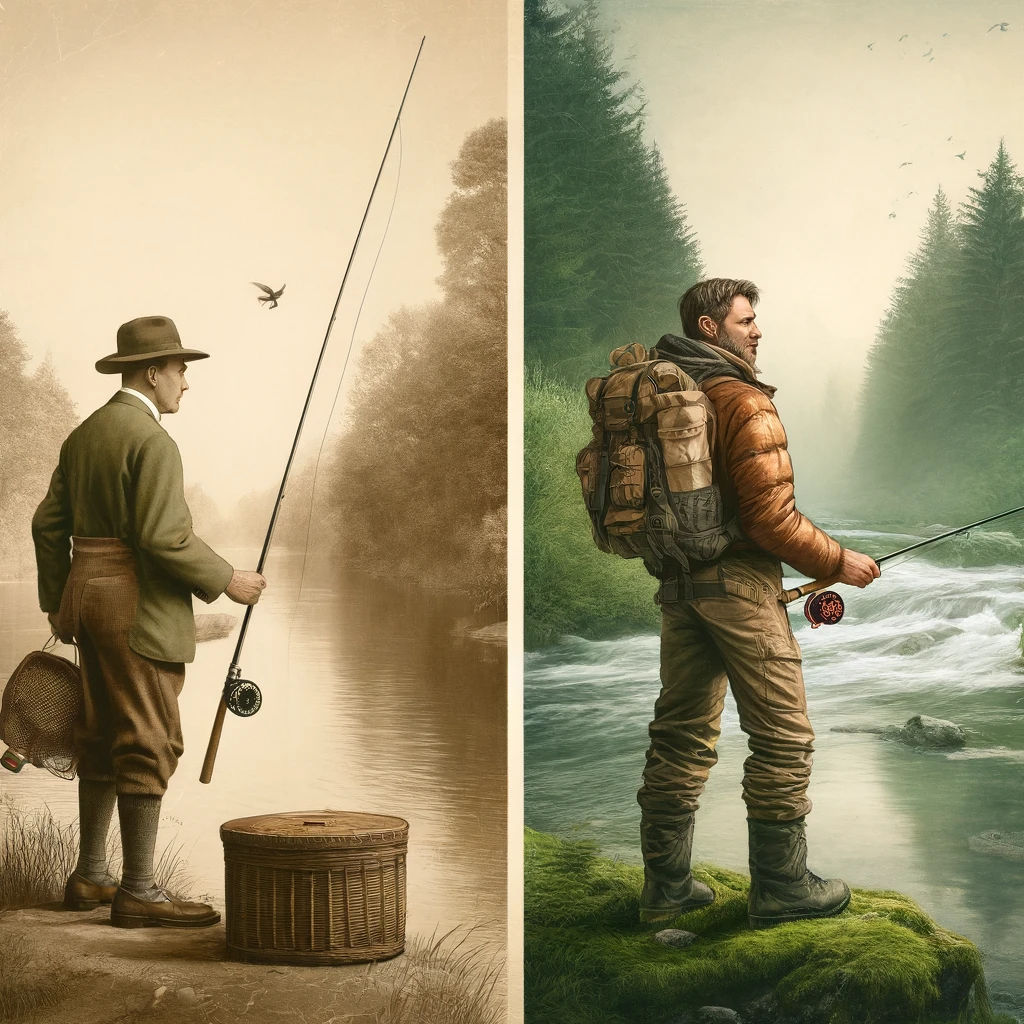
Fly fishing can be both a tranquil hobby and a challenging sport, striking a delicate balance between patience and skill. For many, mastering the art of fly fishing is a lifelong pursuit that brings a sense of accomplishment and connection to nature. At the heart of fly fishing success lies one critical element: casting accuracy. By honing your casting techniques, you can increase your chances of placing your fly exactly where you want it, which ultimately translates to more successful catches. Whether you’re new to fly fishing or have been casting lines for years, focusing on accuracy is a rewarding endeavor that can elevate your experience on the water.
In this comprehensive guide, we will explore the basics of fly casting with an emphasis on accuracy. Regardless of your current skill level, these techniques and tips will help you improve your aim and hit your target more consistently. We will cover everything from the fundamentals of casting to advanced methods for fine-tuning your precision. So, let’s cast off and dive into the world of accurate fly fishing.
Understanding the Basics of Fly Casting
Before we delve into the specifics of accurate casting, it’s essential to understand the foundational elements of fly casting itself. Unlike traditional fishing methods, fly fishing uses a weighted line to cast lightweight flies. This unique characteristic requires a different set of skills and techniques. The basic components of a fly cast include the backcast, the forward cast, and the stop.
The backcast is the initial motion where the rod is lifted and the line is drawn behind the angler. Proper form involves a smooth acceleration to a stop, allowing the line to fully extend behind you. The forward cast follows, where the rod is driven forward, propelling the line and fly towards the target. Finally, the stop refers to the abrupt pause in the casting motion that allows the energy to transfer from the rod to the line, achieving the desired distance and placement.
Understanding these basic components is crucial because refining your accuracy begins with mastering your fundamentals. Poor form in any of these stages can lead to ineffective casts and inaccurate fly placement. Practice these basic motions until they become second nature, as this will lay the groundwork for more advanced casting techniques.
Improving Your Backcast
The backcast is particularly important when aiming for accuracy. Many anglers make the mistake of rushing this phase or not paying it enough attention, but in reality, an effective backcast sets the trajectory for your forward cast. Here are some tips to improve your backcast:
- Smooth Acceleration: Begin your backcast with a slow and smooth acceleration, increasing speed as you move the rod. This helps to keep the line straight and taut, maximizing control.
- Proper Angle: Aim for an upward angle of approximately 45 degrees. This helps in getting your line clear off the water and avoids snagging it behind you.
- Full Extension: Allow the line to fully extend behind you before moving into your forward cast. Waiting for that slight pause when the line is fully extended can make a world of difference.
By focusing on these aspects, you can set a strong foundation for an accurate forward cast, ultimately improving your overall accuracy on the water.

Mastering the Forward Cast
While the backcast sets you up, the forward cast is where accuracy truly comes into play. The goal is to deliver the fly precisely to your target, and small adjustments can lead to significant improvements. Here are some tips for mastering the forward cast:
- Wrist Control: Keep your wrist firm but not rigid. Too much wrist movement can throw off your aim, while too little can reduce power and distance.
- Steady Acceleration: Similar to the backcast, use a smooth and steady acceleration in your forward cast. Avoid jerky movements, keeping your motion fluid and controlled.
- The Stop: A crucial component of the forward cast is the stop. Make a sharp stop with the rod tip pointing slightly upward. This allows the energy to transfer efficiently, propelling your line with precision.
Practice these techniques regularly, focusing on maintaining a consistent and controlled motion. Over time, you will notice an improvement in your ability to place your fly exactly where you want it.
Dealing with Wind and Obstacles
Casting in ideal conditions is one thing, but real-world scenarios often present additional challenges like wind and obstacles. Knowing how to adjust your casting technique in these situations is crucial for maintaining accuracy.
Wind: Wind can be an angler’s worst enemy, but with a few adjustments, you can still cast accurately. For headwinds, use a tighter loop by casting with more power and angling the rod tip lower. For tailwinds, let the wind work in your favor by keeping your loops wider and aiming higher. Crosswinds may require you to aim slightly upwind to account for drift.
Obstacles: Sometimes, you may find yourself casting in tight spaces surrounded by trees or bushes. In such cases, roll casts or sidearm casts can be effective. These techniques allow you to cast without requiring a full backcast, enabling you to place your fly with precision even in restricted areas.
By practicing these adjustments, you can maintain accuracy in a variety of challenging environments, ensuring that you hit your target no matter the conditions.
Using Visual and Physical Landmarks
An often-overlooked aspect of accurate casting is the use of visual and physical landmarks. These can serve as reference points to help you gauge distance and improve your aim.
Visual Landmarks: When fishing in a familiar spot, take note of specific landmarks such as rocks, trees, or water ripples. Use these visual cues to help you aim more accurately. For example, if you know your target is just in front of a particular rock, you can use the rock as a guide to direct your cast.
Physical Landmarks: In addition to visual cues, you can also use physical markers. Place small sticks or other natural objects at various distances along the shore to help you practice measuring distances accurately. With time, you’ll develop a better sense of how far your casts need to go to hit your target.
By incorporating these landmarks into your practice routine, you’ll improve your ability to make quick and accurate casts, particularly in unfamiliar waters.
Regular Practice and Patience
Like most skills, casting accuracy is best honed through regular practice and patience. Even seasoned anglers can benefit from revisiting the basics and fine-tuning their techniques.
Practice Routines: Allocate specific times for practice, focusing on different aspects of your casting each session. For example, dedicate one session to backcasts, another to forward casts, and another to casting in windy conditions. By breaking down your practice sessions, you can address specific areas that need improvement.
Patience and Persistence: Remember that progress takes time, and it’s normal to experience setbacks. Be patient with yourself and persist through challenges. Over time, consistent practice will yield noticeable improvements in your casting accuracy.
Ultimately, the key to hitting your target every time lies in building a strong foundation of skills and refining your technique through dedicated practice. Stay committed, and your efforts will pay off on the water.
Conclusion
Accuracy in fly fishing is much more than just hitting your target; it’s about enhancing your overall experience and increasing your success rate. As you refine your casting techniques, you’ll find yourself more in tune with your surroundings and better equipped to handle various fishing conditions. By focusing on the basics, improving your backcast, mastering your forward cast, dealing with wind and obstacles, using landmarks, and dedicating time to regular practice, you can significantly boost your casting precision.
Remember, fly fishing is as much about the journey as it is about the destination. Take pleasure in the process of learning and improving, and enjoy the sense of accomplishment that comes with each successful cast. With patience, practice, and persistence, you’ll find yourself hitting your target with greater consistency and enjoying the rewards that come with it.
So, the next time you find yourself by the water’s edge, take a moment to appreciate the serene beauty of your surroundings. Then, with confidence and precision, cast your line and watch as your fly lands exactly where you intend it to. Happy fishing!