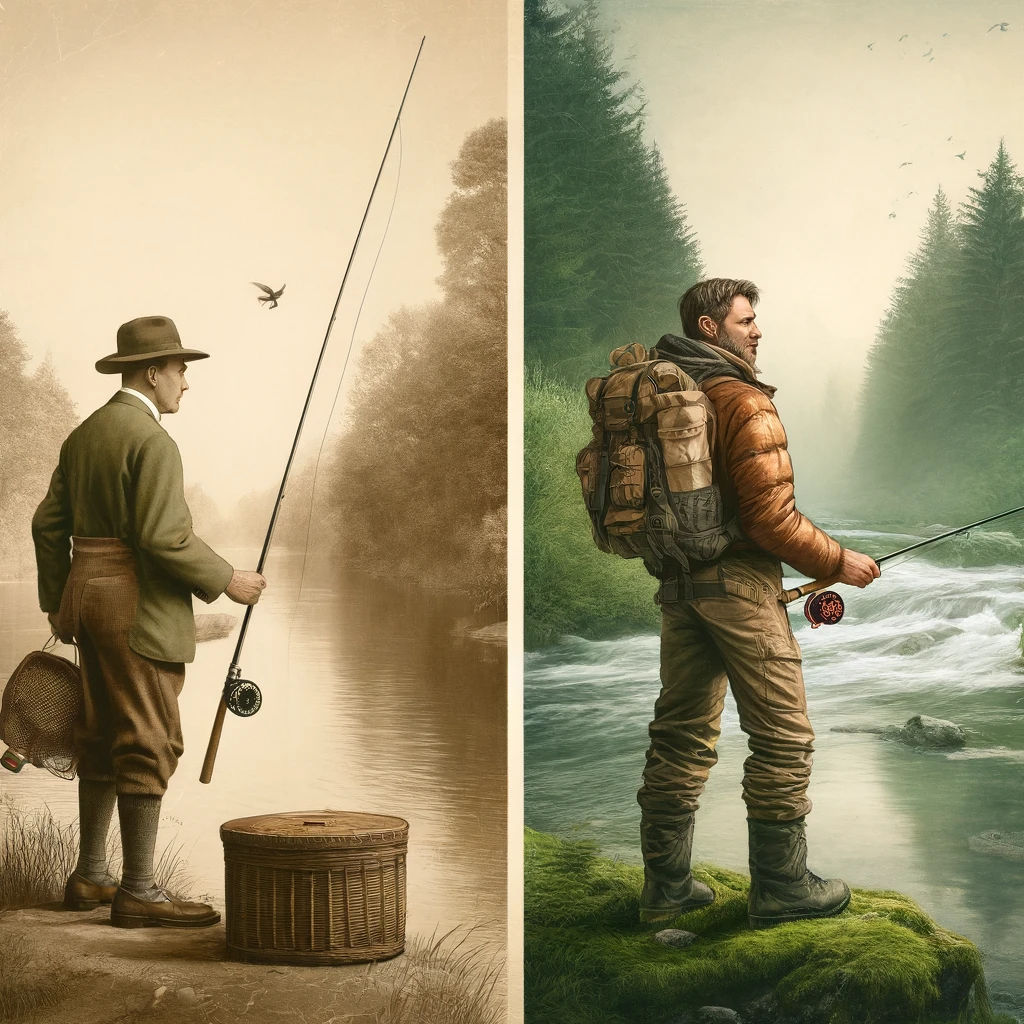
Fly fishing in small streams offers a unique and rewarding challenge that differs significantly from fishing in larger bodies of water. The calm, serene settings of small streams can be incredibly alluring, but they also present their own set of obstacles. Achieving success in these tight, often secluded locations requires a keen understanding of specific casting techniques and strategies. In this article, we will delve into the basics of fly fishing focused on casting in small streams. Whether you’re a beginner or a seasoned angler looking to refine your technique, these tips will help you navigate the intricacies of casting in tight quarters.
Firstly, it’s important to understand why casting in small streams can be so challenging. Limited space, often surrounded by dense foliage and overhanging branches, leaves little room for error. The water itself can be narrow, sometimes no wider than a couple of feet. The target zones for fish are often smaller and more precise, requiring exceptional accuracy and control. Also, the fish in these streams tend to be more skittish, reacting to the slightest disturbance. These factors combined mean that your approach, cast, and presentation need to be more refined compared to fishing in broader, open waters.
In the sections that follow, we will cover the essential techniques and tips to help you succeed in casting in small streams. From understanding the unique features of your fishing environment to mastering specialized casting techniques, you’ll gain the knowledge you need to increase your chances of success. So, grab your gear, and let’s explore the fascinating world of fly fishing in small streams!
Understanding Your Environment
Before you even think about casting your line, it’s crucial to spend time understanding the specifics of the stream you’re fishing in. Each small stream has its own set of characteristics that can significantly impact your approach and technique.
Firstly, take note of the surrounding vegetation. Overhanging trees, bushes, and other foliage can obstruct your casting path. In some cases, these natural features can serve as excellent hiding spots for fish, particularly in shaded areas. However, they also pose a risk of snagging your fly or line. Being aware of these features allows you to plan your cast more effectively and avoid unnecessary tangles.
Secondly, pay attention to the water flow. Small streams often have varying currents, runs, pools, and riffles. Identifying these spots will help you determine where fish are likely to be hiding. For example, pools often provide deeper water where fish can rest and feed, while riffles are oxygen-rich areas where fish love to hang out. Understanding these subtle nuances can make a significant difference in where and how you cast your fly.
Finally, consider the clarity and depth of the water. Clear water will require more stealth and finesse in your casting technique, as fish can see you and your rig more easily. On the other hand, murky water might allow a bit more freedom in your approach but often means the fish rely more on their sense of vibration than sight. Adjusting your technique based on these factors will give you a better chance of a successful catch.
Essential Equipment
Success in small stream fly fishing starts with having the right equipment. Who said you need a full-size rod and a big reel to have a great fishing experience?
The first piece of essential equipment for small streams is a shorter rod. A rod between 7 to 8 feet is generally ideal for these conditions. A shorter rod is easier to maneuver in tight spaces and provides better control for accurate casts. Lightweight rods of 2 to 4 weight are often more than sufficient for small stream fishing.
Secondly, a reel with a smooth drag system and a good balance with your rod is crucial. While you might not encounter large fish that require heavy-duty reels, having a balanced setup will improve your casting efficiency and reduce fatigue.
Additionally, using a floating line is generally recommended for small streams. Floating lines stay on the surface and provide better control over your fly’s presentation. Combined with a tapered leader, usually between 7.5 to 9 feet long, your setup allows for precise and delicate casts.
Don’t forget your fly selection. Smaller flies in the range of size 12 to 18 are typically effective in small streams. Nymphs, dry flies, and small streamers are all good choices, depending on the season and the specific conditions of the stream.
Mastering the Roll Cast
If you’re going to master one casting technique for small stream fly fishing, it should be the roll cast. This cast is perfect for tight quarters where backcasting is either impractical or impossible due to surrounding vegetation.
The roll cast involves using the water’s resistance to load the rod, making it ideal when you have limited space behind you. To perform a roll cast, begin with your fly line straight out in front of you on the water. Raise your rod slowly to a 45-degree angle, allowing the line to form a small ‘D’ loop behind the rod tip. Then, accelerate the rod forward with a snap, causing the line to unroll above the water and present your fly gently to your target area.
As simple as it sounds, the roll cast requires practice to perfect. The key elements to focus on are achieving the proper ‘D’ loop and timing your forward snap correctly. Too much force or an incorrect angle can cause the line to pile up, resulting in a poor presentation.
Adding a slight wrist flick at the end of your forward stroke can improve the accuracy and distance of your roll cast. This motion helps to tighten the loop, allowing for a more precise and controlled delivery of the fly.
Sidearm Casts
In small stream situations where you do have a bit more room to work with, the sidearm cast can be a useful technique. This form of casting keeps your line lower and closer to the water’s surface, reducing the likelihood of snagging on overhead obstacles.
To perform a sidearm cast, hold your rod parallel to the ground and use a smooth, low-angle forward and backward motion. Like the roll cast, it’s important to focus on forming tight loops. Larger loops increase the risk of snagging and reduce your cast’s accuracy.
A sidearm cast is beneficial when casting under low-hanging branches or trying to reach a spot around a bend. The low angle of the line allows you to navigate around obstacles more effectively, giving you more opportunities to reach those tricky spots where fish might be hiding.
Also, try using a haul to increase line speed and control during sidearm casts. The extra speed can help you combat wind resistance and increase casting distance, even in tight quarters. Practice makes perfect with sidearm casting, so don’t be discouraged if it takes a few attempts to get it just right.
Approach and Stealth
When fly fishing in small streams, your approach to each spot is as critical as the cast itself. Due to the clear and shallow nature of many small streams, fish are often more alert to disturbances. Any sudden movements or noise can easily spook them, making stealth a key component of your strategy.
Move slowly and cautiously as you approach your chosen fishing spot. Keep a low profile by crouching or kneeling when necessary, and use the surrounding vegetation for additional cover. Your goal is to blend into the environment as naturally as possible.
Wade slowly and quietly if you need to enter the water. Avoid making ripples or splashes that could alarm the fish. As you position yourself, try to cast from a distance before closing in on the stream. This method helps in presenting your fly naturally and reduces the chance of spooking fish even in the most cramped quarters.
Finally, minimize unnecessary movements and noise. Keeping your gear well-organized helps reduce rustling and clanking sounds, which can be particularly disruptive in a quiet stream setting. By being mindful of your actions, you increase the likelihood of a successful catch.
Timing and Persistence
Small stream fishing can be unpredictable, and achieving success often requires a combination of timing and persistence. Fish activity levels can vary throughout the day and are influenced by factors such as light, temperature, and water flow.
Early mornings and late evenings typically offer the best conditions for fly fishing in small streams. During these times, fish are more active and are more likely to be feeding. The low light levels reduce their visibility, giving anglers an added advantage.
Persistence is key in small stream fly fishing. You may not land a fish on your first, second, or even third cast, but each attempt enhances your understanding of the stream and the behavior of its fish. Experiment with different fly patterns and casting techniques until you find what works for that particular stream and its resident fish.
Adjust your approach and presentation as needed. Sometimes, a subtle change in your casting angle or the depth at which your fly is presented can make all the difference. Patience and persistence, along with continual refinement of your techniques, will eventually lead to success.
Conclusion
Fly fishing in small streams is a rewarding experience that combines the beauty of nature with the thrill of the catch. It requires a unique set of skills and strategies tailored to the challenges posed by confined spaces and wary fish. By understanding your environment, using the right equipment, mastering specific casting techniques like the roll cast and sidearm cast, and maintaining a stealthy approach, you can significantly improve your chances of success.
Remember that patience and persistence are essential. Each small stream comes with its own characteristics, and part of the joy is figuring out the puzzle it presents. Every cast, successful or not, adds to your knowledge and experience, making you a more adept and skilled angler over time.
Additionally, respect for the environment and the fish should always be a priority. Many small streams are delicate ecosystems that can be easily impacted by human activity. Practice catch and release whenever possible and tread lightly on the natural habitat to preserve these beautiful fishing spots for future generations.
Whether you are a beginner taking your first steps into the world of fly fishing or an experienced angler looking to refine your technique, the tips and strategies outlined in this article will help you tackle the unique challenges of casting in small streams. So, the next time you find yourself by a babbling brook or a secluded stream, take a moment to observe your surroundings, plan your approach, and enjoy the simple pleasures of this timeless pastime.