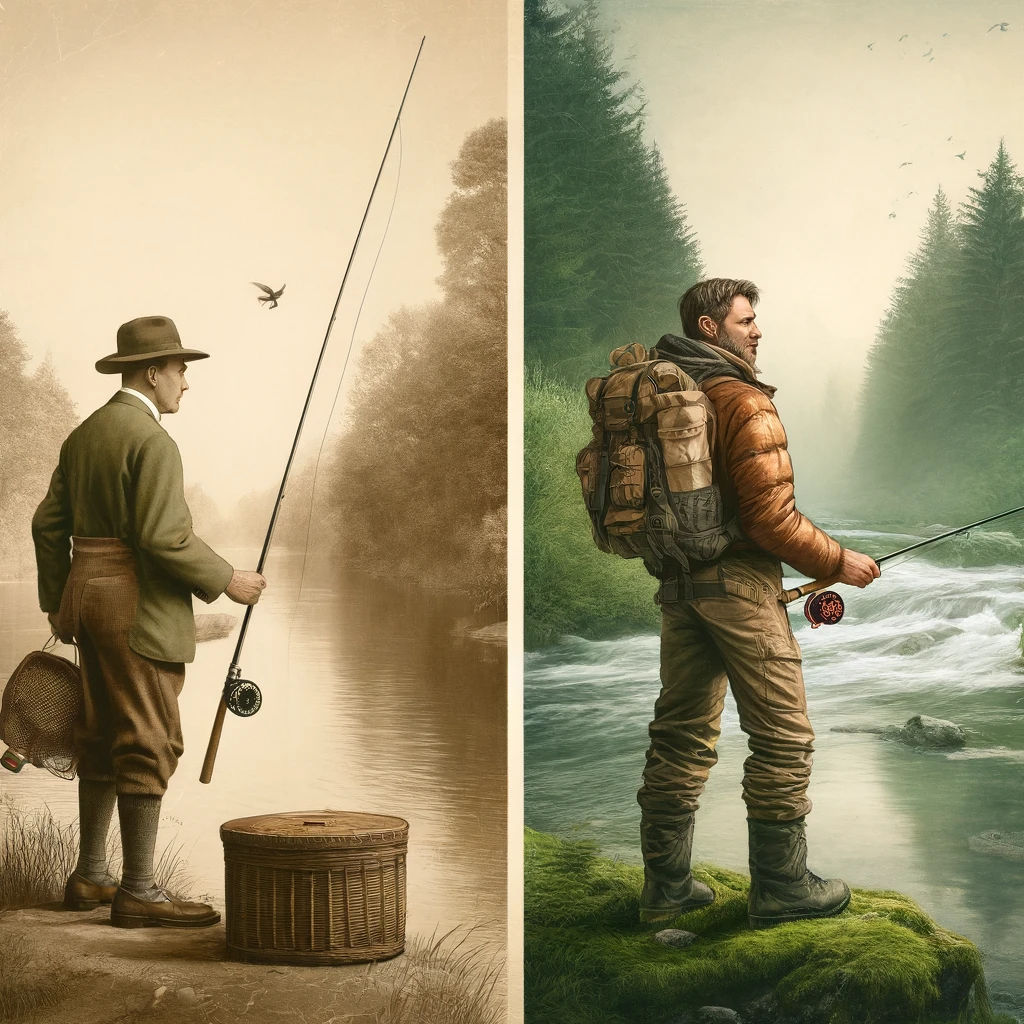
Welcome to the wonderful world of fly fishing! Whether you’re just starting out or looking to refine your skills, fly casting is a fundamental aspect that can greatly affect your success and enjoyment in the sport. Fly casting involves a unique method of casting a lightweight lure, known as a fly, using a specially designed fly rod and reel. This article will introduce you to the basic techniques of fly casting, ideal for beginners.
The art of fly casting captures the essence of fly fishing – it’s a rhythmic, almost poetic motion that requires practice, patience, and a good understanding of the basic principles. Fly casting differs significantly from conventional casting; instead of relying on the weight of the lure to pull the line off the reel, it uses the weight of the line itself to propel the fly forward.
Before diving into the specific techniques, it’s important to recognize the basic components that will aid your fly casting journey. These include a fly rod, fly reel, fly line, leader, and the fly. Each component complements the other, and mastering their use is crucial for effective fly casting.
Now, let’s explore the essential fly casting techniques that every beginner should learn. We’ll cover the standard, roll, and reach casts, breaking each technique down into simple, manageable steps.
The Standard Fly Cast
The standard fly cast, also known as the overhead cast, is the most basic and widely used casting technique in fly fishing. It’s the foundation upon which other casting methods are built, making it essential for every beginner to master. Let’s break down the steps of the standard fly cast:
Step 1: The Grip
Start by gripping the fly rod firmly but comfortably. Place your thumb on top of the rod and wrap your fingers around it. This grip will give you control and power during the cast.
Step 2: The Stance
Adopt a balanced and relaxed stance. Stand with your feet shoulder-width apart, facing your target. Your casting arm should be extended slightly forward, allowing for a smooth and natural motion.
Step 3: The Backcast
The backcast is the first phase of the standard fly cast. Lift the rod tip smoothly and bring it back in an arc until it reaches the 1 o’clock position behind you. This motion should be steady and controlled, avoiding any sudden jerks.
Step 4: The Forward Cast
Once your rod reaches the 1 o’clock position, pause briefly to allow the line to extend fully behind you. Then, smoothly accelerate the rod forward to the 11 o’clock position in front of you. This motion should be fluid and continuous, propelling the line and fly forward.
Step 5: The Follow-Through
As you complete the forward cast, stop the rod abruptly at the 11 o’clock position. This sudden stop will transfer energy to the fly line, causing it to straighten and deliver the fly accurately. Allow the rod tip to follow through naturally, ending the cast.
Mastering the standard fly cast will provide you with a solid foundation for more advanced techniques. Practice regularly, focusing on maintaining a smooth and controlled motion throughout each phase of the cast.

The Roll Cast
The roll cast is an essential technique for situations where you have limited space for a backcast, such as when fishing in tight quarters or near obstructions like trees or bushes. It’s a versatile and efficient cast that relies on the water’s surface tension to load the rod. Here’s how to perform a roll cast:
Step 1: The Setup
Begin by positioning yourself with your fly line extended on the water’s surface. Your rod tip should be close to the water, and the line should be in a slack loop in front of you.
Step 2: The Backcast Position
Slowly lift your rod tip to the 1 o’clock position, letting the line drag along the water’s surface. This movement will create tension and load the rod for the roll cast.
Step 3: The Forward Cast
When the rod is fully loaded and the line forms a D-loop behind you, smoothly accelerate the rod forward to the 11 o’clock position. The forward motion should be firm yet controlled, causing the line to roll off the water’s surface and extend forward.
Step 4: The Follow-Through
Similar to the standard fly cast, stop the rod abruptly at the 11 o’clock position to transfer energy to the line. The line will straighten out and deliver the fly accurately to your target. Allow the rod tip to follow through naturally to complete the cast.
The roll cast is especially useful in situations where you can’t perform a full backcast or need to change direction quickly. Practice the roll cast regularly, and you’ll find it to be a valuable addition to your fly casting repertoire.
The Reach Cast
The reach cast is a specialized technique used to improve your presentation and accuracy, especially when dealing with currents or tricky water conditions. It allows you to position the fly line in such a way that it reduces drag on the water, giving your fly a more natural drift. Here’s how to execute a reach cast:
Step 1: The Standard Cast
Begin by performing a standard fly cast as described earlier. As the line begins to extend forward, keep your rod tip high and prepare for the reach motion.
Step 2: The Reach Motion
Just before the line straightens out in the air, pivot your rod tip to the side (left or right) and extend it towards your target. This motion will cause the line to land upstream or downstream, depending on the direction of your reach, allowing for a more accurate presentation.
Step 3: The Follow-Through
As with the other casts, stop the rod abruptly at the desired position and allow the rod tip to follow through naturally. The reach motion will create a slight mend in the line, which can be adjusted to match the current and improve your fly’s drift.
Practicing Your Casts
Now that you’re familiar with the standard, roll, and reach casts, it’s time to practice these techniques to develop your skills. Consistent practice is key to becoming a proficient fly caster. Here are some tips to help you get the most out of your practice sessions:
1. Start with the Basics
Begin by mastering the standard fly cast. Focus on maintaining a smooth and controlled motion throughout each phase of the cast. Practice both the backcast and forward cast separately before combining them into a fluid motion.
2. Use Markers
Set up markers or targets on the water to practice your accuracy. Aim to deliver the fly precisely to the designated spots, adjusting your casts as needed to improve your precision.
3. Vary Your Casting Distances
Practice casting at different distances to develop versatility. Start with short casts and gradually increase your distance as you become more comfortable and confident in your technique.
4. Pay Attention to Timing
Timing is crucial in fly casting. Focus on the rhythm and timing of each cast, ensuring that you pause briefly between the backcast and forward cast to allow the line to fully extend.
5. Analyze Your Casting Performance
Pay close attention to your casting performance and identify areas for improvement. Observe the path of your line, the tension in the line, and the accuracy of your presentation. Adjust your technique accordingly to achieve better results.
6. Seek Feedback and Guidance
Don’t hesitate to seek feedback from experienced fly casters or instructors. Attend casting clinics or join a fly fishing club where you can receive guidance and advice from more experienced anglers.
Conclusion
Congratulations! You’ve now gained a solid understanding of the basic fly casting techniques essential for beginners. Mastering the standard, roll, and reach casts will provide you with a strong foundation for your fly fishing journey. Remember that practice is key, and with time and dedication, you’ll become a skilled and confident fly caster.
As you continue to practice and refine your casting skills, you’ll discover the joy and satisfaction of fly fishing. The beautiful moments spent on the water, the thrill of a perfect cast, and the excitement of hooking a fish will make all your efforts worthwhile.
Fly casting is not just a technique; it’s an art that connects you with nature and challenges you to improve. Embrace the learning process, stay patient, and enjoy the journey. Whether you’re fishing in serene mountain streams or challenging river currents, your casting abilities will play a crucial role in your success as a fly angler.
So, grab your fly rod, head to your favorite fishing spot, and put your newfound casting skills into action. With each cast, you’ll get closer to becoming a proficient fly angler and experiencing the true essence of fly fishing.