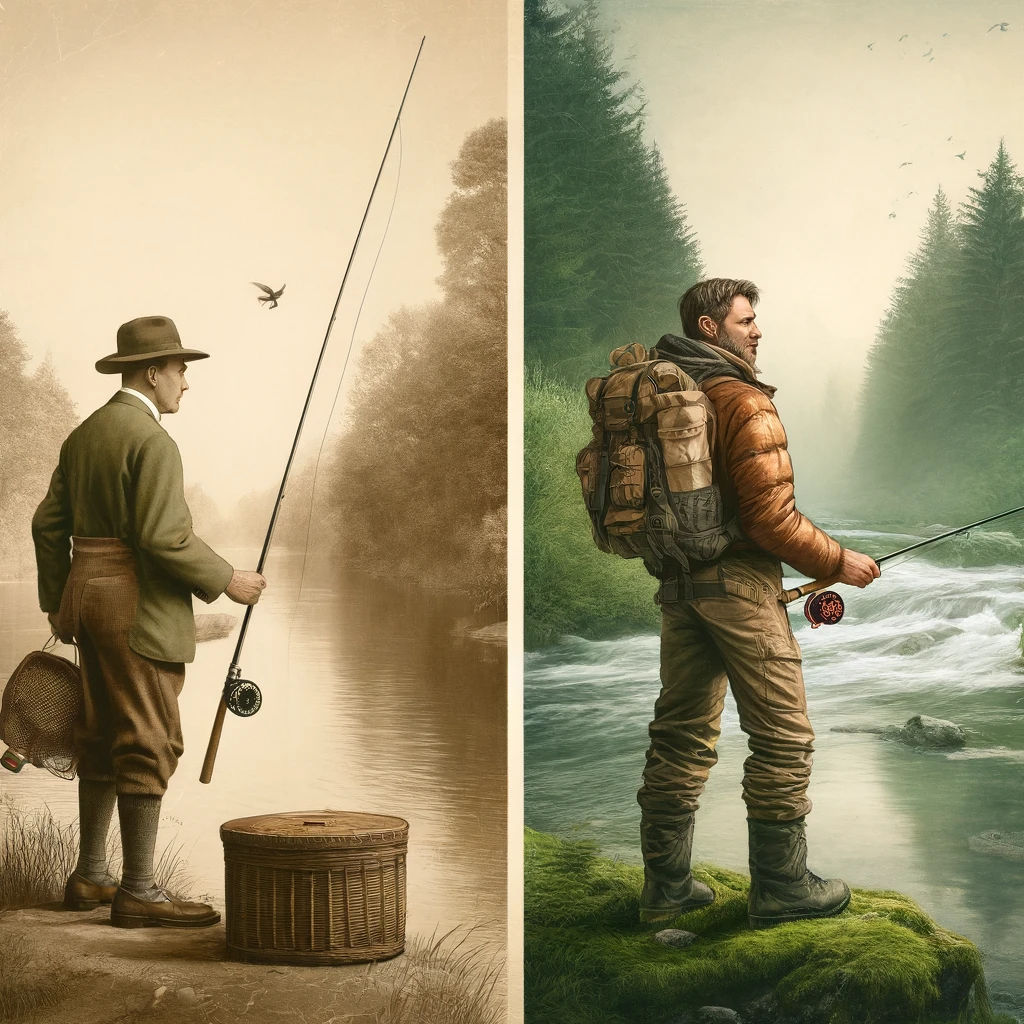
Fly fishing is an exhilarating outdoor activity enjoyed by many enthusiasts around the globe. While avid fishers often invest in high-quality rods, reels, and fly lines, they sometimes overlook the importance of a good pair of sunglasses. Eye protection is critical when you’re spending hours under the sun, and specialized fly fishing sunglasses can make a world of difference in comfort and effectiveness.
When you’re casting lines and waiting for bites, the glare from the water surface can be quite blinding. Polarized sunglasses are not just a chic accessory but an essential piece of equipment for any serious fly fisherman. They significantly reduce glare, provide UV protection, and even help you spot fish more easily. This article breaks down why you need fly fishing sunglasses, what features to look for, the types available, and how to take care of them for long-lasting use.
Importance of Sun Protection
Extended exposure to the sun can have several harmful effects on your eyes. Ultraviolet (UV) radiation is a primary concern as it can cause immediate issues like photokeratitis (a sunburn of the eye) and long-term problems such as cataracts and macular degeneration. The reflective nature of water only intensifies these risks, making it even more crucial to shield your eyes.
Beyond the immediate health benefits, protecting your eyes from the harsh sun enables you to fish longer and more comfortably. If you’re squinting and straining your eyes to see, you’ll likely tire out quickly, cutting your fishing adventures short. The right pair of sunglasses will filter out harmful rays, reduce eye strain, and ensure that you can see clearly, even under bright sunlight or variable lighting conditions.
Key Features to Look For
Choosing the right pair of fly fishing sunglasses involves more than just picking a pair that looks good on you. Several critical characteristics can vastly improve your fly fishing experience:
- Polarization: Polarized lenses are necessary for reducing glare from water surfaces. They provide a much clearer view of the underwater world, helping you spot fish more efficiently.
- UV Protection: Ensure that your sunglasses offer 100% UV protection to shield your eyes from harmful rays.
- Lens Color: Different lens colors serve various purposes. Amber or copper lenses are excellent for freshwater fishing, where they enhance contrast. Gray or green lenses are better for saltwater fishing where brightness can be overpowering.
- Fit and Comfort: Your sunglasses should fit snugly but comfortably. Look for adjustable nose pads and temples to ensure a fit that doesn’t slip off, especially when you perspire.
- Durability: Quality materials are a must for durability. Polycarbonate lenses are impact-resistant, and frames made from durable materials like TR-90 or nylon will withstand rough conditions.

Types of Fly Fishing Sunglasses
The market for fly fishing sunglasses is vast, and understanding the types available can help you make a more informed choice:
- Wraparound Sunglasses: These offer comprehensive coverage, blocking sunlight from virtually every angle. They are particularly useful for those fishing in highly reflective environments.
- Clip-On Sunglasses: If you already wear prescription glasses, clip-ons can be a convenient option. They fit over your regular glasses, providing instant sun protection.
- Prescription Polarized Sunglasses: For those with vision needs, specialized prescription polarized sunglasses combine corrective lenses with all the benefits of polarization.
- Photochromic Lenses: These lenses adjust their tint based on the lighting conditions, offering adaptability when you move between shaded areas and direct sunlight.
Maintenance Tips
Even the best fly fishing sunglasses require proper care to extend their life and maintain their effectiveness. Here are some practical maintenance tips:
- Regular Cleaning: Use a lens cleaner and microfiber cloth to remove smudges and dirt. Avoid paper towels or your shirt as these can scratch the lenses.
- Proper Storage: Always store your sunglasses in a hard case when not in use to prevent impacts or scratches.
- Avoid Extreme Temperatures: Both high and low temperatures can damage the lenses and frames. Avoid leaving your sunglasses in a hot car or out in the freezing cold.
- Check for Loose Screws: Periodically check and tighten any screws or hinges to ensure they remain secure and functional.
Conclusion
Investing in a quality pair of fly fishing sunglasses isn’t just about looking good on the water. It’s about protecting your eyesight and enhancing your overall fishing experience. From blocking harmful UV rays to reducing glare and offering clearer vision, think of them as any other vital gear in your fishing arsenal.
Remember, the best sunglasses for fly fishing incorporate features such as polarization, 100% UV protection, appropriate lens color, and a comfortable fit. Being mindful of your sunglasses type—whether wraparound, clip-on, or photochromic—can impact your comfort and performance as well. Proper maintenance will ensure that your investment lasts, providing you with reliable eye protection for many fishing trips to come.
So, the next time you prepare for a fly fishing adventure, don’t underestimate the value of a good pair of sunglasses. Protecting your eyes and enhancing your vision will make your time on the water more enjoyable and fruitful.