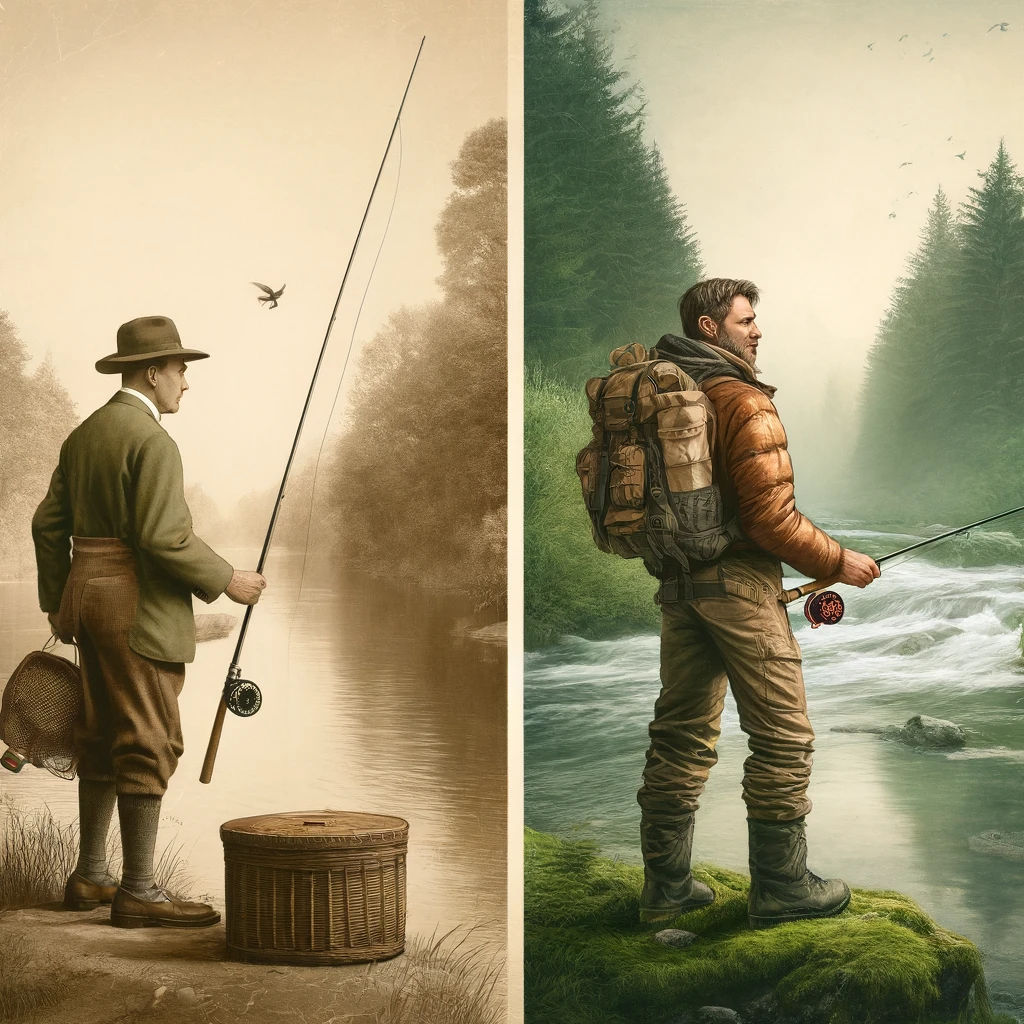
Are you ready to immerse yourself into the peaceful and thrilling world of fly fishing? Whether you’re a beginner trying to cast your first line or an experienced angler looking to refine your setup, having the right tools and gadgets is crucial. This guide will walk you through the essential gear and equipment that will make your fly fishing experience more enjoyable and successful.
Introduction: The Importance of Proper Gear
When it comes to fly fishing, preparation is key. Having the right gear not only increases your chances of a successful catch but also ensures your fishing trips are safe and enjoyable. Choosing quality equipment might seem daunting at first, with so many options available, but understanding the basics can simplify the decision-making process. Let’s break down the critical fly fishing tools and gadgets that every angler should consider before hitting the water.
First and foremost, it’s essential to understand that fly fishing gear can greatly differ depending on the type of fish you are targeting and the environment you are fishing in. While the primary focus is often on the rod and reel, there are several other pieces of equipment—not always obvious—that can dramatically improve your performance and enjoyment. From wading boots to the right flies, each tool serves a specific and important purpose in the fly fishing ecosystem.
Imagine heading out to your favorite fishing spot only to realize you forgot an essential piece of gear. Not the best start to a serene fishing day, right? This is why having a comprehensive understanding of necessary tools is beneficial. Beyond the basics, technology has also crept into the fly fishing world, offering gadgets that can really make a difference. In this guide, we will cover everything from rods and reels to the smallest but pivotal accessories that can ensure you make the most of your fly fishing adventure.
The Heart of Fly Fishing: Rods and Reels
When it comes to fly fishing, the rod and reel are the core components of your setup. They’re the tools that allow you to cast your fly accurately and manage your line efficiently. Fly rods come in various lengths and weights, with each combination tailored for specific fishing conditions. For beginners, a 9-foot, 5-weight rod is a versatile choice as it can handle a wide range of fishing scenarios.
Choosing the right reel is equally important. The reel holds your fly line and provides the drag needed to help you control a fish once it’s hooked. While a lightweight reel can be easier to handle, ensure it’s durable enough to withstand the demands of fishing. It’s also essential to match your reel with your rod’s weight to maintain balance and efficiency. Many anglers opt for reels with a good drag system, as this can be crucial when fighting larger fish.
One overlooked aspect is the backing—a layer of supplementary line you attach to your reel before adding the main fly line. Backing provides additional line if a big fish takes a long run, giving you extra insurance against losing your catch. Aim for at least 100 yards of backing to ensure you’re prepared for any situation.
Fly Lines, Leaders, and Tippets: The Connective Elements
Fly lines are more than just a means to cast your fly; they are integral in presenting your fly properly to the fish. The floating line is the most common, especially for beginners, as it’s versatile and easier to manage. However, intermediate and sinking lines are beneficial for reaching fish in deeper waters. It’s worth investing in high-quality lines, as cheaper alternatives might degrade quickly, affecting your performance.
Leaders and tippets are the final connections between your fly line and the fly itself. A leader is a tapered section of line that helps turn over your fly during casting. Tippets are the thin, strong, nearly invisible extension of the leader to which the fly is tied. Having various lengths and strengths of leaders and tippets allows you to adapt to different fishing scenarios. Generally, a 9-foot leader is a good starting point, with a tippet that suits your target fish’s size. For example, small flies for trout might need a finer tippet, while larger flies for bass require a thicker one.
Knots are also a critical skill in this area. Learning to tie secure knots ensures that you won’t lose a fish due to faulty connections. Common knots include the improved clinch knot, perfection loop, and the surgeon’s knot. Practicing these knots will prepare you for any on-the-water adjustments that may be needed.

Waders and Boots: Staying Dry and Mobile
Fishing often requires getting into the water, and this is where waders and boots come into play. Waders are waterproof garments that allow you to wade into streams, rivers, or lakes without getting wet. They come in various styles, including chest waders and hip waders, each suited for different water depths and conditions.
Chest waders are versatile and offer the most coverage, making them a popular choice for both beginners and experienced anglers. When choosing waders, look for breathable materials like Gore-Tex, which provide comfort by allowing sweat to escape while keeping water out. Neoprene waders are another option, offering extra warmth in colder conditions.
Pairing your waders with the right boots is equally important. Wading boots provide the traction and support necessary for navigating slippery and uneven riverbeds. Felt-soled boots offer excellent grip on wet rocks, but they’re banned in some areas due to the risk of spreading aquatic invasive species. Rubber-soled boots with added studs are a great alternative, providing good traction while being environmentally safer.
Comfort and fit are crucial factors when selecting wading gear. Ill-fitting waders or boots can turn a fun fishing trip into an uncomfortable, even painful, experience. Always try on waders and boots before purchasing to ensure that they fit properly and allow for easy movement.
Fly Boxes and Flies: Your Arsenal
A well-stocked fly box is indispensable for any fly angler. Fly boxes come in various sizes and designs to suit different needs, from compact pocket versions to larger models that can store hundreds of flies. Waterproof fly boxes are particularly useful, as they protect your valuable flies from getting wet and damaged.
Flies themselves are the “bait” in fly fishing. These artificial insects are designed to entice fish into biting. There are countless types of flies, such as dry flies, wet flies, nymphs, and streamers, each mimicking different stages or types of aquatic insects and small fish. Having a variety of flies allows you to adapt to the fish’s feeding habits and the specific conditions you’re fishing in.
Understanding the lifecycle of aquatic insects can significantly improve your fly selection. Different fish species prefer different types of flies at various times, so research and local knowledge can be very helpful. A local fly shop can be an excellent resource for learning which flies are currently effective in your fishing area.
Investing in quality flies and keeping them organized in a fly box ensures you have the right tools to entice fish effectively. Regularly check your flies for damage and replace any that are worn out to maintain their effectiveness.
Accessories: The Little Things That Make a Big Difference
While the core components of your fly fishing gear are essential, several smaller accessories can make your fishing experience more enjoyable and efficient. These items might seem minor, but they can significantly impact your effectiveness and convenience on the water.
A good pair of polarized sunglasses is indispensable. They reduce glare on the water, allowing you to see fish and underwater structures more clearly. This visual aid can give you an edge in spotting fish and making accurate casts.
Nippers and hemostats are small tools that make handling your gear easier. Nippers help you quickly cut line and tippets, while hemostats assist in removing hooks from fish or tying knots. These tools are often attached to a lanyard or vest for easy access.
Fishing vests, packs, or lanyards help keep your gear organized and accessible. A vest with multiple pockets allows you to carry flies, leaders, tippets, and other accessories without clutter. Similarly, a fishing pack or lanyard keeps essential tools within easy reach.
Strike indicators and split shot weights can also improve your fishing experience. Strike indicators help you detect subtle bites, while split shot weights add extra weight to your line for better casting and depth control. Both tools can be critical, especially when fishing with nymphs or in deeper waters.
Conclusion: Preparing for Your Fly Fishing Journey
Fly fishing is a rewarding and fulfilling outdoor activity that requires a mix of skill, patience, and the right equipment. Having the proper gear is essential for both success and enjoyment on the water. From rods and reels to flies and accessories, each piece of equipment plays a crucial role in your overall fly fishing experience.
Investing time in selecting quality gear, understanding its purpose, and learning how to use it effectively can make a significant difference in your fishing adventures. Whether you’re a beginner just getting started or an experienced angler looking to refine your setup, the right tools and gadgets can enhance your skills and help you make the most of your time on the water.
As you prepare for your fly fishing journey, remember that the learning process is ongoing. Every trip offers new opportunities to learn, adapt, and improve. Stay curious, seek knowledge, and enjoy the serenity and thrill that fly fishing brings. With the right gear and a passion for the sport, you’ll find yourself embracing the art of fly fishing and creating unforgettable memories on the water.