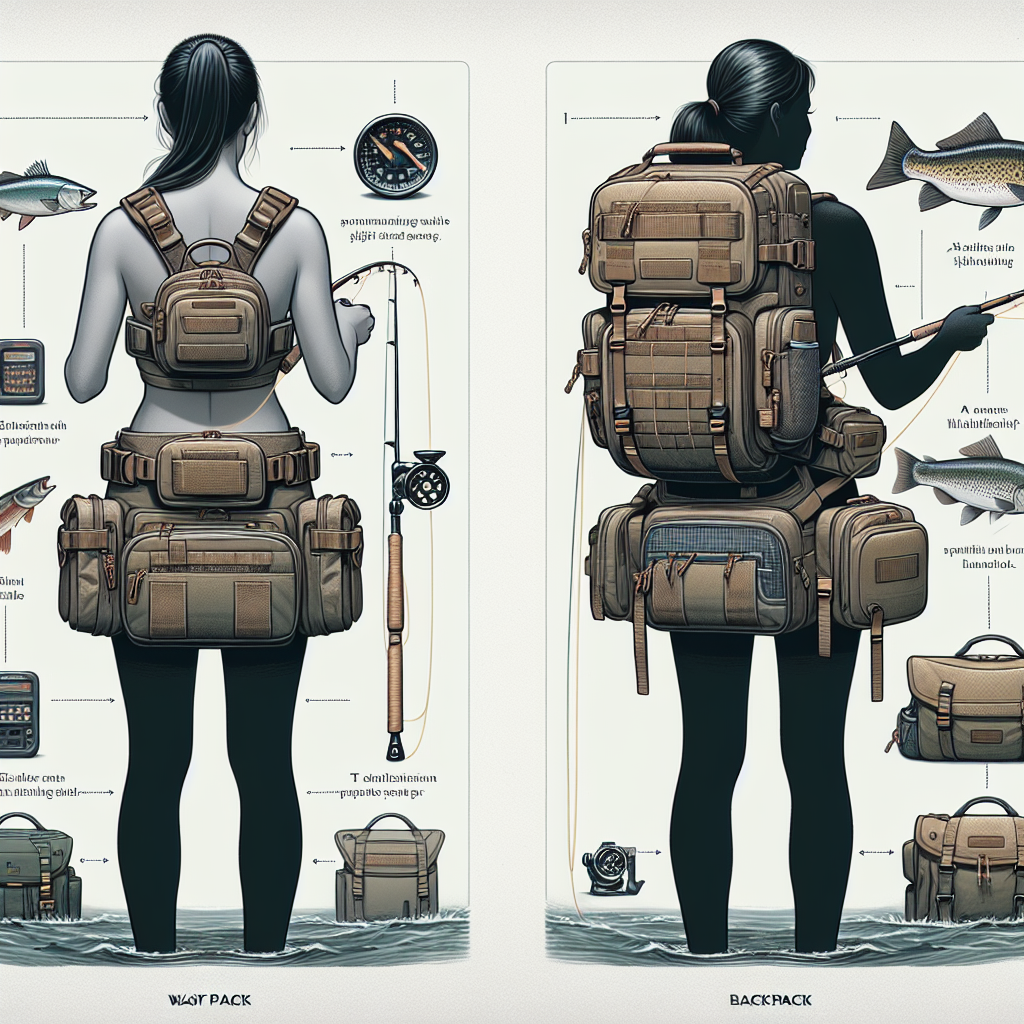
Fly fishing is more than just a hobby; it’s an art form that demands patience, skill, and the right equipment. Having the correct gear can make all the difference between a successful outing and a frustrating one. Among the essential gear needed for an exceptional fly fishing experience, a reliable pack to carry your equipment is critical. In this article, we’ll dive into the world of fly fishing packs, focusing on waist packs and backpacks, offering a comprehensive guide to help you decide which is best for your needs.
Choosing the right pack is not just about carrying your gear; it’s about accessibility, comfort, and convenience while you’re on the water. Fly fishing often involves hiking through dense forests, wading through streams, and standing for hours in pursuit of the perfect catch. As such, ease of access to your gear, the weight distribution, and comfort during extended trips are all crucial considerations. Let’s explore these two popular types of fly fishing packs—waist packs and backpacks—and break down their features, benefits, and drawbacks.
Waist Packs: Features and Benefits
Waist packs, also known as fanny packs or hip packs, are a favorite among many fly fishermen and women for their compact size and ease of use. These packs are designed to sit around your waist, offering several unique advantages.
First, let’s talk about accessibility. Waist packs allow for quicker, one-handed access to your gear. This immediate accessibility is invaluable when you need to change a fly quickly or grab a tool without having to take off your pack. Most waist packs come with multiple compartments and pockets, ensuring that your gear remains organized and within easy reach.
Another key benefit of waist packs is comfort and mobility. By keeping the weight low and centered around your waist, these packs reduce the strain on your shoulders and back, making them an excellent choice for shorter fishing trips or those who prefer to stay more mobile. The design also keeps your gear out of the way while casting, ensuring unimpeded and smooth movements.
However, waist packs have their limitations. Their smaller size means they have less storage capacity compared to backpacks, which might be a drawback for those who need to carry a large amount of gear. Plus, the weight around your midsection can become noticeable over long periods, especially if the pack is heavily loaded.
Backpacks: Features and Benefits
On the other side of the spectrum, we have backpacks, which are ideal for anglers who require more storage space and plan on longer fishing excursions. Backpacks are worn on your back, distributing weight more evenly across your shoulders and back.
One of the primary advantages of backpacks is their capacity. These packs are perfect for carrying a larger volume of gear, such as additional fly boxes, spare clothing, food, and hydration systems. Many fly fishing backpacks are designed with multiple compartments and attachment points, making it easier to organize and access your gear efficiently.
Comfort is another significant advantage. A well-designed backpack with padded shoulder straps and a supportive back panel can make a world of difference during long hikes or extended trips. Innovative features like ventilation channels also help keep you cool, reducing fatigue caused by overheating.
That said, backpacks do come with some downsides. For one, they can restrict your movement slightly more than waist packs, particularly when casting. Additionally, accessing gear can be less convenient, as you often need to remove the backpack to reach essential items. This trade-off between storage capacity and accessibility can be a key factor in deciding whether a backpack is right for you.

Hybrid Packs: The Best of Both Worlds?
For anglers torn between waist packs and backpacks, hybrid packs offer an appealing middle ground. These multifunctional packs combine elements from both types, aiming to provide the best of both worlds.
Hybrid packs typically feature a waist belt with detachable pouches and a small backpack section. This design allows for the convenience and accessibility of a waist pack, with the added storage and support of a backpack. Many hybrid packs can be customized, letting you adjust the configuration based on your needs for a particular trip.
For instance, you might use just the waist portion for short sessions, or add the backpack section when you need to carry more gear. Some hybrid packs even include a sling pack component, which can be quickly rotated to the front for easy access without needing to remove the pack entirely.
Hybrid packs do come with trade-offs, such as potentially increased weight and complexity. However, for many fly fishers, the versatility and adaptability offered by hybrid packs make them an excellent option worth considering.
Factors to Consider When Choosing a Pack
Now that we’ve explored the different types of fly fishing packs, here are several factors you should consider when choosing the right one for your needs:
- Duration of Trips: For shorter outings, a waist pack might be sufficient. For longer trips, you may need the extra capacity of a backpack or hybrid pack.
- Volume of Gear: Consider how much gear you typically carry. If you bring a lot of equipment, a backpack or hybrid pack might be more suitable.
- Accessibility: If you need quick access to your gear while fishing, a waist pack or a hybrid pack with front-access features may be more appropriate.
- Comfort: Assess the pack’s fit, padding, and weight distribution to ensure it’s comfortable to wear for extended periods.
- Weather Conditions: Some packs offer better protection against the elements, such as waterproof materials or built-in rain covers.
Caring for Your Fly Fishing Pack
To ensure your fly fishing pack lasts for many seasons, proper care and maintenance are essential. Here are some tips to keep your pack in top condition:
- Regular Cleaning: After each trip, clean your pack to remove dirt, sand, and debris. Use a mild soap solution and a brush to scrub away any stubborn stains. Allow the pack to air dry completely before storing.
- Inspect for Damage: Regularly inspect your pack for any signs of wear or damage, such as frayed straps, broken zippers, or tears in the fabric. Address any issues promptly to prevent further damage.
- Store Properly: When not in use, store your pack in a cool, dry place away from direct sunlight. Avoid storing it in damp areas, as this can lead to mold and mildew growth.
- Avoid Overloading: Resist the temptation to overstuff your pack, as this can strain the seams and zippers, leading to premature wear and tear.
- Waterproofing: If your pack is not already waterproof, consider applying a waterproofing spray to protect your gear from moisture.
Conclusion
Choosing the right fly fishing pack is a significant decision that can greatly impact your overall experience on the water. Whether you opt for the compact convenience of a waist pack, the extensive storage of a backpack, or the versatility of a hybrid pack, understanding the unique benefits and limitations of each option is critical.
Reflecting on your individual fishing needs, the types of trips you embark on, and the gear you typically carry will help you make an informed decision. Remember, the best pack is the one that meets your specific requirements, enhances your comfort, and allows you to enjoy your fly fishing adventures to the fullest.
So next time you head out for a day on the river, equipped with the right pack, you’ll be ready to focus on what truly matters – the beauty of nature, the joy of the cast, and the thrill of the catch.