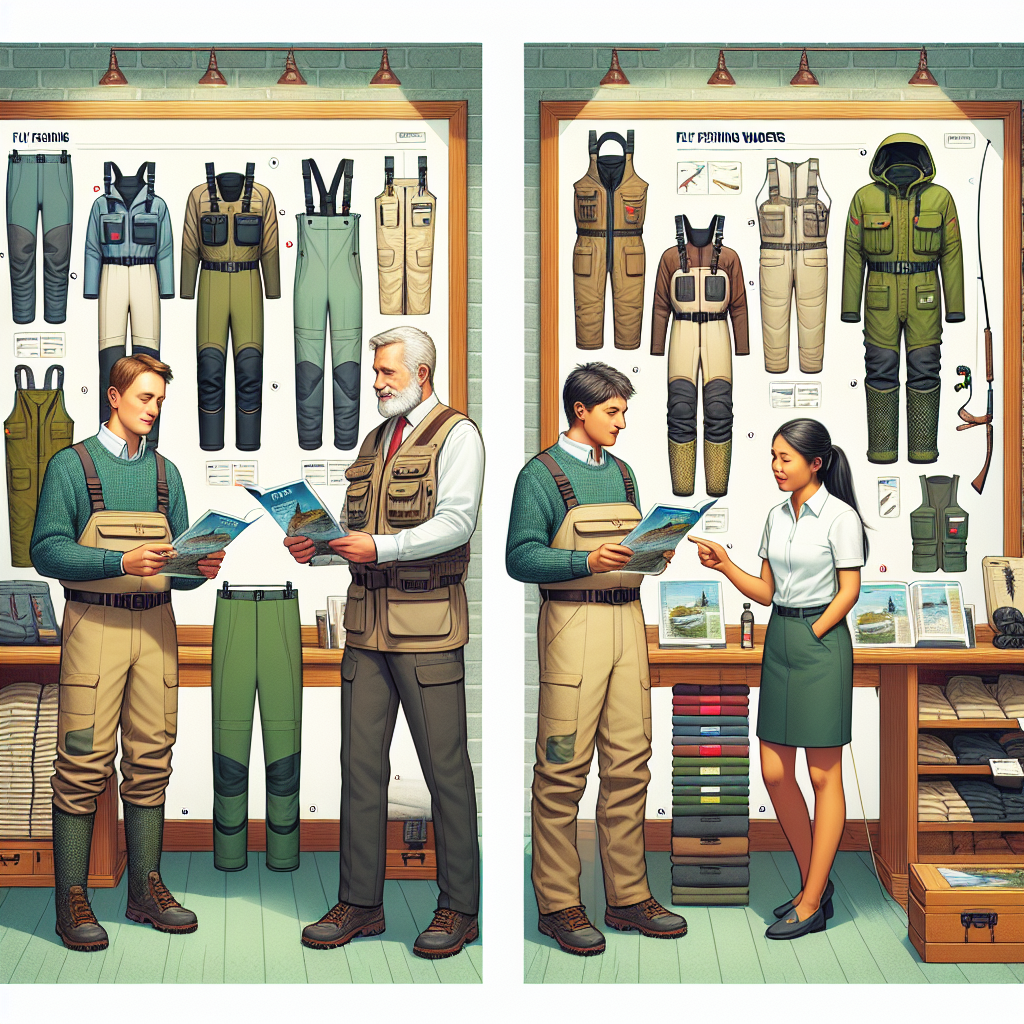
Fly fishing is a delightful and rewarding pastime that connects anglers with nature in a unique way. One of the most crucial pieces of equipment for fly fishing is a good pair of waders. Waders keep you dry and comfortable while you wade into rivers, streams, and lakes. With so many options available, choosing the best fly fishing waders can be a daunting task. This guide will help you navigate the selection process by covering essential factors such as materials, fit, features, and maintenance.
Understanding Wader Materials
When selecting fly fishing waders, the material is a critical factor. The right material will depend on your fishing environment, budget, and personal preferences.
- Neoprene Waders:
- Pros: Neoprene waders are known for their excellent insulation, making them ideal for cold water fishing. They are durable and resistant to punctures.
- Cons: These waders can be heavy and less breathable, which might cause discomfort in warmer weather.
- Breathable Waders:
- Pros: Made from materials like Gore-Tex, breathable waders allow moisture to escape while keeping water out. They are lightweight, versatile, and comfortable in a wide range of temperatures.
- Cons: They can be more expensive than neoprene waders and may not provide the same level of insulation in extremely cold conditions.
- Rubber Waders:
- Pros: Rubber waders are durable and inexpensive. They are waterproof and easy to clean.
- Cons: These waders are heavy and not breathable, which can lead to discomfort during long fishing sessions or in warmer climates.
Types of Waders
Waders come in different styles, each suited to specific fishing scenarios. The main types are hip waders, waist-high waders, and chest waders.
- Hip Waders:
- Best For: Shallow waters and warmer conditions.
- Description: Hip waders are essentially waterproof pants that cover the legs up to the hips. They are easy to put on and take off and provide excellent mobility.
- Waist-High Waders:
- Best For: Moderate water depths and varied weather conditions.
- Description: These waders offer more coverage than hip waders, extending up to the waist. They are a good compromise between hip waders and chest waders.
- Chest Waders:
- Best For: Deep waters and colder conditions.
- Description: Chest waders provide the most coverage, extending up to the chest. They are ideal for deeper wading and offer the best protection from water and cold.
Fit and Comfort
The fit of your waders is crucial for comfort and functionality. Here are some tips to ensure a proper fit:
- Sizing:
- Measure your inseam, waist, and chest to find the right size. Refer to the manufacturer’s sizing chart to select the appropriate size.
- Consider the thickness of the clothing you’ll wear underneath the waders.
- Boot Fit:
- Integrated boots should fit comfortably, providing enough room for thick socks. If using stockingfoot waders, ensure your wading boots fit well over the neoprene booties.
- Mobility:
- Check for flexibility and ease of movement. Squat, bend, and walk to ensure the waders don’t restrict your movements.
Key Features to Consider
Modern waders come with various features designed to enhance your fishing experience. Here are some key features to look for:
- Pockets:
- Look for waders with multiple pockets for storage of small items like flies, tippets, and snacks. Handwarmer pockets are a bonus in cold weather.
- Reinforced Knees and Seat:
- Reinforcements in high-wear areas increase durability and extend the life of your waders.
- Adjustable Straps and Belts:
- Adjustable suspenders and waist belts help you achieve a secure and comfortable fit.
- Gravel Guards:
- Built-in gravel guards prevent debris from entering your wading boots, providing added protection and comfort.
- Breathability:
- If you fish in warm climates, prioritize breathable waders to stay comfortable throughout the day.
Maintenance and Care
Proper maintenance and care of your waders can significantly extend their lifespan. Follow these tips to keep your waders in top condition:
- Rinse After Use:
- Rinse your waders with fresh water after each use to remove dirt, salt, and debris. This is especially important if you’ve been fishing in saltwater.
- Drying:
- Hang your waders to dry in a well-ventilated area, away from direct sunlight. Make sure they are completely dry before storing them to prevent mold and mildew.
- Storage:
- Store your waders in a cool, dry place. Avoid folding them tightly; instead, hang them or store them flat to prevent creases and damage.
- Repairs:
- Small leaks and tears can be repaired with a wader repair kit. Follow the manufacturer’s instructions for patching holes and sealing seams.
Budget Considerations
Your budget will play a significant role in selecting the right pair of waders. Here’s a breakdown of what to expect at different price points:
- Entry-Level Waders (Under $100):
- These waders are often made from rubber or basic neoprene. They offer basic functionality but may lack durability and advanced features.
- Mid-Range Waders ($100-$300):
- In this range, you’ll find breathable waders with additional features like reinforced knees, multiple pockets, and adjustable straps. They offer a good balance of quality and affordability.
- High-End Waders ($300 and Up):
- High-end waders are made from advanced breathable materials like Gore-Tex and come with numerous features and superior durability. They are designed for serious anglers who demand the best performance and comfort.
Popular Wader Brands
Several brands are well-regarded in the fly fishing community for their quality waders. Here are a few to consider:
- Simms:
- Known for their high-quality, durable waders made from advanced materials. They offer a range of options from entry-level to high-end models.
- Patagonia:
- Patagonia waders are celebrated for their eco-friendly materials and robust construction. They are a favorite among environmentally conscious anglers.
- Orvis:
- Orvis provides a variety of waders that cater to different budgets and needs. Their products are known for reliability and comfort.
- Redington:
- Redington waders offer good value for money, with a range of features and options suitable for beginners and experienced anglers alike.
Choosing the best fly fishing waders involves considering various factors, including material, style, fit, features, and budget. By understanding your specific needs and preferences, you can make an informed decision that enhances your fly fishing experience. Whether you’re wading into shallow streams or deep rivers, the right waders will keep you dry, comfortable, and focused on the joy of fishing.
Fly fishing is not just a hobby; it’s a passion that brings you closer to nature. Equip yourself with the right waders, and you’ll be ready to tackle any fishing adventure with confidence and comfort.

Additional Considerations
When selecting the best fly fishing waders, there are a few additional considerations that can enhance your overall experience and ensure you make the most informed choice.
Seasonal Use
Consider the seasons you’ll be fishing in:
- Spring and Fall:
- These seasons can have variable weather. Breathable waders with room for layering are ideal as they offer flexibility to adapt to changing temperatures.
- Summer:
- Breathable waders are essential in the summer to prevent overheating. Lightweight materials that wick moisture away from the body are preferable.
- Winter:
- For cold-weather fishing, insulated neoprene waders or breathable waders with heavy layering underneath are necessary to keep warm.
Environmental Impact
Environmental consciousness is becoming increasingly important in the selection of outdoor gear. Here’s how you can choose environmentally friendly waders:
- Eco-Friendly Materials:
- Look for waders made from recycled or sustainable materials. Some brands, like Patagonia, are known for their commitment to environmentally friendly practices.
- Durability:
- Investing in durable waders reduces the need for frequent replacements, thereby minimizing waste.
- Repairability:
- Choose waders that come with repair kits or have easily accessible repair services. This extends their lifespan and reduces environmental impact.
Women’s Waders
The market for women’s fly fishing gear has grown, offering waders designed specifically for women’s body shapes:
- Fit:
- Women’s waders often have a tailored fit with adjustable straps and belts to accommodate different body types.
- Features:
- These waders come with the same advanced features as men’s waders, such as breathable materials, reinforced areas, and multiple pockets.
Versatility
If you engage in multiple fishing styles or outdoor activities, versatility can be a key factor:
- Convertible Waders:
- Some waders can be converted from chest waders to waist-high waders, offering flexibility for different fishing conditions.
- Multi-Purpose Use:
- Consider waders that can be used for activities other than fly fishing, such as duck hunting or kayaking. This can maximize the value of your investment.
Testimonials and Reviews
Reading testimonials and reviews from other anglers can provide valuable insights:
- User Feedback:
- Look for reviews that discuss the durability, comfort, and overall performance of the waders. User experiences can highlight potential issues or standout features.
- Expert Opinions:
- Check for reviews from experienced anglers or professional fly fishing guides. Their insights can be particularly helpful in making a well-informed decision.
Trying Before Buying
Whenever possible, try on waders before purchasing:
- In-Store Fitting:
- Visit a local outdoor or fishing gear store to try on different waders. This ensures you find the right fit and comfort level.
- Return Policies:
- If buying online, check the return policy to ensure you can exchange or return the waders if they don’t fit properly or meet your expectations.
The Final Choice
Selecting the best fly fishing waders is a personal decision that depends on your individual needs, preferences, and fishing conditions. By considering the factors discussed in this guide, you’ll be well-equipped to make an informed choice that enhances your fly fishing experience.
Checklist for Choosing Fly Fishing Waders:
- Material:
- Choose between neoprene, breathable, or rubber based on your fishing environment and personal comfort.
- Type:
- Decide on hip waders, waist-high waders, or chest waders depending on the depth of water and weather conditions.
- Fit:
- Ensure a comfortable fit with appropriate sizing, boot fit, and mobility.
- Features:
- Look for essential features such as pockets, reinforced areas, adjustable straps, gravel guards, and breathability.
- Maintenance:
- Follow proper care and maintenance tips to extend the lifespan of your waders.
- Budget:
- Set a budget and explore options within your price range, considering entry-level, mid-range, and high-end waders.
- Brand Reputation:
- Consider well-known brands like Simms, Patagonia, Orvis, and Redington for quality and reliability.
- Additional Considerations:
- Factor in seasonal use, environmental impact, versatility, testimonials, and the ability to try before buying.
By taking the time to research and evaluate your options, you can find the perfect pair of waders that will keep you dry, comfortable, and ready to enjoy countless fly fishing adventures. Whether you’re a seasoned angler or a beginner, the right waders are an investment in your fishing success and enjoyment.
In summary, selecting the best fly fishing waders involves a blend of personal preference, environmental conditions, and budget considerations. Armed with the knowledge from this comprehensive guide, you can confidently choose waders that meet your needs and enhance your fly fishing experiences. Tight lines and happy fishing!