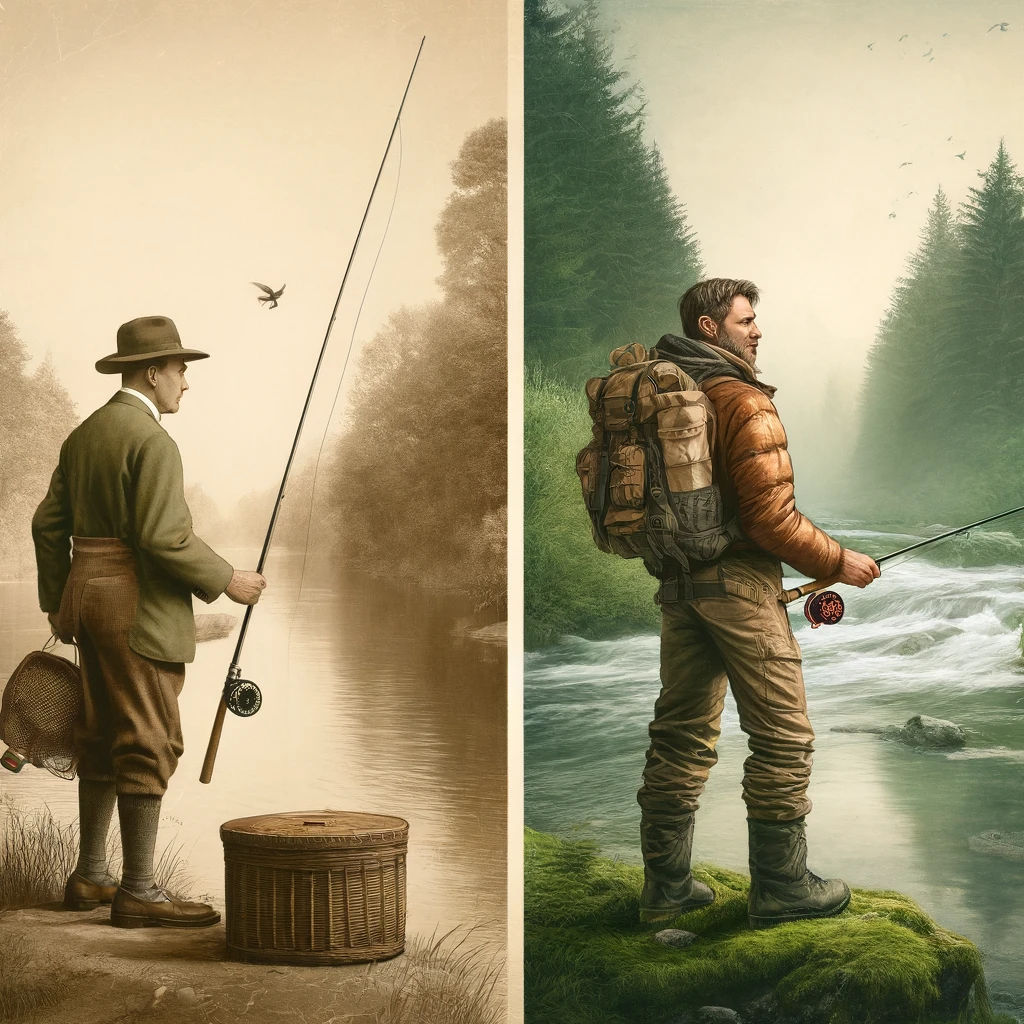
Ever looked down into a clear river and seen fish swimming just beneath the surface? How about daydreaming of casting a fly directly in front of that fish, watching as it takes the bait, and feeling the thrill of the catch? If that sounds like paradise, then sight fishing might be just the technique you need to perfect. Sight fishing is a visual and exhilarating form of angling that involves finding your quarry before casting your line. This method not only tests your angling skills but also immerses you in nature to a delightful new degree. Let’s dive deep (pun absolutely intended) into the basics of sight fishing techniques and strategies.
Essential Gear for Sight Fishing
Sight fishing requires a keen eye and specialized equipment to ensure success. The first thing you’re going to need is polarized sunglasses. These reduce glare on the water’s surface, making it easier to spot fish. Another essential gear item is a high-quality rod and reel that enables accurate casting. Light clothing in natural colors is also recommended because it allows you to blend into the environment better.
Your fly selection is also crucial. Depending on the water body and fish species, it’s essential to have a variety of dry flies, nymphs, and streamers. A pair of waders and decent boots can also make the experience more comfortable, particularly if you’re fishing in cooler waters or places with rugged terrain.
Techniques for Spotting Fish
The key to sight fishing lies in spotting the fish before they spot you. Start by choosing a vantage point that offers a clear view of the water. High perches, like rocks or banks, can be fantastic but take care not to cast shadows over the water. Early mornings and late afternoons are prime times as the angle of light is ideal for reducing glare.
Look for telltale signs of fish presence like shadows, movement, or water disturbances. Fish often swim in schools, so spotting one could mean there are more in the vicinity. Patience is vital here – move quietly and slowly. Sometimes, polarizing your perspective helps, focusing on seeing fish shapes or colors through the water column’s layers.
Careful Approaching and Casting
Sneaking up on fish requires a stealthy approach. Fish can easily get spooked by quick movements or unnatural sounds. Approach cautiously and always be aware of how your body casts shadows. Once you’re close enough, minimize unnecessary movement, and cast away from the fish, slowly moving the fly towards it. This method reduces the chance of scaring the fish away.
Your casting must be impeccable when sight fishing. Execute smooth and deliberate casts to land your fly accurately and softly. Practice double-haul casts to increase distance without adding noise. Prioritize drag-free drifts as fish can detect the unnatural movement of flies on the water surface. Adding a slight twitch or pause to your fly’s motion can often entice a skeptical fish into biting.

Reading Fish Behavior
Understanding fish behavior elevates your sight fishing game. Recognizing signs like feeding patterns or territorial displays can lead to a successful catch. Fish feeding near the surface often move rhythmically and create visible disturbances. Subsurface feeders like trout tend to dart quickly, creating small bubbles or riffles.
Behavioral cues also reveal mood and willingness to strike. Fish following your fly but hesitating to bite might need a different presentation or fly pattern. Conversely, aggressive postures, like quick lunges, suggest higher interest levels. Continuously observe and adapt your strategies based on the fish’s reactions.
Catch and Release Techniques
Conservation is an integral part of modern fly fishing practices. Mastering catch and release methods ensures that fish populations remain healthy and sustainable. Utilize barbless hooks to minimize injury while making release quick and painless. Always wet your hands before touching the fish – dry hands can remove their protective slime layer, which is vital for their survival.
Gently cradle the fish, supporting its body without squeezing, and keep it in water as much as possible. Allow the fish to recover in the water’s current. When it starts to swim away under its own power, you know it’s safe to release. This considerate approach protects fish health and allows them to be caught another day.
Common Mistakes and How to Avoid Them
One of the most frequent mistakes in sight fishing is moving too quickly or carelessly. Patience is your ally – slow down and observe your surroundings. You might spot fish you would have otherwise missed. Another common error is improper fly selection or presentation. Fish can be picky, and a poorly chosen or drag-heavy fly will reduce your chances of success.
Many anglers also underestimate the importance of stealth. Loud footsteps, sudden movements, and even loud talking can scare away fish. Finally, misjudging the fish’s reaction time by yanking the line at the first sign of interest can result in missed opportunities. Wait for the fish to commit fully before setting the hook.
Conclusion
Sight fishing is far more than just a technique; it’s an art form that combines skill, patience, and a deep understanding of the aquatic environment. This unique method of angling enables you to engage more intimately with nature and the fish you pursue, providing valuable lessons every time you cast your line. By mastering the basics – from choosing the right gear and perfecting your casting, to reading fish behavior and practicing ethical catch and release – you set yourself up for a rewarding and sustainable angling experience.
Remember, sight fishing isn’t always about the catch. Sometimes, it’s about the pursuit, the honing of your craft, and the tranquility found in harmonizing with nature. Whether you’re a seasoned angler or a novice keen to explore this visually immersive style of fishing, the journey significantly outweighs the destination.
So next time you head out to your favorite fishing spot, consider leaving your blind casts behind. Engage your senses, remain patient, and let the thrill of sight fishing heighten your overall experience. You might just find it becomes your preferred way to fish.