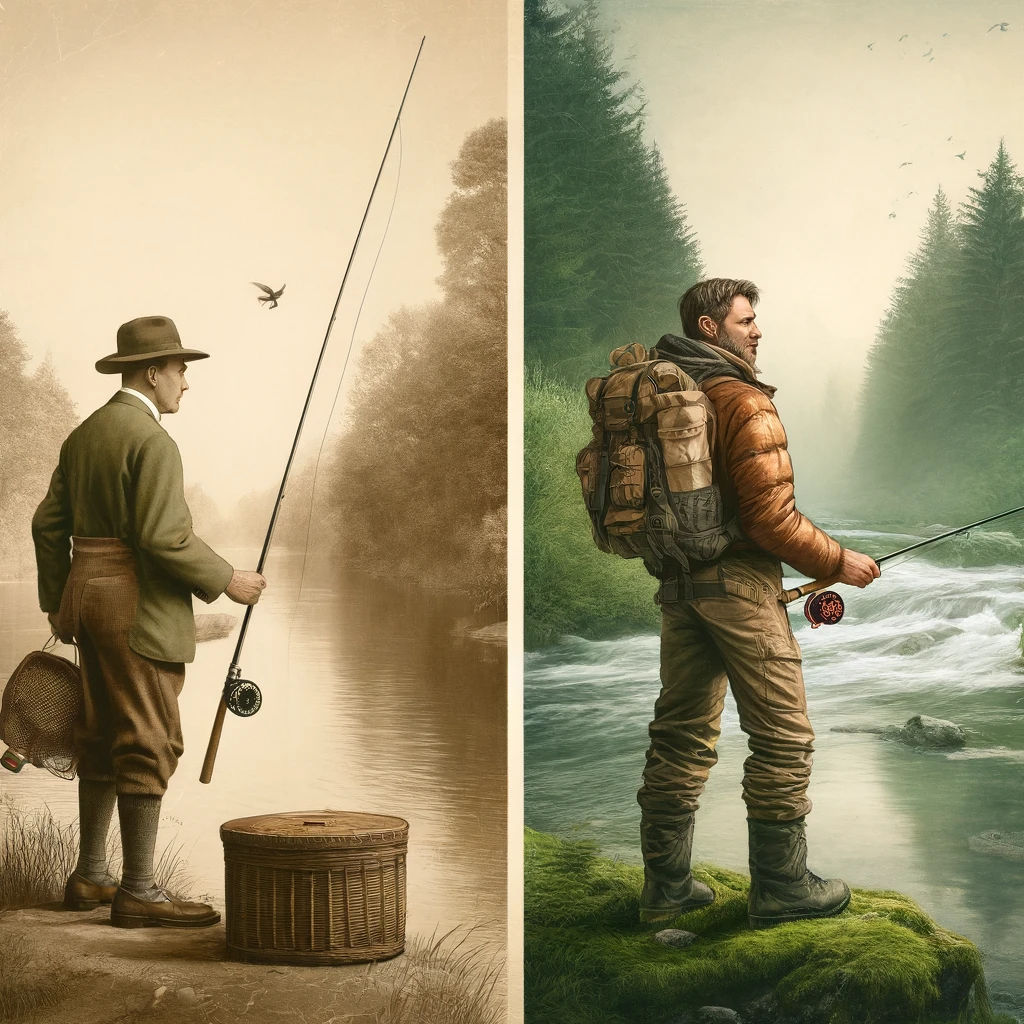
Fly fishing has evolved tremendously over the years. What started as a peaceful pursuit for both solitary and social anglers is now a multifaceted sport with numerous techniques meant to challenge even the most seasoned fisherman. Streamer fishing is one of those powerful and effective techniques, especially when you’re after those big fish. Whether you’re angling for trout, bass, or other game fish, streamers can be your best bet. They mimic larger prey fish and entice predatory fish to strike, often leading to some of the most adrenaline-pumping moments you can experience in fly fishing.
Before you dive headfirst into the world of streamer fishing, it’s essential to understand the basics. Streamers are designed to imitate minnows, leeches, and other swimming prey that bigger fish find hard to resist. They’re typically larger than other fly types and require a distinct set of techniques and strategies to fish them efficiently. But once mastered, streamer fishing can open up a whole new world of opportunities to catch large, aggressive fish that you might otherwise have missed. In this comprehensive guide, we’ll explore the fundamentals, effective techniques, gear recommendations, and strategic approaches to mastering streamer fishing.
The Importance of Gear Selection
Your success in streamer fishing greatly depends on using the right gear. Unlike dry flies or nymphs, streamers are heavier and require more robust equipment to cast effectively.
Choosing the right fly rod is the first step. For streamer fishing, a 6 to 8-weight rod is recommended. The heavier weight will help you cast larger flies more easily and handle bigger fish. A fast-action rod will also help deliver streamers to your target more efficiently, especially in windy conditions.
A quality reel with a good drag system is crucial. Big fish put up a fight, and a reliable drag system will help you manage those powerful runs. Make sure your reel is balanced with your chosen rod weight.
Fly lines specifically designed for streamer fishing are worth the investment. Look for lines that offer a quick taper and weight-forward design. These features make casting large, bulky flies more manageable and increase your control over the fly’s presentation.
Lastly, stock up on a variety of streamers. Some popular patterns include the Woolly Bugger, Muddler Minnow, and Zonker Streamer. Each has unique properties that can come in handy depending on the fishing conditions and the target species.
Understanding Fish Behavior
Knowing how fish behave is a huge part of successfully fishing with streamers. Predatory fish tend to be more aggressive and territorial, especially during spawning seasons or when they are particularly hungry.
Pay attention to water conditions and time of day. Fish are more likely to be active and feeding during dawn and dusk. Low-light conditions make ambush predators more confident and willing to strike.
Understanding the habitat of your target fish is also essential. Predators often lurk near structures like submerged logs, rock formations, and weed beds. These areas provide cover and ambush points, making them prime spots to cast your streamer.
Keep an eye on water temperature and current speed. Fish metabolism is influenced by water temperature; warm water means more active fish, while cold water might require a more deliberate presentation to coax a bite. Fast-moving currents can make it challenging to maintain control over your streamer, so adjust your casting and retrieve technique accordingly.
Effective Casting Techniques
Casting streamers requires a bit more oomph compared to other types of fly fishing. You’ll need a strong, accurate cast to land your streamer where the fish are hiding. The double haul is an essential technique for adding distance and power to your cast.
For those new to the double haul, it involves a series of coordinated pulls on the fly line with your non-rod hand to generate more line speed through the air. This increase in velocity helps cast heavier flies farther and with greater accuracy.
Practice your casting in open areas before hitting the water. Work on achieving tight loops and accurate distances. The goal is to make your streamers land with a gentle splash, rather than a loud plop, to avoid spooking fish.
Sidearm and roll casts can also be useful for streamer fishing, especially in areas with lots of overhead obstructions like tree branches. These casts allow you to present your fly in tight spots where big fish often hide.

Mastering Retrieval Techniques
The way you retrieve your streamer can make or break your fishing success. Predatory fish are often triggered by the sight of a struggling or darting prey. Experiment with different retrieval speeds and styles to see what works best on a given day.
The basic strip retrieve involves using your rod hand to control the rod while your non-rod hand strips the line in short, quick pulls. This action makes the streamer dart in the water, resembling a fleeing baitfish.
If the strip retrieve isn’t producing strikes, try the jerk-strip retrieve. This technique incorporates brief, sharp jerks of the rod tip along with the strip, giving your streamer an erratic movement that can attract more aggressive bites.
Another effective technique is the swing. Cast your streamer across the current and let it swing downstream while maintaining tension on the line. This method allows the streamer to move naturally with the current, imitating an injured or disoriented baitfish.
Fine-Tuning Your Approach
Successful streamer fishing often requires a willingness to adapt and experiment. Pay close attention to the conditions and the fish’s behavior, and be prepared to adjust your strategy accordingly.
Changing your fly size, color, and pattern can have a significant impact. On bright, sunny days, flashy streamers with vibrant colors can catch the attention of fish. On overcast days or in murky water, darker patterns are often more effective.
Alter your retrieval speed and technique frequently. Start with a slow, steady retrieve and gradually increase the speed if you’re not getting any bites. Sometimes, an erratic, fast retrieve can trigger a feeding response in otherwise uninterested fish.
Make sure your presentation looks as natural as possible. Streamers that move too predictably or unnaturally can deter fish. Varying the movement and keeping it unpredictable can entice fish to strike when they might otherwise be cautious.
Conclusion
Streamer fishing is an exhilarating way to target big fish, offering unique challenges and rewards. By understanding the importance of proper gear selection, fish behavior, and effective casting and retrieval techniques, you can greatly increase your chances of success. Remember, patience and persistence are key.
Every fishing day is different, and conditions can change rapidly. Stay observant and flexible, and you’ll be able to adapt to whatever the water throws at you. Practice makes perfect, so don’t be discouraged by initial setbacks. With time and experience, you’ll become proficient in streamer fishing and come to enjoy its exciting dynamics.
The thrill of seeing a big fish slam your streamer is unmatched, and knowing that your skills and knowledge played a crucial role in that success adds another layer of satisfaction. So, gear up, hit the water, and start mastering the art of streamer fishing. Tight lines!