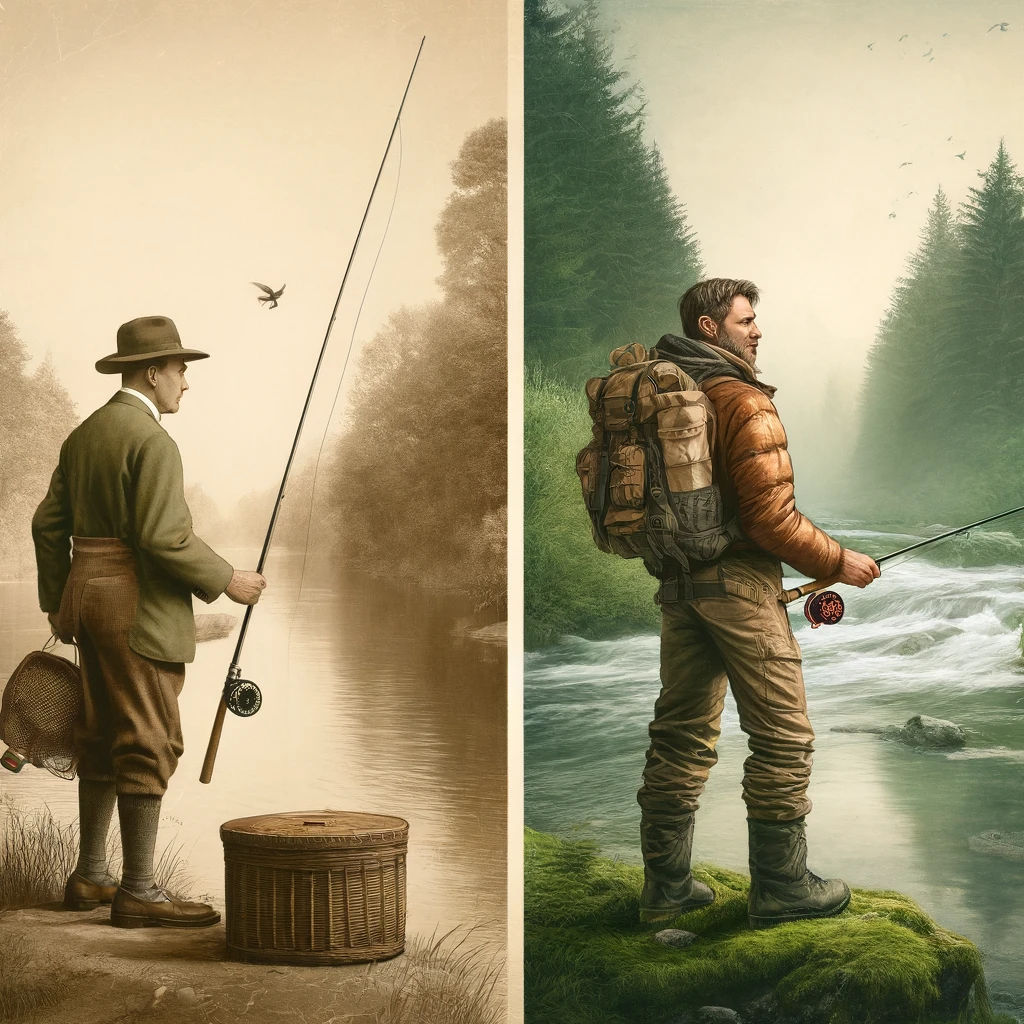
Dry fly fishing is a captivating and rewarding method that comes with its own set of techniques and strategies. This article dives into the basics of dry fly fishing, providing you with essential knowledge to elevate your angling experience.
Introduction
Dry fly fishing is often regarded as the quintessential fly fishing technique. Unlike other methods where the fly is submerged beneath the water’s surface, dry fly fishing employs flies that ride on top of the water, mimicking the natural behavior of various insects. This method offers anglers the visual pleasure of watching the fish rise to take the fly, creating moments that are both thrilling and breathtaking.
The allure of dry fly fishing lies not only in its visual appeal but also in the skill and precision required to execute it successfully. From selecting the right gear and understanding the hatches to mastering the cast and presentation, dry fly fishing involves a symphony of elements that, when harmonized, can lead to a truly rewarding experience.
Whether you’re a seasoned angler or a novice looking to immerse yourself in this captivating corner of fly fishing, this guide will cover the fundamental techniques and strategies you need to keep your fly on top and attract those elusive fish.
Selecting the Right Gear
Choosing the appropriate gear is the cornerstone of successful dry fly fishing. While it might be tempting to opt for the most expensive equipment, understanding what works best for your specific fishing conditions is far more crucial.
Rod and Reel
A lightweight rod, typically in the 3-5 weight range, is ideal for dry fly fishing. These rods provide the sensitivity and finesse required for delicate presentations. Pair your rod with a balanced reel featuring a smooth drag system to help manage the light tippets usually employed in dry fly fishing.
Line and Tippet
Dry fly lines are designed to float on the water, aiding in accurate and gentle presentations. Opt for a weight-forward floating line that matches your rod’s weight. The tippet is another critical component; thin, supple tippets in the 5X to 7X range often work best, as they allow for natural fly movement and minimize drag.
Flies
The selection of dry flies is vast, but some staples include the Adams, Elk Hair Caddis, and Parachute patterns. These flies effectively imitate various insects and are known for their versatility and effectiveness across different water bodies.
Reading the Water
A keen understanding of water behavior is essential for pinpointing where fish are likely to rise. Fish behavior and water flow dynamics dictate these prime spots.
Current and Seam Lines
Fish tend to congregate in areas where fast-moving water meets slower currents, known as seam lines. These areas offer both food and shelter, making them appealing spots for a hungry fish to rise.
Riffles and Pools
Riffles, with their shallow, fast-moving water, are oxygen-rich environments that attract insects and, consequently, fish. Pools, especially those found downstream of riffles, act as prime feeding zones where fish rest and wait for food to drift by.
Structure
Look for submerged rocks, logs, or other structures that provide cover for fish. These spots often serve as ambush points where fish lie in wait for unsuspecting prey.

The Art of the Cast
Mastering the cast is one of the most critical aspects of dry fly fishing. A well-executed cast can mean the difference between a day full of tight lines and one of frustration.
Dead Drift
The dead drift is a technique where the fly floats naturally with the current without any drag. Achieving a dead drift requires controlling the line and making subtle adjustments to your cast and mend in the line.
Roll Cast
The roll cast is particularly useful when you have limited backcasting room. This cast involves rolling the line forward in a smooth arc, sending the fly gently onto the water’s surface.
Reach Cast
The reach cast helps to place your line upstream of the fly, reducing drag and enhancing the dead drift presentation. This cast involves an upstream reach motion immediately after your forward cast lands.
Fly Presentation Techniques
How you present your dry fly can dramatically impact your success rate. Different situations require different presentation strategies.
Upstream Presentation
Presenting your fly upstream allows it to float naturally down to the fish, mimicking the natural drift of food. This technique involves casting directly upstream or at an angle, and requires quick line mending to maintain a natural presentation.
Downstream Presentation
While less common, downstream presentations can be effective in specific scenarios. This technique involves casting the fly directly downstream and allowing it to float naturally into a fish’s feeding lane, sometimes giving a truer representation of drifting insects.
Across Stream Presentation
Ideal for fishing seam lines and structured water, the across stream presentation involves casting perpendicular to the river flow. Proper mending is key to achieving a dead drift and avoiding drag.
Identifying Hatches
Understanding and identifying hatches can significantly improve your chances of success in dry fly fishing. Hatches refer to the emergence of aquatic insects from the water, a natural occurrence that fish react to by feeding aggressively on the surface.
Caddisflies
Caddisflies are prevalent in many water systems and can produce prolific hatches. Look for the characteristic tent-winged adults skittering on the surface, and carry an assortment of elk hair caddis flies to match these hatches.
Mayflies
Mayflies are another commonly encountered insect with several species, each having unique lifecycle timings. Patterns like the Adams or Blue Wing Olive are excellent imitations for various mayfly species.
Stoneflies
Larger than caddisflies and mayflies, stoneflies hatch in streams and rivers with fast-moving, well-oxygenated water. Patterns like the Stimulator mimic adult stoneflies and are highly effective when these insects are present.
Tips for Success
To improve your dry fly fishing success, consider these expert tips that can help you consistently catch fish.
Stealth and Patience
Approaching the water with stealth is crucial. Fish are highly sensitive to disturbances, and a heavy footfall or loud noise can send them into hiding. Moving slowly and keeping a low profile enhances your chances of getting close enough for a natural presentation.
Observation
Spending a few minutes observing the water before casting can offer valuable insights. Look for rising fish, surface disturbances, and flying insects. These clues help in determining where to cast and what fly to use.
Practice Casting
Regular practice can refine your casting technique, helping you achieve greater accuracy and control. Try practicing different casts, like the roll cast or reach cast, to become proficient in all fishing situations.
Conclusion
Dry fly fishing is an art as much as it is a science, requiring a blend of knowledge, skill, and observation. Selecting the right gear, understanding water dynamics, mastering the art of the cast, and accurately presenting your fly are all fundamental aspects that contribute to success on the water.
As you immerse yourself in this captivating angling method, remember that patience and persistence are your greatest allies. Every cast, whether successful or not, is a learning experience that brings you closer to mastering the delicate dance of dry fly fishing.
The beauty of dry fly fishing lies not only in the thrill of the catch but also in the deeper connection it fosters with the natural world. From watching the rise of a fish to matching the hatch and coaxing a strike, each moment spent on the water is filled with the potential for discovery and wonder.
So gear up, step into the river, and let the symphony of nature and angling unfold. With the right techniques and strategies at your disposal, you’ll be well on your way to keeping your fly on top and experiencing the joy of dry fly fishing.