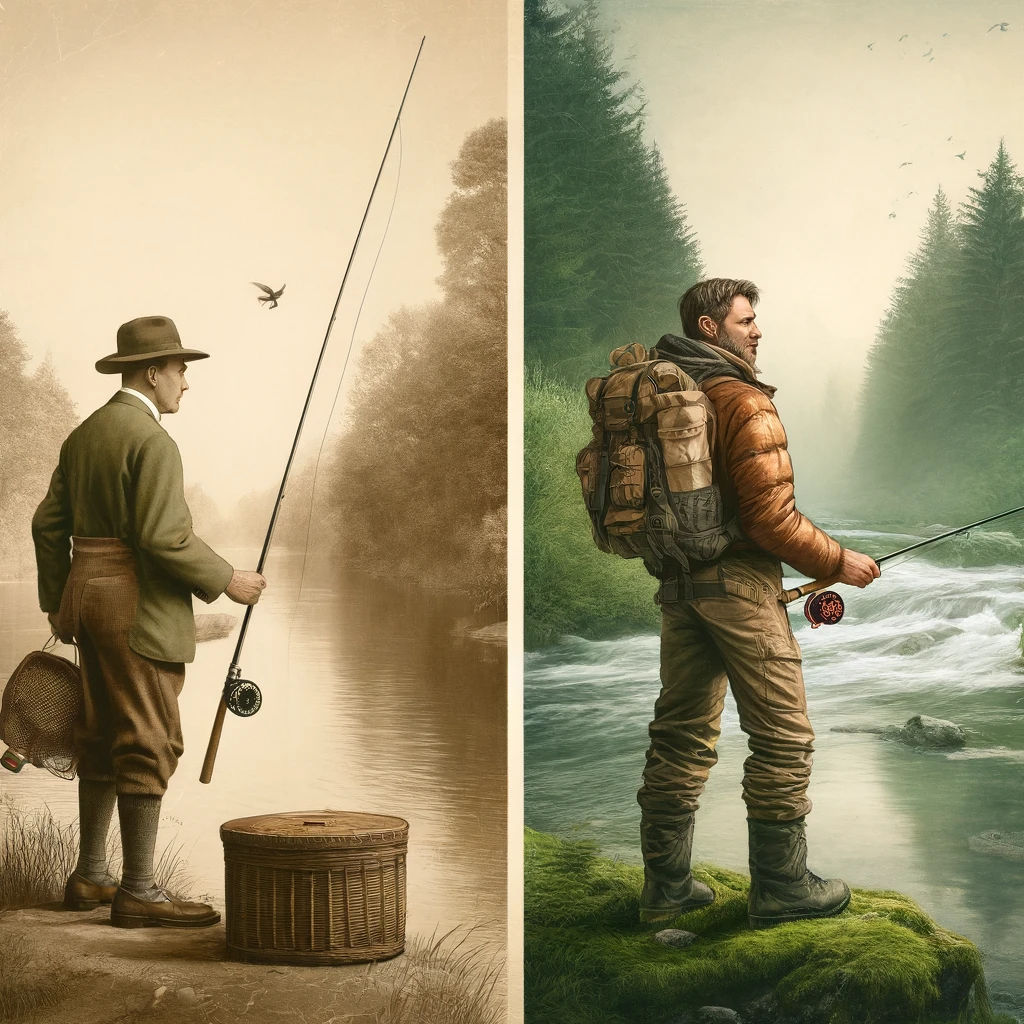
Fly fishing is an alluring sport, one that marries patience, skill, and a close communion with nature. While many anglers are drawn to the surface strikes and visual excitement of dry fly fishing, an entire world of opportunity lies beneath the water. Nymphing, or fishing with underwater fly patterns that mimic aquatic insects in their larval stage, is an art form in and of itself. It is a method that allows anglers to reach fish that are feeding below the surface, often in deeper water and more challenging conditions.
In this article, we will deep dive into the basics of nymphing, covering essential techniques and strategies to help you become more effective at fishing below the surface. We’ll discuss the types of nymphs, the gear you’ll need, and the tactics to employ in different water conditions. Whether you’re a novice angler looking to expand your skill set or a seasoned pro wanting to revisit the fundamentals, this comprehensive guide aims to equip you with the knowledge to succeed in nymphing.
Types of Nymphs
One of the first steps in becoming proficient at nymphing is understanding the types of nymphs that mimic the various life stages of aquatic insects. The most commonly used nymphs are designed to replicate mayflies, caddisflies, and stoneflies. Each type has its own unique appearance and swimming behavior, factors that influence both the design of the fly and how it should be fished.
- Mayfly Nymphs: These nymphs are typically slim with three tails and move swiftly in the water. Popular patterns include the Pheasant Tail and the Hare’s Ear.
- Caddisfly Larvae: Recognized for their tubular bodies and coarse, segmented appearance. The Green Caddis Nymph and the Czech Nymph are effective patterns.
- Stonefly Nymphs: These are often larger and more robust, with two tails and a more aggressive swimming behavior. The Kaufmann’s Stonefly Nymph is a favorite.
Choosing the right nymph often depends on the type of water you’re fishing and the specific species of insects currently hatching. Local fly shops can be an invaluable resource in helping you select the right patterns.
Essential Gear for Nymphing
When it comes to nymphing, having the right gear can make all the difference. Here are some essentials:
- Rod: A 9-foot, 5-weight rod is versatile for most nymphing situations. However, specialized nymphing rods are typically longer, around 10-11 feet, to provide better line control and reach.
- Reel: A lightweight reel with a good drag system will stabilize your setup and help you when fighting larger fish.
- Line: A weight-forward floating line is a good all-around choice, but consider a double-taper line for more delicate presentations.
- Leader: A tapered leader transitioning to fine tippet (4X to 6X) is ideal. The length often depends on water depth and clarity, ranging from 9 to 12 feet.
- Indicators: These float on the surface and detect strikes, offering visual cues when a fish takes your nymph.
- Split Shot: These small weights help get your nymphs down to the desired depth.
Additional accessories, such as a wading staff, polarized sunglasses, and a net, can also be advantageous in improving your nymphing experience.
Tactics for Different Water Conditions
Different water conditions demand varying nymphing tactics. Let’s look at how you can adjust your strategy based on the scenarios you might encounter:
- Riffles: These are shallow, fast-moving sections. Use heavier nymphs and short casts to keep your flies in the strike zone.
- Pools: Deeper sections where fish often lie. It’s beneficial to use long leaders and lighter tippets to avoid spooking fish.
- Pocket Water: These small, fast-moving sections between rocks can hold fish. Cast upstream and allow your nymph to drift naturally into the pocket.
- Runs: Moderate depth and flow areas. Use a combination of weight and indicator placement to achieve a natural drift.
Matching the weight of your nymph and the placement of your indicator to the current and depth of the water will significantly improve your success rate.
The Drift: A Crucial Aspect
The key to successful nymphing lies in achieving a natural drift. The drift is how your fly moves through the water column, and it needs to mimic the natural behavior of the insects you’re replicating. This involves managing both the depth and the speed of your fly.
Start by casting upstream or upstream at an angle. Mend your line upstream as it lands to reduce drag and allow your fly to sink. Maintain a slight tension on the line to feel for strikes but avoid pulling the fly through the water unnaturally. Watch your indicator meticulously; even the slightest pause or twitch may signal a strike.
Practicing your mending techniques and refining your ability to manage drag will raise your nymphing proficiency and lead to more hook-ups.
Detecting Strikes
One of the most challenging aspects of nymphing is detecting strikes. Unlike dry fly fishing, where you see the fish take your fly, nymphing requires keen observation and a good sense of feel. Here are some tips to help you detect strikes more effectively:
- Watch the Indicator: Any pause, twitch, or subtle movement can signify a strike. React quickly by setting the hook.
- Learn to Feel: With practice, you’ll begin to sense when your nymph hits a fish versus the bottom or debris. This comes with experience and attention.
- High-Sticking: Keep your rod tip high and line tight to reduce slack and improve sensitivity. This technique is especially useful in fast water.
- Practice Setting the Hook: Get into the habit of setting the hook whenever your indicator acts suspiciously. It’s better to set and miss than not to set at all.
Developing a knack for detecting strikes will naturally improve with time spent on the water and learning from each experience.
Advanced Nymphing Techniques
Once you’ve mastered the basics, you can start experimenting with advanced nymphing techniques. Here are a few to explore:
- Double Nymph Rigs: Using two nymphs spaced apart can increase your chances of catching fish, offering different patterns at varying depths.
- Euro Nymphing: This method involves longer leaders and no indicator, relying on maintaining direct contact with the flies to detect strikes.
- Dead-Drifting with Streamers: Combine a nymph with a small streamer to mimic a larger prey item being pursued.
- Switch between Tight and Loose Line Nymphing: Adjust your line tension based on water speed and depth for a more dynamic approach.
Diversifying your nymphing arsenal will give you more tools to handle various fishing conditions, enhancing your overall success rate.
Conclusion
Nymphing is a versatile and effective technique to catch trout and other species feeding below the surface. By understanding the types of nymphs, equipping yourself with the right gear, and mastering various tactics and techniques, you can significantly enhance your fly fishing success. Remember, the key to becoming proficient at nymphing lies in practice and patience. Spend time on the water, observe the environment, and continually refine your approach based on what you see and learn.
So, the next time you’re out on the river and the fish aren’t rising, don’t despair. Rig up a nymph, adjust your strategy to match the conditions, and work those underwater currents. You might find that the world beneath the surface holds just as much excitement and reward as the one above.