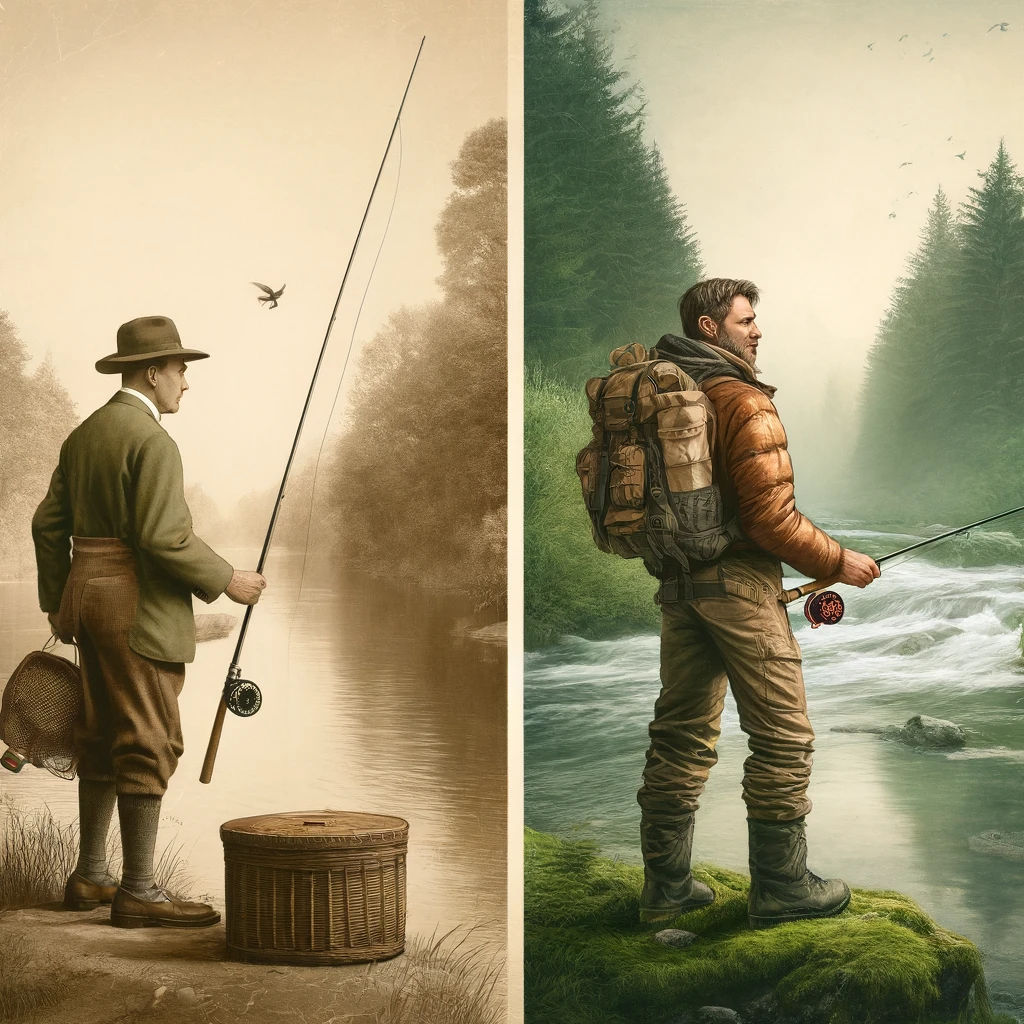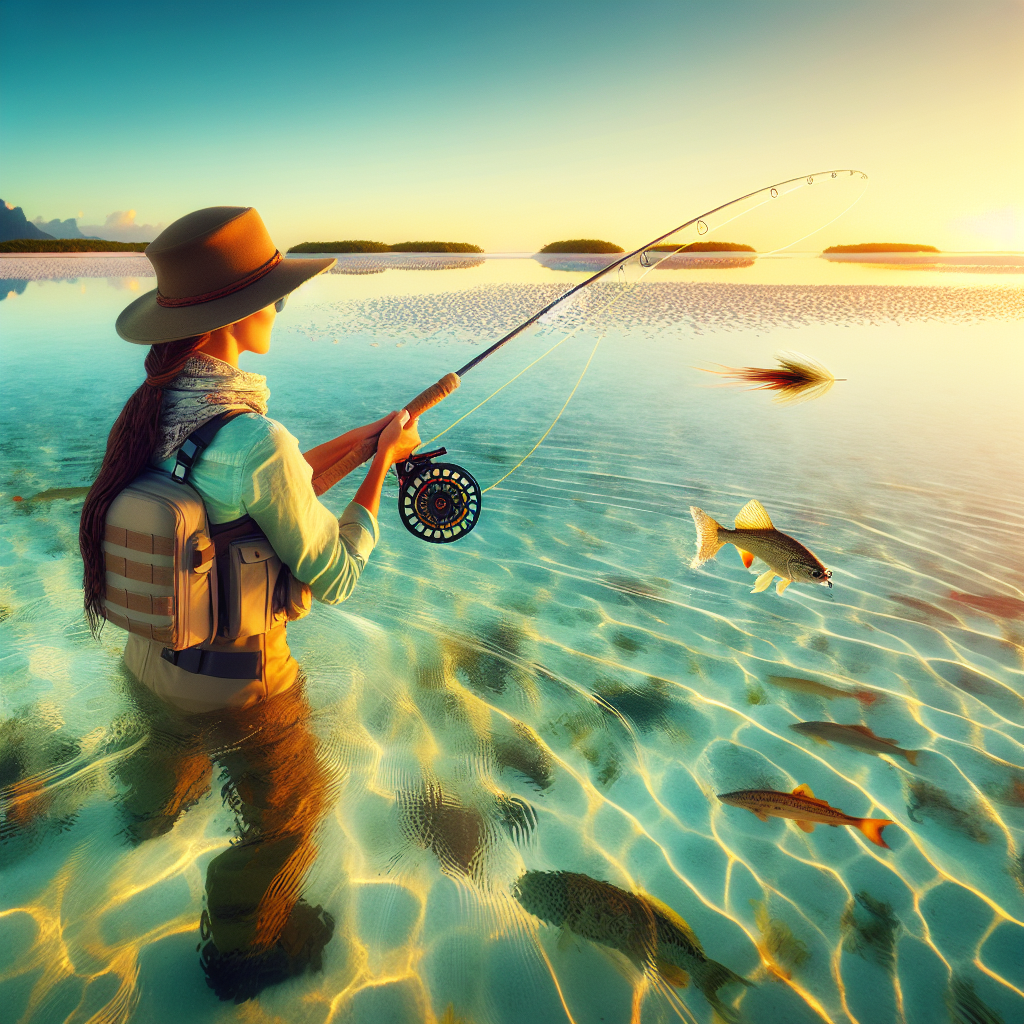
Fly fishing is a timeless pursuit that combines the thrill of angling with the serenity of nature. While many anglers start out casting in freshwater streams and rivers, the allure of saltwater fly fishing in the flats often proves irresistible. The shallow waters of coastal flats are home to a variety of saltwater species that present exciting challenges and rewards for fly fishers. In this article, we’ll dive into the basics of fly fishing in the flats, focusing on essential techniques and insights to help you become successful in shallow water environments.
Flat fishing primarily takes place in coastal areas where the water is shallow enough to wade or pole a small boat through. These environments are typically characterized by expansive, sandy or grassy areas that provide a unique habitat for various saltwater species. Target species often include bonefish, permit, tarpon, redfish, and snook, each offering its own set of challenges and thrills.
Mastering the art of fly fishing in the flats demands a different skill set compared to freshwater and deeper saltwater fishing. Factors such as tide movements, predatory behaviors, water clarity, and even the time of day can significantly affect your success. As such, having a solid understanding of these elements and employing the right techniques can make all the difference. Now, let’s explore the essential techniques and tips for shallow water fly fishing in the flats.
Essential Equipment
Before you even dip your toes in the shallow waters, having the right gear is crucial for a successful fly fishing trip. Whereas freshwater fly fishing may involve lighter gear, flats fishing generally requires equipment that can withstand tougher conditions and bigger fish.
Rod and Reel: When fly fishing in the flats, opt for a saltwater-specific fly rod and reel. These should be more robust to handle the larger saltwater species and the corrosive saltwater environment. An 8 to 10-weight rod is ideal for many species like bonefish and redfish, while a 10 to 12-weight rod is more suited for targeting bigger game like tarpon. Match this with a high-quality, saltwater-resistant reel with a strong drag system.
Line and Leaders: A floating line is generally recommended for flats fishing to keep your fly near the surface where many target species feed. Your leader should be strong but tapered, extending to about 9-12 feet. Fluorocarbon leaders are often preferred due to their abrasion resistance and low visibility underwater.
Flies: In the flats, fly patterns like the Gotcha, Crazy Charlie, Clouser Minnow, and crab patterns can be very effective. It’s important to match your fly to the local baitfish and crustaceans that your target species are feeding on.
Additional Gear: Polarized sunglasses are indispensable, as they reduce glare and help you spot fish. A good pair of wading boots will protect your feet and provide necessary traction. Additionally, wear clothing that offers sun protection and is quick-drying to keep you comfortable.
Casting and Presentation Techniques
When it comes to flats fishing, the ability to cast accurately and present your fly naturally is paramount. Here are some tips to help you hone these skills:
Short and Accurate Casts: Given the shallow nature of flats, fish are often closer than you think, requiring short but precise casts. Practice casting at distances of 30-50 feet with accuracy. Being able to quickly reach your target can often mean the difference between spooked fish and a successful hook-up.
Low and Slow Presentation: Fish in the flats can be easily spooked, so it’s essential to deliver your fly gently. Keeping a low profile and using a slow, deliberate casting motion can help. Remember, the goal is to have your fly land softly on the water.
Strip Techniques: Once your fly is in the water, retrieving it effectively is vital. Different fish species respond to various retrieves, including quick, short strips or slower, longer ones. Experiment to see what works best for the fish you’re targeting on any given day.
Double Haul Cast: Master the double haul technique to increase your distance and control. This casting method involves a coordinated pulling motion with both hands, allowing you to achieve greater line speed and distance, crucial for dealing with windy conditions common in coastal flats.
Spotting and Stalking Fish
Spotting fish in the flats requires keen observation skills. Here are some tips for effectively locating and approaching your quarry:
Reading the Water: Look for signs of fish activity. Changes in water color, tailing fish, and baitfish schools can all indicate the presence of predatory fish. Learn to read the subtle cues that suggest where fish are likely to be.
Polarized Sunglasses: Investing in high-quality polarized sunglasses will make spotting fish much easier. These glasses reduce surface glare, allowing you to see into the water more clearly. Combine them with a hat that provides shade to further enhance your vision.
Slow Movements: The key to not spooking fish in the flats is to move slowly and deliberately. Whether wading or on a boat, minimize your noise and movements. If you’re wading, keep your steps soft and avoid shuffling your feet.
Positioning: Always try to position yourself upwind or lateral to your target. This not only helps with casting but also reduces the chance of the fish detecting your presence. Also, consider the position of the sun, as casting shadows can alert fish to your presence.
Fly Selection and Imitation
Choosing the right fly and effectively imitating the prey of your target species is a critical part of fly fishing in the flats:
Local Knowledge: Do some research or talk to local fly shops and guides about what flies have been effective recently. Having an assortment of proven patterns in your box can make a significant difference.
Match the Hatch: Pay attention to the local fauna. If you see small crabs, shrimp, or baitfish in the water, select flies that closely resemble these creatures. Matching the color, size, and movement of the local prey will greatly increase your chances of success.
Seasonal Variations: Different species may be more active at different times of the year. Adjust your fly selection and techniques based on the seasonal movements and behaviors of your target fish. Check seasonal patterns for the specific fish you are targeting, as this can significantly affect their feeding habits.
Customizing Presentation: Sometimes, altering your fly in small ways can yield big results. Using markers to add a touch of color, trimming materials for a better silhouette, or even changing the weighting to adjust the sink rate can help make your fly more appealing.
Handling and Releasing Fish Responsibly
Catch and release is a common practice in fly fishing, especially in the flats where conservation efforts are essential to maintain healthy fish populations:
Barbless Hooks: Consider using barbless hooks, which are easier to remove and cause less damage to the fish. If you’re using barbed hooks, make sure to crimp the barb down with pliers.
Minimize Handling: Once you’ve landed a fish, avoid handling it more than necessary. Wet your hands before touching the fish to protect its slime coat, and use a rubberized net to support it while unhooking.
Quick Release: Keep the fish in the water as much as possible. If you must lift it for a quick photo, support its body properly and get it back in the water swiftly. Holding the fish upright in the water, gently move it back and forth to ensure it can swim away strongly.
Avoid Over-fighting: Using the appropriate tackle for the species you’re targeting will help you land the fish quickly, reducing the stress on the fish. Over-fighting can exhaust the fish, making it harder for them to recover.
Conclusion
Fly fishing in the flats is an exhilarating and rewarding pursuit that requires a blend of skill, knowledge, and patience. From selecting the right equipment to mastering casting techniques and spotting fish with precision, each component plays a crucial role in shaping your success in shallow water fly fishing. As you gain experience and refine your techniques, the flats will reveal their hidden treasures, offering unforgettable moments with some of the most sought-after saltwater species.
Remember, the art of fly fishing is not just about catching fish but also appreciating the delicate balance of the ecosystem and practicing responsible angling. By respecting the environment and following ethical fishing practices, we ensure that these pristine shallow waters continue to thrive for generations to come.
Whether you’re a seasoned angler or just starting your journey into the world of fly fishing, the flats provide a dynamic and thrilling arena for honing your skills and connecting with nature. With the right preparation and a mindful approach, you’ll find that the challenges of flats fishing only heighten the satisfaction of every successful cast and catch.
So, gear up, step into the shallow waters, and embrace the adventure that awaits in the world of fly fishing in the flats. The experience is sure to leave you with lasting memories and perhaps a newfound appreciation for this unique and compelling aspect of fly fishing.