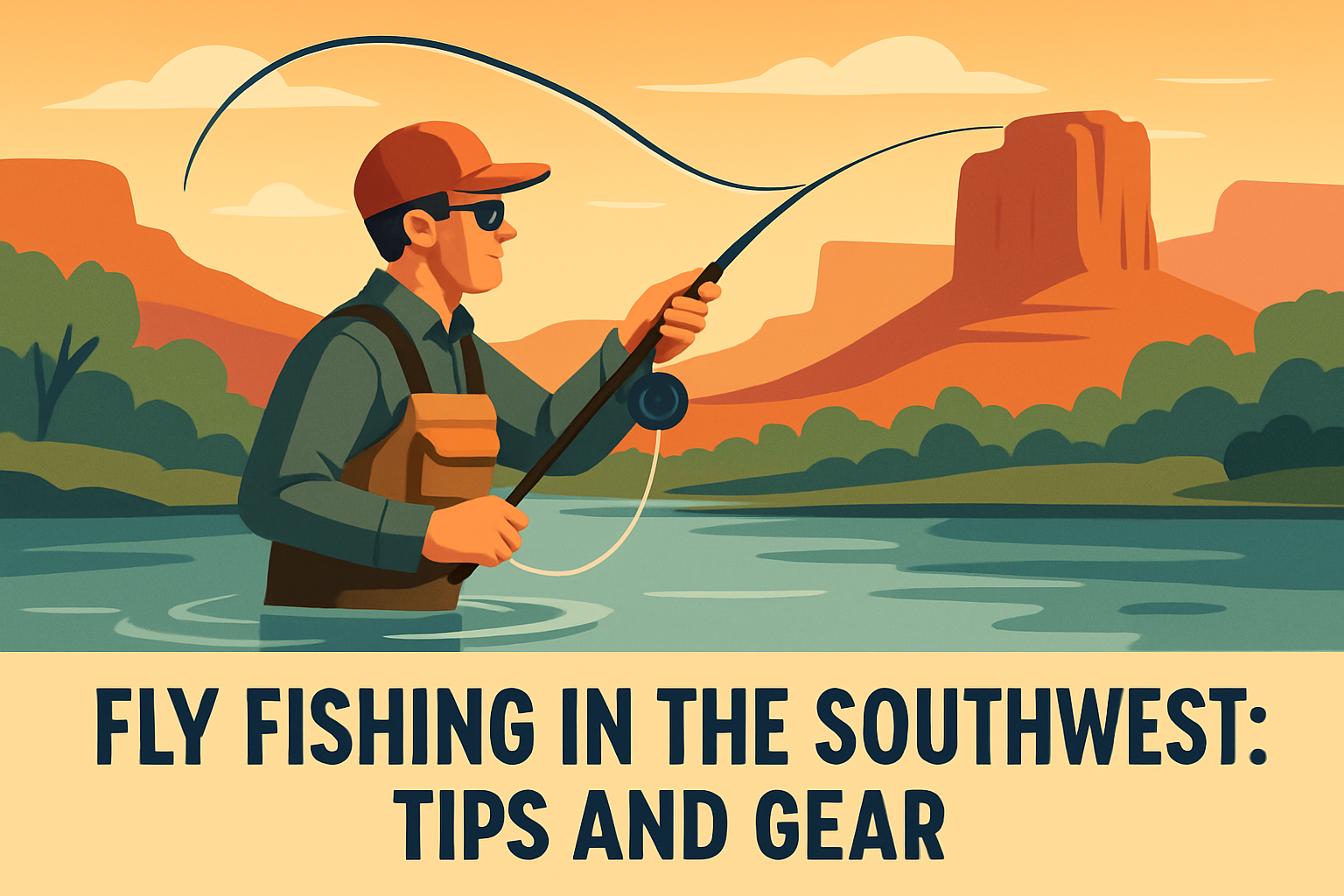
Fly fishing in the Southwest rewards anglers who understand that desert rivers, tailwaters, alpine streams, and spring creeks all demand different tactics, even when they sit within the same state. In practical terms, “the Southwest” usually means Arizona, New Mexico, southern Utah, southern Colorado, west Texas, and parts of Nevada, where water is scarce, weather changes fast, and trout often survive because of elevation, dams, or cold springs. I have fished these waters through runoff, monsoon storms, and low summer flows, and the consistent lesson is simple: success comes from matching your gear and presentation to harsh regional conditions rather than copying generic trout advice from wetter regions.
That matters because Southwestern fly fishing is both technical and accessible. You can catch wild brown trout in a narrow mountain creek at sunrise, then nymph for heavy rainbows below a dam that afternoon. The region also offers species beyond trout, including bass, carp, and panfish in warmwater systems, but trout remain the anchor for most fly anglers planning a Southwest trip. Water clarity, temperature swings, and insect timing control everything. A ten-degree rise in water temperature, a sudden release change from a reservoir, or a brief summer thunderstorm can entirely reshape feeding behavior. Understanding those patterns is the difference between blind casting and fishing with purpose.
Good preparation starts with key terms. A tailwater is a river section below a dam where released water stays colder and more stable, often creating year-round trout habitat. Freestone streams depend mainly on snowmelt and rain, so flows rise and fall more dramatically with seasons. Spring creeks are fed by groundwater, keeping temperatures relatively constant and making fish selective. Runoff refers to snowmelt-driven high water in late spring or early summer. Monsoon season, especially in Arizona and New Mexico, brings localized storms that can stain streams quickly and make access risky. When anglers say “matching the hatch,” they mean choosing flies that imitate the insects fish are actively eating, such as midges, mayflies, caddis, terrestrials, or stoneflies.
The Southwest matters to fly anglers because it concentrates variety into a huge landscape. New Mexico’s San Juan River is one of the best-known midge fisheries in the country. Arizona’s Lees Ferry offers clear tailwater fishing below Glen Canyon Dam with strong rainbow trout populations. Southern Colorado and northern New Mexico provide high-elevation creeks where small trout smash attractor dries all summer. Each fishery punishes poor assumptions. Heavy boots may be overkill on a meadow stream but essential on slick canyon rock. A 5-weight may be perfect one day and underpowered the next if afternoon wind rises to twenty miles per hour. To fish these waters well, you need location-specific tactics, reliable gear, and the discipline to adjust constantly.
How Southwestern waters shape fly fishing strategy
The fastest way to improve in the Southwest is to stop thinking of the region as one uniform trout destination. Water source determines strategy. On tailwaters such as the San Juan or Lees Ferry, stable temperatures support dense insect populations, especially midges and small mayflies. Fish see many flies, so drifts must be clean and tippet often needs to be finer than many anglers expect. In contrast, alpine creeks in the Jemez, Pecos, or San Juan Mountains may hold eager trout that respond aggressively to bushy dry flies, hoppers, or small beadhead droppers. There, stealth and approach angle matter more than perfect entomological matching.
Seasonality is more compressed than many visitors realize. Spring runoff can make freestone rivers unfishable, while tailwaters remain productive because flows are controlled. Summer often produces the broadest range of opportunities, but it also brings heat stress at lower elevations. Once water temperatures climb above about 68 degrees Fahrenheit, trout become increasingly vulnerable, and responsible anglers should fish early or move to colder water. During monsoon periods, side streams can blow out in minutes. I have watched a creek run clear at noon and turn chocolate brown after an upstream cloudburst by one o’clock. Checking radar, release schedules, and local fly shop reports is not optional in this region; it is part of basic trip planning.
Presentation changes with water type. In clear, technical tailwaters, I usually rely on indicator nymphing with small flies, long leaders, and careful weight adjustments, then switch to dry-dropper rigs or emergers when fish start feeding higher in the column. In pocket water and small freestones, high-stick nymphing and short, controlled drifts outperform long casts. Southwestern trout often hold tight to seams, undercut banks, plunge pools, and shaded slots because overhead cover is limited. If you target those high-percentage lies methodically instead of casting randomly, your catch rate improves quickly.
Best gear for fly fishing in the Southwest
If someone asks for the single best fly rod for the Southwest, my answer is a fast-action 9-foot 5-weight. It handles dry flies, nymph rigs, moderate wind, and trout from small streams to major tailwaters. That said, one rod cannot solve every scenario. I also like a 3-weight or 4-weight for tight mountain creeks and a 6-weight when wind, weighted rigs, or larger warmwater fish are likely. Reels matter less for small trout than for large migratory fish, but choose one with a smooth drag and enough arbor size to reduce line memory in hot, dry conditions.
Your fly line should match your primary use. A standard weight-forward floating line covers most trout situations. On tailwaters, a line with a refined front taper helps with delicate turnover when fishing long leaders and small dry flies. Warmwater anglers chasing bass or carp in lakes and reservoirs may add an intermediate or sink-tip line. Leaders and tippet deserve more thought than beginners often give them. I carry 7.5-foot to 12-foot leaders, plus fluorocarbon and nylon tippet from 6X down to 2X. Fluorocarbon sinks and resists abrasion, making it useful for nymphing rocky runs. Nylon floats better and is often preferable for dry flies.
| Southwest scenario | Recommended setup | Why it works |
|---|---|---|
| Technical tailwater trout | 9-foot 5-weight, floating line, 9-12 foot leader, 5X-6X tippet | Supports long drifts, subtle presentations, and small midge or mayfly patterns |
| Small high-country creek | 7.5-8.5 foot 3-weight or 4-weight, floating line, 7.5-9 foot leader, 4X-5X | Improves casting under brush and protects light flies at short range |
| Windy freestone or hopper fishing | 9-foot 5-weight or 6-weight, floating line, 7.5-9 foot leader, 3X-4X | Turns over bigger dries and dropper rigs in afternoon wind |
| Bass or carp in reservoirs and canals | 9-foot 6-weight or 7-weight, floating or sink-tip line, 0X-2X | Handles larger flies, stronger fish, and varied depths |
Waders are useful in cold tailwaters and shoulder seasons, but wet wading is often more comfortable in summer. In the Southwest, sun protection is gear, not an accessory. A UPF hooded shirt, sun gloves, neck gaiter, polarized glasses, and a wide-brim cap reduce fatigue and help you spot fish. I also carry more water than I think I need, because dehydration sneaks up fast at altitude and in dry air. For boots, sticky rubber soles with studs help on slick cobble, though some areas restrict metal traction, so check regulations. A compact thermometer, forceps, floatant, strike indicators, split shot, and a waterproof pack round out a practical kit.
Productive flies, rigs, and presentation tips
Southwestern fly selection should be driven by food sources that reliably appear across the region. Midges are essential on tailwaters year round. Sizes 18 to 24 in black, red, cream, and olive consistently produce, especially in larva, pupa, and emerger forms. On the San Juan, for example, anglers regularly catch trout on tiny zebra midges, thread midges, and foam emergers under indicators or in shallow feeding lanes. Mayflies matter in spring and fall, with baetis patterns often outperforming larger imitations during cloudy weather or fluctuating releases. Caddis, especially in lower-elevation rivers, can trigger excellent evening action.
Terrestrials become especially important from late spring through early fall. Hoppers, ants, and beetles are not just opportunistic patterns here; they are central to summer fishing. In grassy meadow streams and on breezy afternoons near bankside vegetation, a tan or olive hopper in sizes 8 to 12 can be the entire game. I often pair one with a small pheasant tail, perdigon, or midge dropper eighteen to twenty-four inches below. This dry-dropper setup is one of the most efficient ways to cover Southwestern water because it searches both the surface and the subsurface while remaining easy to manage.
As for rigs, start simple. In moderate current, I prefer a two-fly nymph rig with enough split shot to tick bottom occasionally, not constantly. Too many anglers fish too light because they fear snags; the result is a perfectly clean drift several inches above the trout. In clear water, reduce indicator size and lengthen the leader before changing flies. In pocket water, ditch the indicator and use tight-line methods to stay connected. For dry-fly fishing, cast less and observe more. Southwestern trout often reveal exact feeding lanes, especially in slick tailwater seams. Once you identify the rhythm, one accurate cast beats ten hopeful ones.
Streamer fishing has a place too, especially for larger browns during low light, high water, or pre-spawn aggression in legal periods. Small olive or black streamers stripped along undercut banks can produce fish that ignore tiny nymphs. Just remember that many Southwestern trout streams are relatively infertile compared with famous Northern rivers, so giant articulated patterns are not always necessary. Match forage size first, then adjust retrieve speed until fish commit.
Reading conditions, finding fish, and fishing responsibly
Finding trout in the Southwest starts with temperature, oxygen, and protection from light. In summer, fish move into riffles, deeper slots, spring inflows, and heavily shaded banks where water stays cooler. In winter, especially on tailwaters, midday can be the best fishing window because insect activity rises with light and slight temperature increases. Wind is a major variable that many travel articles understate. If the forecast shows a calm morning and a windy afternoon, fish technical dry flies early and save heavier nymph rigs or streamer work for later.
Local knowledge is invaluable. Before any trip, I check state regulations, USGS gauges, dam release data when available, and a nearby fly shop report. Sudden release changes below dams can reposition trout and alter safe wading routes immediately. Regulations vary widely by water. Some reaches are barbless only, some are catch and release, and some have bait restrictions or seasonal closures. Following those rules protects fragile fisheries that often depend on limited cold-water habitat. For anglers planning broader trips, nearby destination pages on local tourism sites or species-specific resources can help identify access points, campgrounds, and shuttle options.
Responsible handling is especially important in warm climates. Use a rubber net, keep fish in the water as much as possible, and shorten fights by using appropriate tippet strength. If water temperatures are too high, do not target trout simply because you can still find them. Move to carp, bass, or higher-elevation streams instead. The Southwest offers enough variety that ethical choices rarely end a fishing day; they just redirect it.
Weather safety deserves equal emphasis. Desert storms create flash-flood risk in canyons and arroyos, while high-country lightning can make exposed meadows dangerous within minutes. Tell someone where you are going, carry a map or offline navigation app, and do not assume cell coverage. In my experience, anglers lose more fishing time in the Southwest to poor planning around heat, storms, and access than to fly selection. Competence here means reading the whole environment, not just the water.
Fly fishing in the Southwest becomes far more productive once you treat the region as a collection of distinct fisheries connected by common challenges: limited water, intense sun, wind, and fast-changing conditions. The core advantages are clear. A versatile 5-weight covers most trout situations, but leaders, tippet, footwear, and sun protection often determine success more than the rod itself. Tailwaters reward finesse with midges and precise drifts. Small mountain streams reward stealth, mobility, and attractor patterns. Summer terrestrials, especially hoppers and ants, are not optional extras; they are foundational patterns across much of the region. Good anglers also monitor water temperature, flow data, and weather before they ever step into the river.
The main benefit of learning Southwestern techniques is adaptability. Once you understand how to adjust for altitude, runoff, dam releases, monsoon storms, and selective trout, you become effective on a much wider range of waters. That adaptability also makes your fishing safer and more ethical, because you know when to change locations, switch species, or stop targeting stressed trout entirely. If you are planning your next trip, build a simple regional setup, check local reports, and spend your first hour observing current, insects, and fish position before you cast. The Southwest will reward that discipline with better fishing and a deeper understanding of every river you step into.
Frequently Asked Questions
What makes fly fishing in the Southwest different from trout fishing in other regions?
Fly fishing in the Southwest is different because water availability, elevation, and temperature drive nearly every decision you make on the river. Unlike regions with more stable flows and widespread trout habitat, the Southwest depends heavily on tailwaters, spring creeks, high-elevation streams, and a limited number of cold-water fisheries that can support trout through hot, dry conditions. That means two rivers in the same state can fish completely differently. A freestone stream in southern Colorado or northern New Mexico may fish best during a short alpine summer window, while a tailwater below a dam in Arizona or New Mexico may offer more consistent flows but require technical presentations and small flies year-round.
Weather is another major factor. In the Southwest, you have to plan around snowmelt runoff, drought, monsoon storms, sudden temperature swings, and bright sun that can make fish extremely wary. Water levels can change quickly, and summer thunderstorms can turn a clear creek muddy in a matter of minutes. On top of that, trout in these systems often see a lot of pressure because fishable water is limited. As a result, success usually comes from matching your tactics to the exact type of water in front of you rather than relying on a one-size-fits-all approach. Anglers who pay attention to flow conditions, water temperature, insect activity, and how fish use structure in each specific setting usually do far better than those who simply show up with generic trout gear and a standard drift.
What gear should I bring for fly fishing in the Southwest?
A versatile setup is the smartest choice for the Southwest because you may encounter anything from small brushy creeks to larger tailwaters and windy open rivers. For most trout fishing, a 9-foot 5-weight rod is the best all-around tool. It handles dry flies, nymph rigs, and small streamers well, and it has enough backbone for fishing in afternoon wind. If you expect to spend time on tiny alpine streams or overgrown headwaters, a shorter 3-weight or 4-weight can be more enjoyable and easier to manage in tight quarters. If your trip will focus on bigger tailwaters, heavy nymph rigs, or streamer fishing, a 6-weight can be useful, especially when wind is a constant factor.
Your reel does not need to be overly complicated for most trout applications, but it should have a smooth drag and balance the rod properly. Floating lines cover the majority of Southwest trout situations, though sink-tip or full-sinking lines can be helpful if you plan to fish streamers in deeper runs and reservoirs. Leaders and tippet matter more than many anglers realize in clear, pressured water. Bring a range of 9-foot leaders from 3X to 6X, along with extra fluorocarbon or nylon tippet for fine adjustments. In many spring creeks and tailwaters, lighter tippet and longer leaders make a real difference.
As for flies, go prepared with a broad but practical selection. That usually means mayfly nymphs, midge patterns, caddis larvae and pupae, small attractor dries, parachute patterns, terrestrials like ants and beetles, hoppers for late summer, and a few streamers such as Woolly Buggers, leeches, and baitfish imitations. Split shot, strike indicators, floatant, desiccant, nippers, forceps, polarized sunglasses, and a good net are essential. Because conditions are harsh and exposure is intense, sun protection is not optional. A wide-brim hat, buff, sunscreen, and lightweight sun gloves can make long days on the water much safer and more comfortable. If you are fishing remote areas, add plenty of water, a rain shell for monsoon season, and layers for high-elevation mornings that can start cold even in summer.
How should I adjust my tactics for desert rivers, tailwaters, alpine streams, and spring creeks?
The biggest mistake anglers make in the Southwest is treating every trout stream the same. Desert rivers often reward stealth, mobility, and opportunism. These fisheries can be heavily influenced by temperature, low flows, and abrupt clarity changes. Fish may feed aggressively during cooler windows early and late in the day, then become inactive when water warms or sunlight gets intense. In these systems, covering water efficiently, fishing shaded banks, and focusing on oxygen-rich runs can be far more productive than standing in one place for hours. Terrestrials, attractor patterns, and nymphs with enough weight to get down quickly are often strong choices.
Tailwaters are usually more stable, but they can be technical. Because these rivers often maintain cold water releases from dams, trout can feed consistently on midges, baetis, scuds, and other small food sources. Long leaders, precise drifts, fine tippet, and careful depth control become critical here. You may need to fish small flies under indicators, tight-line deep seams, or present tiny dries to selective fish in slow flats. Watching current speed, micro seams, and subtle feeding lanes matters a lot more than simply making repeated casts to obvious water.
Alpine streams typically call for a simpler, more aggressive approach. Fish in high-country creeks often have shorter growing seasons and less fishing pressure, so they can respond well to attractor dries, dry-dropper rigs, and short, accurate casts. The challenge is less about matching tiny insects and more about reading pocket water, approaching carefully, and covering likely holding lies quickly. In contrast, spring creeks are often the most technical environments in the Southwest. Their stable temperatures and clear flows produce weed beds, predictable insect life, and trout that can inspect your fly in detail. That is where drag-free drift, delicate presentations, and exact fly selection become especially important. If you can identify the water type first and then choose tactics to fit it, your catch rate usually improves dramatically.
When is the best time of year to fly fish in the Southwest?
The best time depends on the specific water you plan to fish, because the Southwest does not follow one uniform seasonal pattern. Spring can be excellent on tailwaters and lower-elevation fisheries before heat intensifies, but it is also the season when runoff can blow out freestone rivers and make some mountain streams difficult or unfishable. In snow-fed systems, late runoff may push the prime window into early or even mid-summer. Meanwhile, dam-controlled tailwaters can remain productive through much of the year, especially when insect activity and stable cold water keep trout feeding.
Summer is often a tale of two fisheries. High-elevation creeks and alpine streams can be fantastic once flows settle and access opens up, especially with dry-dropper rigs and terrestrial patterns. But lower-elevation waters may become dangerously warm for trout by midday, making early morning the only ethical and productive option. Monsoon season adds another layer. Afternoon storms can cool things down and trigger feeding, but they can also cause flash flooding, muddy water, and hazardous conditions, particularly in narrow canyons and desert drainages.
Fall is one of the most reliable and enjoyable times to fish much of the Southwest. Water temperatures moderate, summer crowds often fade, and trout feed hard before winter. Baetis hatches can be excellent on tailwaters and spring creeks, and streamer fishing often improves as fish become more aggressive. Winter can also be surprisingly productive, especially on quality tailwaters where water temperatures remain stable and midges hatch consistently. The key is to match the season to the water type. If you understand how runoff, heat, and monsoon weather affect each fishery, you can find good fishing in the Southwest during almost any month of the year.
What are the most important tips for staying safe and actually catching more fish in Southwest conditions?
Start by respecting the environment, because Southwest conditions can become serious very quickly. Carry more water than you think you need, especially in desert and canyon country where dehydration sneaks up fast. Watch the weather closely during monsoon season, and never ignore storm buildup upstream. A blue sky above you does not guarantee safety if a drainage miles away is getting hammered with rain. Flash floods can move fast and without much warning. Heat, sun exposure, altitude, and rough access roads also deserve attention, so let someone know your plan when fishing remote areas and keep basic emergency gear in your vehicle or pack.
To catch more fish, focus first on timing and water temperature. In warm months, fish early, and avoid stressing trout when water temperatures rise into unsafe ranges. Approach every piece of water with stealth, because many Southwest fisheries run clear and low. Stay low, move slowly, and make your first cast your best cast. Trout in pressured tailwaters and spring creeks often will not forgive repeated sloppy presentations. Depth control is another huge factor. Many anglers simply are not fishing deep enough when nymphing, especially in faster runs and deeper seams. Small adjustments in weight, indicator placement, or tippet size can completely change the day.
It also helps to think like a problem solver rather than a fly changer. If fish are not eating, ask whether the issue is depth, drift, angle, speed, light conditions, or your position before constantly switching patterns. In windy afternoons, shorten casts and target higher-percentage water. In bright sun, look for bankside shade, deeper buckets, cutbanks, and structure. During hatch activity, slow down and observe before tying on something new. Finally, practice good fish handling. Use barbless hooks when practical, land fish quickly, keep them in the water, and release them gently. In a region where cold-water fisheries are limited and valuable, protecting the resource is part of being a successful angler.