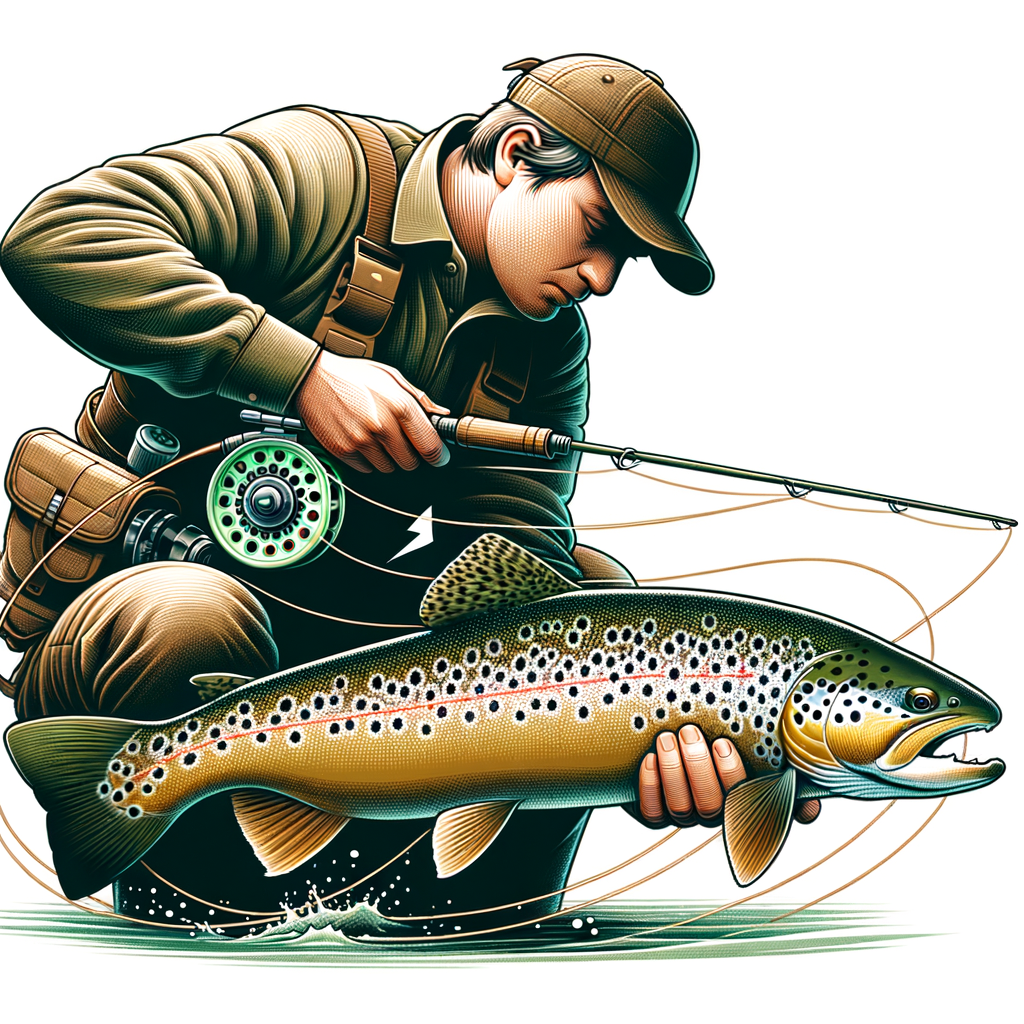
Fly fishing in the Midwest rewards anglers who value variety, seasonal change, and technical skill, because this broad region offers cold spring creeks, warmwater rivers, driftless limestone streams, and sprawling Great Lakes tributaries within a single fly-fishing culture. In practical terms, Midwest fly fishing means pursuing trout, smallmouth bass, pike, carp, steelhead, and panfish across states such as Michigan, Wisconsin, Minnesota, Missouri, Iowa, Illinois, Indiana, and Ohio, often within a day’s drive. I have spent years fishing these waters in changing weather, from sulfur hatches on Wisconsin creeks to autumn steelhead runs in Michigan, and the lesson is consistent: success comes from matching technique to water type rather than chasing a single “best” method. That matters because the Midwest is often overlooked beside the Rockies or the West Coast, yet it offers exceptional access, lower travel costs, and fisheries that demand real skill. For anglers searching where to fly fish in the Midwest, the answer is not one destination but a network of productive waters shaped by geology, agriculture, hatch cycles, and conservation management.
The term fly fishing refers to presenting an artificial fly with a weighted line rather than a lure cast by the lure’s own mass. In the Midwest, that simple definition expands into several specialized approaches. Dry-fly fishing targets surface-feeding fish during insect hatches. Nymphing drifts subsurface imitations through feeding lanes. Streamer fishing uses larger baitfish or leech patterns to trigger aggressive strikes. Warmwater fly fishing applies many of the same mechanics to bass, pike, and carp in rivers and lakes. Understanding these categories is important because Midwest waters are highly diverse. A spring creek in southeastern Minnesota rewards stealth, long leaders, and precise drifts, while a Lake Erie tributary in Ohio may call for egg patterns, sink tips, and mending in fast current. Searchers often ask whether the Midwest is good for beginners; the honest answer is yes, but only if expectations are realistic. Some fisheries are forgiving and ideal for learning, while others are technical and crowded during peak runs. Knowing the difference saves time, money, and frustration.
Top trout waters in the Driftless and Ozarks
If you want classic trout fly fishing in the Midwest, start with the Driftless Area of Wisconsin, Minnesota, Iowa, and Illinois, plus Missouri’s Ozark streams. The Driftless escaped glaciation, leaving steep valleys, limestone geology, and cold groundwater that feeds fertile creeks. That fertility creates abundant aquatic insects and healthy trout growth. Wisconsin’s Driftless region stands out for public access, dense stream miles, and dependable populations of wild brown trout with many catch-and-release opportunities. On creeks near Viroqua and the greater Vernon County area, I have seen fish rise in narrow riffles no wider than a road lane, then slide under undercut banks where a sloppy approach immediately ends the game. Southeastern Minnesota offers similarly productive water, especially around Lanesboro, Preston, and the Whitewater River system, where habitat work has improved bank stability, depth variation, and trout biomass.
Missouri deserves equal attention because the state’s tailwaters and spring-fed rivers fish well across long seasons. The Current River, the North Fork of the White, and especially the trout parks and blue-ribbon stretches below cold springs provide reliable action and strong insect life. Bennett Spring and the White Ribbon sections can be crowded, but they are excellent for learning presentation, reading current seams, and adapting from stocked fish behavior to more selective holdover trout. In plain terms, the best Midwest trout spots combine three qualities: stable cold water, insect food, and accessible habitat. Anglers frequently ask which state is best. Wisconsin is the most complete answer for small-stream trout quantity, while Missouri is outstanding for consistency and Minnesota offers a strong mix of scenery and fish numbers. The right choice depends on whether you value solitude, size, or simplicity. That tradeoff matters more than state rankings.
Great Lakes steelhead and salmon opportunities
For anglers seeking larger migratory fish on a fly rod, the Great Lakes basin delivers some of the Midwest’s most exciting fishing. Michigan is the anchor state here. Rivers such as the Pere Marquette, Manistee, Muskegon, Au Sable, and St. Joseph produce steelhead runs in fall and spring, with salmon opportunities in season as well. Ohio’s Lake Erie tributaries, including the Chagrin, Rocky, Grand, and Ashtabula systems, can be extremely productive after rain events, particularly for stocked steelhead that push upstream on fresh flow. Indiana’s Trail Creek and Wisconsin tributaries near Lake Michigan also enter the conversation. These fisheries differ from western trout streams in pace and power. Water levels fluctuate quickly, fish may hold in short windows, and presentation often centers on eggs, nymphs, small streamers, and indicator rigs adjusted by depth every few drifts.
What makes Great Lakes steelhead fly fishing effective is understanding migration behavior. Fish move on temperature and flow triggers, then rest in slower buckets, tailouts, and soft edges beside heavier current. I have had days on Michigan rivers when the difference between no action and a dozen grabs was moving the indicator four inches and adding one split shot. That is not luck; it is contact with the strike zone. A common search question is when to go. Fall offers fresh, aggressive fish and fewer ice concerns. Spring often brings denser numbers and more stable opportunities, but also mud, crowds, and changing discharge. A seven- or eight-weight rod, floating line, leaders built for abrasion resistance, and layered clothing are standard. Steelhead are not inherently difficult because they are mythical; they are difficult because current speed, depth, and fish position must align exactly. Once that is understood, the system becomes far more logical.
Warmwater fly fishing for smallmouth, carp, and pike
Warmwater fly fishing is one of the Midwest’s most underappreciated strengths, and for many anglers it provides the region’s best mix of accessibility and action. Smallmouth bass are the headline species. The Upper Mississippi backwaters, Wisconsin’s Namekagon and Flambeau systems, Minnesota’s St. Croix, and rivers in Indiana, Illinois, and Ohio all produce excellent bass on flies. Unlike trout, smallmouth often reward active presentations and imperfect casts, which makes them ideal for anglers refining line control. In summer, I routinely fish poppers tight to woody banks at dawn, then switch to Clouser Minnows, craw patterns, or deer-hair divers as light rises. River smallmouth relate strongly to rock, current breaks, submerged timber, and transitions between shallow feeding shelves and deeper holding water. If you ask where beginners should start fly fishing in the Midwest, a warm summer bass river is often the most honest recommendation.
Carp and pike expand the warmwater game further. Carp in urban lakes, tailwaters, and shallow flats around Chicago, Madison, Minneapolis, and many farm-country reservoirs can be phenomenal on small crayfish, worm, or nymph-style flies. They demand stealth and accurate leading casts, making them some of the best teachers in all of fly fishing. Northern pike in Minnesota and northern Wisconsin add the visual excitement of follows and explosive strikes. Weed edges, bays, and current slack near baitfish concentrations are prime areas, especially in late spring and early summer. The gear changes with species, but the principle does not: match fly size, sink rate, and retrieve to the forage and water temperature. Warmwater fish are not lesser targets for a fly angler. In the Midwest, they are often the smartest way to fish consistently when trout streams are warm, crowded, or blown out after storms.
Best techniques by season and water type
The best Midwest fly fishing techniques are seasonal because insect life, water temperature, and fish metabolism shift constantly. Spring is usually the most versatile period. Trout feed on blue-winged olives, caddis, early mayflies, and subsurface nymphs, while steelhead remain active in Great Lakes tributaries. Summer creates strong dry-fly windows on fertile trout streams during trico, sulfur, and terrestrial periods, but it also pushes anglers toward bass at dawn and dusk and carp on sunny flats. Fall is prime for streamers for brown trout, salmon and steelhead migrations, and aggressive smallmouth before water cools. Winter narrows options but does not eliminate them; tailwaters, spring creeks, and certain warmwater discharges can still fish well if presentations are slowed and depth is controlled. Across all these periods, mending, line management, and wading discipline matter more than fashionable flies.
| Season | Primary Midwest Targets | Effective Flies | Key Technique |
|---|---|---|---|
| Spring | Trout, steelhead, smallmouth | Pheasant Tail, egg patterns, baitfish streamers | Adjust depth often and fish soft seams |
| Summer | Trout, bass, carp, panfish | Hoppers, tricos, poppers, crayfish flies | Fish early, late, and near shade or structure |
| Fall | Brown trout, salmon, steelhead, bass | Woolly Buggers, leeches, eggs, articulated streamers | Cover water and target pre-spawn aggression |
| Winter | Trout, steelhead | Small midges, eggs, stonefly nymphs | Slow presentations and focus on deepest holding lies |
Searchers often want a simple answer to “What fly should I use?” The dependable answer is to begin with nymphs and small streamers, then move to dries when fish visibly commit to the surface. On Driftless trout streams, a size 14 to 18 pheasant tail, hare’s ear, scud, or midge often outproduces more glamorous patterns. On smallmouth rivers, olive and white Clousers remain effective because they imitate multiple baitfish profiles and sink quickly. On Great Lakes tributaries, bead eggs, stoneflies, and sucker spawn-style patterns work because they match available food, not because fish are unsporting. Technique beats novelty. Dead-drift naturally, control slack, and watch where fish can feed efficiently. If current speed makes that difficult, change angle, weight, or fly size instead of casting farther. Most Midwest fish are lost before the strike because the drift never truly entered the feeding lane.
Gear, access, and trip planning for success
Practical gear selection in the Midwest is straightforward if tied to target species. A nine-foot five-weight covers most trout fishing on Driftless creeks, spring rivers, and many tailwaters. A six-weight is ideal for larger trout, heavy nymph rigs, and smallmouth. Seven- and eight-weight outfits belong on steelhead rivers, pike water, and windy lake situations. Floating lines do most of the work, but sink tips are useful for fall streamers and migratory fish. Waders are essential for cold seasons and many trout streams, though wet wading is comfortable on summer bass rivers. Polarized glasses are nonnegotiable. They protect eyes, reveal current seams, and expose structure or sight-fishing opportunities. I also strongly recommend a thermometer, because in the Midwest water temperature determines not only activity but ethics, especially on trout streams during summer heat.
Access and planning often decide whether a trip feels seamless or frustrating. Wisconsin and Minnesota provide excellent mapping resources for public easements and stream access; state DNR websites, county maps, and conservation organizations are worth checking before every trip. Michigan’s river access points can be abundant, but float planning matters because distances between launches vary and weather shifts quickly. Missouri regulations on trout parks, blue-ribbon areas, and bait restrictions require careful reading. For research, I routinely cross-check state agency reports with local fly shops, USGS streamflow gauges, and hatch information from guides. That combination is more reliable than social media reports, which often lag conditions by several days. Respect private land, decontaminate gear to prevent invasive species transfer, and learn local handling rules for trout and migratory fish. The Midwest rewards prepared anglers. Choose one region, study its flows, hatches, and access, then fish it repeatedly until the patterns become familiar. That is how occasional success turns into consistent fly fishing in the Midwest.
Fly fishing in the Midwest stands out because it offers genuine breadth without sacrificing quality. You can stalk wild browns in a Wisconsin pasture stream, swing flies to steelhead in Michigan, throw poppers to smallmouth on the St. Croix, and sight-fish carp in an urban reservoir, all within the same season. The central lesson is simple: pick waters that fit your skill level, match techniques to season and species, and rely on observation more than trend-driven fly selection. Productive Midwest fly fishing is built on reading current, controlling depth, and understanding how local habitat shapes fish behavior. That is why the region rewards anglers who return to the same rivers and learn them deeply.
The practical benefit is access to high-level fishing without the cost and logistics of a major destination trip. Public easements, state-managed habitat projects, and a wide range of species make the Midwest one of the most versatile fly-fishing regions in North America. If you are planning your next outing, start with one trout stream, one warmwater river, or one Great Lakes tributary, study current conditions, and build your approach around proven local patterns. Then get on the water and apply what you have learned.
Frequently Asked Questions
What are the best fly fishing destinations in the Midwest for different species?
The Midwest stands out because it offers an unusually broad mix of fisheries within a relatively connected region. If trout are your priority, the Driftless Area in Wisconsin, southeastern Minnesota, northeastern Iowa, and parts of Illinois is one of the premier places to start. These spring-fed limestone creeks stay cool and clear, creating excellent habitat for brown, brook, and rainbow trout. Missouri is also a major trout destination, especially on tailwaters and spring systems such as the Current River, the North Fork, and the White Ribbon trout areas. Anglers looking for steelhead often focus on Great Lakes tributaries in Michigan, Ohio, Indiana, and Wisconsin, where fall, winter, and spring runs can produce powerful fish in wadable rivers.
For warmwater fly fishing, the Midwest is equally impressive. Smallmouth bass anglers often target rivers in Michigan, Wisconsin, Minnesota, and Missouri, where rocky structure, current seams, and woody cover hold aggressive fish willing to crush streamers and poppers. Northern pike are a major draw in Minnesota, Wisconsin, and Michigan, especially in weedy lakes, backwaters, and slow river systems. Carp fly fishing has also grown rapidly in urban and rural waters across Illinois, Michigan, Ohio, Indiana, and Iowa, giving technical anglers a sight-fishing challenge that rivals saltwater flats in terms of precision and presentation. Panfish, including bluegill and crappie, are available almost everywhere and can provide steady action when conditions are tough. The best destination depends on whether you want technical trout water, migratory fish, or aggressive warmwater species, but the Midwest offers all three at a very high level.
When is the best time of year to fly fish in the Midwest?
One of the defining features of Midwest fly fishing is how strongly the seasons shape the experience. Spring is often considered one of the best overall windows because water temperatures are favorable, insect activity begins to build, and fish become more active after winter. In trout country, spring hatches can be excellent, and flows are often healthy in spring creeks and tailwaters. It is also a productive time for smallmouth bass as fish move into feeding patterns tied to warming water. For steelhead anglers, early spring can be outstanding on Great Lakes tributaries, especially when rivers are in shape and fish are still holding in good numbers.
Summer creates both opportunities and limitations. Early morning and evening can be highly productive for trout on cooler streams, especially during terrestrial season when hoppers, beetles, and ants become important. Warmwater fisheries often shine in summer, with smallmouth bass, carp, pike, and panfish feeding aggressively in rivers, lakes, and backwaters. However, heat can stress trout in smaller systems, so anglers should pay close attention to water temperatures and avoid fishing when conditions are too warm. Fall is another prime season across much of the region. Trout often feed heavily, smallmouth become aggressive before winter, and Great Lakes steelhead begin entering tributaries. Winter narrows the menu somewhat, but it can still be excellent for midge-focused trout fishing, certain tailwaters, and cold-season steelhead opportunities. In short, there is no single best season for every fishery; success in the Midwest comes from matching your target species to seasonal conditions.
What fly patterns and techniques work best in Midwestern waters?
Versatility is the key to success because Midwest fisheries range from clear trout creeks to stained warmwater rivers and big tributaries holding migratory fish. For trout, standard subsurface tactics are consistently productive. Nymphing with pheasant tails, hare’s ears, midge patterns, caddis larvae, scuds, sow bugs, and small mayfly imitations is often the most reliable approach, particularly in pressured spring creeks and tailwaters. Dry-fly opportunities can be excellent during mayfly, caddis, and midge hatches, and terrestrial patterns become especially important in summer. In many Driftless streams, accurate drifts, long leaders, and stealth matter just as much as fly selection because fish often hold in clear, shallow water.
For smallmouth bass, streamer fishing is usually the core technique. Clouser Minnows, baitfish imitations, crawfish patterns, woolly buggers, and topwater poppers all produce depending on depth, current, and season. Stripping flies across current seams, swinging through riffle tails, or dead-drifting near structure can trigger fish that are feeding differently on a given day. Pike demand larger flies, wire or heavy fluorocarbon bite protection, and deliberate retrieves that let the fly pulse and pause. Carp are more technical and often reward soft presentations with crayfish, nymph, worm, and small baitfish patterns placed well ahead of the fish. Steelhead techniques vary, but egg patterns, nymphs, streamers, and swinging flies all have a place depending on water levels and fish behavior. Across the Midwest, anglers who understand presentation, depth control, and seasonal forage usually outperform those who focus only on matching a specific hatch or fly name.
What gear should I bring for fly fishing in the Midwest?
The right gear depends on the species and the type of water you plan to fish, but a practical Midwest setup usually includes more than one rod. For trout in smaller creeks and spring-fed streams, a 3- to 5-weight rod between 8 and 9 feet is a strong choice. That setup handles dry flies, light nymph rigs, and small streamers well while still protecting lighter tippets. If you are targeting larger rivers, windy conditions, or bigger trout with heavier rigs, a 5- or 6-weight can offer better line control. For smallmouth bass, many anglers prefer a 6- or 7-weight because it casts streamers and poppers more comfortably and handles fish around current and structure. Pike generally call for an 8-weight or heavier, while steelhead setups often center around 7- or 8-weight rods capable of turning over indicator rigs, split shot, or swinging flies in bigger water.
Beyond the rod, line choice matters. Weight-forward floating lines cover most trout and warmwater situations, but sink-tip or full-sinking lines can be extremely useful for streamer fishing in deeper runs or lakes. Leaders and tippet should match the target species and water clarity, with finer presentations for clear spring creeks and heavier material for bass, pike, and carp. Waders are helpful for many trout streams and Great Lakes tributaries, though wet wading is common in summer. Polarized sunglasses are essential for reading water, spotting fish, and protecting your eyes. A good net, forceps, nippers, and a weather-conscious layering system also make a real difference. Because Midwest conditions can shift quickly, experienced anglers prepare for cold mornings, windy afternoons, muddy banks, and a mix of technical and opportunistic fishing in the same trip.
How can beginners improve their success when fly fishing in the Midwest?
Beginners often do best by simplifying the experience and choosing fisheries that match their current skill level. Rather than trying to master every species at once, focus on one or two target fish and learn the water types they prefer. Small trout streams, panfish ponds, and moderate smallmouth rivers can be excellent classrooms because they let you practice casting, line management, and fish fighting without the complexity of huge water or heavily specialized tactics. It also helps to start with proven patterns instead of carrying dozens of flies. A compact selection of nymphs, dry flies, woolly buggers, poppers, and baitfish streamers can cover an enormous amount of Midwestern fishing.
Technique matters, but observation matters just as much. Pay attention to water temperature, insect activity, current speed, fish position, and light conditions. Learn to identify likely holding water such as undercut banks, riffle seams, logjams, gravel transitions, weed edges, and tailouts. In trout water, drag-free drift is often more important than perfect casting distance. In bass water, accurate placement near cover and varied retrieve speed can transform a slow day. For carp, patience and stealth are critical. Beginners should also make use of local fly shops, regional reports, guide services, and conservation groups, since these resources can shorten the learning curve dramatically. The Midwest rewards anglers who adapt, stay curious, and fish seasonally. If you approach each outing as a chance to learn how fish respond to changing conditions, your success will improve steadily and your understanding of the region’s diverse fly-fishing opportunities will deepen.