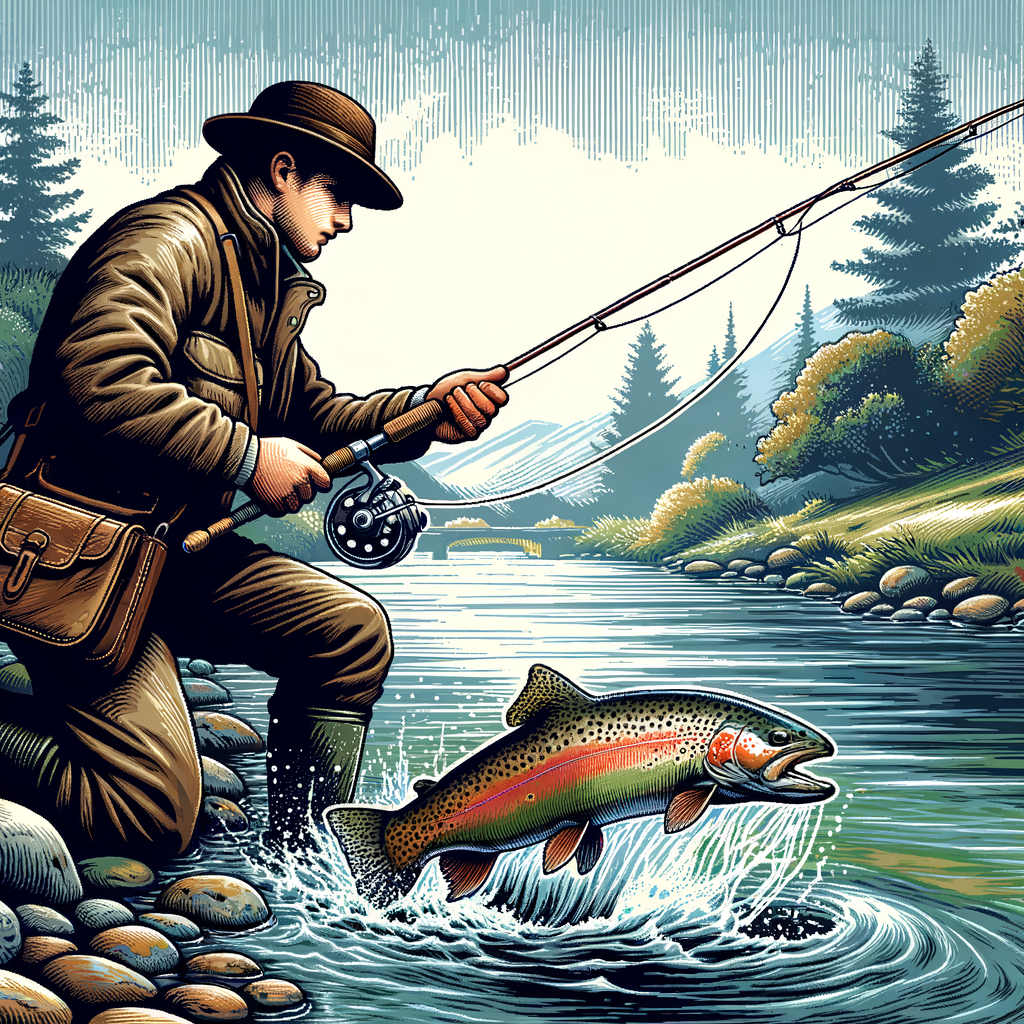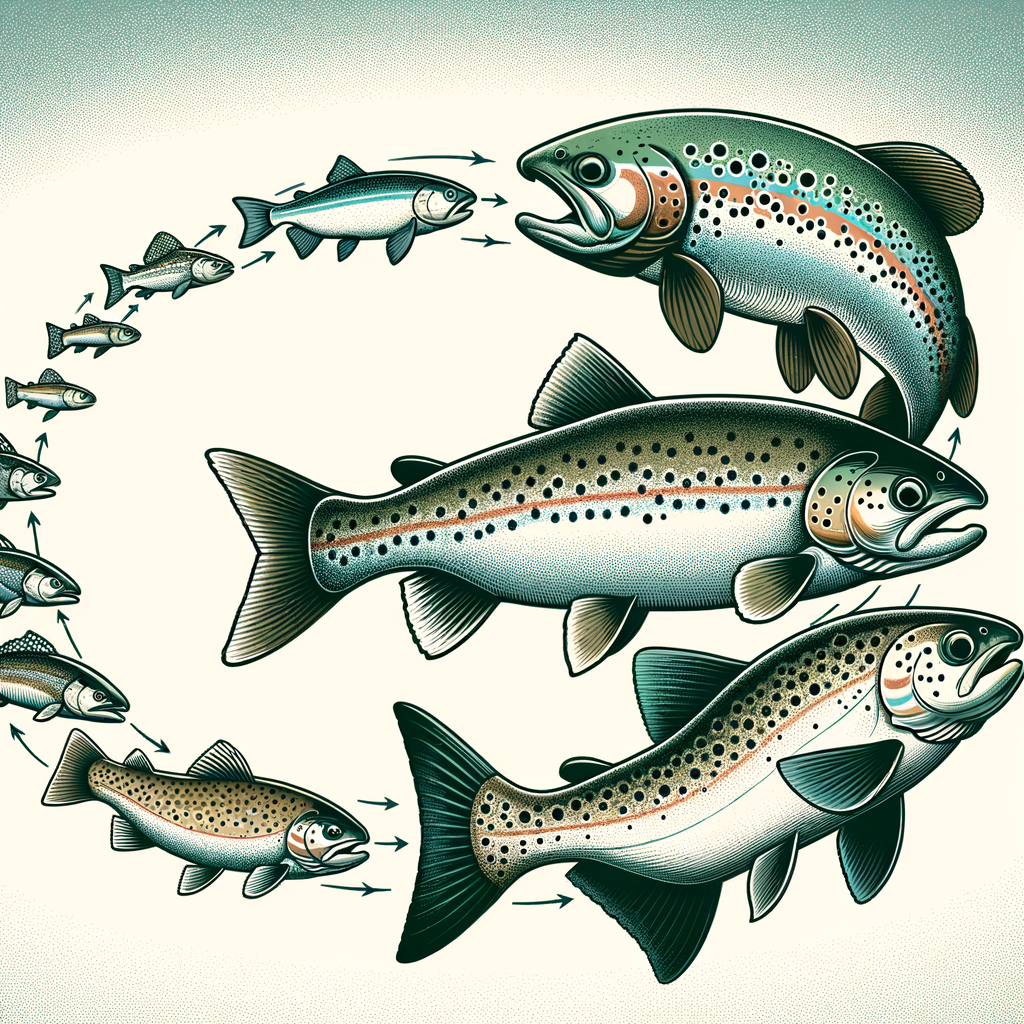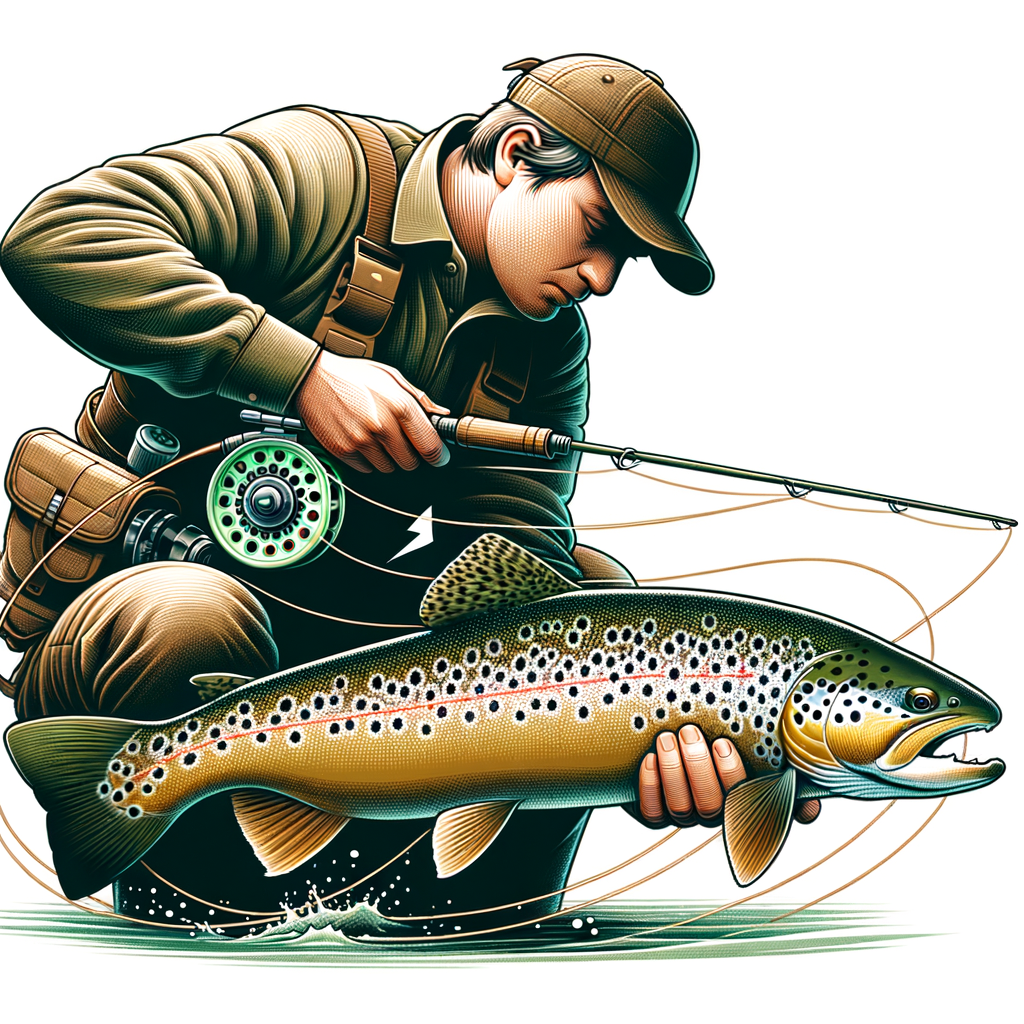
Fly fishing in Oregon rewards preparation, observation, and disciplined technique more than luck, because the state compresses an extraordinary range of water types into one destination. In a single season, an angler can cast dry flies to summer steelhead on the Deschutes, drift nymphs through riffles on the McKenzie, strip streamers in Cascade lakes, and hunt selective trout in spring creeks east of the mountains. That diversity is the appeal, but it is also the challenge. Success depends on understanding how Oregon’s rivers, lakes, fish species, weather patterns, and regulations interact on a day-by-day basis.
When I plan fly fishing trips in Oregon, I start with strategy rather than scenery. “Strategy” in this context means matching technique, tackle, and timing to a specific fishery. It includes reading water correctly, choosing productive fly patterns, approaching fish without spooking them, and adapting to seasonal hatches or changing flows. Oregon is not a place where one rod, one fly box, and one generic approach consistently work. Coastal streams respond differently than desert tailwaters, and stocked alpine lakes fish nothing like the broad freestone runs west of the Cascades.
Oregon matters to fly anglers because it offers legitimate opportunities for trout, steelhead, salmon, warmwater species, and stillwater fishing within a single state. According to the Oregon Department of Fish and Wildlife, public access is extensive, hatch charts are regionally distinct, and many fisheries remain productive through a long season. The state also rewards both beginners and advanced anglers. A novice can learn drift control on an accessible riverbank, while an expert can refine two-handed casting, technical dry-fly presentations, or indicator nymphing in complex water. That breadth makes Oregon one of the most complete fly fishing destinations in the American West.
To succeed here, anglers need three foundations. First, know the water type: freestone river, tailwater, spring creek, coastal stream, or lake. Second, know the quarry: redband trout, rainbow trout, brown trout, brook trout, bull trout where legal constraints apply, or steelhead with highly specific seasonal behavior. Third, know the current conditions: water temperature, clarity, discharge, insect activity, and angling pressure. Those variables shape feeding behavior far more than brand-name gear or social media advice. The anglers who catch fish consistently in Oregon are usually the ones who observe first and cast second.
This guide explains fly fishing in Oregon through practical, field-tested strategies. It covers where and when to fish, how to read different kinds of water, what flies and tackle earn confidence, and how to adjust when conditions change. It also addresses conservation and regulations, because responsible angling is part of long-term success. If you want more than a list of famous rivers and need a workable approach you can apply from the Metolius to the Rogue, these strategies will help you fish Oregon more effectively.
Choose the right Oregon water for your target species
The fastest way to improve results is to pick the right fishery for the fish you actually want to catch. Oregon offers coldwater trout streams, major steelhead rivers, productive lakes, and small streams that fish best with stealth. Trout anglers often start with the Deschutes, McKenzie, Metolius, Crooked, Fall River, and Owyhee. Each demands a different method. The Deschutes is a larger freestone system where caddis, stoneflies, mayflies, and terrestrials all matter, and where trout hold in seams, ledges, and softer buckets near stronger current. The Metolius is cold, clear, and technical, with educated fish that punish poor drifts. The Owyhee, below the reservoir, is a classic tailwater where midge and baetis activity can make small-fly precision more important than covering lots of water.
Steelhead anglers need an even narrower focus. Summer steelhead and winter steelhead behave differently and occupy rivers differently. The Deschutes, Sandy, North Umpqua, Rogue, and coastal systems all have distinct windows and tactics. In my experience, many visiting anglers fail because they choose a famous river at the wrong time rather than a less famous river at the right time. Matching run timing, water level, and clarity to your trip matters more than chasing names on a map.
Lake fishing deserves equal respect. East Lake, Crane Prairie, Diamond Lake, and numerous Cascade stillwaters can be outstanding for chironomids, damselflies, callibaetis, and leech patterns. Yet anglers who only know river techniques often fish lakes too quickly. Oregon stillwaters reward depth control, long leaders, slow retrieves, and attention to wind lanes. If the question is, “Where should I fly fish in Oregon?” the best answer is: where current conditions favor your target species and your strongest technique.
Time your trips around seasonality, flows, and insect activity
When is the best time for fly fishing in Oregon? The honest answer is that it depends on region, runoff, and species, but the most consistent anglers build calendars around seasonal patterns. Spring can be excellent on tailwaters, lakes, and lower-elevation rivers before runoff peaks. Summer opens famous caddis and terrestrial fishing on many trout rivers and brings dependable lake opportunities at dawn and dusk. Fall often delivers stable weather, aggressive trout feeding, and productive blue-winged olive hatches. Winter narrows the trout options but becomes prime time for certain steelhead fisheries and midge-focused tailwater fishing.
Flow data is one of the best predictors of success. Before every Oregon trip, I check USGS gauges, reservoir release schedules where relevant, local shop reports, and weather forecasts. A river at a good historical flow for wading may fish beautifully, while the same river after rain or a release change may become difficult to cross and impossible to present to effectively. Water temperature matters too. Trout generally feed most consistently within a moderate range, and very warm summer temperatures can push fish into oxygen-rich water or justify stopping altogether for ethical reasons.
Insect activity narrows the tactical choices. Oregon anglers should know the basics of baetis, pale morning duns, caddis, salmonflies, golden stones, midges, callibaetis, and terrestrials such as ants and hoppers. A hatch does not guarantee easy fishing, but it tells you where the food is and how fish may position themselves. On the Deschutes during caddis activity, for example, trout often slide into softer evening lies and feed with rhythm. On the Owyhee under cloud cover, baetis can trigger selective surface feeding that requires longer leaders and accurate drag-free drifts. Good timing does not eliminate skill, but it gives your skill a much better chance to work.
Read water like a guide, not a tourist
Reading water is the central skill in Oregon fly fishing because productive holding water changes by river type, season, and species. In freestone trout rivers, fish usually seek a balance of food delivery, current shelter, oxygen, and security. That means seams beside faster current, pockets below boulders, slots along ledges, tailouts during insect activity, and deeper runs during bright conditions. Beginners often cast only to the obvious fast water or only to flat pools, missing the transition zones where trout actually feed.
Spring creeks and tailwaters require a subtler eye. Fish there may hold in deceptively gentle lanes where weed beds concentrate food. The best lie can be a narrow current tongue no wider than a boot. Because many Oregon spring-fed systems are clear, fish also see you more easily. I often kneel, lengthen my leader, and approach from downstream or off-angle, especially when targeting surface feeders. In these waters, one clean drift over a specific fish is worth more than twenty average casts across a whole pool.
Steelhead water is different again. On classic swing runs, look for walking-speed current, moderate depth, a defined inside edge, and a smooth path that lets the fly fish broadside through likely holding lanes. Steelhead do not feed like trout in freshwater, so the goal is not imitation in the same sense but presentation, speed, and angle. A beautiful run is not enough if your swing is too fast, too deep, or tracking below the fish. The question to ask is always simple: where can a fish hold with minimum effort and maximum security while intercepting my presentation?
Match tackle and flies to Oregon conditions
The best fly fishing gear for Oregon is not the most expensive setup; it is the setup that fits the fishery. For general trout fishing, a 9-foot 4- or 5-weight covers most rivers well. A 3-weight can be excellent on small creeks, while a 6-weight helps on bigger rivers, windy banks, and lakes with larger flies or indicators. For steelhead, a 7- or 8-weight single-hand rod can work, but many anglers now prefer two-handed rods for covering broad runs efficiently. Floating lines handle much of Oregon trout fishing, while sink tips, Euro-nymph leaders, and lake-specific lines become important in specialized situations.
Leader design matters more than many anglers think. Clear spring creeks and selective trout often demand 12- to 15-foot leaders tapered to finer tippet. Pocket water may allow heavier tippet and shorter leaders for control. For lakes, fluorocarbon can help with subsurface presentations, while steelhead systems often require stronger materials to manage current, abrasion, and larger fish. The right leader is the one that turns over your fly cleanly and supports the presentation the fishery requires.
| Oregon fishery type | Recommended rod setup | Core flies | Primary presentation |
|---|---|---|---|
| Freestone trout river | 9-foot 4- or 5-weight | Caddis, PMDs, stonefly nymphs, hoppers | Dry-dropper, indicator nymphing, dry fly |
| Tailwater or spring creek | 9-foot 4- or 5-weight with long leader | Midges, baetis nymphs, small emergers | Technical nymphing, precise dry fly |
| Lake or reservoir | 9-foot 5- or 6-weight | Chironomids, callibaetis, leeches, damsels | Suspended indicator, slow strip, figure-eight retrieve |
| Summer steelhead river | 6- to 8-weight single-hand or Spey | Traditional wets, intruders, skaters | Swinging, skating, controlled mends |
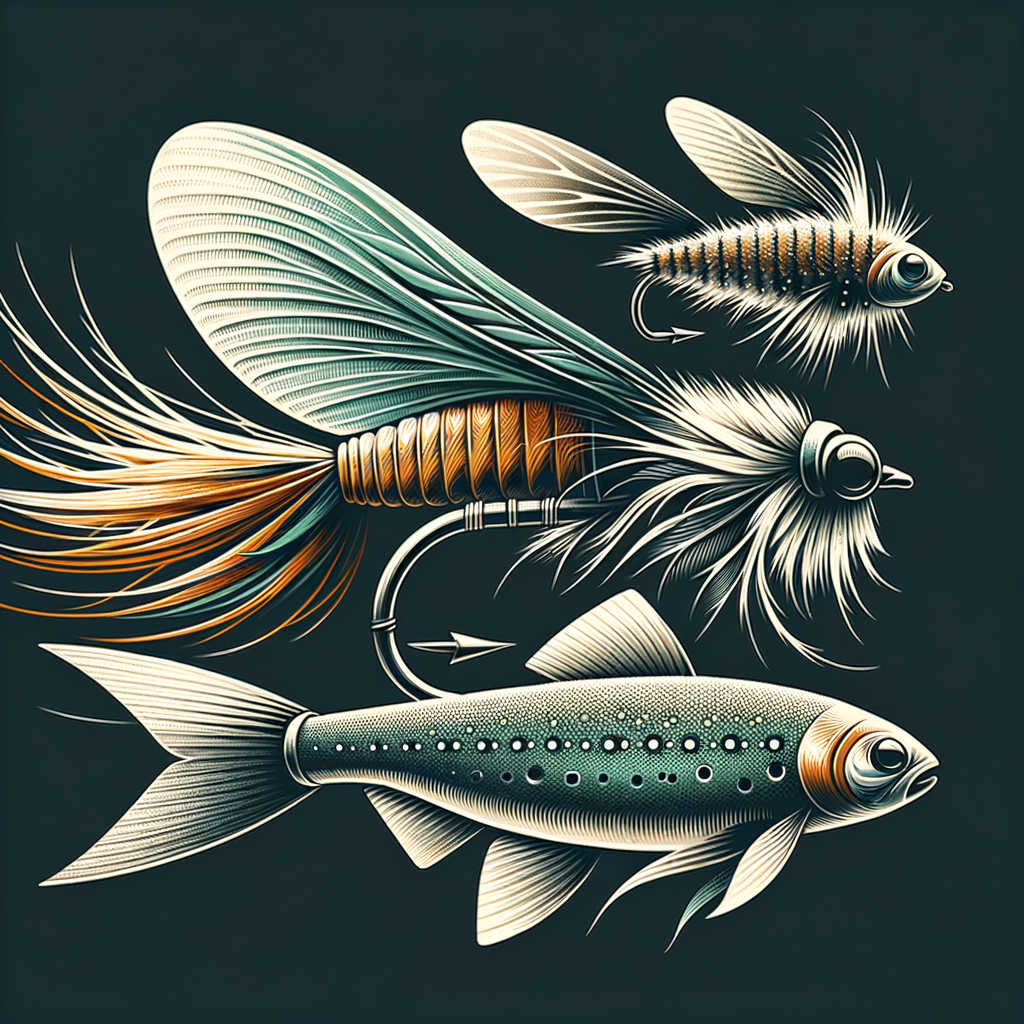
Fly selection should reflect food sources first and confidence second. In Oregon trout water, reliable patterns include Elk Hair Caddis, Parachute Adams, PMD cripples, purple haze variations, zebra midges, pheasant tails, perdigons, pats rubber legs, jig streamers, balanced leeches, and callibaetis emergers. For steelhead, traditional patterns such as Green Butt Skunks still catch fish, but modern intruders, leeches, and skaters all have roles depending on season and water temperature. Carry proven staples, but adjust size, weight, and silhouette to the conditions in front of you.
Presentation strategies that consistently catch Oregon fish
Presentation catches more Oregon fish than fly pattern alone. For trout in moving water, dead drift remains the default because many natural insects drift helplessly in the current. That means managing line to reduce drag, leading the drift with the rod tip, and positioning yourself so the fly reaches the fish before the line does. On rivers like the McKenzie or Crooked, a single upstream mend at the right moment can turn a refusal into an eat. If your indicator races faster than the bubbles around it, your drift is wrong.
Nymphing is often the highest-percentage tactic, especially outside obvious hatch windows. In Oregon, I rely on three main approaches: indicator nymphing for depth and suspension in larger runs, tight-line or Euro-style nymphing for contact in pocket water and seams, and dry-dropper rigs for mixed water where fish may eat on top or below. Depth is critical. If you are not occasionally ticking bottom in the right kind of holding water, you are usually fishing above the trout. Adjust split shot, fly weight, and leader geometry until the drift matches the depth of the lane.
Dry-fly fishing remains the state’s most memorable game, but it requires restraint. On hatch-heavy waters, avoid false casting over feeding fish, target one lane at a time, and watch the natural insects as carefully as the rises. Fish often key on emergers or crippled adults, not the perfect upright dun in your fly box. In lakes, presentation often means patience: letting a chironomid hang motionless at exact depth, or retrieving a leech slowly enough that it suggests life without looking unnatural. For steelhead, success often hinges on swing angle, sink-tip choice, and fly speed. The fly should travel through holding water with intent, not just motion.
Stealth, access, safety, and ethics on Oregon waters
Stealth is a major separator on heavily fished Oregon rivers. Trout in clear water react to vibration, silhouette, and sloppy wading long before they react to a poor fly choice. Move slowly, keep a low profile, and avoid entering the water if a bank presentation is possible. In technical fisheries such as Fall River or sections of the Metolius, anglers who wade aggressively often push fish out before making a cast. Good anglers fish the near water first, then the midrange, then the far bank.
Access also shapes success. Oregon has substantial public opportunity, but productive water still requires research. Study access maps, boat ramps, walk-in sections, and private property boundaries before the trip, not at the river. Local fly shops are often the best source for current access details, fly recommendations, and ethical guidance. They also provide the kind of practical regional information that generic travel articles miss, such as which launch is too shallow at current flows or which hatch has shifted a week later than normal.
Safety and ethics matter because conditions can change quickly. Freestone rivers can rise, basalt banks can be slick, and cold water can turn a simple wade into a dangerous one. Wear a wading belt, use a staff when needed, and never let fishing ambition outrun river judgment. Ethical success means following Oregon Department of Fish and Wildlife regulations exactly, including seasonal closures, fly-fishing-only rules, bait restrictions, and species protections. It also means handling fish properly, minimizing air exposure, and skipping trout fishing when water temperatures become unsafe. The best long-term strategy for success in Oregon is preserving the fisheries that make the state exceptional.
Fly fishing in Oregon becomes far more productive when you stop searching for a magic fly and start building a repeatable system. Choose a fishery that matches your target species and the current season. Check flows, temperatures, and hatch activity before leaving home. Read water with purpose, focusing on seams, transitions, depth, and security rather than casting randomly through attractive scenery. Use tackle that fits the water, leader systems that support the presentation, and fly patterns that reflect what fish are actually seeing. Then present the fly with control, whether that means a drag-free drift, a precise suspended lake rig, or a measured steelhead swing.
The main benefit of a strategic approach is consistency. Oregon offers too many variables for guesswork to work for long. Anglers who adapt to conditions, respect local nuances, and fish methodically catch more trout and steelhead over the course of a season than anglers who depend on luck or internet hype. From clear spring creeks to broad desert rivers, the principles stay the same: observation first, adjustment second, casting third. That order matters.
If you want better results on your next trip, pick one Oregon fishery, study its seasonal behavior, and fish it with intention. Keep notes on flows, flies, and successful presentations. Talk with local shops, review regulations before every outing, and refine one technique at a time. Oregon will reward that discipline with more takes, more confidence, and far more memorable days on the water.
Frequently Asked Questions
What makes fly fishing in Oregon different from fly fishing in other states?
Oregon stands out because it packs an unusual variety of fisheries into one state, and each one asks for a different approach. In a relatively short span of time, anglers can move from freestone rivers and tailwaters to spring creeks, alpine lakes, coastal systems, and broad desert rivers. That means success in Oregon is rarely about showing up with one confidence pattern and hoping for the best. It is about reading the specific water in front of you, understanding seasonal insect activity, and adjusting your presentation to match the river or lake type. A productive tactic on the Deschutes may be inefficient on the McKenzie, and what works in a Cascade lake may fail completely on a clear spring creek east of the mountains.
That diversity is exactly why preparation matters so much. Oregon rewards anglers who study flows, temperatures, weather shifts, insect hatches, and fish behavior before they ever step into the water. It also favors disciplined anglers who slow down, observe rise forms, inspect bugs, and make deliberate adjustments in fly size, depth, and drift. In many places, fish are not impossible to catch, but they are often selective enough that careless casting or poor line control will cost you opportunities. In practical terms, Oregon fly fishing is less about luck and more about making the right decisions over and over again throughout the day.
How should I choose the right fly fishing strategy for different Oregon waters?
The best strategy starts with identifying the type of water you are fishing and then narrowing your approach based on season, water temperature, and current fish behavior. On larger rivers such as the Deschutes, anglers often need to think in terms of structure, travel lanes, and controlled presentations. Swinging flies for steelhead, fishing nymph rigs through defined seams, or targeting trout during specific hatch windows can all be effective, but each method depends on where fish are holding and how actively they are feeding. On rivers like the McKenzie, productive fishing often comes down to careful drift management through riffles, pocket water, and transitional current. In stillwaters, by contrast, you need to focus on depth control, retrieve speed, wind lanes, and the location of weed beds or drop-offs.
Spring creeks and clearer waters demand even more precision. Fish in those systems typically have more time to inspect a fly, so leader length, tippet diameter, fly profile, and drag-free drift become especially important. In these situations, the most successful anglers resist the urge to change locations too quickly and instead commit to solving the immediate problem: are the fish feeding on emergers, duns, nymphs, or small terrestrials; are they suspended in softer water; are they refusing because of drag or because the pattern is wrong? A strong Oregon strategy is built on observation first, fly choice second, and presentation above everything else.
What gear setup works best for fly fishing success in Oregon?
No single setup covers every Oregon fishery perfectly, but a flexible trout outfit and a purpose-built steelhead setup will handle most situations well. For general trout fishing, a 9-foot 4-weight, 5-weight, or 6-weight rod is usually the most versatile choice depending on the size of the water, wind conditions, and the flies you plan to throw. A 5-weight is often the best all-around option for rivers because it can handle dry flies, nymph rigs, and small streamers without feeling overbuilt. If you fish lakes frequently or expect wind and larger flies, a 6-weight becomes more practical. For summer steelhead, most anglers benefit from a dedicated rod that can manage larger flies, heavier tips, and longer swings, whether that is a single-hand setup or a spey-oriented outfit depending on personal preference and the river.
Beyond the rod, your line and leader choices matter enormously in Oregon. Floating lines are essential for dry flies, indicator nymphing, and many traditional steelhead presentations, while sink tips or full sinking lines can be critical for streamers and lake fishing. Carrying a range of leaders and tippet sizes helps you adapt to everything from fast pocket water to technical spring creeks. Polarized glasses, quality wading gear, and a dependable pack system are not accessories so much as necessities, especially when conditions change quickly. Most importantly, bring flies that match Oregon’s diversity: mayfly, caddis, and stonefly patterns for rivers; chironomids, leeches, and baitfish imitations for lakes; and a few terrestrials for summer and early fall. A thoughtful, modular setup will always outperform a one-size-fits-all kit.
When is the best time of year to fly fish in Oregon?
The best time depends on the species you want to target and the water you plan to fish, because Oregon offers legitimate opportunities across multiple seasons. Spring can be excellent for trout as rivers wake up, insect activity increases, and fish feed more consistently. Runoff, however, can complicate freestone systems, so anglers need to monitor conditions carefully and pivot toward more stable waters when flows rise. Summer brings some of the state’s most iconic fishing, including dry fly opportunities, productive lake fishing, and the chance to pursue summer steelhead on famous rivers. Early mornings and evenings often become especially important during hotter periods, particularly on lower elevation waters.
Fall is a favorite for many experienced anglers because water temperatures moderate, fish often feed aggressively, and both trout and steelhead opportunities can be outstanding. Hatches may be more concentrated, streamer fishing can improve, and fish frequently hold in predictable locations. Winter can still offer good fishing, especially for dedicated anglers targeting steelhead or focusing on tailwaters and select trout systems, but conditions become more technical and weather-dependent. The real answer is that Oregon does not have a single best season; it has different peak windows for different fisheries. The most successful anglers plan around those windows instead of trying to fish every water the same way year-round.
What are the most common mistakes anglers make when fly fishing in Oregon?
One of the biggest mistakes is underestimating how much conditions can vary from one Oregon fishery to another. Anglers often arrive with a fixed plan, fish too fast, and fail to adapt when they do not see immediate results. They may continue throwing the same fly despite obvious refusals, ignore subtle current seams, or fish at the wrong depth for hours. Oregon fish frequently reward precision more than aggression, so rushing through water, wading too quickly, or making repeated low-percentage casts can significantly reduce success. Another common error is overlooking observation. Many anglers begin casting before checking for insect activity, rise forms, bait presence, or the way fish are positioned in the current.
Presentation mistakes are just as common. Poor line control, drag, overly heavy tippet in clear water, and drifting flies through unproductive lanes will all cost fish in Oregon’s more technical environments. On lakes, anglers often fish too shallow or retrieve too quickly without considering temperature bands and feeding depth. On steelhead water, anglers sometimes cover runs inefficiently, fail to maintain swing speed, or neglect small adjustments in angle and sink rate that can make a major difference. The cure for all of these mistakes is simple but not always easy: slow down, pay attention, and make decisions based on what the water is telling you. In Oregon, consistent success comes from thoughtful adjustment, not stubborn repetition.