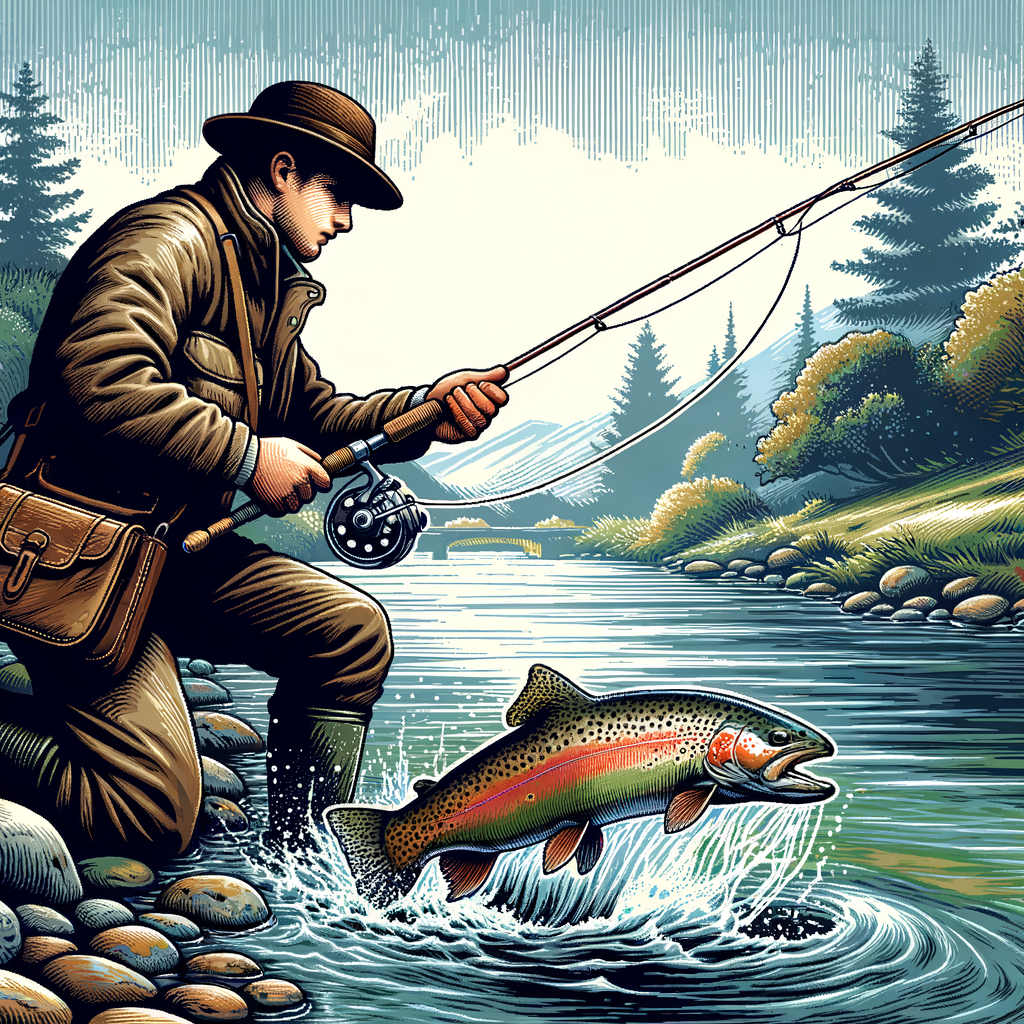
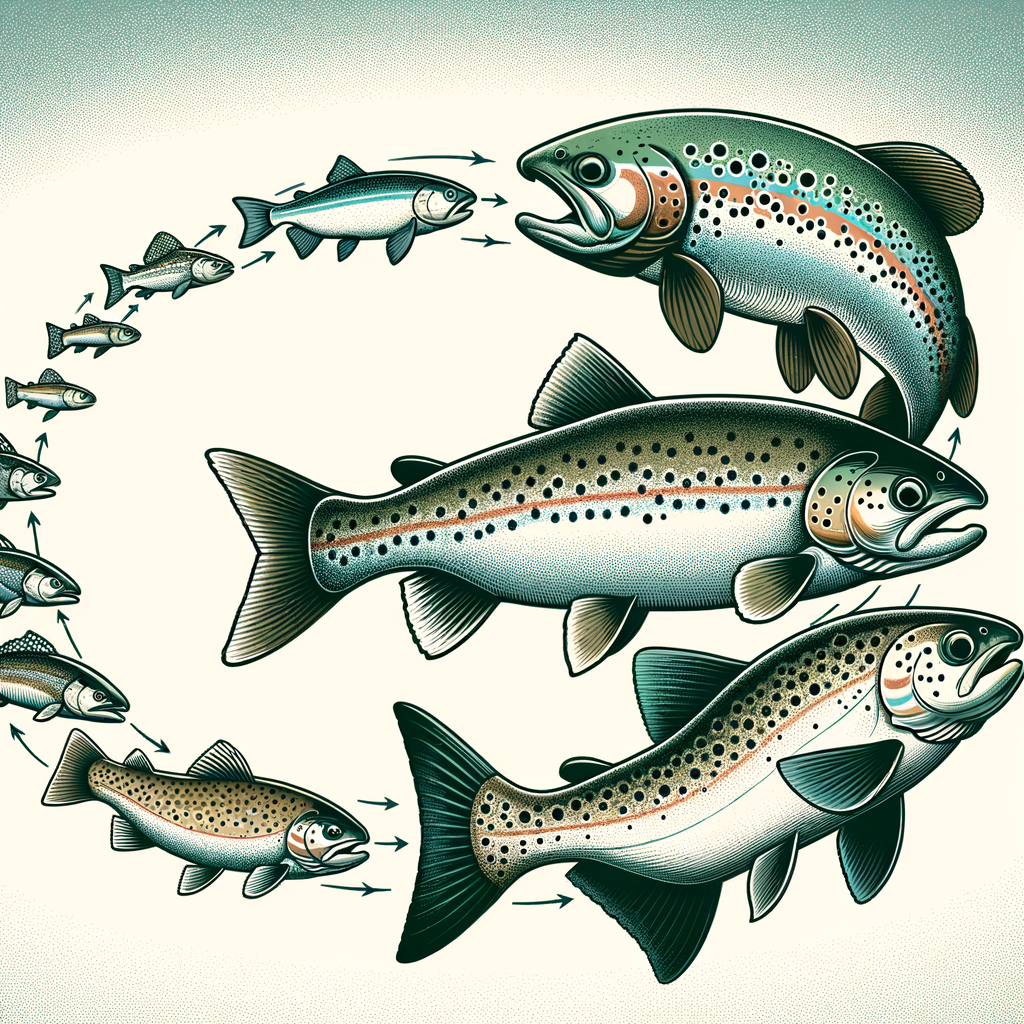
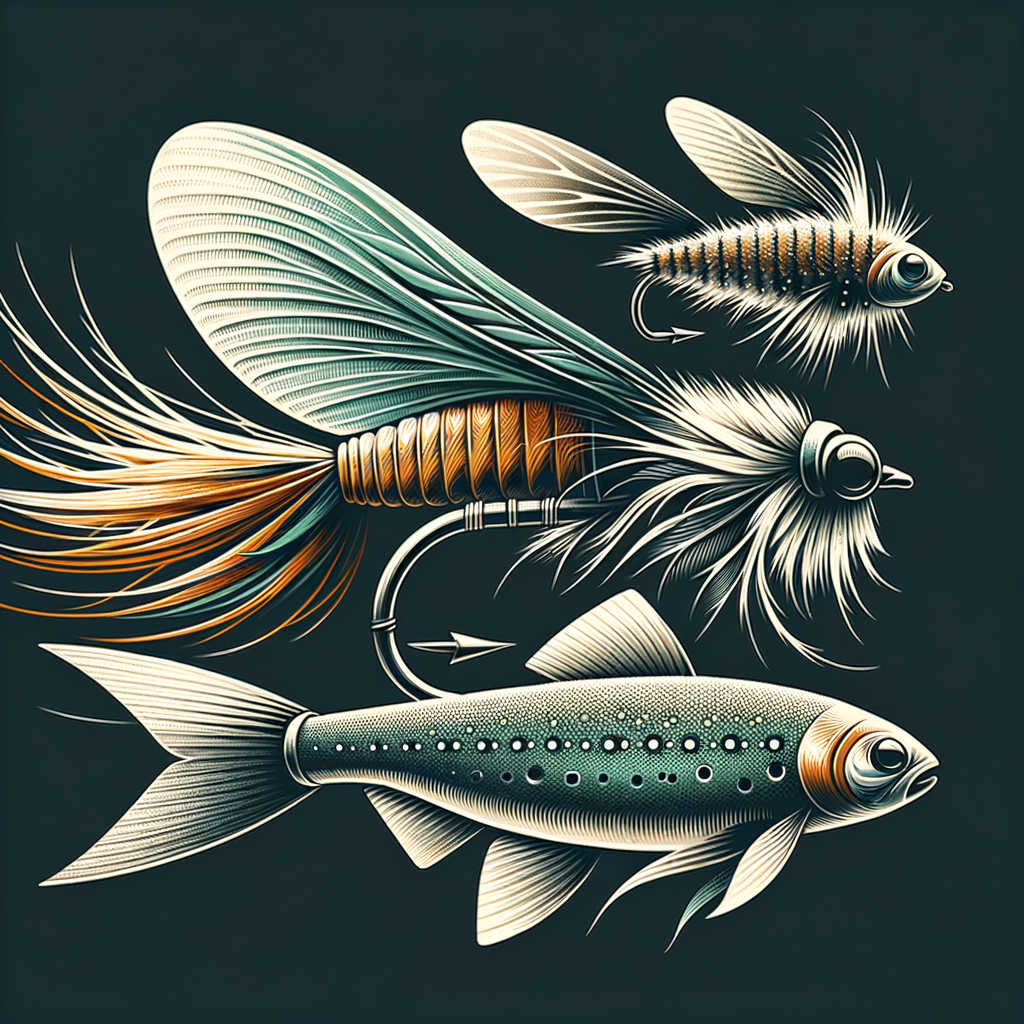
Fly fishing and wildlife protection belong in the same conversation because the health of rivers, lakes, wetlands, and coastal shallows determines whether fish populations remain resilient enough to support recreation at all. In my experience working around trout streams, warmwater rivers, and managed access sites, the anglers who consistently catch fish over many seasons are usually the same people who understand habitat, insect life, water temperature, spawning cycles, and handling stress. Best practices in fly fishing and wildlife protection are the practical methods anglers use to pursue fish while minimizing harm to fish, birds, mammals, amphibians, aquatic insects, and the ecosystems that connect them. This matters for ethical reasons, but it also matters because degraded habitat, high release mortality, bank erosion, and wildlife disturbance directly reduce fishing quality, access, and long-term conservation outcomes.
Fly fishing is often described as a low-impact sport, and compared with some forms of harvest-focused fishing, it can be. Yet low impact is not the same as no impact. A trout released in warm water after a prolonged fight may die hours later. Repeated foot traffic through riparian vegetation can destabilize streambanks and add sediment to spawning gravel. An angler who leaves monofilament behind can entangle waterbirds or small mammals. Even wading can crush incubating eggs or aquatic insect habitat if it happens in the wrong place at the wrong time. Wildlife protection, in this context, means preventing avoidable disturbance, injury, or habitat degradation while still allowing responsible recreation.
Several key terms guide good decisions. Catch and release means returning fish alive, but true conservation-minded catch and release also includes selecting gear and tactics that improve survival. Riparian zones are the vegetated margins along waterways that filter runoff, provide shade, stabilize banks, and support insects and nesting wildlife. Spawning redds are nests created by fish such as trout and salmon in clean gravel; stepping on them can destroy eggs. Release mortality refers to fish that die after being released, often from heat stress, deep hooking, exhaustive fights, or poor handling. Understanding these concepts helps anglers move beyond good intentions to measurable best practices.
The reason this topic has become more urgent is simple: fish and wildlife face cumulative pressure from warming water, drought, fragmented habitat, invasive species, expanding recreation, and land-use change. Agencies now issue seasonal closures, hoot-owl restrictions, invasive species checks, and bait or tackle regulations because the science supports them. Responsible fly anglers should treat these rules as the minimum standard, not the full extent of stewardship. The goal is not merely to avoid a citation. The goal is to keep fisheries productive, protect biodiversity, and maintain public trust that anglers are partners in conservation rather than another source of ecological stress.
Choose tackle and tactics that reduce injury
The most effective wildlife protection practice in fly fishing is to prevent unnecessary fish stress before the fish is ever hooked. Gear choices matter. Barbless hooks or crimped barbs reduce handling time and tissue damage, especially on small trout and juvenile salmonids. Rubber or silicone landing nets protect the slime coat better than coarse knotted mesh, which can remove protective mucus and increase infection risk. Strong enough tippet shortens fight time, and that directly lowers lactate buildup and post-release exhaustion. I have seen anglers fish ultra-light tippet for sport during summer low flows, but on warm days that approach often costs fish. If the water is marginally warm, fish heavier tippet, land fish quickly, or do not fish at all.
Matching tackle to species is equally important. For bass, carp, pike, and saltwater species, underpowered rods extend fights and increase stress. For trout in fast current, a reel with a smooth drag and a rod capable of turning fish away from structure reduces exhaustion. Hook placement matters too. Most fly-caught fish are hooked in the mouth, which is one reason fly fishing can support quality catch and release. However, small flies, dropper rigs, and aggressive indicator takes can still result in deep hooking. If a fish is deeply hooked, cutting the leader close to the hook is often less harmful than forcing removal.
Anglers also protect wildlife by choosing patterns and weights thoughtfully. Oversized split shot and multiple flies increase snagging risk for birds and non-target animals if tackle is lost. In heavily used areas, using the minimum weight needed to reach fish reduces bottom contact and habitat disturbance. Lead-free alternatives, including tungsten and tin products, deserve serious consideration. Lost lead tackle has been linked in various fisheries to poisoning risks for loons, swans, and other waterbirds that ingest small metal items while feeding or gritting. Where lead is regulated, compliance is easy. Where it is still legal, using non-toxic options is the more responsible choice.
Handle fish for maximum survival
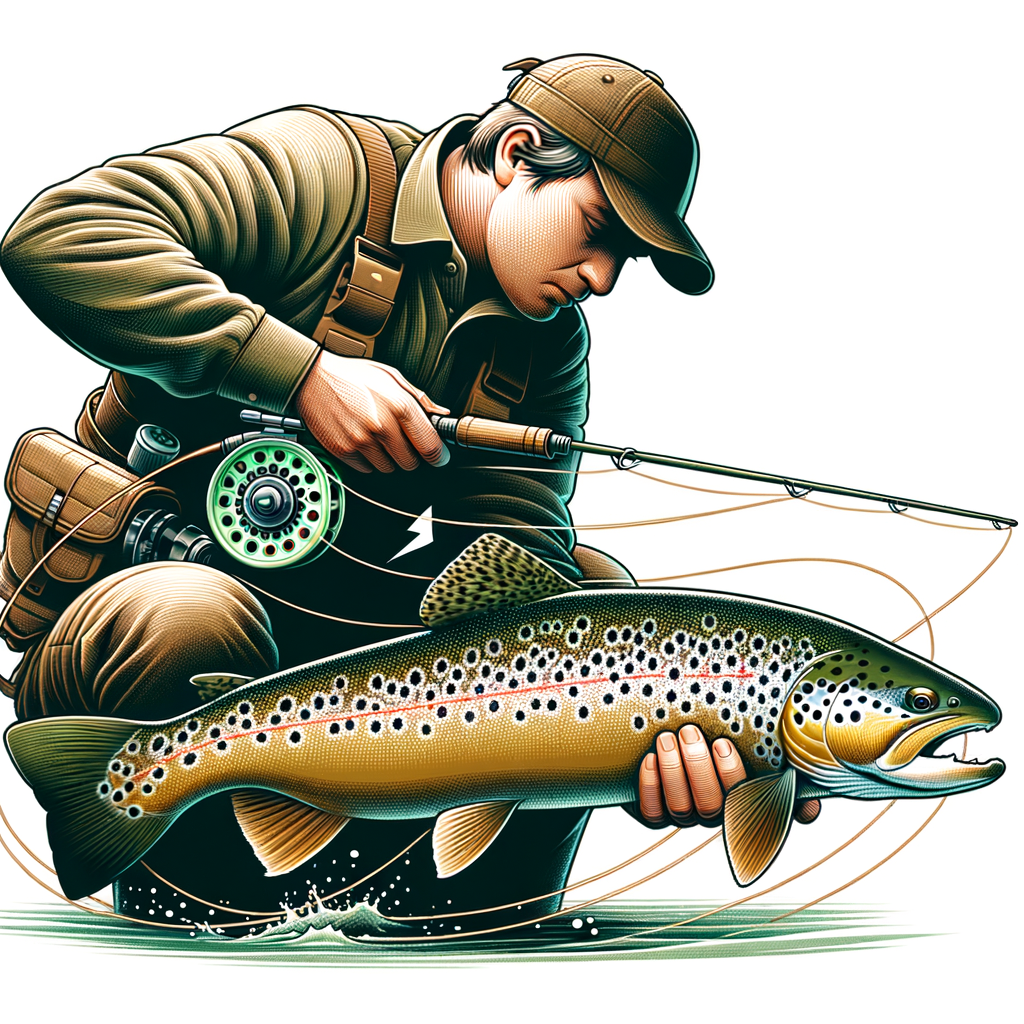
What is the best way to release a fly-caught fish safely? Keep the fish in the water as much as possible, wet your hands before contact, avoid squeezing the body or gills, remove the hook quickly, and release the fish only when it can swim away under its own power. Those five actions account for most of the difference between a healthy release and a preventable mortality. Scientific guidance from fisheries agencies consistently emphasizes air exposure as a major risk factor, especially in warm water or after a long fight. A quick photo is not harmless if it means repeated lifting, dropping, and re-gripping.
In practice, I use a simple sequence. Net the fish in calm water. Leave it submerged while preparing forceps or hemostats. If a photo is necessary, compose the shot first, lift the fish for a second or two, and immediately return it to the water. Large fish should never be suspended vertically by the jaw alone because that can injure connective tissue and internal structures. Support the belly with the other hand. Reviving a fish is not about pushing it back and forth aggressively; it is about facing it into gentle current until the fish regains balance and kicks away strongly.
Water temperature is the deciding factor many anglers underestimate. For trout, fishing becomes increasingly risky as temperatures rise into the upper sixties Fahrenheit, and many experienced conservation-minded anglers stop entirely around 68 degrees Fahrenheit, though exact thresholds vary by species, dissolved oxygen, and local guidance. Warmwater fish tolerate higher temperatures, but they are not immune to stress. A fish released in poor condition may drift off and die out of sight. If fish are slow to recover, that is a warning sign to shorten sessions, target a different species, move to colder tributaries where legal, or end the day.
Protect habitat while wading, walking, and accessing water
Habitat protection begins before the first cast. Every route to the water either preserves or degrades the place over time. Use established trails and access points whenever possible. Cutting new paths through willows, reeds, dune grass, or streamside shrubs fragments cover used by nesting birds, amphibians, and juvenile fish. It also accelerates erosion. On small streams, I often see the worst bank damage at unofficial entry spots where people slide down bare soil. A few seasons of repeated use can widen channels, increase sediment, and eliminate overhanging vegetation that once cooled the water and dropped insects.
Wading requires similar awareness. Avoid stepping on clean, shallow gravel during spawning seasons because that is where trout, salmon, and char create redds. Redds can look like lighter, recently swept patches of gravel, often in tailouts or shallow riffles. If you are unsure, stay out of likely spawning areas entirely. In spring creeks and tailwaters, even non-spawning habitat can be sensitive due to aquatic plant beds, juvenile fish concentrations, or dense insect production. Good anglers read the water not just for fish location but for ecological function. That mindset changes where you stand, how far you wade, and whether wading is necessary at all.
Boat access brings another set of habitat concerns. Dragging drift boats across shallow gravel bars can damage eggs and benthic habitat. Launching kayaks from fragile banks creates chronic erosion if no hardened launch exists. On stillwaters, beaching watercraft in reed beds can disturb waterfowl nesting sites and amphibian cover. The practical solution is straightforward: use official launches, anchor carefully, avoid repeated passes over shallow vegetation, and scout from a distance before entering sensitive shoreline areas. On productive fisheries, small habitat protections applied by many anglers produce large cumulative benefits.
Respect wildlife beyond the target species
Fly fishing takes place in habitats used by much more than fish, and wildlife protection means noticing those species before your activity disturbs them. Riparian corridors support songbirds, herons, kingfishers, otters, beavers, mink, turtles, frogs, snakes, deer, and countless invertebrates. In estuaries and flats, anglers may share space with shorebirds, rays, seals, and nesting seabirds. The rule is simple: if wildlife changes behavior because of your presence, you are too close. Disturbance can flush birds from nests, interrupt feeding, separate mothers from young, or habituate animals to human food and noise.
Dogs deserve special mention. A dog off leash may seem harmless to its owner, but on a riverbank it can chase ground-nesting birds, trample vegetation, harass deer, and stress livestock on adjacent land. Many access sites allow dogs only under strict control for that reason. Food storage matters too. In bear country, unsecured lunches and fishy gear attract animals and create dangerous conditioned behavior. In coastal environments, discarded scraps can draw gulls and alter natural feeding patterns. Responsible anglers pack out all waste, keep camps clean, and never feed wildlife intentionally.
Noise and proximity also matter more than many anglers realize. Repeatedly approaching basking turtles, nesting waterfowl, or resting seals for photographs is wildlife disturbance, not appreciation. Drones can be even worse where legal use is unrestricted. If you want a closer look, use binoculars and stay back. The best field ethic is to leave animals behaving as though you were never there. That standard applies whether you are on a famous trout river, a farm pond, or a salt marsh flat.
Follow seasonal rules, invasive species protocols, and local science
Conservation regulations are not arbitrary obstacles; they are condensed biological management. Seasonal closures protect spawning fish and vulnerable wildlife periods. Hoot-owl closures, common on some trout rivers, restrict fishing during the hottest part of the day to reduce heat stress. Tackle restrictions, such as single-hook artificial-only rules, are designed to reduce mortality and protect wild stocks. In my experience, anglers who understand the reason behind a rule follow it more consistently and explain it better to others. Reading the current regulations before every trip is basic best practice because emergency changes are increasingly common during drought, wildfire, flood recovery, or low-flow events.
Invasive species prevention is another non-negotiable area. Didymo, whirling disease, New Zealand mudsnails, zebra mussels, and invasive aquatic plants can spread on waders, boots, nets, boats, and trailers. Felt soles have been restricted in some places partly because they retain moisture and organisms, though policies differ by jurisdiction. The core protocol is clean, drain, and dry. Remove mud and plant fragments, drain all compartments, disinfect when recommended, and allow gear to dry fully before moving between waters. Dedicated gear for separate watersheds is even better. These habits protect fisheries far more effectively than most anglers realize.
| Best practice | Why it protects wildlife | Practical example |
|---|---|---|
| Use barbless hooks | Reduces tissue damage and handling time | Crimp barbs before starting on a catch-and-release trout river |
| Stop fishing in warm water | Lowers release mortality from heat and low oxygen | End trout fishing when temperatures approach local agency thresholds |
| Avoid redds and shallow spawning gravel | Prevents crushing eggs and disturbing reproduction | Wade around tailouts during trout spawn periods |
| Clean, drain, dry gear | Limits spread of invasive species and fish pathogens | Disinfect boots and nets before moving to another watershed |
| Pack out line and tippet | Prevents bird and mammal entanglement | Carry a small monofilament waste container in your vest |
Local science should shape strategy more than habit or internet advice. Tailwaters may stay cold enough for summer trout fishing while freestones become unsafe. Some native fish are more vulnerable than hatchery fish. Some streams close to protect threatened mussels, lamprey, or amphibian breeding habitat rather than game fish. Check agency bulletins, watershed groups, and local fly shops that publish flow and temperature updates. Those are strong internal conservation signals for anglers planning trips responsibly.
Practice stewardship that extends beyond the day’s fishing
The highest standard of fly fishing and wildlife protection is not just low-impact angling; it is active stewardship. That includes picking up discarded line, reporting poaching, supporting stream restoration, joining local watershed councils, and contributing money or volunteer hours to habitat projects. Anglers have unusual credibility in conservation because we spend time on the water in all conditions and notice changes quickly. I have reported fish kills, blocked culverts, illegal dumping, and sediment blowouts because being present creates responsibility. Agencies and nonprofits often depend on those observations.
Stewardship also includes communication. If you see someone standing on redds, dragging fish onto dry rocks, or keeping fish illegally, a calm factual conversation can prevent harm. Not every situation is safe to confront directly, and enforcement issues may require a game warden, but peer norms matter. So does mentoring. Teaching new anglers how to pinch barbs, monitor water temperature, identify spawning habitat, and dispose of tippet properly is conservation work. The same is true when clubs organize river cleanups or advocate for instream flows, dam removal, or riparian fencing on agricultural waterways.
Finally, responsible fly anglers recognize tradeoffs. There are days when the ethical choice is to fish for a different species, use a different reach, leave the dog at home, skip the hero photo, or not fish at all. That is not anti-fishing. It is how good fishing survives. Healthy fisheries depend on intact food webs, functioning habitat, and public confidence that anglers add value to conservation. If you want better fishing next season and ten years from now, practice wildlife-first fly fishing every trip: prepare carefully, follow science-based rules, handle fish correctly, protect habitat, and support the people restoring the waters you love.
Frequently Asked Questions
Why is wildlife protection such an important part of responsible fly fishing?
Wildlife protection matters in fly fishing because healthy fisheries depend on far more than just the fish you see rising or holding in current. Trout, bass, panfish, and coastal game species all rely on functioning ecosystems that include clean water, stable streambanks, aquatic insects, submerged vegetation, shade cover, spawning habitat, and the surrounding birds, mammals, amphibians, and invertebrates that share the same landscape. When those pieces are intact, fish populations are generally more resilient, feeding is more consistent, recruitment is stronger, and anglers enjoy better fishing over the long term.
From a practical standpoint, anglers who pay attention to habitat usually make better decisions on the water. They learn to recognize when water temperatures are too high, when fish are spawning and should be left undisturbed, when low flows make fish especially vulnerable, and when repeated pressure in small access areas can damage both habitat and wildlife behavior. Protecting wildlife is not separate from successful fishing; it is part of understanding the full system that makes fishing possible.
There is also a stewardship component. Public waters and access points receive constant use, and even small actions add up. Wading through redds, trampling bankside vegetation, leaving monofilament behind, mishandling fish, or pushing wildlife during nesting or breeding periods all create stress that can reduce survival and degrade habitat quality. Responsible fly fishing means recognizing that every outing has an impact and choosing techniques that minimize harm while preserving the character and productivity of the fishery for future seasons.
What are the best catch-and-release practices to protect fish and reduce stress?
The best catch-and-release practices start before the cast. Use tackle that matches the size and strength of the fish you expect to catch so you can land fish quickly rather than exhausting them in prolonged fights. Consider barbless hooks or pinch the barbs down to make hook removal faster and less damaging. Fight fish firmly, keep steady pressure, and avoid playing them to complete exhaustion, especially in warm water or during periods of low oxygen when recovery is already more difficult.
Once the fish is close, keep it in the water as much as possible. Wet your hands before touching it, avoid squeezing the body, and support the fish gently under the belly and near the tail. Rubber or knotless landing nets are much better than abrasive mesh because they protect the fish’s slime coat, fins, and scales. The slime layer is not a minor detail; it is part of the fish’s defense against infection and physical stress. Removing too much of it can increase delayed mortality even if the fish swims away strongly.
Hook removal should be quick and calm. If a fish is deeply hooked, it is often better to cut the tippet close to the hook rather than cause major injury trying to force it out. If you want a photo, prepare in advance so the fish is out of water for only a few seconds. A good rule is to lift the fish only when everything is ready, take one fast shot, and return it immediately. Revival, when needed, should be done by holding the fish upright in gentle current and allowing it to recover on its own, not by aggressively pushing it back and forth. The overall goal is simple: shorten the fight, minimize handling, reduce air exposure, and release the fish in a condition that gives it the best chance to survive.
How can fly anglers avoid damaging habitat while wading, casting, and moving around the water?
Habitat protection begins with awareness of where you step, enter, and exit. In rivers and streams, anglers should avoid walking through visible spawning areas, often called redds, which can appear as clean, lighter-colored depressions in gravel. Stepping on these areas can crush eggs or disrupt developing embryos. This is especially important in trout waters during spawning and post-spawn incubation periods. Even outside spawning seasons, repeated foot traffic in shallow margins, weed beds, or silty backwaters can damage vegetation, dislodge insect life, and cloud the water with sediment.
Bank protection is just as important. Entering the stream at established access points helps prevent erosion, and staying on existing trails reduces damage to grasses, shrubs, and root systems that stabilize the shoreline. Those vegetated edges are not just scenery. They shade the water, hold soil in place, filter runoff, and provide cover for insects and small animals that support the food web. Trampling riparian plants for a better casting lane may seem minor in the moment, but over time it can widen trails, destabilize banks, and raise sediment loads during rain events.
On stillwaters and coastal flats, similar principles apply. Avoid dragging boats over shallow vegetation, poling through sensitive nursery areas when possible, and disturbing nesting birds or shoreline cover used by amphibians, reptiles, and small mammals. If you move rocks, woody debris, or aquatic plants while fishing, return them carefully. Good anglers learn to move lightly through an ecosystem, not just through a piece of water. The less disturbance you create, the healthier the habitat remains and the more naturally fish continue to feed and behave.
When should anglers stop fishing to protect fish and other wildlife?
Knowing when not to fish is one of the clearest signs of a conservation-minded angler. High water temperatures are a major reason to stop. In many trout fisheries, once temperatures approach stressful levels, catch-and-release can become increasingly harmful because fish are already operating with less available oxygen and higher metabolic strain. Even if they swim away, post-release mortality can rise significantly. Carrying a stream thermometer and checking temperatures during summer afternoons is one of the most useful habits an angler can develop. If conditions are too warm, fish early, switch to cooler waters, target more heat-tolerant species where regulations allow, or skip the outing altogether.
Spawning periods are another important time to change behavior. Fish guarding redds or nests are especially vulnerable, and repeatedly targeting them can interrupt reproduction or expose eggs and fry to predation. In some waters, regulations protect spawning fish directly, but even where it is legal to fish, ethical restraint matters. If you see paired fish on clean gravel, fish staging at tributary mouths, or bedding activity in shallow flats, it is wise to avoid those areas. Leaving spawners alone protects the next generation and supports stronger fisheries in future seasons.
Anglers should also stop or relocate when wildlife is clearly being disturbed. If waterfowl are flushing repeatedly, shorebirds are nesting nearby, mammals are using a narrow corridor, or amphibian breeding areas are concentrated in shallow margins, backing off is the right move. Seasonal closures, sanctuary zones, and local advisories exist for a reason and should be respected fully. Responsible fly fishing is not only about whether fish can be caught; it is about whether the broader ecosystem can function without unnecessary disruption.
What conservation habits can fly fishers adopt beyond catch-and-release?
Effective conservation goes well beyond releasing fish. One of the best habits is learning the waterbody itself: understand seasonal flows, temperature patterns, insect hatches, spawning timing, access pressure, and the local species that depend on the same habitat. That knowledge helps anglers make better decisions and often leads to better fishing anyway. It also encourages a shift from a harvest mindset to a stewardship mindset, where the condition of the resource matters as much as the day’s catch.
Anglers can also reduce pollution and physical damage in simple, measurable ways. Pack out every piece of tippet, leader material, and trash. Avoid leaving split shot, food wrappers, or cigarette butts at access sites. Clean and dry boots, nets, waders, and boats between waters to prevent the spread of invasive species and aquatic pathogens. In places where felt soles are restricted or discouraged, follow those guidelines and use alternatives that lower the risk of transporting unwanted organisms. Small biosecurity steps matter tremendously because invasive species can alter insect communities, vegetation, water clarity, and fish survival across an entire watershed.
Finally, support the places you fish. Buy licenses, respect regulations, volunteer for stream cleanups, contribute to habitat restoration groups, report poaching or major pollution issues, and help newer anglers understand ethical fish handling and habitat awareness. Conservation is strongest when it becomes part of fishing culture rather than an afterthought. The anglers who enjoy healthy rivers and reliable fisheries over decades are usually the ones who treat access sites, streambanks, fish, and wildlife as resources to care for, not simply opportunities to use.