Fly fishing and pollution are tightly linked because every choice an angler makes, from where they wade to what gear they buy, affects water quality, fish health, and the long-term condition of rivers, lakes, and estuaries. Pollution in this context means more than obvious trash or chemical spills. It includes nutrient runoff, sediment, microplastics, fuel residue, lead tackle, invasive species transfer, sunscreen contamination, and even excessive pressure on fragile banks. After years of fishing trout streams, tailwaters, and warmwater creeks, I have seen productive runs decline not from one disaster but from dozens of small impacts that accumulated season after season. Understanding those impacts matters because fly fishing depends on clean, oxygen-rich water, stable insect populations, and intact habitat. If anglers want stronger fisheries, better hatches, and resilient access, minimizing personal impact is not optional; it is part of the sport itself.
At its core, responsible fly fishing means reducing the pollutants and disturbances you directly control while supporting practices that improve watershed health beyond your own trip. That includes choosing less toxic materials, handling fish carefully, cleaning gear to stop invasive spread, packing out every scrap, and recognizing how land use upstream affects the water you fish downstream. Healthy fisheries are biological systems, not scenery. Mayflies, caddis, stoneflies, juvenile baitfish, riparian vegetation, and groundwater inputs all interact. When pollution disrupts one layer, anglers notice fewer rises, stressed fish in summer, algae blooms, muddy spawning gravel, or closures caused by aquatic invasive species. Searchers often ask, “Can one angler really make a difference?” The direct answer is yes. Individual actions do not solve industrial contamination alone, but they significantly reduce cumulative pressure, set local norms, and support conservation groups that can influence larger policy and restoration decisions.
How Pollution Harms Fly Fishing Waters
Pollution affects fly fishing waters through chemistry, temperature, habitat structure, and food web disruption. Nutrient pollution from fertilizer and manure is a major example. Excess nitrogen and phosphorus feed algae, which can create blooms, lower dissolved oxygen at night or during decomposition, and crowd out the aquatic plants and insect communities fish rely on. Sediment pollution is equally damaging. Fine silt from construction, poor logging roads, bank erosion, or badly managed cattle access fills spaces between gravel where trout and salmon eggs need oxygenated flow. I have walked streams after heavy runoff and watched classic spawning riffles turn into embedded, lifeless flats in a single season.
Chemical pollution ranges from pesticides and herbicides to petroleum residue and metals. Even low concentrations can impair aquatic insects, which is why a river may still look fishable while producing weak hatches. Temperature pollution is another overlooked issue. Loss of streamside shade, shallow impoundments, and warm return flows can push coldwater fisheries beyond thermal thresholds. Trout become stressed as water temperatures climb, and catch-and-release mortality rises sharply. The U.S. Environmental Protection Agency and state fisheries agencies consistently emphasize that water quality standards, dissolved oxygen, and temperature are not abstract metrics; they determine whether fish can feed, spawn, and recover after release. For anglers, that translates into a practical rule: if you care about fishable water tomorrow, pay attention to the invisible forms of pollution today.
Common Ways Anglers Add Pollution Without Realizing It
Many anglers think pollution is something caused only by factories, farms, or cities, yet recreational users contribute in small but meaningful ways. Lost tippet and backing are common examples. Most conventional monofilament and fluorocarbon lines persist for years, entangle wildlife, and break down into smaller plastic fragments. Disposable drink containers, fly packaging, cigarette butts, and leader spools are still common on access trails and gravel bars. Sunscreens and insect repellents washed directly into the water are usually a minor source compared with agricultural runoff, but repeated use at crowded destinations adds up, especially in small systems. Boot soles and nets can also transport invasive organisms such as didymo, New Zealand mudsnails, or whirling disease spores if gear is moved between waters without proper cleaning and drying.
Tackle choices matter too. In places where lead split shot is still legal, lost weights contribute toxic metal to aquatic environments and can poison birds that ingest them. Wading behavior has an effect as well. Repeated trampling of redds, undercut banks, and emergent vegetation increases sediment and destroys habitat. Boat use can introduce fuel sheen, spread invasives, and create bank wake in sensitive areas. I have also seen well-meaning anglers clean fish at access points, leaving entrails, zip ties, and bait containers that attract pests and degrade the site. None of these behaviors alone compares with a sewage outfall, but fly fishing and pollution intersect at the margin. Because many fisheries receive thousands of visits each year, small habits become cumulative environmental pressure.
Gear Choices That Reduce Your Environmental Footprint
The most effective low-impact gear strategy is to prioritize durability, non-toxic materials, and products that reduce loss. Barbless hooks or pinched barbs do not directly reduce pollution, but they shorten handling time and lower release stress, which is part of minimizing biological impact. Non-lead split shot made from tin, tungsten, or other alternatives is one of the clearest upgrades. It is easy to adopt and removes a known toxin from your setup. Reusable fly boxes, metal water bottles, and bulk leaders cut packaging waste significantly over a season. When I switched from buying small accessory packs before every trip to stocking terminal items in refillable containers, my streamside trash dropped almost to zero.
Wader and boot selection should also account for invasive species risk. Many jurisdictions restrict felt soles because they retain moisture and organisms more readily than rubber. Rubber soles with studs often provide excellent traction while being easier to clean. Choose nets with rubberized bags, which are gentler on fish and less prone to trapping debris. For fly tying, avoid unnecessarily flashy synthetic waste and be careful with head cements, UV resins, and solvents. Use them in ventilated areas and dispose of leftovers properly, not in sinks or on the ground. Brands that offer repair programs, recycled fabrics, and replacement parts deserve attention because extending product life is a measurable environmental win. The greenest wader is usually the one you maintain for years, not the one replaced every season.
| Fishing choice | Lower-impact option | Why it helps |
|---|---|---|
| Lead split shot | Tin or tungsten weights | Reduces toxic metal pollution in water and wetlands |
| Felt-soled boots | Rubber soles with studs | Easier to disinfect and less likely to spread invasives |
| Single-use bottles and packs | Reusable bottles and refill containers | Cuts streamside litter and packaging waste |
| Cheap gear replaced often | Repairable, durable equipment | Lowers material consumption over time |
| Knotted nylon net | Rubberized landing net | Protects fish slime and reduces debris retention |
On-the-Water Habits That Prevent Damage
Good stream behavior is where pollution prevention becomes visible. Start with a strict pack-in, pack-out rule, including items that are not yours. Carry a small zip bag for clipped tippet, used indicators, and micro-trash. Keep food and drink away from the water’s edge when possible, and never rinse soap, dishes, or coolers directly in the stream. If you bring a boat or float tube, inspect it before launch and remove plant fragments, mud, and bilge water. The standard “Clean, Drain, Dry” guidance promoted by agencies across North America is not a slogan; it is one of the most important invasive-species barriers available to recreational users.
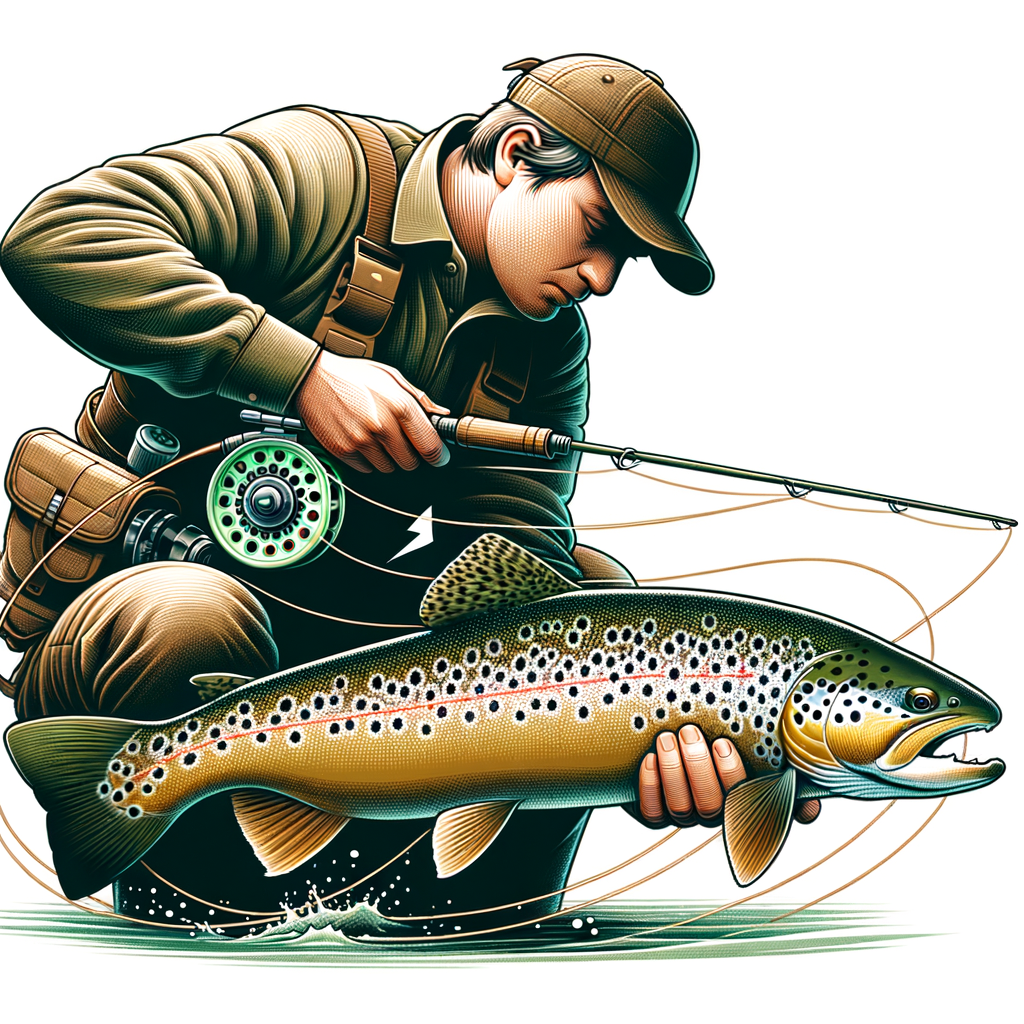
Wading should be deliberate, not casual. Enter and exit at durable points rather than trampling soft banks. Avoid stepping on redds, which usually appear as lighter, cleaned patches of gravel during spawning periods. In low, warm water, shorten sessions, fight fish quickly with appropriately strong tippet, and consider not fishing at all during afternoon temperature peaks. Catch-and-release can still be harmful when fish are already stressed by heat or low oxygen. Keep fish wet, use a rubberized net, and skip hero shots that extend air exposure. If nature calls, use established restrooms where available or bury human waste well away from water in accordance with local regulations. These habits are simple, but they directly reduce contamination, erosion, and fish mortality.
Travel, Access, and the Hidden Pollution Around a Fishing Trip
Minimizing impact starts before your first cast. Transportation is often the largest pollution source associated with a day of fly fishing, especially for remote destination trips. Long drives, flights to famous trout regions, and shuttle logistics carry a carbon cost that many anglers ignore. No one needs to stop traveling entirely, but combining trips, carpooling, and fishing closer to home more often can reduce emissions significantly. I have found that local waters not only shrink my footprint but also build stronger stewardship because I return often enough to notice bank erosion, illegal dumping, or changes in insect life.
Access behavior matters too. Parking off designated surfaces damages vegetation and increases runoff. Shortcut trails down steep banks turn into erosion channels during rain. If you fish private-land access areas or club waters, following posted routes is part of pollution prevention because informal footpaths usually widen over time. Campers should pay particular attention to graywater disposal, stove fuel handling, and fire ash. Even biodegradable food waste should not be tossed near streams; it attracts wildlife and changes site conditions. Responsible travel means treating the entire watershed corridor, not just the wetted channel, as fish habitat. That perspective changes decisions about where you camp, wash gear, fuel boats, and dump melted cooler ice.
Supporting Conservation Beyond Your Own Cast
Individual action matters, but watershed-scale protection requires organized conservation. The most effective anglers I know do more than fish carefully; they report pollution, join stream cleanups, support habitat groups, and pay attention to public comment periods on water policy. Organizations such as Trout Unlimited, local watershed councils, Backcountry Hunters and Anglers, and state native fish groups often coordinate bank stabilization, culvert replacement, riparian planting, and water quality monitoring. Those projects deliver measurable results. Reconnected floodplains reduce downstream sediment pulses. Replanted streamside trees cool water and stabilize banks. Barrier removals reopen spawning habitat. These are not symbolic victories; they improve carrying capacity and angling quality over time.
If you see a fish kill, chemical sheen, manure discharge, or chronic trash dumping, document it safely with photos, location details, and time, then contact the appropriate state environmental agency or fisheries department. Accurate reporting helps enforcement and can trigger monitoring. Spending money also sends a signal. Hire guides who follow fish handling best practices, support fly shops that host cleanup days, and buy from brands with repair services or credible sustainability programs. For website strategy and internal linking value, articles on catch-and-release best practices and river access etiquette naturally complement this topic because pollution reduction is tied to handling, habitat, and shared-use behavior. Stewardship works best when it becomes part of the broader fishing culture.
Practical Standards for Low-Impact Fly Fishing
If you want a simple answer to “How can I minimize my impact while fly fishing?” follow five standards every trip: use non-toxic tackle, prevent invasive spread, avoid bank and spawning habitat damage, pack out all waste, and stop fishing when conditions are too stressful for fish. These standards align with guidance from fisheries biologists, invasive species programs, and Leave No Trace principles. They are practical because they focus on controllable behavior, not abstract environmental guilt. In my experience, anglers who build these steps into a routine maintain them easily. The mistakes happen when people treat stewardship as optional rather than procedural.
There are tradeoffs. Rubber soles may not grip exactly like felt in every situation. Durable, repairable gear can cost more upfront. Driving less to fish may mean giving up some bucket-list days. Yet the benefits are concrete: healthier fisheries, fewer closures, lower replacement costs, and cleaner access sites that remain open to the public. Fly fishing is ultimately a relationship with water. The insects you imitate, the trout you release, and the rivers you revisit all depend on conditions that pollution steadily degrades. Minimize your impact by auditing your gear, changing a few habits, and supporting one local conservation effort this season. Clean water is the foundation of good fishing, and protecting it is part of becoming a better angler.
Frequently Asked Questions
How does fly fishing contribute to pollution if I always pack out my trash?
Packing out your trash is an essential first step, but pollution related to fly fishing goes far beyond visible litter. Anglers can unintentionally affect water quality and habitat through repeated trampling of stream banks, careless wading in spawning areas, use of gear made with toxic materials, and transport of invasive species between watersheds. Even small actions, when repeated by many people over time, can destabilize banks, increase sediment in the water, damage aquatic vegetation, and stress fish populations that already face pressure from warming water and degraded habitat.
Pollution in a fishing context also includes less obvious contaminants such as sunscreen washing off into the water, microplastics shed from synthetic clothing and gear, fuel residue from boats or vehicles near access points, and tiny fragments of monofilament or tippet left behind. Some traditional tackle materials, especially lead, can directly poison wildlife if ingested. In other words, an angler may leave a spot looking clean while still having a measurable environmental impact. Minimizing that impact means thinking holistically about every part of a fishing trip, from travel and gear maintenance to how, where, and when you move through the water.
What are the best ways to reduce my environmental impact while fly fishing?
The most effective approach is to build low-impact habits into every outing. Start by staying on established trails and entry points rather than creating new paths to the water. When wading, avoid sensitive areas such as shallow spawning gravel, aquatic vegetation beds, and eroding banks. If fish are spawning or concentrated in low-water refuges, give those areas extra space. Good stream etiquette is not just about courtesy to other anglers; it is also a practical way to reduce habitat damage and keep sediment out of the water.
Gear choices matter as well. Choose non-toxic weights and components instead of lead whenever possible, and inspect your equipment regularly so broken lines, flies, and packaging do not end up in the environment. Keep a small container for used tippet and damaged leaders, and dispose of them properly at home. Clean and dry waders, boots, nets, and boats between trips to prevent the spread of invasive species and aquatic diseases. If you use a watercraft, be careful with fueling and maintenance to avoid drips and spills near the shoreline. You can also reduce chemical inputs by using reef-safe or water-friendly sun protection products and applying them well before entering the water. Finally, support fisheries, brands, and local groups that prioritize habitat restoration, access stewardship, and cleaner manufacturing practices. The cumulative benefit of these decisions is substantial.
Why is bank erosion such a concern, and how can anglers avoid making it worse?
Bank erosion is a major issue because once streamside soil loosens and washes into the water, it increases sediment loads that can smother insect habitat, cover spawning gravel, reduce water clarity, and alter the shape and flow of the stream itself. Healthy banks are usually held together by vegetation, roots, and undisturbed soil. When anglers repeatedly climb down steep edges, cut new access routes, or stand on fragile undercut sections, that stability weakens quickly. What looks like a minor shortcut to the water can become a long-term source of sediment and habitat loss.
To avoid contributing to the problem, enter and exit the water only at durable, established access points whenever possible. Avoid dragging boats across vegetated shorelines, and do not stand or sit on crumbling banks. If a section of shoreline looks muddy, undercut, or freshly collapsed, treat it as especially vulnerable. Spread out pressure by not using the exact same informal launch or path every trip if there are designated alternatives. In small streams, it is often better to wade from the channel than to repeatedly brush along the bank and trample vegetation. On stillwaters and estuaries, be mindful of marsh edges, reeds, and grass beds, which are important for filtration, wildlife cover, and shoreline stability. Protecting banks is one of the simplest and most immediate ways anglers can protect water quality.
Are certain fly fishing materials or products more harmful to the environment than others?
Yes, some materials and product categories carry a much higher environmental risk than others. Lead is one of the clearest examples. While small lead weights may seem insignificant, lost lead can be ingested by birds and other wildlife and cause serious poisoning. Choosing non-lead alternatives is one of the easiest upgrades an angler can make. Soft plastics, synthetic fibers, low-quality coatings, and disposable accessories can also contribute to long-term pollution, especially when they break down into smaller particles rather than truly disappearing. Even common fishing line, if lost or discarded, can entangle fish, birds, and mammals for a long time.
That does not mean anglers need to fish with only natural materials, but it does mean they should be selective and intentional. Look for durable gear that lasts, repair items rather than replacing them immediately, and avoid overbuying novelty products that create unnecessary waste. If you tie flies, keep scraps contained and dispose of them properly, especially synthetics, flash materials, foam, and trimmed line. Consider the full life cycle of what you use: how it is made, how long it lasts, and what happens when it breaks. Reusable fly boxes, bulk spools with minimal packaging, non-toxic split shot, and gear from brands with credible sustainability practices are all smart choices. Thoughtful consumption is a real part of pollution prevention in fly fishing.
How can I help protect fisheries from pollution beyond my own behavior on the water?
Individual responsibility matters, but long-term protection of fisheries also depends on community action and public support. One of the best ways to help is to participate in local conservation efforts such as river cleanups, invasive species monitoring, habitat restoration days, and watershed group projects. These efforts often address the larger pollution sources anglers cannot solve alone, including stormwater runoff, failing culverts, degraded riparian zones, and illegal dumping. Joining a local chapter of a conservation organization or watershed council can also give you a direct role in advocacy and education.
You can make a meaningful difference by reporting visible pollution, fish kills, fuel spills, or suspicious discharges to the appropriate local agency. Support access sites and fisheries programs that include sanitation infrastructure, boot-cleaning stations, and bank stabilization work. If you mentor newer anglers, teach them that stewardship is part of the sport, not an optional extra. The most conservation-minded fishing communities normalize practices like gear decontamination, proper tippet disposal, fish-friendly handling, and respect for seasonal closures. Finally, use your spending power wisely. Businesses, guides, lodges, and manufacturers respond when anglers consistently support low-impact practices and environmental accountability. Healthy fisheries depend not just on what happens during a single cast, but on whether anglers help build a culture that values clean water over convenience.