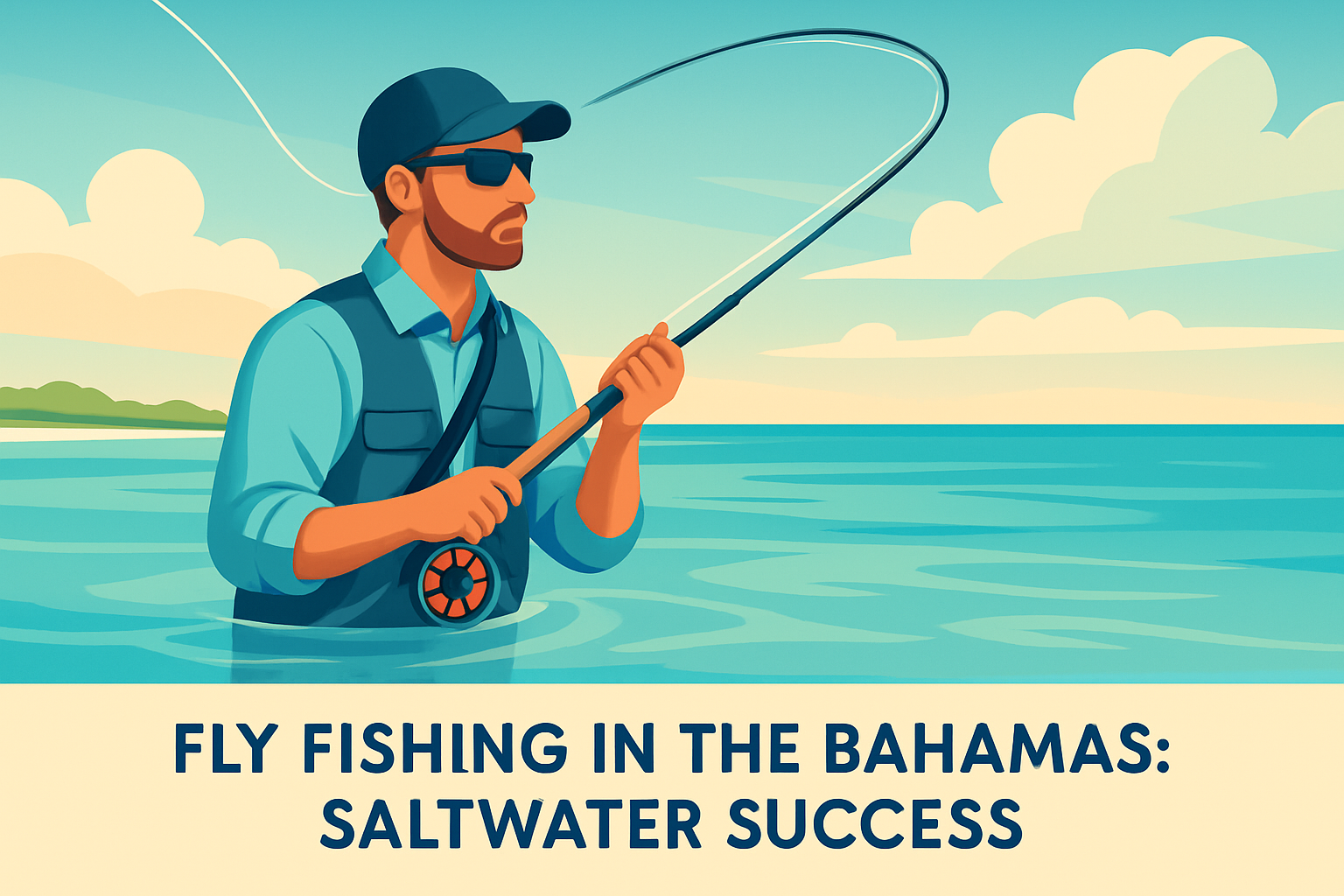
Fly fishing, an angling method that involves casting a lightweight, often nearly weightless artificial fly, has long been a favored pastime of fishing enthusiasts worldwide. However, its practice is not just restricted to freshwater environments. Fly fishing in saltwater, particularly in the serene and picturesque Bahamas, offers an entirely different kind of allure and challenge. The Bahamas, known for its crystal-clear turquoise waters and abundant marine life, provides an ideal environment for saltwater fly fishing, making it a prime destination for anglers seeking a unique adventure.
Understanding the nuances of saltwater fly fishing is essential. Unlike freshwater fly fishing, which typically targets species residing in rivers, lakes, and streams, saltwater fly fishing focuses on marine species found in oceans and seas. This requires a distinct set of skills, equipment, and tactics. Anglers are drawn to the Bahamas not only for its beauty but also for the opportunity to catch iconic species like bonefish, tarpon, and permit, known collectively as the “Big Three” of saltwater fly fishing.
This activity in the Bahamas matters because it combines the thrill of fishing with the rich biodiversity and stunning natural beauty of the islands. Fly fishing contributes to the local economy by attracting tourists from around the globe, eager to experience this unparalleled fishing environment. Moreover, it fosters conservation and sustainability efforts, ensuring that these aquatic paradises are preserved for future generations to enjoy. This article will delve into the specifics of fly fishing in the Bahamas, offering insights and tips for achieving saltwater success.
Bonefish: The Silver Ghost of the Flats
In the pristine waters of the Bahamas, bonefish hold a revered status among fly fishers. Often nicknamed the “silver ghost,” bonefish are elusive and incredibly fast, providing a challenging yet rewarding pursuit for anglers. These fish are primarily found in the shallow flats, sandy or muddy areas with clear waters. Their silvery scales make them difficult to spot, requiring keen observational skills and patience.
One real-world example of successful bonefishing can be found on the island of Andros, often regarded as the “Bonefishing Capital of the World.” Anglers from all corners visit Andros to test their skill and luck against these cunning fish. Utilizing light flies, such as Crazy Charlies or Gotchas, mimicking small crustaceans or baitfish, is a common technique in this pursuit. Understanding the bonefish’s feeding patterns and having a strategic approach to casting is key to success.
The uniquely flat and shallow waters of the Bahamas enhance the bonefishing experience, as these conditions allow anglers to wade quietly and spot fish visually. The thrill of spotting, stalking, and ultimately hooking a bonefish amidst the beautiful Bahamian backdrop contributes to the allure of fly fishing in this region.
Tarpon: Acrobats of the Sea
Tarpon, known for their impressive size and spectacular aerial acrobatics, are another prized target for fly fishers in the Bahamas. These powerful fish can grow to substantial sizes, making them a formidable adversary even for seasoned anglers. The fight with a hooked tarpon can involve multiple leaps and intense endurance tests, making every capture memorable.
In the Bahamas, especially in areas like Bimini and the Keys, tarpon run the channels and deep cuts. Anglers seek these fish during the warmer months when they are most active and ready to feed. Fly fishers often use large, brightly colored flies that resemble mullet or other baitfish, capitalizing on the tarpon’s predatory nature.
Success stories abound, with many anglers recalling the sheer thrill and challenge of battling tarpon in the Bahamas. The process, from the initial sighting to making the perfect cast and managing the powerful runs, requires skill, timing, and a bit of luck. These subtle intricacies of tarpon fishing are what make them such an iconic species to chase in the Bahamas.
Permit: The Ultimate Prize
For many saltwater fly fishers, the permit is the holy grail. These fish are notoriously difficult to catch due to their shy nature and hypersensitive awareness of their surroundings. Found on the flats and along the reefs of the Bahamas, permits require a tactical approach to fly presentation.
A successful capture of a permit often involves meticulously watching and studying their behavior. Anglers must be stealthy, using flies that mimic crabs, which are a favorite food of the permit. The Exumas and Abaco Islands offer popular spots for pursuing permit, where the water quality and clarity allow for spotting these fish from afar.
Experiences shared by those who have conquered the permit highlight the satisfaction of landing such an elusive target after many failed attempts. These stories contribute to the mystique and allure of fly fishing for permit in the Bahamas, drawing anglers back time and again to improve their skills and, hopefully, achieve success.
- Species Targeted: Bonefish, Tarpon, Permit
- Top Equipment: Lightweight rods, durable reel, high-quality lines
- Best Months: March through August
- Popular Destinations: Andros, Bimini, The Exumas, Abaco Islands
Equipment and Techniques for Success
Fly fishing in the saltwater environment of the Bahamas demands specialized equipment and techniques. A key component is the fly rod, typically fast-action and designed to handle the powerful runs and fights typical of bonefish, tarpon, and permit. The rod must be paired with a durable reel equipped with adequate backing and a smooth drag system to manage the endurance battle that powerful saltwater species can present.
Anglers often choose lines with weight forward taper to allow for longer casts and precise placement, crucial when targeting species from a distance in the clear Bahamian waters. Leaders must be strong and durable, yet clear and less visible to avoid spooking fish in the shallow flats.
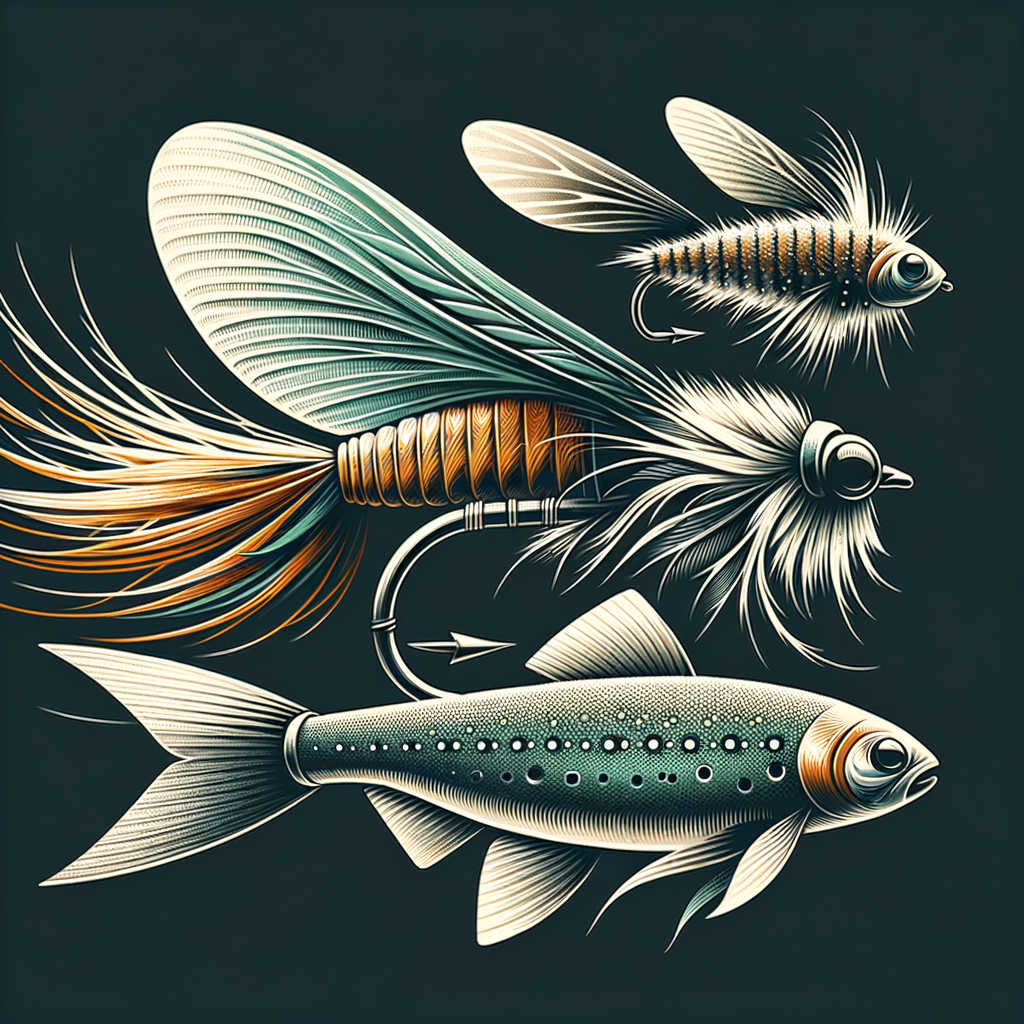
Understanding the specific feeding habits and natural prey of targeted species allows anglers to select the most effective flies. Mimicking local baitfish or crustaceans in size and color increases the likelihood of a successful strike.
| Species | Recommended Fly | Key Strategy |
|---|---|---|
| Bonefish | Crazy Charlie, Gotcha | Stalk quietly and cast accurately |
| Tarpon | Tarpon Toad, Cockroach | Use large, bright flies in deeper channels |
| Permit | Crab patterns | Stealthy approach with slow presentation |
Preservation and Conservation Efforts
The importance of conservation cannot be overstated when discussing fly fishing in the Bahamas. Anglers are encouraged to practice catch-and-release to maintain healthy fish populations. Moreover, the Bahamian government and local organizations work tirelessly to enforce fishing regulations, ensuring that these waters remain bountiful.
Educational programs and resources are available for both local communities and visitors to raise awareness about sustainable practices. Information on the fragile marine ecosystems helps anglers understand their impact and promote responsible fishing habits.
Although the Bahamas benefits economically from its flourishing tourism and fishing industries, it’s imperative that these activities are conducted sustainably. Recognizing this, many fishing guides and lodges emphasize conservation as an integral part of the fly fishing experience, encouraging anglers to respect and protect the environment.
Summing It Up: Your Next Bahamian Fly Fishing Adventure
Fly fishing in the Bahamas presents an extraordinary opportunity to engage with nature while honing angling skills amidst a breathtakingly beautiful environment. From the thrill of catching a bonefish to the ultimate challenge of landing a permit, the diversity and richness of the Bahamian waters provide endless possibilities for both novice and experienced anglers alike.
Whether you’re enticed by the prospect of encountering the “Big Three” – bonefish, tarpon, and permit – or simply want to take in the stunning coastal views while casting a line, the Bahamas has something to offer every fly fishing enthusiast. The key to maximizing your experience lies in preparing with the right equipment, understanding local species behavior, and engaging with conservation efforts.
As you plan your next angling escapade, consider the wealth of resources available to help you succeed. From seasoned guides to online tutorials and conservation initiatives, the tools to achieve saltwater success in the Bahamas are at your fingertips. Embrace the adventure, respect the marine habitats, and create unforgettable fishing memories. Your journey towards saltwater fly fishing mastery awaits!
Frequently Asked Questions
1. What makes fly fishing in the Bahamas different from freshwater fly fishing?
Fly fishing in the Bahamas introduces anglers to a thrilling and scenic adventure unlike the freshwater experiences they may be used to. The most prominent difference lies in the type of water and the species being targeted. The crystal-clear turquoise waters of the Bahamas offer the perfect backdrop for saltwater fly fishing, focusing on species like bonefish, tarpon, and permit. These fish are not only visually striking but also offer a hearty challenge due to their speed and strength. The expansive flats of the Bahamas provide ideal conditions for spotting and casting to fish. Additionally, the tides play a significant role and require anglers to adapt their strategies based on water movement, which adds a layer of complexity and excitement. Equipment also differs, as saltwater fly fishing demands stronger rods and reels with corrosion resistance, larger flies, and lines suited to often windy conditions. This dynamic environment tests the skill and patience of anglers, offering a different yet rewarding experience.
2. What kind of fish can I expect to catch fly fishing in the Bahamas?
The Bahamas is famous for its abundant and diverse marine life, making it an angler’s paradise. Some of the most sought-after species include bonefish, known for their elusive nature and incredibly fast runs which are a true test to any fly fisher’s skills. Bonefish are often called the “grey ghost of the flats” due to how they blend in with their surroundings. Another prized catch is the tarpon, a powerful fish known for its impressive acrobatics and stamina once hooked. Anglers may also target the permit, a fish famous for its wariness and strength, which makes it a highly rewarding challenge. Beyond these highlights, the surroundings may also bring encounters with barracuda, snappers, and jacks. Each species in these waters offers a unique thrill, ensuring that every fishing trip in the Bahamas is rich with possibility and excitement.
3. What is the best time of year to fly fish in the Bahamas?
The ideal time for fly fishing in the Bahamas is largely influenced by the target species and the weather. Generally, the most favorable months extend from March to June, when conditions align perfectly for an optimal fly fishing experience. During this period, the weather is usually warm and pleasant, and the water clarity is exceptional. This timeframe also aligns with prime bonefish season, when these fish are most abundant and active across the Bahamas’ vast flats. However, fly fishing can still be rewarding at other times of the year, with fall also offering good opportunities for capturing bonefish and occasionally permit and tarpon. The hurricane season, which runs from June through November, might see some disruptions due to tropical storms, but overall it remains a worthy endeavor with careful planning. Always remember that local guides have an intimate understanding of seasonal patterns and can provide valuable insights to enhance your fishing success throughout the year.
4. What gear should I bring for fly fishing in the Bahamas?
When planning a fly fishing adventure in the Bahamas, careful selection of gear is crucial to ensure success and comfort. Essential equipment begins with a durable 8- to 10-weight fly rod, which is necessary to handle the larger saltwater species and withstand the sometimes windy conditions. A high-quality, saltwater-resistant fly reel with a reliable drag system is also vital, as saltwater conditions can quickly corrode lesser equipment. Spool your reel with floating line, and pack plenty of backing – bonefish, in particular, are known for their long, fast runs. Fly choices should focus on patterns that mimic local prey, such as Crazy Charlies, Gotchas, and Clouser Minnows, typically tied in colors like tan, pink, and white. Don’t forget polarized sunglasses to cut through the glare and enhance your ability to spot fish in the shallows. Clothing should be lightweight, breathable, and offer UV protection due to intense sun exposure, and a hat and sunscreen should also be part of your sun defense. Lastly, quality wading boots or flats shoes are recommended to protect your feet on the often sharp and rocky seabeds. With the right gear, you’ll be well-prepared to tackle the challenges of saltwater fly fishing in this beautiful locale.
5. Do I need a guide for fly fishing in the Bahamas?
While it is entirely possible to embark on a fly fishing trip in the Bahamas without a guide, hiring one can vastly enhance the experience, especially for those not familiar with local waters. A guide provides invaluable knowledge of the best spots for fishing, as well as insight into the habits and patterns of the local species. They can also assist in navigating the tides and varying weather conditions unique to the region. Guides are adept at helping you refine your casting techniques and offer tips that can increase your success rate. Furthermore, being accompanied by a knowledgeable guide can help you avoid potential pitfalls, such as getting caught in an incoming tide on the flats or inadvertently disturbing the ecosystem. For newcomers to the area, having a guide also supports learning about and respecting the local regulations and conservation practices. Ultimately, while not necessary, a guide significantly enriches the overall experience, ensuring you get the most out of your fly fishing adventure in the Bahamas.