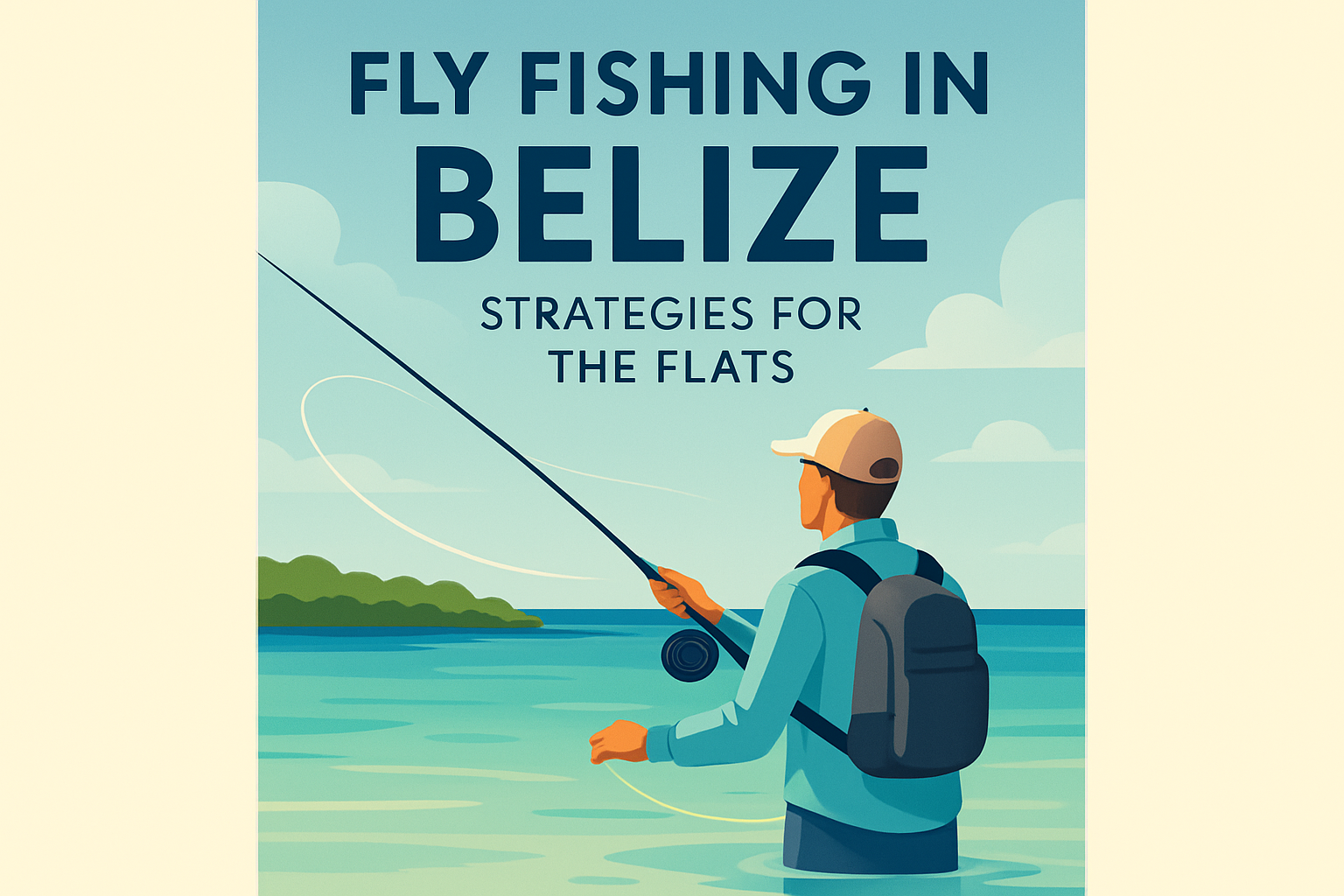
Fly fishing is a captivating sport that combines skill, patience, and an appreciation for nature. It is a method of fishing in which an artificial fly is used to lure fish. Belize, a picturesque country located in Central America, is renowned for its diverse fishing environments, particularly the “flats.” The flats in Belize refer to shallow, saltwater areas with sandy bottoms and clear waters, ideal for fly fishing. These areas are home to various fish species, such as bonefish, permit, and tarpon, making it an angler’s paradise.
Understanding fly fishing in Belize, especially on the flats, is crucial for those looking to partake in this rewarding activity. The unique ecosystem presents both opportunities and challenges. To succeed and enjoy the experience, anglers must adapt their strategies to the local environment and conditions. This involves comprehending the behavior of the target species, the right equipment to use, and the techniques that will yield the best results. Appreciating the ecological significance of the flats in Belize also underscores the need for sustainable fishing practices to ensure these waters remain thriving and accessible for future generations.
Choosing the Right Equipment
When fly fishing on the flats of Belize, the right equipment can greatly influence the outcome of your fishing trip. Essential gear includes a reliable fly rod, reel, line, and flies tailored to the type of fish you intend to catch. For instance, an 8 or 9-weight rod is often preferred for bonefish due to its ability to handle the line effectively and combat the fish’s speed and agility. A smooth drag system on a reel is crucial, as these fish are known for their powerful runs.
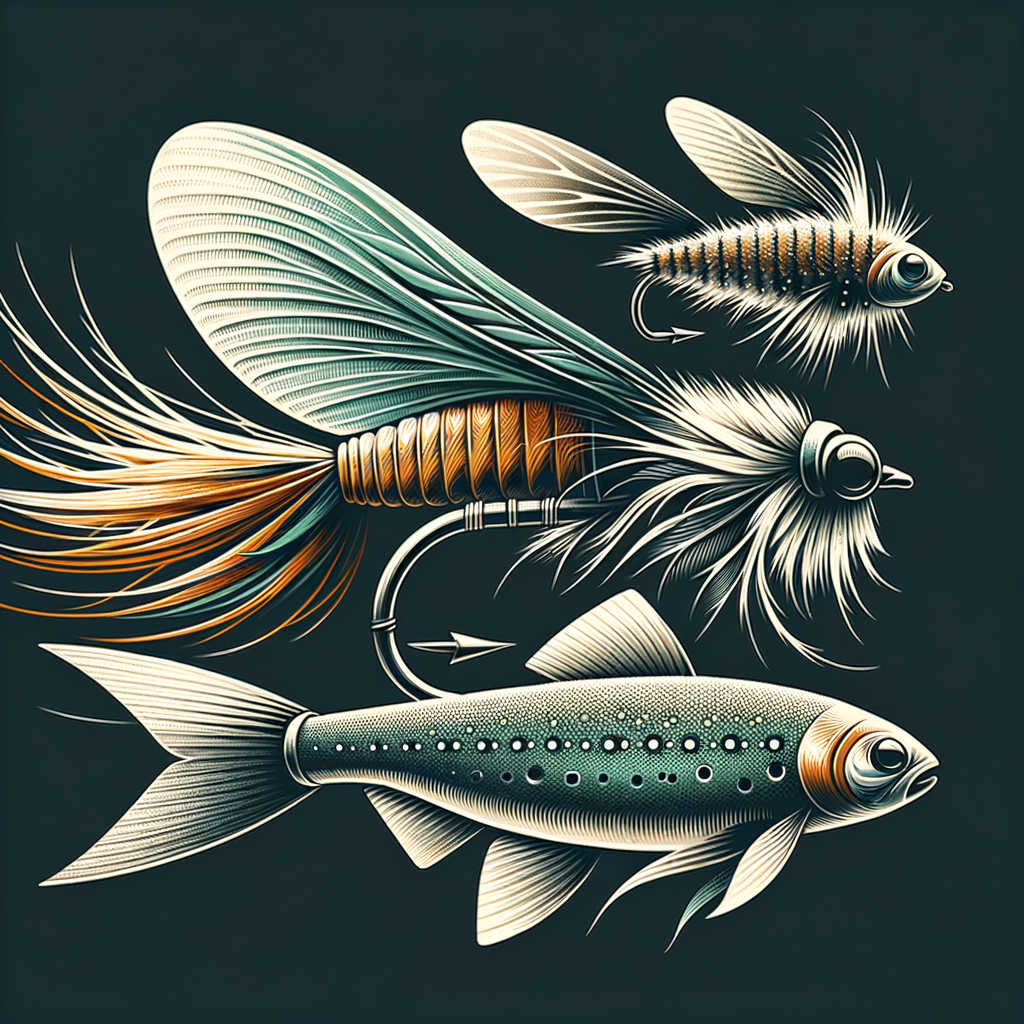
Proper fly selection is equally important. Flies that mimic the natural prey in Belize’s flats, such as crabs and shrimp patterns, are highly effective. Ensure your line matches the water conditions; a floating line is typical as it allows for better presentation and visibility. Equipping yourself with polarized sunglasses helps in spotting fish beneath the water more clearly, an essential advantage in the clear waters of Belize.
Understanding Fish Behavior
The behavior of fish in the flats differs significantly from those in other environments. Bonefish, for instance, are usually found in schools and tend to feed on small crustaceans and baitfish. Observing their feeding patterns can provide valuable clues for when and where to cast your fly. Additionally, understanding tidal patterns is essential. Tides influence the movement and feeding habits of fish. High tide often brings fish closer to shore and into shallower waters, enhancing visibility and access.
Permit, another popular target, are notoriously challenging due to their keen sense of detection and skittish nature. They often travel in smaller groups or alone, requiring a stealthy approach. By understanding their preferred habitats and movement patterns, anglers can improve their chances of success.
Adapting Techniques to Local Conditions
The techniques used for fly fishing in Belize often vary depending on the local conditions. One of the most critical adjustments is mastering the art of the saltwater cast. Unlike freshwater environments, where precision might be prioritized over power, casting in the flats often requires both. The clear water and expansive space can leave little room for error. Practicing longer casts and double hauls can help maximize distance and reduce splash upon presentation, which is critical for not spooking fish.
Moreover, the stealthy approach is immensely beneficial. In clear shallow waters, fish are more likely to be alarmed by sudden movements or noises. Anglers often employ a “sight fishing” technique, where they visually locate fish before making a cast, allowing for a targeted approach that increases the likelihood of a successful catch.
| Species | Common Baits | Preferred Tactics |
|---|---|---|
| Bonefish | Shrimp, crab patterns | Sight casting, stealthy approach |
| Permit | Crab patterns, small baitfish | Silent stalking, long casts |
| Tarpon | Baitfish, poppers | Evening fishing, powerful retrieval |
Acknowledging Environmental Factors
The environment in Belize’s flats is not only beautiful but also fragile. Fly fishers must remain mindful of their impact on the ecosystem. Practicing catch and release is strongly recommended to preserve fish populations. Using barbless hooks can reduce harm to the fish, facilitating easier release and quicker recovery.
It’s also important to be aware of the weather conditions. Belize’s climate is typically warm and humid, with seasonal differences that can affect fishing conditions. Rainy seasons, for instance, can alter water clarity and feed patterns. Planning your trip around the dry season can improve your chances of favorable fishing conditions.
Local Knowledge and Guides
Finally, leveraging the experience of local guides can make a substantial difference. Guides in Belize often have decades of experience and an intimate knowledge of the waters, fish behaviors, and effective strategies. They can offer insider tips that are not always available online or in guides, like specific spots known for high yields or low interference from other anglers.
For those unfamiliar with the area, hiring a guide can also ensure safety, as they are well-versed in navigating the sometimes tricky waters of Belize’s flats. Collaboration with local experts not only enhances the fishing experience but also contributes to a more sustainable tourism practice, benefiting the local community economically.
Conservation and Sustainability
Conservation efforts in the Belizian flats focus on maintaining the delicate balance of this aquatic ecosystem. Anglers must commit to sustainable fishing practices, which involve respecting catch limits and participating in conservation programs that protect critical habitats.
Engaging with organizations that work towards marine conservation and staying informed about ecological best practices can help preserve the flats’ biodiversity. This, in turn, ensures that these vibrant havens remain for future generations of fly fishers to enjoy.
Summary: Embracing the Fly Fishing Experience in Belize
In summary, fly fishing in the flats of Belize offers a unique and rewarding experience. To make the most of it, one must understand the importance of selecting the right equipment, grasping the behaviors of target fish species, and adjusting techniques to environmental conditions. By recognizing the impacts of tidal patterns, fish behavior, and climate, anglers can better strategize their fishing expeditions.
The assistance of local guides, combined with a commitment to sustainable fishing practices, enriches the experience and contributes meaningfully to preserving the ecological integrity of Belize’s flats. As you plan your fly fishing adventure in Belize, remember that patience and preparation are key. Approach each outing with respect for the environment, and you’ll discover not only the joy of angling but the beauty of this Central American treasure.
Ready to take the plunge and explore the flats of Belize? Pack your gear, book a knowledgeable guide, and let the adventure begin. The fish are waiting, and the experience is bound to be unforgettable.
Frequently Asked Questions
1. What is the best time of year for fly fishing in the flats of Belize?
Fly fishing in Belize can be enjoyed throughout the year; however, certain fish species have peak seasons that can enhance your experience. The dry season, which spans from November to April, is particularly popular among anglers. During this time, conditions are favorable for fly fishing, with ample sunshine, clear skies, and minimal rainfall contributing to perfect visibility and accessibility to the flats.
Targeting specific fish species? Then you might want to plan your trip around their peak seasons. Bonefish are available year-round, but they are especially active from March to June. Permit can be found throughout the year, with an evident peak from April to July. For tarpon enthusiasts, you’ll have significant success between late spring and early autumn, specifically from April to September. However, if you prefer quieter periods with fewer tourists, consider visiting during the off-season (May to October), although be prepared for intermittent rainfall, which can influence water conditions and fish behavior.
2. What gear should I bring specifically for fly fishing in Belize?
Having the right gear is crucial to enjoying a successful fly fishing trip in Belize. You will want a 7 or 8-weight fly rod and reel with a smooth drag system for bonefish and permit, ranging up to a 10-weight for targeting tarpon. Be sure to have a quality floating fly line, with a tropical saltwater design to withstand long days spent under the sun without degrading.
Lures are an essential component. For bonefish, patterns like Crazy Charlie, Gotcha, and Christmas Island Special are highly effective. When targeting permit, consider carrying Del Brown’s Merkin Crab, Mantis Shrimp, and Raghead Crab. Tarpon respond well to patterns like Black Death, Tarpon Toad, and Cockroach. Ensure that all your flies are tied on corrosion-resistant hooks, and bring plenty to accommodate different conditions and fish preferences.
You’ll also need essential accessories like polarized sunglasses to help spot fish in the surf, a rod holder, a good quality fly box, nippers, and forceps. Additionally, lightweight, breathable clothing to provide sun protection, as well as a hat and sunscreen, are vital in protecting against the intense Central American sun.
3. What strategies can increase my success in catching fish in the flats?
Successfully fly fishing on the flats in Belize requires understanding both the environment and the behavior of the target species. Start with a quality guide who is familiar with the local waters and can direct you to the best fishing spots. Belizean guides are renowned for their expertise and ability to spot fish even when conditions aren’t ideal.
Stealth plays a critical role in flats fishing. Bonefish and permit are particularly skittish and spook easily. Move slowly and quietly as you wade or pole your way through the flats, and make gentle, precise casts to avoid startling the fish. Look for signs of active fish, such as tailing, waking, or feeding, as these cues indicate their presence and allow for better-targeted casting.
Pay close attention to the tides, as they significantly influence fish movement and feeding patterns. High tides often push fish further into the shallows, offering prime opportunities for close, intimate encounters. Meanwhile, lower tides may congregate fish around deeper channels, providing unique angling opportunities.
4. Are there any conservation measures I should be aware of while fly fishing in Belize?
Belize is deeply committed to sustainable fishing practices, with conservation at the heart of its tourism strategy. To preserve the vibrant ecosystems of the flats and ensure future generations can enjoy the same excellent fly fishing opportunities, several measures are in place.
Catch and release practices are heavily encouraged to maintain healthy fish populations. It’s critical to handle fish gently, use barbless hooks to minimize injury, and ensure rapid and safe releases. Additionally, be mindful of sensitive habitats like seagrass beds and coral formations, which provide essential breeding grounds for many marine species.
Fishing permits are required in Belize, helping manage and monitor fishing activities to preserve the rich biodiversity of the area. Be sure to secure a valid license before setting out, and respect local rules and guidelines designed to protect the natural marine environment.
5. What makes Belize a top destination for fly fishing enthusiasts?
Belize stands out as a premier fly fishing destination for several reasons, beginning with its pristine natural beauty. The country’s coastline is adorned with the Belize Barrier Reef, the second-largest in the world, setting the stage for some of the most breathtaking fishing landscapes imaginable.
The diversity and abundance of fish species available in Belizean waters are unparalleled. Anglers flock here for the opportunity to pursue the coveted inshore grand slam: bonefish, permit, and tarpon. Each species tests a different aspect of an angler’s skill set and offers a distinct challenge that keeps anglers returning.
Moreover, Belize’s commitment to conservation and sustainable fishing enhances the overall experience, ensuring that visitors are not only enjoying a sport but also contributing to the long-term health of these vital ecosystems. Pair these elements with the friendly locals, professional guides, and a range of accommodation options that cater to different budgets, and it’s no wonder why Belize consistently ranks as a bucket-list destination for fly fishing enthusiasts worldwide.