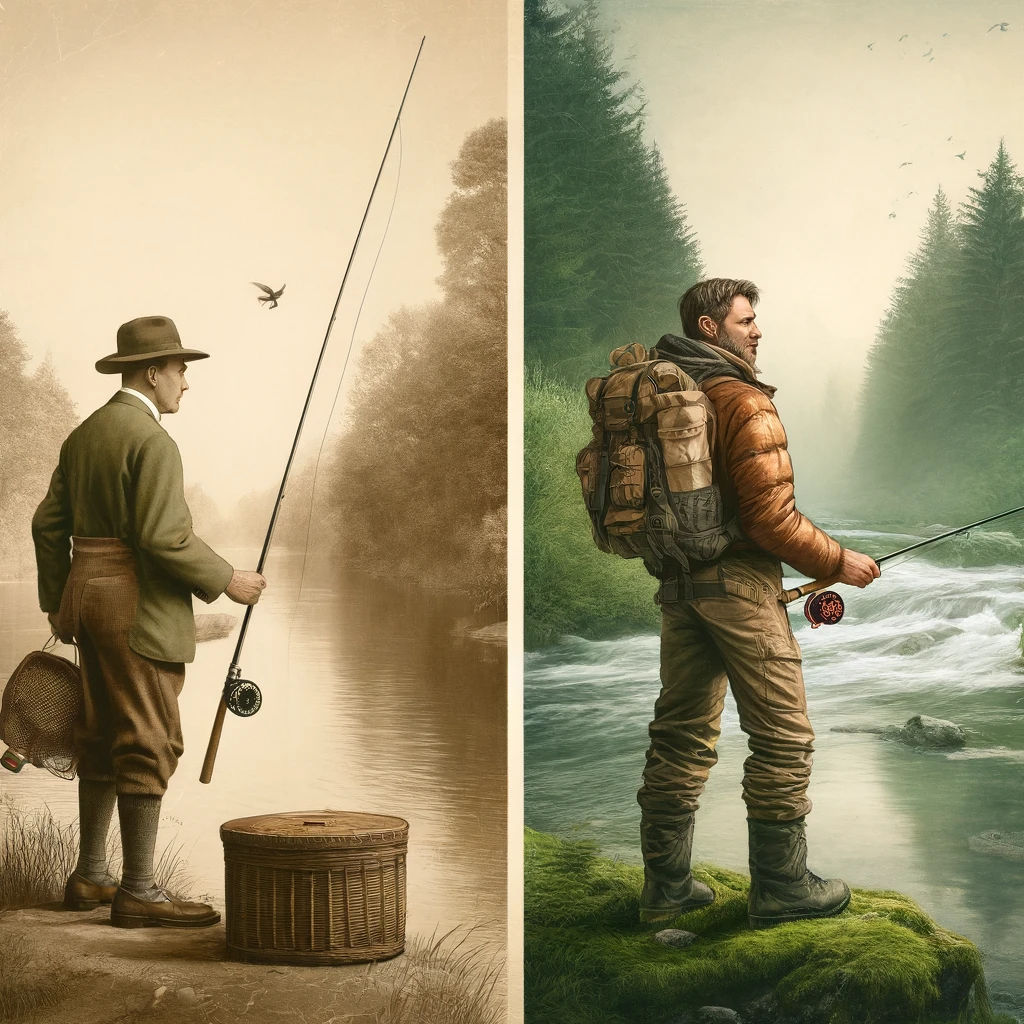
Fly fishing has grown in popularity as a sport that offers both challenge and serenity. Cuba, with its rich biodiversity and untouched waters, presents an enticing option for fly fishing enthusiasts. The burgeoning interest in fly fishing in Cuba is not merely due to its beautiful landscapes but also its abundant marine life. Various species, such as the bonefish, tarpon, and permit, make it an attractive destination. Understanding the nuances of fly fishing in Cuba is crucial for those looking to explore its waters. The regulations, geographical peculiarities, and the unique fishing environment all play a role in shaping this captivating experience. To fully appreciate and engage in fly fishing here, one must equip themselves with comprehensive knowledge of what the island has to offer.
Understanding the Cuban Fly Fishing Landscape
Cuba is surrounded by the Gulf of Mexico and the Atlantic Ocean, making it abundant in diverse marine life. These waters are largely unspoiled and foster a perfect habitat for fish such as bonefish, tarpon, and permit. A notable feature of the Cuban fishing landscape is the wide expanse of flats, lagoons, and mangroves, which are ideal for fly fishing. Certain areas like Jardines de la Reina are renowned for their pristine waters and healthy fish populations. Here, conservation efforts ensure these ecosystems flourish, creating an ideal environment for outdoor enthusiasts.
Legal and Regulatory Considerations
Fly fishing in Cuba involves adhering to specific legal and regulatory frameworks. The government tightly controls fishing activities through permits and established fishing seasons. Tourists typically need to contract a guided fishing tour as independent fishing is not always permitted. It’s crucial to obtain the necessary licenses and comply with local regulations. A real-world illustration involves Jardines de la Reina, where only licensed guides are allowed to operate, ensuring sustainable fishing practices and conservation of marine ecosystems.
Optimal Seasons for Fly Fishing
The climate in Cuba heavily influences the best times for fly fishing. Typically, the dry season from November to April offers the most favorable conditions. Calm waters during these months enable clearer visibility and better fish-watching opportunities. On the contrary, the rainier months from May through October might prove challenging, however, some anglers still pursue fishing due to the presence of particular fish like tarpon. Exemplifying this is the annual migration of tarpon in late spring, which attracts many avid fly fishers due to the increased fish activity.
Necessary Gear and Equipment
Appropriate equipment is necessary for a successful fly fishing experience in Cuba. A versatile rod, usually 8 to 10 weight, is recommended to handle the variety of fish encountered. Additionally, floating lines are customary since fishing happens in shallow waters. Flies mimic local bait fish and should be selected accordingly. Sunscreen, hats, and long-sleeved shirts are vital for protection against sun exposure. In areas like Cayo Largo, fishers must come prepared to tackle not only bonefish but also tarpon and permit, necessitating well-rounded gear.
- Rod: 8-10 weight
- Line: Floating lines
- Clothing: Sunscreen, hats, long sleeves
- Flies: Imitate local bait fish
Guided Tours and Local Expertise
Guided tours and local expertise often enhance the fly fishing experience in Cuba. Local guides possess nuanced knowledge of the best fishing spots and regional fish behaviors. They also assist with adhering to regulations, enabling hassle-free adventures. La Marina Marlin, for example, provides experienced guides that not only offer technical advice but also educate tourists on ecological conservation. This ensures that visitors leave with both memorable experiences and a deeper understanding of Cuba’s vibrant ecosystems.
Conservation Efforts and Sustainable Practices
Conservation is at the heart of Cuba’s approach to fly fishing. Initiatives led by the government and local communities aim to protect marine life and their habitats. Regulations on catch-and-release fishing are strictly enforced in most locations. In Ciénaga de Zapata, the emphasis is on maintaining ecological balance by limiting commercial activities and adopting measures designed for minimal environmental impact. Visitors are encouraged to partake in sustainable practices, contributing to the preservation of these natural resources for generations to follow.
Benefits of Fly Fishing in Cuba
The benefits of fly fishing in Cuba extend beyond mere recreation. For many, it serves as an avenue to explore a relatively untouched world, where ecological integrity remains intact. With the rise of eco-tourism, fishing in Cuba supports local economies while promoting environmental awareness. Additionally, the warm hospitality and cultural richness of Cuba add depth to the experience, making it more than just a fishing trip but a holistic exploration of nature and culture. Integrated within this framework, Cuba attracts anglers looking to combine sport with adventure and ecological mindfulness.
Real-World Example: Fishing in Jardines de la Reina
Jardines de la Reina stands as a testament to Cuba’s successful merging of fly fishing and environmental stewardship. Known as the “Gardens of the Queen,” this vast marine reserve spans approximately 840 square miles and is named for its natural beauty complimented by biodiversity. In this ecosystem, strict regulations enforce a guidelines-driven fishing practice to ensure sustainable interactions with wildlife. Here, bonefish, tarpon, and permit swim freely, creating enticing opportunities for anglers. With restrictions on the number of visitors and a focus on catch-and-release, Jardines de la Reina exemplifies how Cuba maintains a balance between recreational angling and conservation.
Final Thoughts and Actionable Steps
Fly fishing in Cuba presents a unique opportunity for anglers, featuring stunning natural landscapes and rich marine life. The experience demands adherence to local regulations and a respect for the country’s conservation efforts. Beginners and seasoned fishers alike benefit from the guidance of experienced locals who impart both fishing techniques and an appreciation for ecological preservation. For an enriching fly fishing escapade, consider Cuba’s legal, seasonal, and environmental aspects before setting out. Connecting with local tour operators provides a seamless pathway to exploring Cuba’s aquatic wonders. Take action by preparing your gear, securing the necessary permits, and ultimately making the journey to this Caribbean paradise to experience the remarkable world of Cuban fly fishing firsthand.
Frequently Asked Questions
1. What makes Cuba a top destination for fly fishing?
The allure of fly fishing in Cuba lies in the perfect combination of natural beauty and diverse marine life. Cuba boasts stunning landscapes that are largely untouched and teem with rich biodiversity. The Cuban waters are home to sought-after species such as bonefish, tarpon, and permit, which draw anglers from around the globe seeking both a challenge and an opportunity to reel in these notable catches. Furthermore, Cuba’s commitment to conservation ensures these waters are well-preserved, adding to their appeal. It’s not just about the catch—it’s about the entire experience of connecting with nature in a minimalist fashion.
2. When is the best time to go fly fishing in Cuba?
Timing your visit to Cuba is crucial for maximizing your fly fishing experience. Typically, the prime fishing season spans from December through June, coinciding with Cuba’s dry season. During these months, the fly fishing conditions are optimal, offering calmer waters and favorable weather that significantly enhance the fishing experience. Additionally, this period aligns with the peak presence of popular game fish such as tarpon, which migrate during these months, offering unparalleled opportunities to target these species. However, it’s important to note that conditions can be favorable year-round, but the intensity and quality of the favorable returns may vary outside of this window.
3. What are the key species to fish for in Cuba and how challenging are they to catch?
In the vibrant Cuban waters, three key species are the main draw for fly fishermen: bonefish, tarpon, and permit. Each presents its own unique set of challenges and rewards. Bonefish are renowned for their speed and elusiveness, often referred to as ‘gray ghosts’ for their quick, dart-like escape mechanisms that test the reflexes of any angler. Tarpon, known as the ‘silver king,’ are not only distinguished by their considerable size but also their acrobatic prowess, as they often leap into the air when hooked. Permit fishing is considered one of the most challenging in the angling world due to their wariness and tendency to shy away from presented flies. Successfully landing any of these species requires patience, skill, and a bit of luck, contributing to the allure and satisfying challenge of fly fishing in Cuba.
4. What should I know about the regulations and permits required for fly fishing in Cuba?
If you’re planning a fly fishing expedition to Cuba, understanding the regulatory landscape is essential. Cuban law requires that all fishing—whether inshore or offshore—be conducted within authorized areas and under official oversight. This means that anglers must obtain the proper permits and often work with licensed guides or fishing operators who ensure compliance with local regulations. These protocols are in place to protect the biodiversity of Cuba’s waters and maintain sustainable fishing practices. Therefore, it’s advisable to book your trips with reputable fishing lodges or services that handle permits and guide arrangements, ensuring a hassle-free and legal fishing adventure.
5. Are there specific gear recommendations for fly fishing in Cuba?
When preparing for a fishing trip to Cuba, the right gear can make a significant difference in your success and enjoyment. Given the target species and typical fishing conditions, a versatile setup is recommended. For bonefish, a 7-9 weight rod and a floating line suited for saltwater use should suffice, while a slightly heavier setup (9-12 weight rod) is preferred for tarpon and permit. Leaders and tippets should be strong and abrasion-resistant due to the fish’s saltwater habitat. Clothing should be lightweight, breathable, and suitable for the tropical climate, with sun protection like hats and sunglasses as essentials. Given the varying tidal flats and mangrove areas, bring both wading boots and polarized glasses to spot fish more effectively. Lastly, having a broad selection of flies, including both standard patterns and regional specialties, can improve your odds of enticing a bite.