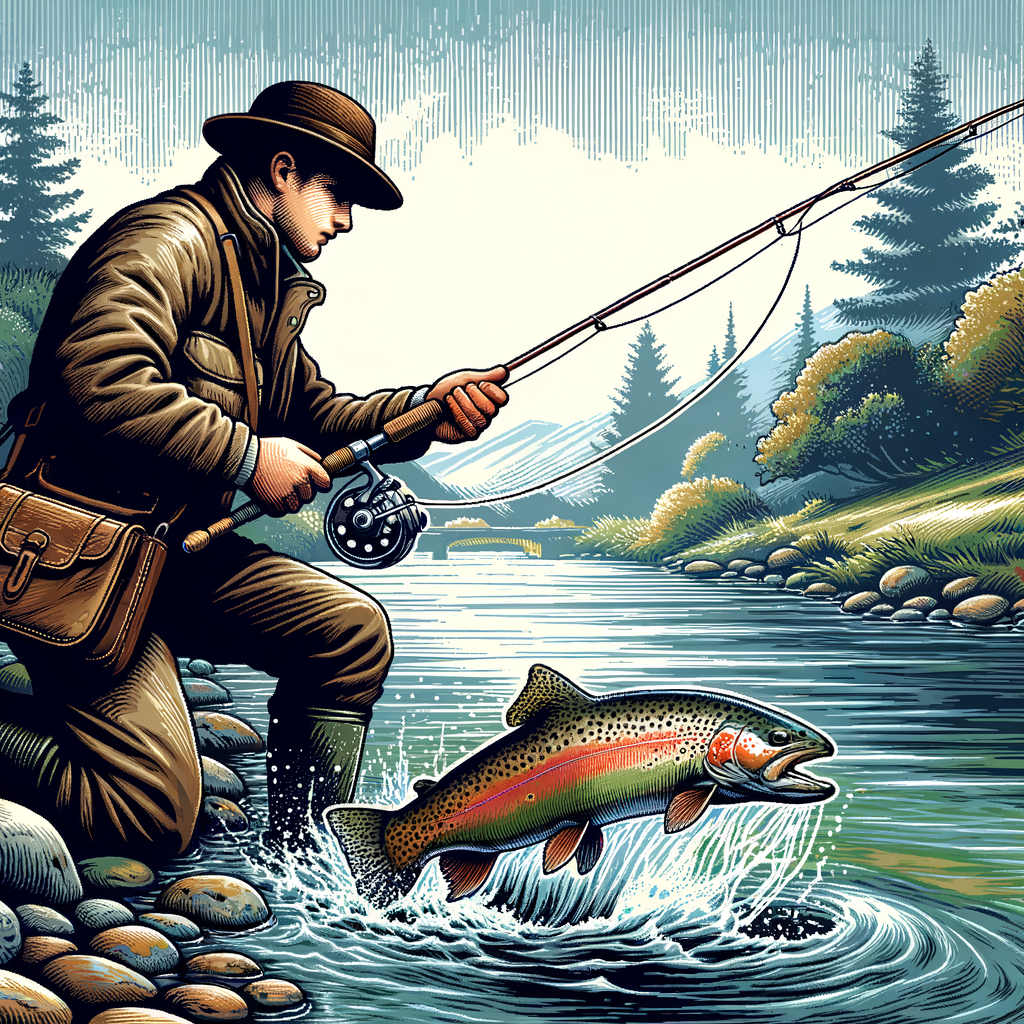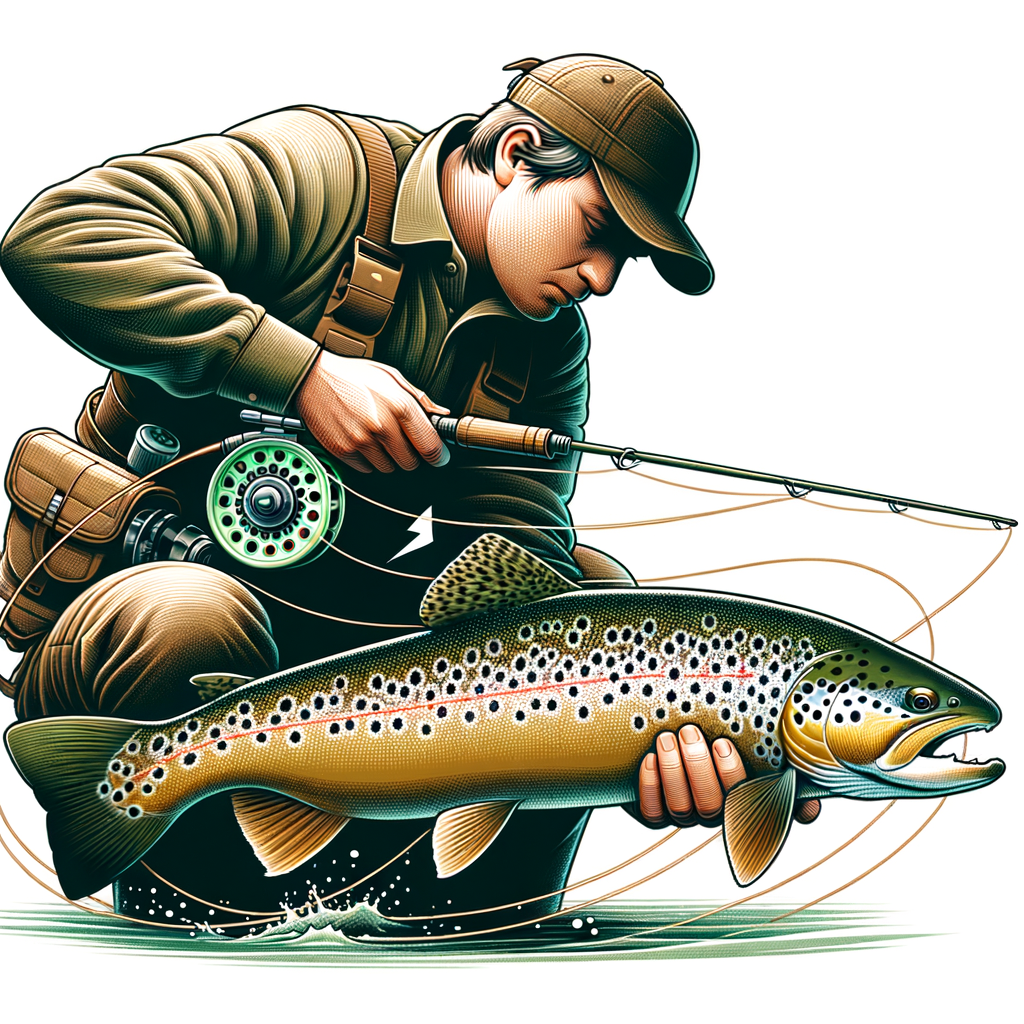
Fly fishing is an angler’s paradise, offering a serene and exhilarating way to connect with nature. Mexico, with its diverse water bodies ranging from pristine coastal waters to majestic rivers and tranquil lakes, presents an enticing destination for this rewarding sport. Fly fishing involves casting lightweight artificial flies to catch fish, requiring both skill and patience. This technique differs from traditional fishing due to its use of a flexible rod and lightweight line, which mimic the natural movement of insects or baitfish. Understanding this unique method can make all the difference in effectively attracting and catching fish.
Mexico’s diverse aquatic environments, rich in tropical and saltwater fish species, provide a thrilling challenge to both novice and seasoned anglers. Fly fishing in Mexico is a unique experience, blending sport with scenery, culture, and the potential for a world-record catch. Whether you are pursuing bonefish in the vibrant flats of Ascension Bay or aiming for bass in the highland lakes, understanding the dynamics of Mexico’s distinct habitats and employing specific techniques is crucial for success. Exploring this beautiful country’s waters opens up endless possibilities and exciting challenges for fly fishing enthusiasts.
Understanding Mexico’s Fly Fishing Hotspots
Mexico is endowed with an abundance of fly fishing hotspots that cater to a variety of fishing preferences. Ascension Bay, located in the Yucatán Peninsula, is renowned for its superb flats fishing, specifically targeting species like bonefish, permit, and tarpon. These vibrant flats are characterized by their shallow waters and abundant marine life, creating a perfect environment for sight fishing. Here, anglers can wade through the crystalline waters, visually searching for fish and presenting their flies in a natural manner. A real-world example is the annual travel of fly fishing enthusiasts to the bay to partake in saltwater fly fishing tournaments, seeking to outmatch each other in skill and size of the catch.
In contrast, Mexico’s freshwater lakes, such as Lake Huites and Lake El Salto, are famous for their largemouth bass. Set amidst stunning mountainous backdrops, these lakes offer a serene environment with the thrill of hunting for that prized bass. Techniques differ significantly between saltwater and freshwater environments. Fly anglers at Lake Huites often use surface poppers and streamers to mimic prey, enticing bass into explosive strikes. For those entranced by freshwater pursuits, the Mexican highlands offer a rewarding fishing experience filled with potential and beauty.
Choosing the Right Gear for Mexican Waters
Selecting the appropriate gear is pivotal when embarking on a fly fishing journey in Mexico. The choice of rod, reel, line, and flies must be tailored to the specific environment and target species. In saltwater, robust gear is essential to handle the strength and speed of game fish. A popular choice for coastal fly fishing, particularly in flats like Ascension Bay, is a 9-weight rod paired with a sturdy reel capable of withstanding saltwater corrosion. Anglers often use lightweight tropical floating lines suitable for delicate presentations in warm weather.
In freshwater scenarios, such as targeting bass in Mexico’s lakes, a 6 to 8-weight rod typically suffices. Anglers may opt for floating or sinking lines based on fishing depth and conditions. Effective fly patterns for these settings include Clouser Minnows and Woolly Buggers, which resemble the small fish and insects predator fish like to feed on. Experimentation with various combinations is crucial to finding the perfect setup for each unique setting.
Mastering Fly Casting Techniques
To effectively engage in fly fishing, mastering casting techniques is essential. Precision, timing, and understanding environmental factors all play a role in successful casts. In Mexico’s expansive flats, wind can significantly impact casting. Here, anglers often employ the double haul technique to improve line speed and counteract gusts. This involves a dual acceleration of the line during cast, bolstering control and distance. Practicing in local conditions, as seen in pre-competition training at Ascension Bay, helps anglers adapt and perfect their technique for optimal performance.
Similarly, precision casting is vital in freshwater to avoid spooking fish in clear, tranquil lakes. Roll casting is a popular technique used in these calmer environments, allowing anglers to gently place flies on the water’s surface with minimal disturbance. This method is particularly useful when fishing in densely vegetated areas or when a back cast is not feasible.
Fly Patterns and Their Importance
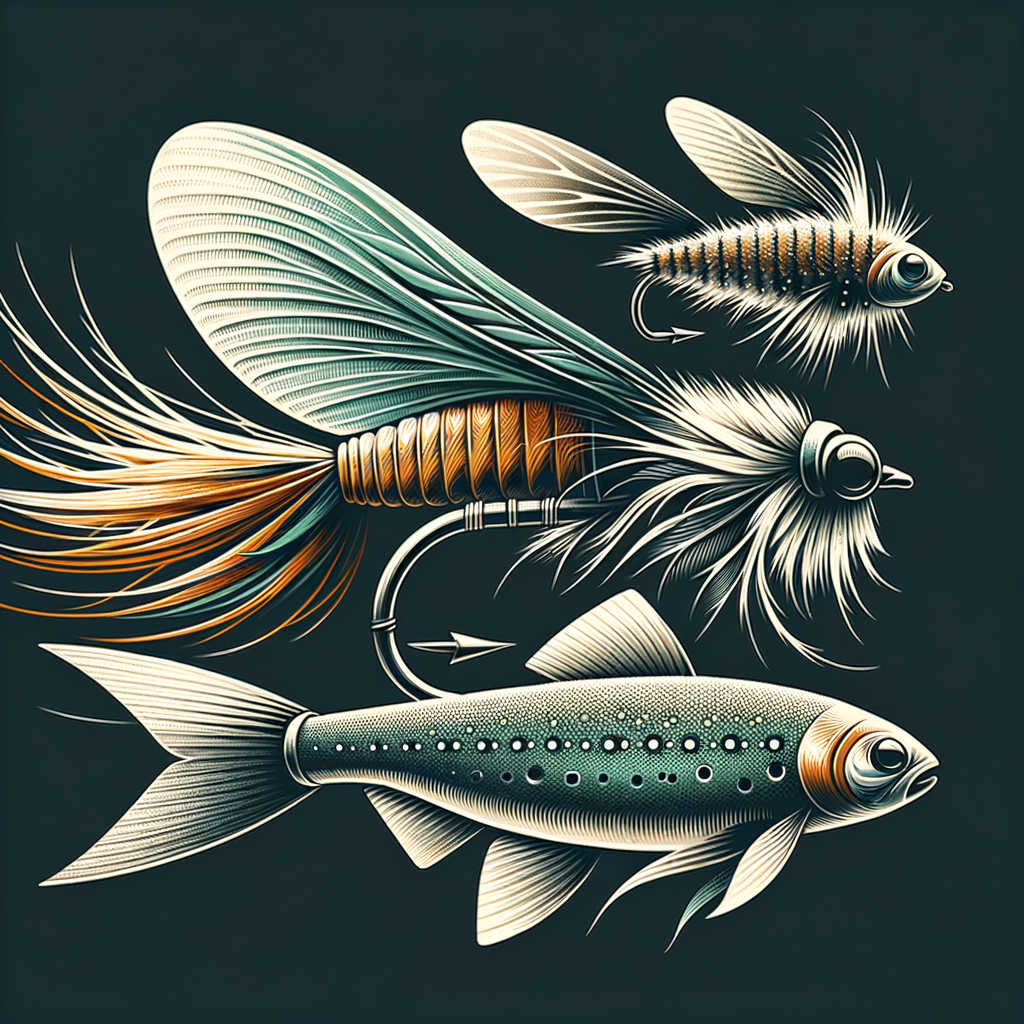
The success of any fly fishing trip heavily relies on the correct selection of fly patterns that match the local forage. Understanding the diet of target species and their natural prey is crucial. In coastal areas, popular patterns include shrimp, crab, and baitfish imitations to attract saltwater species such as permit and snapper. Fly fishing lodges in regions like Punta Allen often incorporate local guides knowledgeable about the best times and patterns for specific fish, enhancing tourists’ chances of a successful day on the water.
In freshwater, patterns such as poppers and streamers mimic small amphibians and injured baitfish, essential for attracting bass. Lakes with dense insect populations prompt the use of dry flies, which float on the surface to mimic live insects. Anglers must frequently adapt and test various patterns to determine the most effective in that location, as demonstrated in the dynamic environment of Lake El Salto, where changing seasonal conditions alter fish behavior and food availability.
Preserving Mexico’s Fly Fishing Environment
Sustainability is a crucial aspect of maintaining Mexico’s fly fishing allure. Conservation efforts, such as catch and release practices, help sustain healthy fish populations and aquatic ecosystems. Policies against overfishing in regions like the Sian Ka’an Biosphere Reserve, an area heavily trafficked for its fishing prospects, contribute to the preservation of biodiversity and foster long-term livelihoods reliant on fishing tourism.
The implementation of educational programs and community partnerships further supports conservation. These initiatives, championed by local fishing organizations, ensure that fly fishing remains sustainable for future generations, and preserve the cultural and natural heritage of Mexico’s waterways.
Fly fishing in Mexico involves not just engaging with the sport but contributing to the ongoing preservation of these magnificent environments.
| Location | Target Species | Recommended Gear | Common Fly Patterns |
|---|---|---|---|
| Ascension Bay | Bonefish, Permit, Tarpon | 9-weight rod, Saltwater reel | Shrimp, Crab Impressions |
| Lake Huites | Largemouth Bass | 6 to 8-weight rod, Sinking line | Streamers, Poppers |
| El Salto | Bass | 7-weight rod, Floating line | Woolly Buggers, Dry Flies |
Conclusion
Embracing the adventures of fly fishing in Mexico requires preparation, understanding, and appreciation for the country’s exquisite ecosystems. Mastering the specific techniques, gear, and locations can tremendously enhance your fly fishing experience and ensure a successful trip. The diversity of Mexico’s waters – from the vivid saltwater flats of Ascension Bay to the serene freshwater lakes of the Mexican highlands – offers unparalleled opportunities for angling enthusiasts seeking both challenge and tranquility.
In summary, aspiring fly fishers can benefit significantly from exploring Mexico’s varied aquatic environments coupled with tailored fly fishing strategies. The insights gathered here should serve as a foundation to prepare and plan for that unforgettable fishing adventure. Anglers are encouraged to learn locally from experienced guides, practice sustainable fishing methods, and immerse themselves in Mexico’s rich natural and cultural landscapes.
Begin planning your fly fishing journey to Mexico today, where the promise of splendid catches and serene landscapes beckons. With the right knowledge and preparation, your angling adventure is bound to be an extraordinary experience filled with rewards and memories.
Embrace the sport, enjoy the beauty, and contribute to the sustainable enjoyment of these magnificent resources. Dive into the world of Mexican fly fishing – the waters are waiting.
Ready to embark on your fly fishing journey? Conduct thorough research, ample preparation, and connect with local experts to tailor your own unique adventure. Take action and discover what makes Mexico a top-tier fly fishing destination today!
Frequently Asked Questions
1. What makes fly fishing in Mexico unique compared to other destinations?
Fly fishing in Mexico is truly a one-of-a-kind experience due to its breathtaking geographical diversity. Mexico boasts an extensive variety of water bodies, ranging from serene coastal waters along the Pacific Ocean and the Gulf of Mexico to stunning inland rivers and lakes nestled in picturesque landscapes. The country offers everything from saltwater fishing for magnificent species like bonefish, permit, and tarpon, which draw anglers from all over the world, to freshwater fishing for species like bass in secluded rivers and streams.
Mexico’s fly fishing hotspots, such as Ascension Bay in the Yucatán Peninsula and Lake El Salto in Sinaloa, feature abundant fish populations and incredible biodiversity. Moreover, the cultural richness and warmth of the Mexican people add another layer of excitement and discovery to your fly fishing adventures here. It is indeed the combination of diverse fishing environments, rich cultural landmarks, and jaw-dropping scenery that makes fly fishing in Mexico a bucket-list-worthy adventure.
2. What are some essential techniques for successful fly fishing in Mexico’s coastal waters?
Fly fishing in Mexico’s coastal waters can be both thrilling and rewarding if done with the right techniques. One of the most critical skills to master is the saltwater double haul cast. This involves loading the rod with more speed and line length, enabling you to cast further in windy conditions often encountered on open water flats.
Patience and keen observation are also vital, as you’ll need to spot fish swimming in shallow water. Polaroid sunglasses can help reduce glare and make it easier to spot fish. When you see a target, make sure to cast just ahead of them. Use flies that mimic shrimp or baitfish, as these are the primary food sources for the popular saltwater species found here, such as bonefish, tarpon, and permit.
Being mindful of tides and weather patterns is also crucial. Ideal conditions include incoming tides, when fish tend to move closer to the shore to feed. Lastly, practicing catch-and-release and respecting local fisheries guidelines ensures sustainability and preservation of this beautiful sport.
3. What should anglers know about the equipment needed for fly fishing in Mexico?
When preparing for fly fishing in Mexico, selecting the right equipment is essential to have a successful trip. Rods in the 8-10 weight range are suitable for targeting larger saltwater species like permit, tarpon, and bonefish. As these fish are typically found in tropical environments, opt for a rod with a fast action to handle larger flies and windy conditions efficiently.
To complement your rod, choose a saltwater reel equipped with a strong drag system to handle the powerful runs of saltwater species. The line should be a tropical weight forward floating line, designed to perform well under the intense Mexican sun and varying water temperatures you will encounter.
Don’t forget a good selection of flies, with patterns that replicate the local environment. Good examples are Crab, Shrimp, and Clouser Minnows. Additionally, a solid pair of wading boots or barefoot wading socks for comfort, polarized sunglasses to cut glare off the water’s surface, sun-protective clothing, and a waterproof backpack to safeguard essentials during your escapades are must-have items.
4. What are some popular fly fishing locations in Mexico and the species you can find there?
Mexico’s fly fishing locations are as diverse as it gets, offering both saltwater and freshwater fly fishing opportunities. One of the most renowned areas is Ascension Bay in the Yucatán Peninsula. This region is known for its incredible saltwater flats and an abundance of bonefish, permit, tarpon, snook, and even barracuda. The picturesque setting against a backdrop of crystal-clear waters makes Ascension Bay a top notch destination for fly anglers.
For freshwater enthusiasts, Lake El Salto in Sinaloa is a top choice. It’s legendary for largemouth bass fishing, consistently yielding trophy-sized catches. Meanwhile, southern regions like the Chiapas highlands provide an opportunity to fly fish in forested mountain streams, where anglers can catch rainbow and brown trout.
Other notable spots include the Baja Peninsula, with diversified angling pursuits along its coasts, offering roosterfish, marlin, and yellowfin tuna. Whether you fancy the challenge of salty flats or serene freshwater rivers and coves, Mexico has an ideal location for every fly fisher.
5. When is the best time to go fly fishing in Mexico?
The best time to fly fish in Mexico largely depends on the species you are targeting and the specific region you are heading to. For instance, if saltwater species like bonefish, tarpon, and permit excite you, visiting from April to August is ideal. During this period, water temperatures rise, attracting these species to the flats of Yucatán and Belize, both accessible from Mexico.
For freshwater species like bass, the best time to visit Lake El Salto is between November and March, when cooler weather makes for comfortable fishing adventures. Generally speaking, avoiding the rainy season, from June to October, is advisable, as heavy rains can affect water clarity and access to some remote fishing areas.
In terms of comfort, the winter months from November to March typically provide milder temperatures, making it more pleasant to spend extended periods casting on the water. Ultimately, planning in regard to species of interest and understanding the local weather nuances can make all the difference in enjoying an exhilarating fly fishing journey in Mexico.