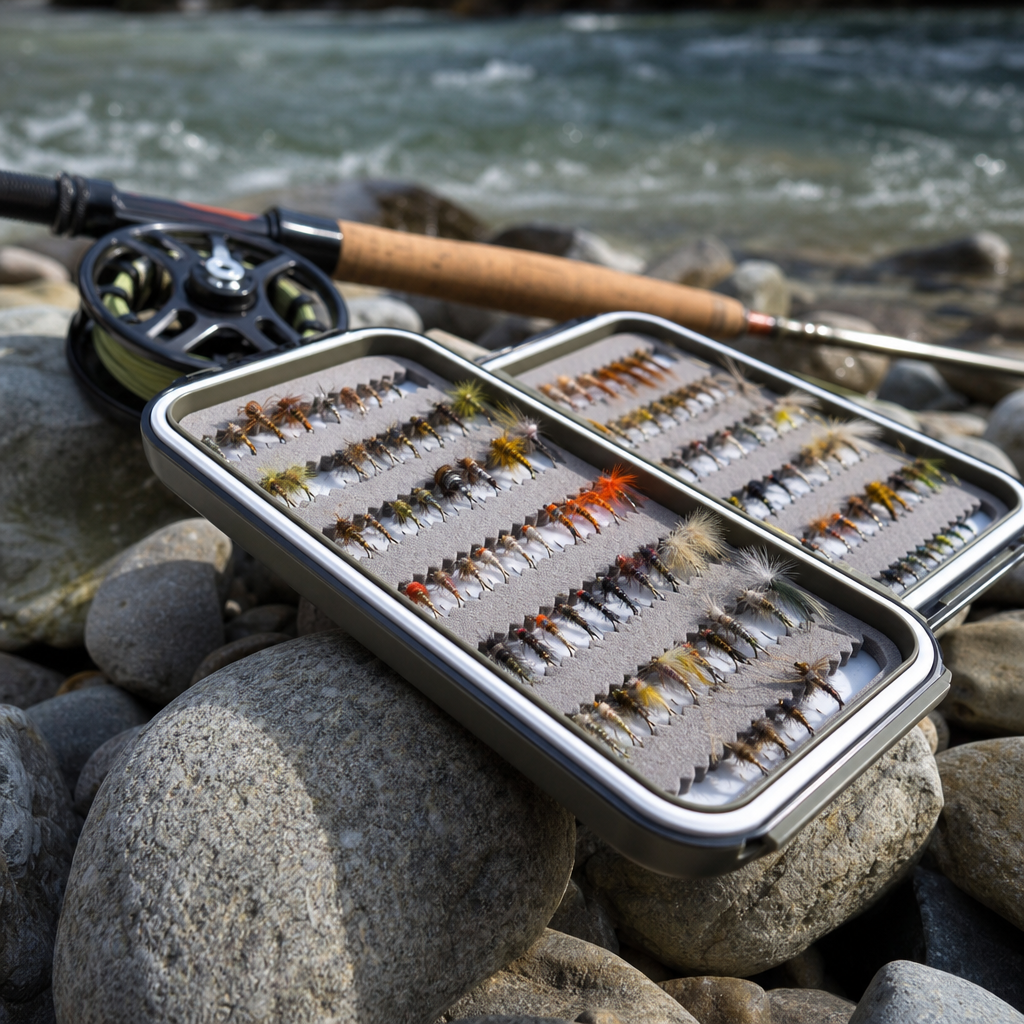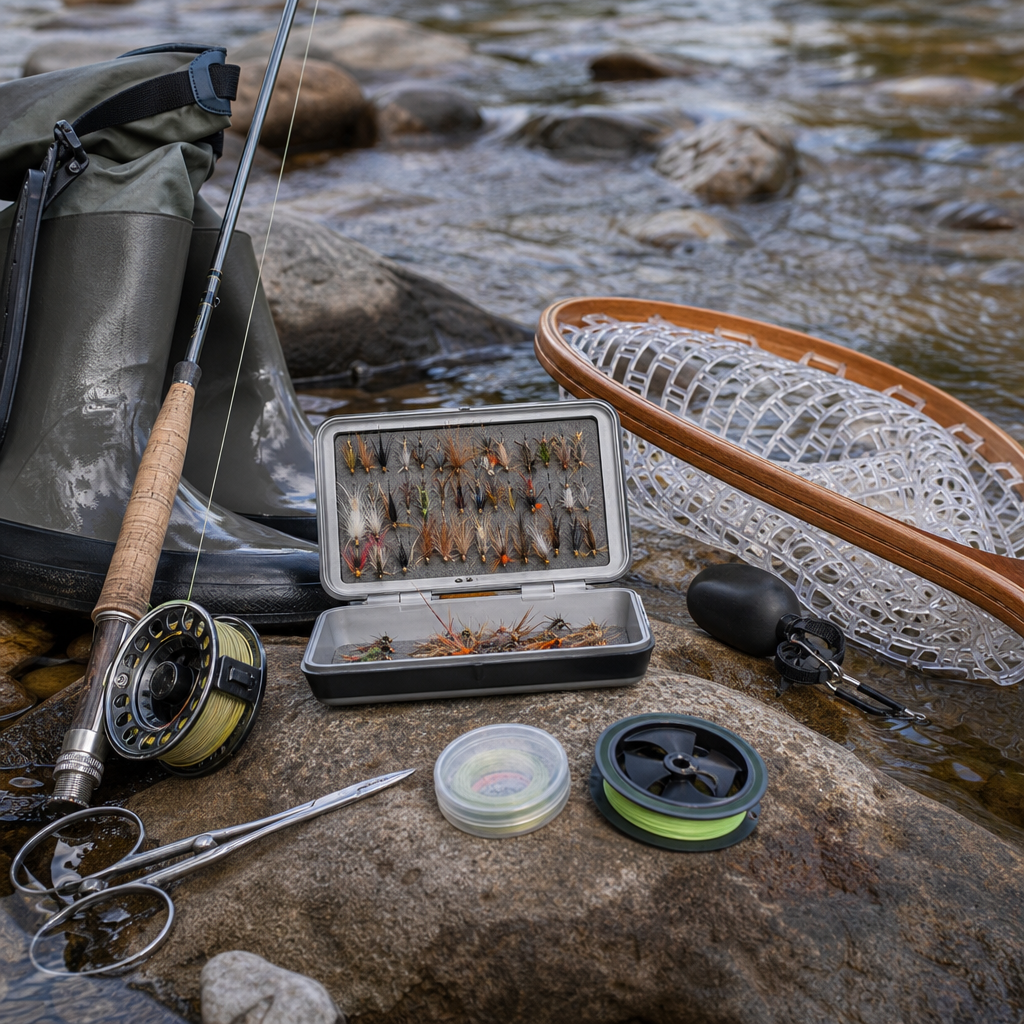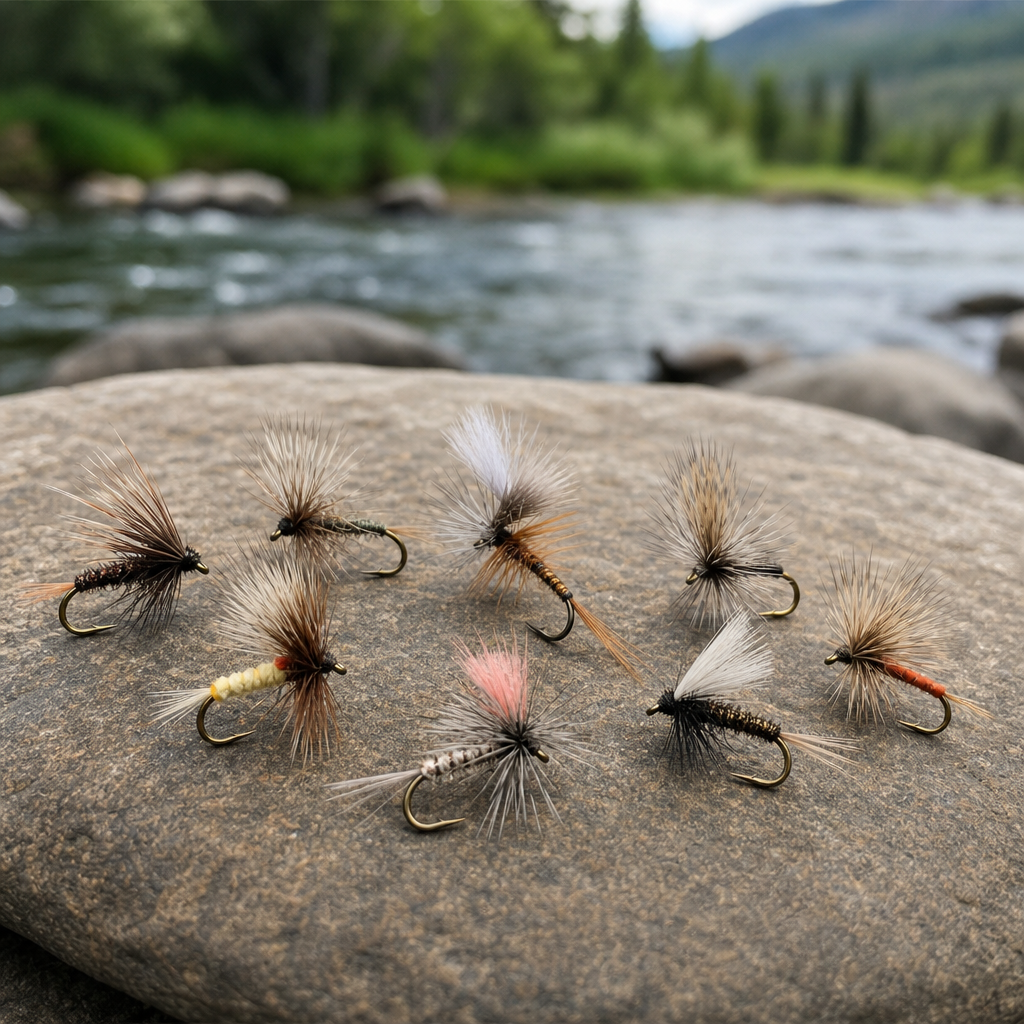
Choosing the right dry fly for trout fishing is one of the fastest ways to improve surface action, hook more selective fish, and build a fly box that works across rivers, creeks, spring creeks, and freestone streams. A dry fly is any artificial fly designed to float on the water’s surface and imitate adult aquatic insects, terrestrials, or other food items that trout eat in the film. In practical terms, these patterns matter because trout often inspect surface food closely, especially in clear water, slow seams, and heavily pressured fisheries. I have spent years testing dry flies on Western tailwaters, Appalachian pocket water, and small meadow streams, and the same lesson repeats everywhere: a handful of proven patterns consistently outfish an oversized, disorganized box.
This guide to the top 10 dry flies for trout fishing serves as a hub for fly reviews, helping anglers understand not just which patterns to carry, but when each fly excels, what it imitates, how to fish it, and where it fits in a broader trout strategy. The flies below are not random favorites. They are foundational patterns with long track records, reliable floatation, and strong versatility across hatches and water types. Some are exact enough for technical situations, while others are suggestive patterns that trigger takes when trout are opportunistic. If you want a practical starting point for product reviews and recommendations, these are the dry flies worth learning first.
What Makes a Great Dry Fly for Trout
A great dry fly does three things well: it matches a food form trout recognize, lands naturally, and remains visible and buoyant long enough to drift through the strike zone. Materials matter. Deer hair adds floatation, hackle supports a fly on rough water, CDC gives lifelike movement in softer currents, and parachute posts improve visibility. Hook shape and proportions matter too. A pattern tied on a standard dry-fly hook in sizes 12 through 20 covers much of the trout world, but body taper, tail length, and hackle density determine whether the fly rides high, flush, or somewhere in between.
From a buying perspective, the best dry flies are not always the most intricate. I have found that durability, consistency from one fly to the next, and correct sizing are more important than artistic tying. Premium brands and quality commercial tiers usually produce cleaner hackle wraps, stronger thread heads, and better silhouettes. For hub-level fly reviews, it also helps to judge each fly by use case: hatch matching, searching, fast water, flat water, visibility, and ease of presentation. That framework makes your fly box more efficient and helps link naturally to deeper reviews of individual mayfly, caddis, hopper, and attractor patterns.
Top 10 Dry Flies for Trout Fishing
The ten patterns below cover most dry-fly trout fishing situations in North America and many abroad. They include exact imitations, attractors, and crossover patterns that fish effectively when no obvious hatch is visible.
| Fly | Best Use | Typical Sizes | Key Strength |
|---|---|---|---|
| Parachute Adams | General mayfly match, searching | 12-20 | Versatility across many hatches |
| Elk Hair Caddis | Caddis hatches, rough water | 12-18 | Excellent floatation and visibility |
| Royal Wulff | Fast water, prospecting | 10-16 | High visibility attractor profile |
| Stimulator | Stoneflies, attractor fishing | 6-16 | Buoyant, supports dropper rigs |
| Blue Winged Olive | Small mayfly hatches | 16-22 | Reliable in cool, overcast conditions |
| Pale Morning Dun | Summer mayfly matching | 14-18 | Critical on technical Western rivers |
| Griffith’s Gnat | Midges, clusters | 18-24 | Deadly during subtle surface feeding |
| Comparadun | Flat water mayfly presentations | 14-20 | Flush-floating realistic silhouette |
| Hopper | Late summer terrestrial fishing | 8-14 | Draws aggressive takes near banks |
| Ant | Terrestrial season, pressured trout | 14-20 | Simple profile trout trust easily |
The Parachute Adams remains the most dependable all-around dry fly for trout fishing. It suggests a broad range of mayflies without being locked into one hatch, and the parachute post lets anglers track the fly in glare and riffles. In my experience, sizes 14 through 18 handle most situations. When anglers ask for one dry fly to start with, this is the answer because it catches fish in freestone streams, tailwaters, and even lakes during callibaetis activity.
The Elk Hair Caddis is the standard caddis dry because its elk hair wing and palmered hackle keep it riding high even in broken water. During summer caddis hatches, especially evenings, trout often slash at skittering adults. This pattern can dead drift, twitch, or skate lightly. Tan, olive, and brown cover the majority of natural caddis species. If you fish pocket water or mountain streams, this fly earns permanent space in the box.
The Royal Wulff and the Stimulator are classic attractors. They do not always imitate one exact insect, but they trigger reaction strikes and remain visible in complex currents. The Royal Wulff is ideal when you need a buoyant searching fly in fast water. The Stimulator, often tied in orange, yellow, or golden stone tones, doubles as a stonefly adult imitation and a dry-dropper anchor. On many rivers, a size 10 or 12 Stimulator with a nymph below covers water efficiently from June through early fall.
For hatch-specific work, Blue Winged Olive, Pale Morning Dun, Griffith’s Gnat, and Comparadun patterns become essential. Blue Winged Olive hatches are famous for cool, cloudy weather and can bring steady surface feeding in spring and fall. Pale Morning Duns are central to summer trout fishing on many Western rivers, particularly technical tailwaters and spring creeks where fish reject overdressed flies. Griffith’s Gnat shines when trout sip tiny midges or midge clusters with almost no surface disturbance. The Comparadun excels on flat water because its deer hair wing creates a low, delicate profile that trout accept readily during mayfly emergences.
Hoppers and ants round out the list because terrestrial fishing routinely saves slow days. Wind knocks land insects into the water throughout summer and early autumn, and trout learn to patrol grassy banks, undercut edges, and foam lines for them. Foam hoppers are easy to see and durable enough for repeated casts tight to structure. Ant patterns, especially black and cinnamon versions, are small but remarkably effective on selective fish. When no hatch is apparent, a careful drift with an ant often produces the kind of refusal-free eat anglers wish they saw more often.
How to Match Dry Flies to Conditions
Selecting among the top 10 dry flies for trout fishing starts with observation. First identify whether trout are eating mayflies, caddis, midges, or terrestrials. Watch rise forms. Splashy, aggressive takes near dusk often suggest caddis or larger attractors. Gentle head-and-tail rises in soft seams often point to mayflies or midges. Next, compare size before color. Trout usually key on silhouette and dimensions first. If natural insects on the water are size 18 olive mayflies, a size 16 yellow pattern is rarely close enough on difficult fish.
Water type also drives pattern choice. High-floating flies like the Elk Hair Caddis, Royal Wulff, and Stimulator are better in riffles, broken pocket water, and currents that drown delicate dressings quickly. Lower-riding patterns like the Comparadun or a sparse Blue Winged Olive are stronger in slicks, spring creeks, and tailouts where trout get long looks. During terrestrial season, fish hoppers along grassy cutbanks, meadow undercuts, and banks with overhanging vegetation. Ants excel after rain or on warm afternoons when no aquatic hatch is obvious.
Light and weather matter more than many anglers realize. Overcast days commonly improve Blue Winged Olive activity. Hot afternoons push hopper fishing. Evening often favors caddis adults. Calm conditions increase the need for finesse and exact profiles, while choppy water lets you fish attractors more confidently. If you are building a review-driven hub page, this is the core buying advice: choose dry flies by insect category, water type, and visibility needs rather than by popularity alone.
Presentation, Gear, and Common Buying Mistakes
Even the best dry flies fail with poor presentation. Drag is the biggest problem. A perfect Parachute Adams skating unnaturally across a seam will be refused by trout that would have eaten the same fly on a dead drift. Use longer leaders in clear, slow water, usually 9 to 12 feet, and match tippet diameter to fly size. For size 12 to 14 dries, 4X or 5X often works. For size 16 to 20 mayflies and midges, 5X to 7X may be necessary. A supple leader butt and reach cast can buy extra drag-free drift.
Rod choice influences control. A 4-weight or 5-weight fly rod between 8’6″ and 9′ handles most dry-fly trout fishing well. Softer actions protect light tippet and improve close-range accuracy, while faster actions help in wind and on larger rivers. Floatant matters too. Gel floatant works well on hair-wing and hackled flies, while powdered desiccant revives CDC and small technical dries after fish slime or repeated false casts. I routinely carry both because one product does not serve every material equally well.
The biggest buying mistakes are overloading on obscure patterns, ignoring size range, and choosing cheap flies tied with poor materials. A box full of bargain dries with weak hackle, brittle deer hair, or oversized heads creates more frustration than value. It is smarter to buy proven patterns in multiple sizes and a few color variations. For most anglers, that means two or three each of the Parachute Adams, Elk Hair Caddis, Stimulator, PMD, BWO, Griffith’s Gnat, a hopper, and a couple of ant styles. That selection covers more real fishing than dozens of novelty patterns.
As a hub for fly reviews, this topic also benefits from organizing future content around categories anglers actually search for: best dry flies for summer trout, best caddis dry flies, best mayfly imitations, top hopper patterns, and best dry-dropper flies. Those supporting articles can review brands, hook quality, floatation, durability, and fishability in more detail, while this page anchors the subtopic with a practical overview of what belongs in a trout angler’s dry-fly system.
Building a Reliable Dry-Fly Box
The best dry-fly box is not the largest one; it is the one that lets you respond quickly to what trout are eating. Start with a balanced spread: attractors, mayflies, caddis, midges, and terrestrials. Then duplicate proven producers in sizes you lose most often. On many trout rivers, that means carrying size 14 to 18 mayflies, size 14 to 16 caddis, a few larger stimulators, and late-season terrestrials in size 8 to 16. Include both high-riding and flush-floating options. That combination handles rough freestone drifts, selective tailwater fish, and opportunistic bank feeders without constant repacking.
The top 10 dry flies for trout fishing endure because they solve recurring problems on the water. The Parachute Adams covers uncertainty. The Elk Hair Caddis handles rough current and evening activity. The Royal Wulff and Stimulator search efficiently and stay visible. Blue Winged Olive, Pale Morning Dun, Griffith’s Gnat, and Comparadun answer technical feeding situations. Hoppers and ants capitalize on one of trout fishing’s most reliable seasonal food sources. Together, they form the foundation of smart fly reviews and product recommendations because they are useful, proven, and relevant to almost every trout angler.
If you are refining your box under the broader product reviews and recommendations category, begin with these patterns, test them on your local water, and build outward only after identifying real gaps. That approach saves money, simplifies decisions streamside, and puts more trout on the end of your line. Use this hub as your starting point, then explore deeper fly reviews by hatch type, season, and brand quality to create a dry-fly selection that is practical instead of random.
Frequently Asked Questions
What makes a dry fly effective for trout fishing?
An effective dry fly does two things well: it matches something trout are willing to eat on the surface, and it rides naturally enough that fish do not reject it at the last second. Trout can be surprisingly selective, especially in clear water, slow seams, spring creeks, and heavily pressured rivers. A productive dry fly usually imitates the overall size, shape, silhouette, and behavior of the insects or food sources trout are focused on, whether that is mayflies, caddis, midges, terrestrials, or stoneflies. Exact imitation can matter during strong hatches, but in many situations a well-chosen attractor dry fly also works because it suggests food without needing to copy one insect perfectly.
Floatation and visibility also matter. A dry fly that stays high in the surface film is easier to track and more likely to drift correctly through feeding lanes. Patterns such as the Parachute Adams, Elk Hair Caddis, Royal Wulff, and Stimulator have remained popular because they combine fish appeal with practical fishability. They are visible to anglers, buoyant in mixed water, and versatile across many trout streams. Ultimately, the best dry flies are effective because they inspire confident takes while remaining easy to present drag-free, which is often the deciding factor between refusals and hookups.
How do I choose the right dry fly for different trout waters like rivers, creeks, spring creeks, and freestone streams?
Choosing the right dry fly starts with understanding the character of the water you are fishing. On freestone streams and pocketwater rivers, trout usually have less time to inspect a fly, so buoyant, easy-to-see patterns often shine. Flies like a Stimulator, Royal Wulff, or larger Parachute Adams can be excellent because they float well in broken currents and suggest a wide range of insects. In these environments, a general impression is often more important than exact detail, and high-floating dries help you maintain better drifts through turbulent water.
On spring creeks and slow, clear flows, trout typically get a much longer look at a fly. That means size, profile, and presentation become especially important. Smaller and more refined patterns, such as CDC-style dries, comparaduns, or a carefully matched mayfly imitation, often outperform bushier attractors when fish are feeding selectively. In creeks with grassy banks, terrestrials like ants, beetles, and hoppers can be top producers in summer because trout see them frequently. On larger rivers, your choice may shift throughout the day depending on whether fish are rising to emergers in slicks, caddis in riffles, or opportunistic attractor patterns near banks and current edges. A strong all-around dry fly box should cover classic mayflies, caddis, attractors, and terrestrials in a range of sizes so you can adapt quickly to different trout water.
Which dry fly patterns belong in a top 10 list for trout, and why are they so dependable?
While every angler has personal favorites, several dry fly patterns consistently earn a place on any serious top 10 list because they catch trout across seasons and water types. The Parachute Adams is widely considered one of the most versatile dry flies ever created because it can suggest many mayflies and even small mixed hatches. The Elk Hair Caddis is another essential because caddis are common in trout streams, and the pattern floats well in rough water while imitating both adults and skittering behavior. The Blue Winged Olive is critical during cool, overcast, and shoulder-season conditions when trout key on small mayflies. The Pale Morning Dun is a must where PMD hatches are common, especially on Western rivers and spring creeks.
Other dependable picks often include the Griffith’s Gnat for midge clusters and tiny surface feeders, the Stimulator for stoneflies and attractor fishing, the Royal Wulff for searching broken water, and terrestrial patterns like foam ants, beetles, and hoppers during summer. Some anglers also include a classic Adams, a CDC comparadun, or an Irresistible-style attractor depending on the region. These patterns are dependable because together they cover the main categories of trout food on the surface: mayflies, caddis, midges, stoneflies, and terrestrials. A top 10 list is not just about famous names; it is about selecting flies that solve real fishing situations and give you confidence when trout are rising.
How important are size, color, and presentation when fishing dry flies for trout?
All three matter, but presentation usually comes first. You can have the perfect fly pattern in the exact right color and still fail if it drags unnaturally across the current. Trout feeding on the surface are often watching for subtle clues that something is wrong, and drag is one of the biggest reasons they refuse a fly. A dead-drift is the standard presentation for many dry fly situations, particularly with mayflies and midges. That means the fly should float naturally at the same speed as the surrounding current without creating a wake. Good mending, proper casting angles, and enough slack in the leader all help achieve this.
Once presentation is under control, size is often the next most important factor. Trout frequently key in on the general size of available insects before they focus on exact shade or fine detail. If fish are eating size 20 blue-winged olives and you are offering a size 14 attractor, refusals are likely even if the fly looks good to you. Color can matter too, especially during specific hatches, but anglers often overestimate its importance compared with silhouette and drift. In practical terms, if trout are rising and ignoring your fly, first improve the drift, then adjust size, and finally fine-tune the pattern and color. That progression solves a large percentage of dry fly problems on the water.
How should I build and fish a dry fly box so I am ready for selective trout all season long?
A practical dry fly box should be built around coverage rather than clutter. Instead of carrying dozens of near-duplicate patterns, focus on proven categories that match the main surface foods trout see throughout the year. Start with versatile mayfly patterns such as the Parachute Adams, Adams, Blue Winged Olive, and Pale Morning Dun in multiple sizes. Add caddis patterns like the Elk Hair Caddis in tan, olive, and black. Include attractor flies such as the Royal Wulff and Stimulator for fast water and searching. Then round out the box with essential terrestrials, especially foam ants, beetles, and hoppers for summer fishing. If your local streams have strong midge activity, a Griffith’s Gnat or similar cluster pattern is also important.
Organization matters as much as selection. Keep flies grouped by type and size so you can make quick changes when trout begin feeding on a hatch. Carry floatant, desiccant, and amadou or drying patches to keep your dries riding correctly after repeated fish or false casts. On the water, begin with a searching pattern if no obvious hatch is occurring, then switch to a closer match when you observe rises, shucks, or adult insects. Watch how trout are feeding: splashy rises may suggest caddis, while gentle sips often point to mayflies or midges. A well-built dry fly box is not just a collection of flies; it is a system that helps you respond to changing conditions with confidence, efficiency, and better odds of fooling selective trout.