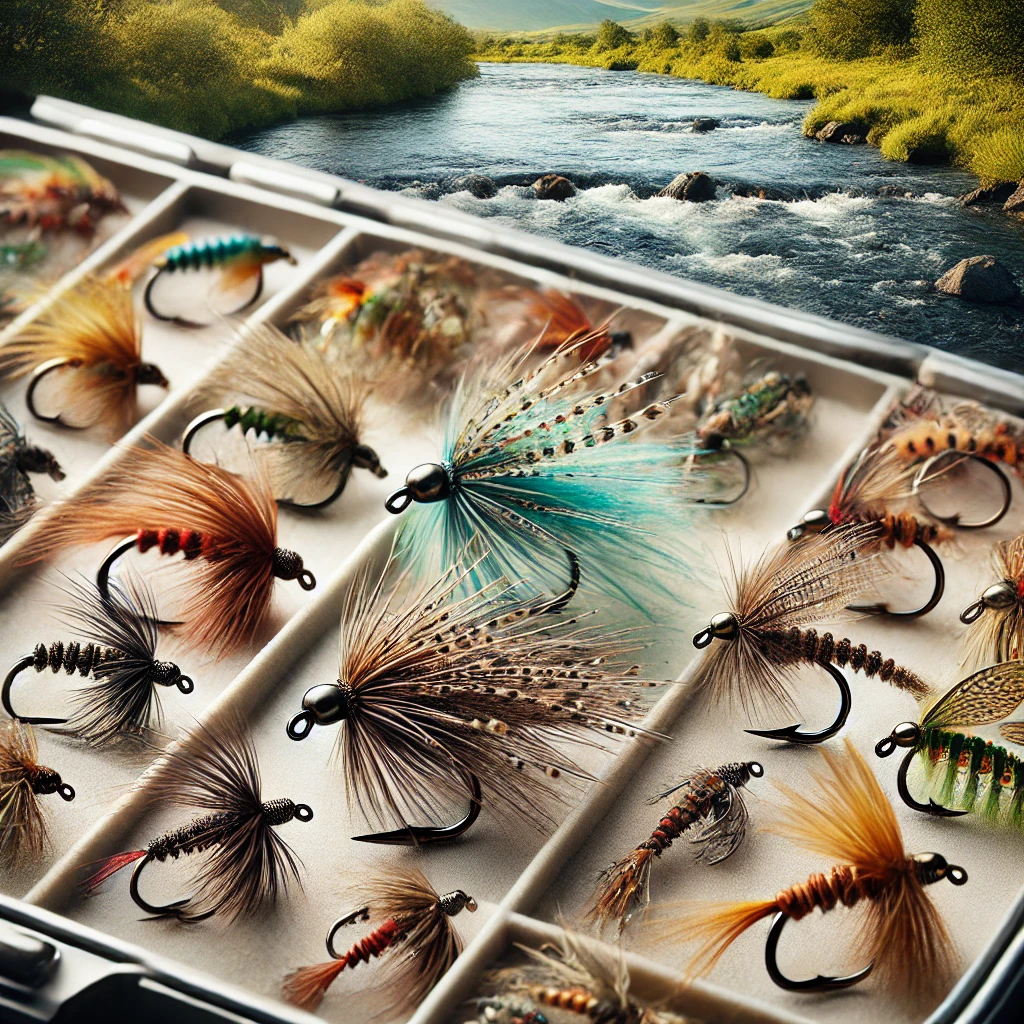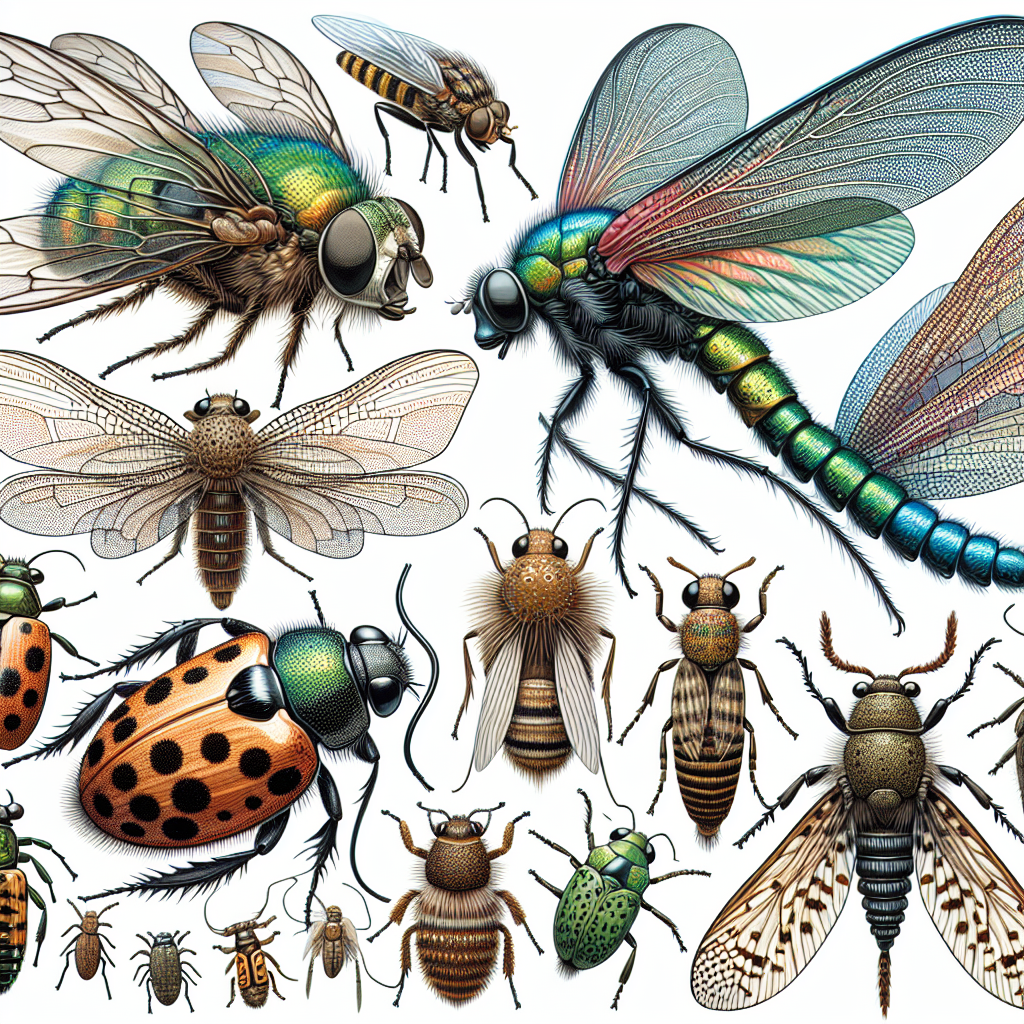
Fly fishing is a captivating and rich tradition that has attracted countless enthusiasts to the peaceful and scenic waters where trout dwell. Among the various flies used to entice trout, beetle patterns, classified under terrestrial flies, hold a special place. This article delves into the intricacies of beetle patterns, exploring their origins, their effectiveness in different fishing scenarios, and how to tie these enticing flies.
Introduction
When it comes to fly fishing, the beauty lies in the detail. Crafting the perfect fly pattern involves understanding the natural prey of trout and mimicking it with intricacy. Beetle patterns are a prime example of terrestrial flies that can be highly effective in attracting trout. These flies imitate the appearance and behavior of beetles that often find their way into water bodies during warmer months.
Terrestrial insects, unlike aquatic ones, live on land. However, they sometimes find themselves in the water, becoming unexpected but welcomed treats for trout. Beetles, in particular, are quite common around rivers and streams. The effectiveness of beetle patterns in fly fishing stems from their frequency and the trout’s familiarity with them as a food source.
Fishermen have long used beetle patterns due to their simplicity and high catch rates. Whether you’re a seasoned fly fisherman or a beginner, using beetle patterns can greatly enhance your chances of a successful catch. This article aims to provide you with a comprehensive understanding of beetle patterns, from their various types to the techniques used in tying them.
Types of Beetle Patterns
Beetle patterns come in various forms, each designed to imitate different beetle species found around waters. Two popular types include the Crowe Beetle and the Foam Beetle. Each type has unique features and applications, making them versatile tools in the fly fisherman’s arsenal.
The Crowe Beetle
The Crowe Beetle, named after its creator, Pat Crowe, is a classic beetle pattern. It’s simple to tie and very effective. Its body is typically made from peacock herl, which gives it a natural iridescent appearance. The legs can be fashioned from synthetic materials, adding to the beetle’s convincing look. The Crowe Beetle is perfect for early summer months when real beetles are more frequently found around water bodies.
The Foam Beetle
The Foam Beetle is another versatile and highly effective beetle pattern. It utilizes foam to mimic the buoyancy of real beetles, ensuring that it stays afloat on the water’s surface. This type of beetle pattern often features a peacock herl body, foam back, and rubber legs. It is particularly useful in the late summer when beetle activity is at its peak.
Both of these beetle patterns can be varied in size and color to match the natural beetles found in specific locales, enhancing their effectiveness. By understanding the types of beetle patterns available, fly fishermen can make informed decisions about which pattern to use in different situations.
When and Where to Use Beetle Patterns
Knowing when and where to use beetle patterns is crucial for successful fly fishing. Beetle patterns are most effective during the warmer months when terrestrial insects are abundant. This typically ranges from late spring to early autumn.
Early summer is a prime time to use beetle patterns, as many beetles are active and frequently fall into the water, providing an easy meal for trout. Locations with overhanging vegetation, such as tree branches or tall grass along the banks, are ideal spots for using beetle patterns. These places often serve as sources for beetle drop-ins, creating feeding opportunities for trout.
During late summer, beetle activity peaks. Trout become conditioned to looking for them, making beetle patterns particularly effective. On hot days, when beetles are especially active, fishing these patterns can yield excellent results.
Mountain streams and smaller creeks, where beetles are apt to fall into the water, are perfect for using beetle patterns. Larger rivers and lakes can also be productive, especially around areas with abundant terrestrial vegetation. By understanding the optimal times and places to use beetle patterns, anglers can significantly increase their chances of success.

Materials for Tying Beetle Patterns
Tying your own beetle patterns can be a highly rewarding process. The basic materials for tying beetle patterns are readily available and often inexpensive. Here are the essential materials needed to get started:
Hooks
Ashley Rucks, a prominent fly tier, suggests using hooks in sizes 12-16 for beetle patterns. These sizes effectively mimic the natural size of beetles and are small enough to present naturally in water.
Body Materials
Peacock herl is a popular choice for creating the body of the beetle. Its iridescent quality closely resembles the natural sheen of many beetles. Alternatively, foam material can be used for the body to ensure buoyancy.
Legs
Rubber legs or synthetic materials like silly legs are excellent for creating realistic beetle legs. These materials add a lifelike motion to the fly, enhancing its effectiveness.
Thread
Fine, strong thread in black or brown is typically used for tying beetle patterns. The thread should be thin enough to work with delicate materials but strong enough to hold everything together securely.
By gathering these basic materials, any angler can start tying their own beetle patterns. This process not only saves money but also creates a deeper connection with the fly fishing experience.
Step-by-Step Tying Guide for a Foam Beetle
Tying a foam beetle involves a simple yet precise process. Follow these steps to create your own foam beetle pattern:
Step 1: Prepare the Hook
Place your hook in the vise and secure it tightly. Make sure the hook is positioned correctly to work on.
Step 2: Start the Thread
Begin wrapping the thread around the hook’s shank, starting from the eye and moving towards the bend of the hook.
Step 3: Attach the Foam
Cut a strip of foam about 1/4 inch wide. Align the foam on top of the hook shank and secure it with tight thread wraps at the bend of the hook. Bring the thread back to the start of the foam.
Step 4: Add the Body
Wrap a piece of peacock herl over the foam, ensuring it covers it evenly. Secure it with the thread once you’re halfway up the hook shank, cutting off any excess herl.
Step 5: Fold the Foam
Fold the foam strip over the peacock herl body, securing it with tight thread wraps at the hook eye. This creates the beetle’s back. Trim any excess foam, leaving a small piece extending over the hook eye to create a head.
Step 6: Add the Legs
Cut two pieces of rubber leg material and tie one on each side of the hook, ensuring they extend out symmetrically. Secure with thread wraps and trim the legs to the desired length.
Step 7: Finish the Fly
Create a small thread head at the hook eye, whip finish, and trim the thread. Optionally, add a dab of head cement to secure the knot. Your foam beetle is now ready to fish!
By following these steps, you can create a simple yet effective foam beetle pattern that will attract trout in various fishing conditions.
Advanced Techniques and Modifications
For those looking to take their beetle patterns to the next level, several advanced techniques and modifications can be employed. These adjustments can enhance the fly’s realism and effectiveness in different fishing scenarios.
Adding Underwings
One advanced technique is adding underwings to the beetle pattern. This involves layering a piece of flash material or synthetic fibers under the foam, creating an additional layer that mimics the natural iridescence of a beetle’s wings. This can make the fly more attractive, especially in clear water.
Color Variations
Experimenting with different colors can also yield positive results. While black is the most common color for beetle patterns, incorporating shades of brown, green, or even bright colors can be effective, especially in waters where trout are accustomed to different beetle species.
Creating a Glossy Finish
Applying a thin layer of UV resin on the beetle’s back can create a glossy finish that mimics the natural sheen of a beetle’s exoskeleton. This can add to the fly’s realism and attract more strikes.
Leg Enhancements
Using materials like knotted pheasant tail fibers for the legs instead of synthetic materials can create a more lifelike appearance. This technique adds movement to the fly, making it more enticing to trout.
By experimenting with these advanced techniques and modifications, fly tyers can create highly customized and effective beetle patterns tailored to specific fishing environments.
Conclusion
Beetle patterns are a valuable asset in the world of fly fishing, offering simplicity and effectiveness in attracting trout. Whether you are using the classic Crowe Beetle or the versatile Foam Beetle, understanding the intricacies of these patterns can significantly enhance your fly fishing experience.
By knowing when and where to use beetle patterns, gathering the essential materials, and mastering the tying process, anglers can create flies that not only save money but also foster a deeper connection to the sport. Advanced techniques and modifications allow for further customization, ensuring that your beetle patterns are as effective as possible in different scenarios.
Fly fishing is as much an art as it is a science. The joy of tying your own beetle patterns and the satisfaction of catching trout on a fly you crafted yourself is unparalleled. Whether you are a seasoned fly fisherman or just starting, the world of beetle patterns offers endless opportunities for exploration and success.