British Columbia is one of the most complete fly fishing destinations in North America because it combines wilderness scale, species diversity, reliable seasonal windows, and infrastructure that supports both first-time visitors and serious anglers. When I plan trips for anglers who want trout, salmon, steelhead, or char in one province, British Columbia consistently rises to the top. The region stretches from coastal rainforest and glacier-fed rivers to dry interior plateaus and remote northern drainages, which means the fishing is not defined by one style. It includes technical spring-creek presentations, indicator nymphing on broad rivers, skating dry flies for steelhead, and stripping streamers on stillwaters. That breadth matters for travelers researching fly fishing destinations in North America because a single province can deliver experiences that would otherwise require several trips across multiple states and provinces.
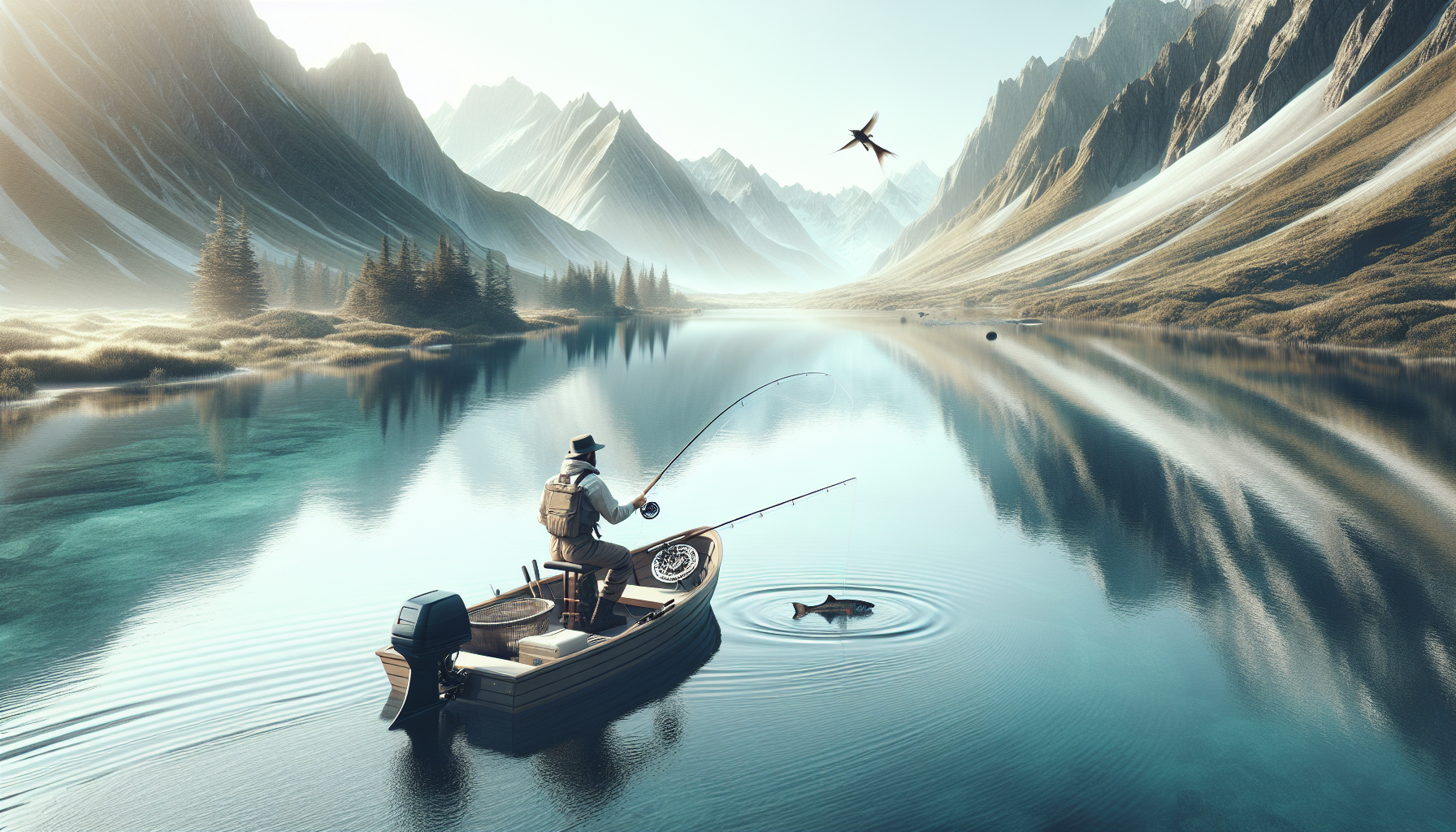
Understanding British Columbia starts with a few core terms. Stillwater fly fishing refers to lakes and ponds, often fished from a float tube, pram, or boat, with chironomids, leeches, and damselfly nymphs. River fishing covers moving water where anglers target resident trout, migratory salmon, or steelhead with dead drifts, swung flies, or surface presentations. Anadromous fish are species such as Pacific salmon and steelhead that migrate between freshwater and saltwater. Interior waters usually describe the Thompson-Okanagan, Cariboo, Kamloops, and northern plateau systems known for prolific trout lakes and famous rivers. Coastal systems include the Skeena watershed, Vancouver Island rivers, and lower mainland tributaries influenced by salmon runs and maritime weather. For anyone building a broader North America fly fishing shortlist, those distinctions help match skill level, timing, and budget to the right destination.
British Columbia matters because it offers a rare combination of quality and range at an international level. The province contains thousands of fishable lakes, globally recognized steelhead rivers, and salmon systems that shape entire food webs. It also sits within a larger network of North America fly fishing destinations, making it a strategic hub page topic for anglers comparing Alaska, Montana, Idaho, Alberta, and the Pacific Northwest. If you want dependable lake fishing, the Interior is a benchmark. If you want a legitimate chance at wild steelhead, the Skeena region belongs in the top tier. If you want a destination where family travel, lodges, road access, and DIY opportunities all exist, British Columbia is unusually versatile. The key is understanding where each area excels, what species are available, and how season, regulation, and water conditions determine success.
Why British Columbia stands out within North America
Among fly fishing destinations in North America, British Columbia stands out for its concentration of distinct fisheries within one jurisdiction. In practical terms, that means an angler can fish chironomids on a productive trout lake near Kamloops, then plan a separate trip for steelhead on the Bulkley or salmon on Vancouver Island without leaving the province. Few places offer that kind of breadth while maintaining strong wild fish identity. Many BC rivers still revolve around natural spawning runs, native stocks, and seasonal cycles rather than heavy stocking dependence. Stocked trout lakes certainly exist and are important, especially in the Interior, but the province’s reputation is anchored by wild systems.
The scale is another advantage. The Skeena watershed alone includes major rivers such as the Bulkley, Kispiox, Morice, Sustut, and Copper, each with its own timing and personality. Vancouver Island has a separate coastal culture built around winter steelhead and fall salmon. The Cariboo and Kamloops regions have enough productive stillwaters to fill multiple seasons of exploration. From a travel planning perspective, this diversity lets anglers choose between road-trip efficiency and fly-in remoteness. I have seen visitors make the mistake of treating BC as one uniform fishery. It is not. Success depends on choosing a region first, then matching your methods to local water types, weather, and fish behavior.
Top fly fishing regions and what they offer
The Thompson-Nicola and Kamloops area is the most famous stillwater trout region in the province. Lakes such as Roche, Stump, Tunkwa, and Sheridan have built decades-long reputations for strong rainbow trout growth and consistent insect hatches. These waters reward anglers who understand chronomid depth control, balanced leeches, bloodworms, and careful boat positioning. During late spring and early summer, callibaetis mayflies and damsels create classic visual fishing. This part of British Columbia deserves a central place in any North America fly fishing destinations hub because it represents one of the continent’s elite lake-fishing zones.
The Cariboo offers a slightly broader wilderness feel, with famous lakes, ranchland scenery, and a mix of easy-access and more secluded trout water. Horsefly, Sheridan, and many smaller lakes produce large rainbows, while nearby rivers and streams add variety. The Okanagan combines travel convenience with a long season and solid stillwater options, making it attractive for mixed-skill groups. Further north, the Skeena region is the province’s flagship for steelhead and powerful salmon fisheries. Rivers around Smithers, Terrace, and Hazelton draw international anglers because they offer real encounters with wild fish in dramatic settings. The Bulkley and Kispiox are iconic swung-fly rivers; the Copper, Sustut, and Morice add legendary status for anglers willing to plan carefully.
Vancouver Island deserves equal attention for anglers focused on coastal species. The Cowichan, Stamp, Gold, Campbell, and Nimpkish systems each have seasonal opportunities for trout, salmon, and steelhead. Island rivers often fish best when rainfall refreshes flows, so timing and flexibility matter. In the East Kootenay, rivers like the Elk have become destination waters for dry-fly cutthroat and bull trout. While many travelers associate BC primarily with steelhead and lakes, the Kootenays expand the province’s profile within North America fly fishing by adding freestone dry-fly rivers and mountain scenery that compare well with famous Rocky Mountain destinations.
| Region | Primary Species | Best Known For | Typical Peak Windows |
|---|---|---|---|
| Kamloops/Thompson | Rainbow trout | Stillwater chironomid and mayfly fishing | April to June, September to October |
| Cariboo | Rainbow trout | Large productive lakes and ranch-country stillwaters | May to July, September |
| Skeena Region | Steelhead, salmon, trout | Wild steelhead and big river systems | July to October |
| Vancouver Island | Steelhead, salmon, trout | Rain-driven coastal river fishing | September to March depending on river |
| East Kootenay | Cutthroat, bull trout, rainbow trout | Dry-fly rivers and mountain freestones | June to October |
Species, techniques, and seasonal timing
Rainbow trout are the most accessible gateway species for many visiting fly anglers in British Columbia. In Interior lakes, productive methods include suspending chironomid pupae under indicators, retrieving micro leeches on intermediate lines, and targeting shoals during mayfly and damselfly activity. Presentation is more precise than many visitors expect. Depth often matters within a foot or two, especially on clear lakes. On rivers, BC rainbows can be opportunistic, but they still respond best when fly size, drift speed, and light conditions align. For cutthroat, especially in the Elk Valley, attractor dries, stonefly patterns, and terrestrials can produce memorable sight fishing.
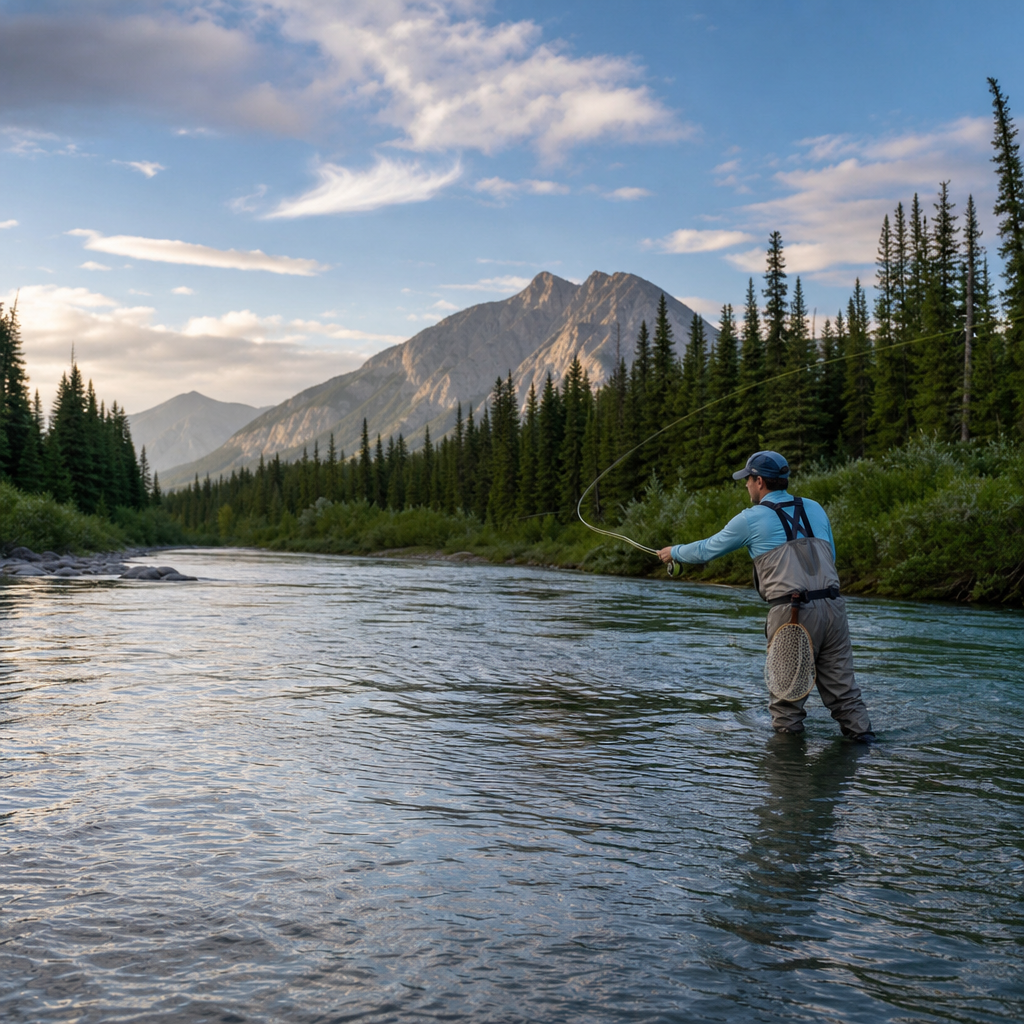
Steelhead are the emotional centerpiece of many BC trips. These fish are migratory rainbow trout, but in practical fishing terms they demand different expectations. Numbers are rarely high, and success often comes down to covering water correctly, controlling swing speed, and accepting that one or two legitimate chances may define a full day. Spey casting dominates larger rivers, although single-hand and switch rods work in many scenarios. Traditional flies include intruders, tubes, marabou patterns, and sparse classic-style dressings depending on water color and season. Summer steelhead can be responsive to waking flies and skaters, while cooler autumn conditions often favor wet-fly presentations deeper in the column.
Pacific salmon bring another dimension. Sockeye are generally not targeted on fly in the same way as coho or chinook, but their runs influence ecosystem productivity. Coho can be aggressive and highly enjoyable on streamers in lower river systems and tributaries. Chinook require heavier tackle, careful fish handling, and close adherence to regulations because retention and targeting rules can change quickly. Pink and chum salmon can offer exciting seasonal fisheries in the right systems. Bull trout and Dolly Varden char, particularly in northern and interior waters, are powerful predators that often respond to streamers. The practical lesson for trip planning is simple: choose your species first, then your region, then your exact dates. In BC, timing is not a detail; it is the framework that determines whether a destination is average or exceptional.
How to plan a successful trip
The best British Columbia fly fishing trips start with regulations and hydrology, not with social media photos. Before I book lodging or a guide, I check the current provincial regulations synopsis, specific waterbody restrictions, classified water rules, and regional closures. BC uses complex regulations to protect stocks and manage pressure, especially on steelhead and salmon rivers. Some waters require classified day licenses and conservation surcharges for nonresidents. Others have bait bans, gear restrictions, or retention limits that shift by season. Fisheries and Oceans Canada can also govern salmon-related rules in tidal or migratory contexts, so anglers should verify both provincial and federal guidance where applicable.
Next comes access and travel style. DIY stillwater trips around Kamloops are realistic for many anglers with a rental vehicle, basic watercraft planning, and a willingness to learn local hatch timing. Steelhead trips on the Skeena are different. Water levels, run timing, and the sheer size of the rivers make experienced guides highly valuable, especially for first visits. Lodges near Terrace, Smithers, and the Bulkley corridor often coordinate transportation, access, and daily river choices according to conditions. On Vancouver Island, self-guided travel is common, but rainfall can transform rivers rapidly, so flexible itineraries are essential. Booking shoulder-season airfare and midweek lodging can lower costs significantly, but remote destinations still require advance planning.
Gear should match the fishery. For Interior lakes, a 5- or 6-weight rod, floating and intermediate lines, indicators, long leaders, and chironomid, leech, and mayfly boxes cover most situations. For trout rivers, 4- to 6-weight outfits work well. For steelhead, anglers usually carry 7- to 8-weight two-handed rods paired with Skagit and Scandi systems, sink tips, and strong reels. Waders, layered insulation, rain protection, polarized glasses, and bear awareness tools are not optional in many areas. If you are building a broader list of North America fly fishing destinations, British Columbia rewards preparation more than impulse. The province can be forgiving on stocked trout lakes, but its best wild fisheries demand respect, timing, and disciplined planning.
Conservation, etiquette, and choosing the right BC experience
British Columbia’s best fly fishing is inseparable from conservation. Many hallmark fisheries depend on wild stocks facing pressure from habitat loss, warming water, variable ocean survival, and cumulative human impact. Steelhead returns on some systems have declined enough that responsible anglers now approach these rivers with a conservation-first mindset. That means following handling standards, using appropriate tackle to shorten fight times, keeping fish in the water whenever possible, and respecting voluntary closures or temperature-related concerns even before formal restrictions appear. On trout lakes, clean-drain-dry practices help reduce the spread of invasive species. On rivers, ethical angling includes giving other anglers room, rotating runs properly, and avoiding repeated pressure on resting fish.
Choosing the right BC destination depends on the experience you want. If your priority is numbers and skill-building, start with the Kamloops or Cariboo stillwaters. If you dream about a single unforgettable grab from a wild steelhead, focus on the Skeena or Vancouver Island and hire a proven guide. If dry-fly trout in mountain valleys sound ideal, look at the East Kootenay. As a hub within the wider North America fly fishing destinations topic, British Columbia earns its place because it serves many angler profiles without losing its identity. You can pursue trophy rainbows, technical lake fishing, iconic salmon runs, or some of the continent’s most meaningful steelhead water in one province.
The main takeaway is straightforward: British Columbia is not just another stop on a fly fishing map. It is a destination system with multiple world-class regions, each requiring the right season, tactics, and expectations. Start by choosing your species, narrow your region, study current regulations, and build around local conditions rather than generic advice. Do that, and British Columbia can become the benchmark against which you measure other fly fishing destinations in North America. Use this hub as your starting point, then map out the BC region, species, or season that best fits your next trip.
Frequently Asked Questions
Why is British Columbia considered one of the best fly fishing destinations in North America?
British Columbia stands out because very few places offer the same combination of geographic scale, fish diversity, seasonal consistency, and access options in a single province. Anglers can move from coastal rivers shaped by salmon runs, to clear interior trout lakes, to large freestone systems holding wild rainbow trout, bull trout, steelhead, and char, often within the same broader trip. That kind of variety matters. It means British Columbia is not just famous for one species or one style of fishing; it supports dry-fly trout fishing, streamer fishing, lake fishing from a boat or float tube, swing fishing for steelhead, and salmon-oriented trips depending on timing and location.
Another major advantage is that British Columbia works for different experience levels. First-time visitors can book guided days on productive, well-known waters with solid lodges, road access, and dependable local services. More experienced anglers can pursue remote rivers, heli-access lakes, or wilderness systems where solitude becomes part of the appeal. Add in strong seasonal windows, dramatic scenery, and a fisheries culture that is deeply rooted in conservation and wild fish management, and the province becomes one of the most complete fly fishing destinations on the continent. In practical terms, British Columbia gives anglers real options rather than forcing them into a single narrow fishery.
What species can fly anglers target in British Columbia?
British Columbia offers an unusually broad menu of species, which is one of the biggest reasons traveling anglers keep coming back. Trout are a major draw, especially rainbow trout in the interior and on famous river systems known for strong wild fish and excellent dry-fly opportunities. Cutthroat trout are available in certain regions, and bull trout can provide aggressive, memorable fishing, particularly for anglers who enjoy streamer tactics. Dolly Varden and other char species are also part of the picture in some waters, especially farther north and in select coastal systems. For many freshwater anglers, that diversity alone would make the province exceptional.
But British Columbia goes beyond trout. It is also a serious destination for Pacific salmon and steelhead. Depending on the river and time of year, anglers may encounter chinook, coho, sockeye, pink, and chum salmon, though fly-focused opportunities vary by system and run timing. Steelhead are a legendary draw on many coastal and northern rivers, attracting dedicated anglers who plan trips around specific seasonal windows. The key is that species availability changes by drainage, elevation, and time of year, so trip planning matters. A well-timed visit can align anglers with prolific lake fishing, strong river trout activity, salmon migrations, or classic steelhead conditions. That species range is rare, and it is one of the defining strengths of British Columbia as a fly fishing destination.
When is the best time of year to fly fish in British Columbia?
The best time depends on what you want to catch and where you want to fish, because British Columbia is large enough that conditions vary dramatically across the province. In the interior, late spring through fall is often prime for trout, with different highlights throughout the season. Early summer can bring productive stillwater action, chironomid hatches, and improving river conditions as runoff recedes. Mid to late summer opens up many classic dry-fly windows, particularly on lakes and selected rivers, while early fall is favored by many experienced anglers for stable weather, active trout, and reduced crowds. In the right region, each part of the season offers a different but compelling style of fishing.
Coastal and anadromous fisheries follow their own rhythms. Salmon timing differs by species and watershed, while steelhead fisheries can peak in fall, winter, or spring depending on the system. Northern and remote waters often have more compressed seasons because of climate and access, but those windows can be outstanding when they line up. For visitors, the most important planning principle is to match the calendar to the fishery rather than asking for one universal “best month.” British Columbia rewards anglers who narrow the goal first: trophy rainbow trout, dry-fly fishing, bull trout on streamers, salmon migration timing, or steelhead on the swing. Once that goal is clear, choosing the right region and season becomes much easier and far more effective.
Do you need a guide to fly fish in British Columbia, or can you plan a trip on your own?
You can absolutely fish British Columbia on your own, and many experienced anglers do, especially in more accessible regions with established maps, lodging, and public access points. That said, hiring a guide is often one of the smartest decisions a visitor can make, particularly on a first trip. British Columbia is enormous, and local knowledge has real value. A guide can help you understand river timing, lake productivity, access logistics, regulations, boat requirements, insect activity, and fish behavior that may not be obvious from online research. On larger or more technical waters, this can dramatically shorten the learning curve and save you from losing days to poor timing or unproductive water choices.
Guides are especially valuable if your trip involves steelhead, salmon, float fishing, remote wilderness travel, or mixed-species planning across multiple regions. They can also advise on gear selection, fly patterns, sink-tip choices, water safety, and ethical fish handling practices. For self-directed anglers, British Columbia still offers plenty of excellent opportunities, but success depends on good planning. You will want to study licensing requirements, region-specific regulations, seasonal closures, catch-and-release rules, and species protections before you go. In short, a guide is not mandatory, but it can make the trip more efficient, safer, and significantly more productive. For many travelers, a hybrid approach works best: book a guide for the first day or two, then explore independently with a much stronger foundation.
What should anglers know before planning a fly fishing trip to British Columbia?
The first thing to understand is that British Columbia rewards preparation. Because the province spans coastal rainforest, interior grasslands, alpine lakes, glacier-fed rivers, and remote northern country, travel logistics can vary from very simple to highly complex. Before booking anything, decide what kind of trip you want. Are you aiming for trout on interior lakes, wild river rainbows, salmon on coastal systems, or a steelhead-focused expedition? That decision will shape everything else, including airport access, drive times, lodging style, clothing, rod selection, and ideal travel dates. It is also essential to review current freshwater regulations, licensing rules, classified water requirements, and conservation measures, which can change by region and species.
Anglers should also plan for weather variability and changing water conditions. Even in peak season, mountain environments can bring cool mornings, sudden rain, wind, and fluctuating river levels. A well-prepared angler packs layers, quality rain gear, wading equipment suited to the destination, and tackle matched to the target species rather than relying on one all-purpose setup. It also helps to book accommodations and guiding well in advance for popular windows, especially on famous trout and steelhead waters. Finally, approach the trip with a conservation mindset. British Columbia’s reputation depends heavily on healthy fisheries, responsible angling, and respect for local communities and regulations. If you plan carefully and match your expectations to the right season and region, British Columbia can deliver one of the most varied and memorable fly fishing experiences in North America.