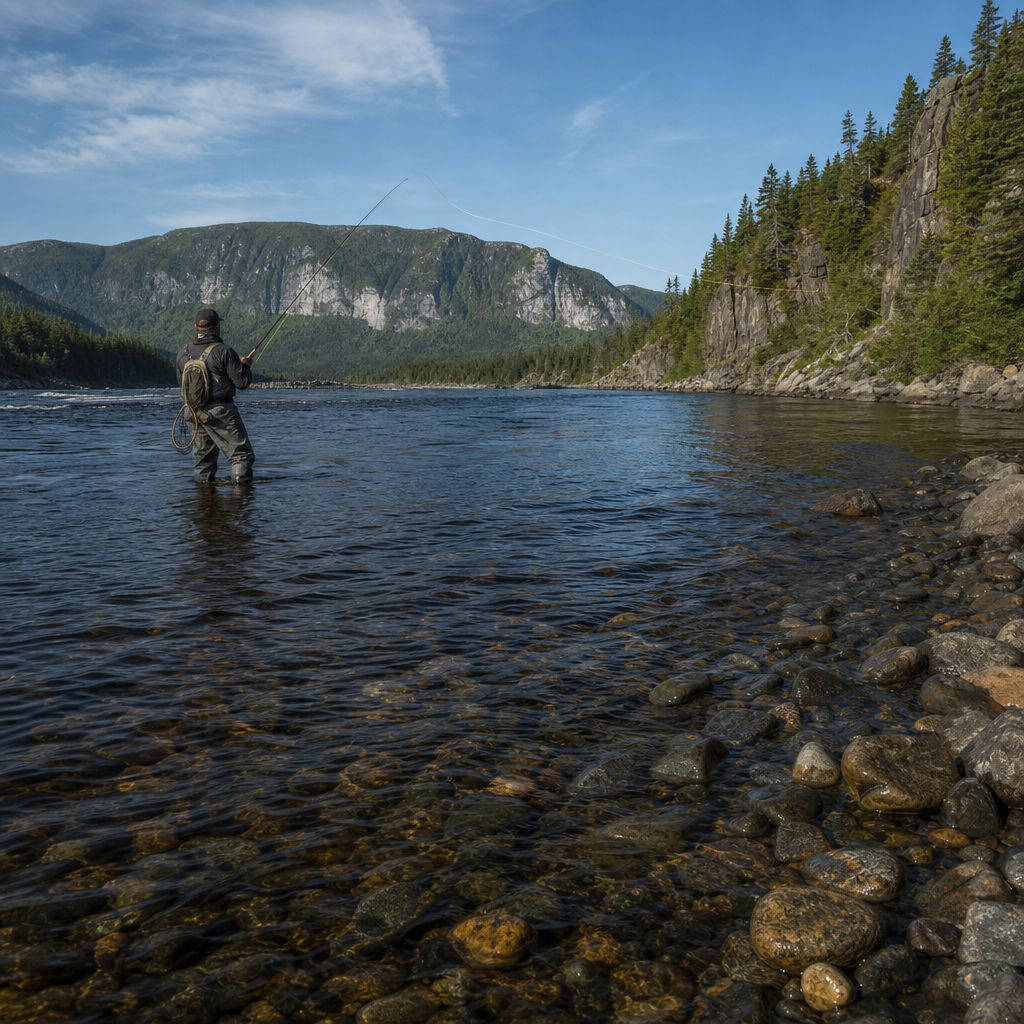
Fly fishing in Newfoundland and Labrador rewards anglers who want more than famous rivers and crowded access points. This eastern edge of North America combines wild Atlantic salmon water, brook trout ponds, sea-run char systems, and long stretches of lightly pressured habitat that many traveling anglers overlook. In practical terms, hidden gems are productive fisheries that deliver quality fishing, memorable scenery, and manageable access without the visibility of marquee names. For a North America fly fishing destinations hub, this province matters because it shows how varied the continent’s coldwater angling can be, from wind-swept barrens and tuckamore-lined brooks to broad salmon rivers entering the North Atlantic. I have planned trips here around hatches, water levels, road access, and local regulations, and the consistent lesson is simple: success comes from matching expectations to place. Newfoundland offers road-accessible trout ponds and classic salmon rivers within a day’s drive; Labrador offers scale, remoteness, and a stronger expedition feel. Together they form one of North America’s most distinctive fly fishing regions.
Understanding the fishery starts with terminology. In Newfoundland and Labrador, “pond” often means what many mainland anglers would call a small or medium lake. “Brook trout” usually refers to brook char, including resident fish and larger sea-run forms in some systems. Atlantic salmon regulations can separate retention, catch-and-release, and species-specific seasonal rules by river. Outfitters may operate lodges, day programs, or access rights in particular areas, while public water remains extensive. Why does this matter for trip planning? Because hidden-gem fishing is rarely about one secret waypoint. It is about reading a region: identifying waters with stable fish populations, understanding when salmon enter, when trout push shallow, what wind does to drift opportunities, and where a gravel road, scheduled boat, or floatplane changes the entire equation. Anglers who treat the province as a single destination miss these distinctions. Those who break it into fishable subregions find options for nearly every skill level, budget, and adventure threshold.
Why Newfoundland and Labrador stands out in North America
As a North America fly fishing destination, Newfoundland and Labrador stands apart for biodiversity, low development around many watersheds, and a culture that still treats angling as part of local life rather than a packaged spectacle. Newfoundland is especially strong for brook trout numbers, accessible salmon rivers, and DIY exploration by rental car. Labrador adds iconic Atlantic salmon rivers, sea-run brook trout, northern pike in select waters, and an immense sense of space. Compared with better-known destinations in Montana, British Columbia, Alaska, or New Brunswick, this region generally offers fewer anglers per mile of fishable water, though prime salmon systems can still see pressure in peak periods.
The province also rewards anglers who value seasonal variety. Early summer often brings high, cold flows and fresh salmon. Mid-summer can shift attention toward trout ponds, evening rises, and smaller rivers. Late summer and early autumn may improve wading conditions and produce excellent brook trout fishing as temperatures moderate. Weather remains a defining factor. On some trips I have seen a bright calm morning become a hard crosswind by lunch, turning an open pond from ideal dry-fly water into streamer territory. That volatility is not a drawback if you plan correctly. It is part of why hidden gems stay hidden: these fisheries favor adaptable anglers, not rigid itineraries.
Best hidden-gem regions for fly fishing
Western Newfoundland deserves first mention because it gives traveling anglers the easiest path to diverse fishing. The Corner Brook area, Humber Valley side waters, and smaller ponds and brooks branching off the main highway system hold abundant brook trout and occasional salmon opportunities nearby. While the Humber River is well known, many visitors ignore secondary waters where modest fish numbers are offset by solitude and consistent action. In practice, that can mean spending the morning on a named salmon beat, then shifting in the evening to a roadside pond where trout cruise shoals for caddis and beetles.
Central Newfoundland is stronger than many itineraries suggest. Areas around Gander, Grand Falls-Windsor, and the Exploits watershed provide broad access to ponds, tributaries, and salmon rivers. The Exploits itself is a major system, but the real hidden-gem value lies in surrounding stillwaters and lesser-publicized reaches where anglers can target brook trout without the logistics of a remote camp. This region works well for mixed groups because a serious salmon angler can fish regulated water while another angler chases trout from shore, canoe, or small boat nearby.
Eastern Newfoundland offers shorter travel from St. John’s and can produce surprisingly good fishing in the Avalon and Bonavista-adjacent areas, especially for anglers with realistic size expectations. You come here less for giant fish and more for scenery, quick access, and the pleasure of finding willing trout in overlooked ponds. Southern Newfoundland, including the Burin Peninsula and south coast gateways, remains underfished relative to its water inventory. Remote communities, ferry links, and weather can complicate planning, but that complexity protects the quality of the experience.
Labrador is the province’s heavyweight for anglers seeking big-water atmosphere. The Eagle, Sandhill, and other salmon systems are internationally respected, yet there are also smaller waters and lodge-managed zones that receive far less broad attention than their quality merits. The key distinction is that Labrador hidden gems are rarely casual add-ons. They require charter coordination, lodge logistics, or serious self-supported travel. The payoff is a style of fly fishing that feels closer to northern expedition angling than mainstream destination travel.
Species, seasons, and tactics that actually work
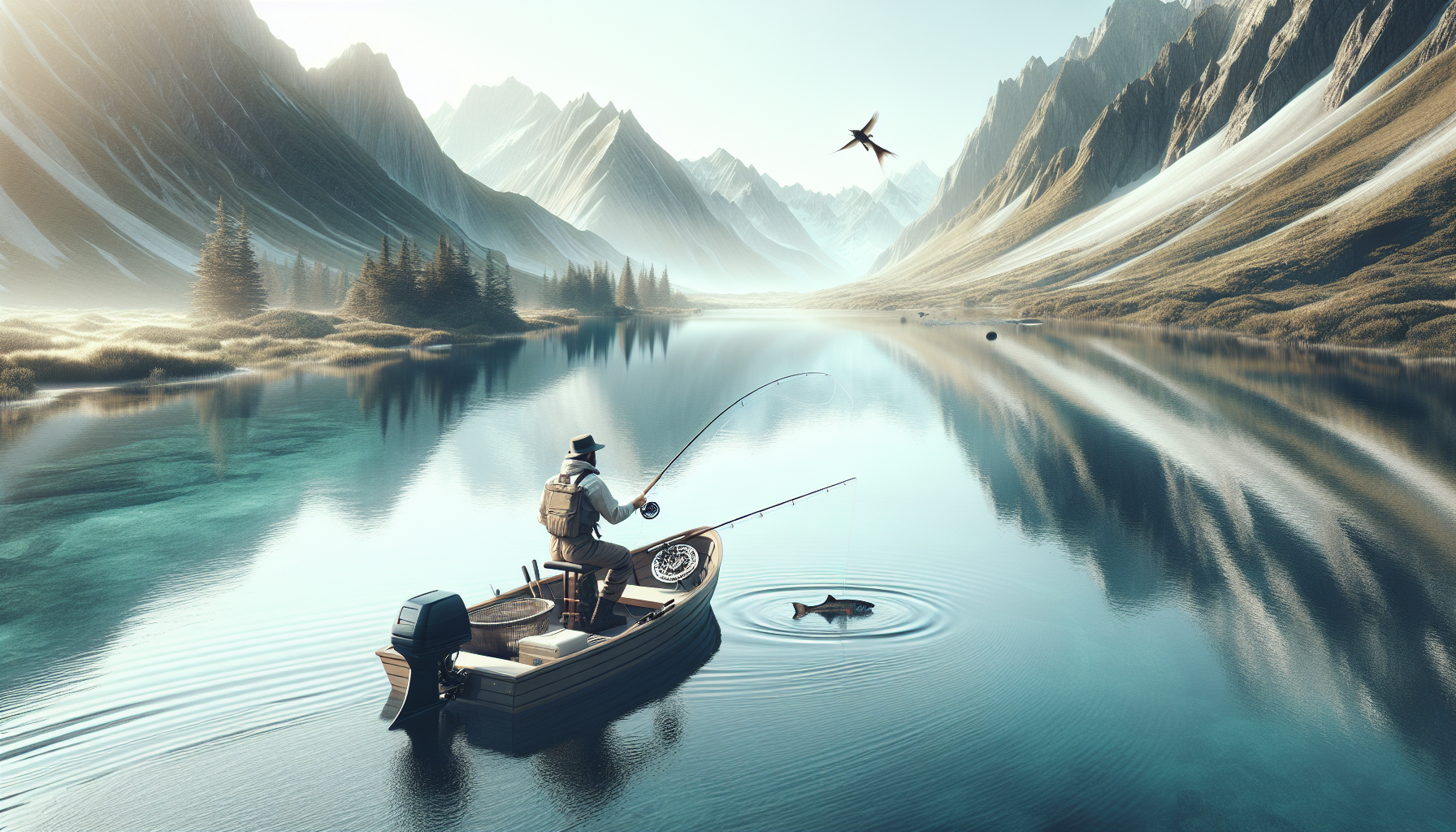
Brook trout are the most reliable target for most visiting fly anglers. In Newfoundland especially, many ponds contain high densities of fish, and some produce trout in the 14- to 20-inch range with larger specimens possible. Early in the season, fish often hold shallow because water temperatures are low. Woolly Buggers, Mickey Finns, Black Ghost patterns, and small leech flies work consistently, particularly when retrieved with short strips along drop-offs. During calmer periods, mayfly and caddis activity can bring excellent dry-fly windows. I have done best by treating many ponds like stillwater trout fisheries elsewhere in North America: fish shoals, submerged structure, inflows, and windward banks where food concentrates.
Atlantic salmon demand a different mindset. On most rivers, success depends on reading current seams, tailouts, and travel lanes, then presenting traditional wet flies or tube flies on controlled swings. Water temperature and fish freshness matter. A river full of salmon does not guarantee aggressive takes, especially under bright skies and low water. Productive patterns vary by river, but Green Machines, Blue Charms, Ally’s Shrimp-style flies, and simple hairwing patterns remain staples for good reason. A common mistake by first-time visitors is overcasting. In many holding lies, a shorter, cleaner swing catches more fish than a heroic distance cast.
Sea-run char and sea-run brook trout exist in select systems and can be the fish of a lifetime. Timing is highly localized, and local advice is essential because these fish move with tides, bait, and river conditions. For resident and sea-run trout alike, floating lines cover most situations, but sink tips earn their place in wind, depth, or cold early-season water. Nine-foot 5- or 6-weight rods handle most trout scenarios; salmon anglers typically step into 7- to 9-weight single-hand or switch rods depending on river size.
| Target species | Best period | Effective flies | Typical water type |
|---|---|---|---|
| Brook trout | June through September | Woolly Bugger, Black Ghost, caddis dries, beetle patterns | Ponds, brooks, lake inlets, shoals |
| Atlantic salmon | Early summer through late season, river specific | Green Machine, Blue Charm, Ally’s Shrimp, hairwings | Main rivers, pools, runs, tailouts |
| Sea-run char | Short, localized windows | Smelt imitations, streamers, small bright patterns | Coastal rivers, estuaries, lower systems |
Access, regulations, and trip planning essentials
The best Newfoundland and Labrador fly fishing trips start with regulations, not maps. Anglers need the correct nonresident licenses, and salmon fishing may require additional permits, tag rules, or water-specific reservations. Seasons and retention rules change, and some rivers have mandatory catch-and-release periods or closed sections. Official provincial regulations should be treated as the final authority every season. Conservation here is not a bureaucratic detail; it is the framework that keeps these fisheries viable, especially Atlantic salmon populations facing marine survival pressures across the North Atlantic.
Access planning matters just as much. Newfoundland’s road network makes DIY travel realistic, but “roadside” does not always mean easy. A pond visible from the highway may still require boggy walking, careful launch decisions, and wind management once you arrive. In Labrador, the distinction between drive-in, boat-in, and fly-in can define cost, packing, and safety needs. Satellite communication devices are sensible in remote areas. Even on day trips, weather changes can turn a simple run back across open water into the most technical part of the outing.
Guides and lodges are worth considering, even for experienced anglers. A good guide accelerates pattern selection, clarifies local etiquette, and helps interpret water that can look deceptively uniform. On salmon rivers especially, knowing how fish move through specific pools saves days of guesswork. For DIY anglers, local fly shops, tackle counters, and outfitters are often the best intelligence sources on current conditions. Ask direct questions: water height, recent fish movement, productive colors, wading hazards, and whether a pond fishes better from shore or boat. Specific questions get useful answers.
Building a North America fly fishing itinerary from this hub
As a hub within a broader North America fly fishing destinations plan, Newfoundland and Labrador fits best when matched to the experience you want. If your priority is classic Atlantic salmon culture with side opportunities for brook trout, start with western or central Newfoundland and build outward. If your goal is a once-in-a-decade northern lodge trip, Labrador deserves dedicated focus rather than a rushed add-on. If you are comparing this region with other continental options, think in terms of tradeoffs. Alaska offers larger salmon spectacle and more famous float trips. British Columbia gives stronger steelhead and trout brand recognition. Maine and New Brunswick offer easier proximity for many U.S. anglers. Newfoundland and Labrador answer with solitude, wildness, and a rare mix of road-trip flexibility and true frontier water.
For content architecture across North America, this destination also links naturally to future subpages on Atlantic salmon rivers, brook trout ponds, DIY road-trip itineraries, lodge-based Labrador expeditions, and seasonal packing lists. That structure reflects how anglers actually search and plan. They do not just ask where to fish. They ask when to go, what species are realistic, whether they need a guide, what flies to bring, and how remote the experience really is. This province answers all of those questions within one destination family, which is why it deserves hub status rather than a brief mention on a generic Canada list.
Fly fishing in Newfoundland and Labrador is compelling because it gives North American anglers something increasingly difficult to find: real discovery. The hidden gems are not mythical secret rivers. They are the overlooked ponds off secondary roads, the modest salmon reaches overshadowed by famous names, and the Labrador programs that deliver extraordinary fishing without constant publicity. When you understand the province by region, species, season, and access style, the destination becomes far easier to fish well.
The main takeaway is clear. Newfoundland is ideal for anglers who want flexible DIY travel, abundant brook trout, and accessible salmon possibilities. Labrador suits anglers willing to invest in logistics for a more remote and often more dramatic experience. Across both, preparation matters more than bravado. Study regulations, match tackle to target species, watch weather, and use local knowledge. Do that, and these waters can rival any fly fishing destination in North America for scenery, variety, and authenticity.
If you are building your North America fly fishing plans, put Newfoundland and Labrador near the top of the list, then narrow your choice by fish species, travel style, and season. Start with one region, fish it thoroughly, and let the hidden gems reveal themselves on the water.
Frequently Asked Questions
What makes a fly fishing spot in Newfoundland and Labrador a true hidden gem?
A true hidden gem in Newfoundland and Labrador is not simply a river or pond that nobody talks about. It is usually a fishery that combines reliable angling potential, striking scenery, and practical access, yet remains overshadowed by better-known destinations. In this region, that can mean a smaller Atlantic salmon river with solid seasonal runs, a brook trout pond that consistently produces aggressive fish, or a coastal system where sea-run char are available to anglers willing to explore beyond the obvious pull-offs. What separates these places from famous waters is often visibility, not quality. Many excellent fisheries receive less pressure because they are outside major tourism circuits, require a little local knowledge, or do not have the long-standing reputation of marquee rivers.
For traveling anglers, hidden gems also tend to offer a more intimate fishing experience. You may find shorter beats, less competition for water, and more freedom to fish at your own pace. That matters in a province where weather, water levels, and fish movement can change the day quickly. Instead of planning an entire trip around one iconic river, anglers who target lesser-known systems often gain flexibility. If one stream is low, high, or crowded, a nearby pond, tributary, or estuary may still fish well. In practical terms, the best hidden gems are productive waters that reward observation and adaptability rather than fame-chasing. They give anglers a realistic chance at excellent fishing and a stronger sense of discovery.
Which species can anglers realistically target on lesser-known waters in Newfoundland and Labrador?
The standout species on overlooked fly fishing water in Newfoundland and Labrador are Atlantic salmon, brook trout, and Arctic char, including sea-run char in select systems. Atlantic salmon are the headline species for many visitors, but hidden-gem salmon rivers often provide a quieter and more personal experience than the famous names. These smaller or less-publicized rivers can still hold fresh fish during the right window, especially when water levels and temperature line up. Brook trout are even more widespread and may be the most accessible option for anglers exploring off the beaten path. Many ponds, brooks, and lake outlets hold wild trout, and some of the best fishing comes in waters that receive very modest pressure.
Sea-run char are another major draw, particularly in Labrador and certain northern or coastal environments where cold, clean water supports migratory fish. These are highly rewarding fisheries, but they usually require more timing and regional knowledge than a casual roadside outing. Depending on the area, anglers may also encounter resident char and, in some waters, unexpectedly large brook trout that feed heavily during short productive seasons. The key is to match expectations to location. Newfoundland offers broad variety with strong access to trout and salmon opportunities, while Labrador is especially compelling for anglers interested in remote char and wild northern systems. If your goal is diversity rather than a single trophy species, hidden waters in this region can be exceptionally rewarding.
When is the best time to explore hidden fly fishing waters in Newfoundland and Labrador?
The best time depends on the species you want to target and the type of water you plan to fish. In general, early season can be excellent for brook trout as fish feed aggressively after ice-out and before summer water temperatures rise. Smaller rivers, ponds, and lake inlets often come alive during this period, and insect activity can be strong enough to make dry-fly and nymph fishing productive. For Atlantic salmon, timing is more river-specific. Early runs, water conditions, and seasonal regulations all influence success, so anglers should look at each watershed individually rather than treating the whole province as if it fishes the same way at the same time.
Summer often offers the most overall access and travel convenience, but it also demands flexibility. Warm temperatures and low water can make some rivers more technical, especially on smaller systems where fish become selective or hold in specific lies. This is often when hidden gems shine, because lightly pressured ponds, brook trout streams, and lesser-known reaches can still produce well if you adjust tactics and fish during favorable periods of the day. Late season can be especially appealing for anglers seeking fewer people, dramatic scenery, and fish concentrated in predictable holding water. The smartest approach is to build your trip around a seasonal window, then identify several backup options. In Newfoundland and Labrador, anglers who adapt to conditions usually do better than those who lock themselves into one famous river and one narrow timetable.
How difficult is access to lesser-known fly fishing locations in Newfoundland and Labrador?
Access is often more manageable than many visitors expect, but it varies widely by region and by fishery. Some hidden gems are close to secondary roads, towns, or established routes and simply get overlooked because they lack the reputation of famous rivers. Others require gravel-road travel, hiking, boat support, or a willingness to piece together local information. In Newfoundland, many productive trout ponds, small salmon rivers, and tributary sections can be reached with a vehicle and a short walk. In Labrador, remoteness can become a much bigger factor, and logistical planning matters more. Distance between services, road conditions, weather shifts, and communication limitations can all affect how realistic a destination is for a traveling angler.
The good news is that “hidden” does not always mean “extreme.” Some of the best lesser-known waters are simply those that do not appear in every mainstream trip itinerary. Anglers who research access points carefully, carry accurate maps, verify land-use rules, and allow extra travel time can find excellent opportunities without committing to a full wilderness expedition. It is also wise to check local regulations, licensing requirements, and any guide or access restrictions before you go. In this part of Canada, preparation is part of the fishing strategy. A productive hidden gem is much more enjoyable when you know where to park, how far you must walk, what the river crossing looks like, and whether changing weather could affect your return route.
What tactics work best when fly fishing overlooked rivers, ponds, and coastal systems in Newfoundland and Labrador?
The most effective tactic is versatility. Hidden waters in Newfoundland and Labrador often reward anglers who are willing to shift quickly between dry flies, nymphs, streamers, and traditional salmon presentations based on water type and fish behavior. On brook trout ponds and small streams, classic attractor dries, small nymphs, wet flies, and streamer patterns can all be productive, especially when matched to wind, light, and shoreline structure. In rivers, careful reading of current seams, pocket water, tailouts, and depth transitions is essential because lightly pressured fish still use classic holding water. For Atlantic salmon, presentation speed, swing angle, fly size, and water level matter more than constantly changing patterns. A simple, well-presented fly in the right lane often outperforms a large box of untested options.
On coastal and sea-run char systems, timing and mobility are especially important. Fish movement may be linked to tide influence, temperature, bait presence, or short migration windows, so covering water intelligently can be more productive than standing in one spot too long. In all hidden-gem fisheries, stealth pays off. Many of these waters are clear, intimate, and less forgiving of heavy wading or careless approach. Fish early and late when conditions call for it, carry enough fly styles to adapt, and pay attention to local insect life, baitfish activity, and water temperature. Above all, avoid assuming that lesser-known means easy. These fisheries often produce best for anglers who stay observant, fish methodically, and let the water reveal its pattern rather than forcing a one-size-fits-all approach.