Fly fishing in the Midwest offers far more variety than many anglers expect, combining cold spring creeks, broad tailwaters, rugged Driftless streams, and warmwater rivers that hold bass, pike, and carp. In practical terms, the Midwest usually includes states from Ohio and Michigan west through Wisconsin, Minnesota, Iowa, Missouri, Illinois, Indiana, and the Dakotas, though serious trip planning often overlaps with nearby mountain and Canadian waters across North America. As a destination category, Midwest fly fishing matters because it gives anglers accessible, affordable, fish-rich options without the crowds and costs associated with famous Western trout towns. I have guided friends, planned road trips, and fished many of these waters over the years, and the region consistently rewards anglers who understand local hatches, seasonal flow patterns, and species diversity. For a broader Fly Fishing Destinations strategy, this Midwest guide works as a hub within North America, helping you identify where to target trout, smallmouth, steelhead, salmon, musky, and mixed warmwater species. It also answers the biggest planning questions directly: where to go, when to go, what to pack, and how to adjust your tactics to Midwestern conditions. If you want a destination style of fly fishing that balances realism, quality fishing, and genuine exploration, the Midwest deserves a prominent place on your shortlist.
Why the Midwest belongs on every North America fly fishing map
The Midwest is not one fishery type but a network of distinct ecosystems spread across North America. In one week, an angler can fish limestone spring creeks in Wisconsin’s Driftless Area, swing streamers for Great Lakes steelhead in Michigan, and throw deer hair poppers to smallmouth bass in Minnesota or Missouri. That range is the region’s defining advantage. Unlike areas where one species dominates the travel conversation, Midwest fly fishing supports trout, migratory salmonids, and exceptional warmwater fishing within drivable distance.
Access is another reason the region ranks highly. States such as Wisconsin, Minnesota, Michigan, and Missouri maintain strong public access systems, easement programs, and park infrastructure. Michigan alone has thousands of miles of trout streams, while Minnesota’s lake-country waters and river systems create enormous opportunity for anglers who enjoy multi-species days. The Midwest also benefits from practical travel economics. Lodging, guide rates, fuel costs, and nonresident licenses are often lower than in elite Western destinations, making the region ideal for both weekend trips and longer road-based itineraries.
For anglers building a North America destination plan, the Midwest serves two roles. First, it is a primary destination in its own right. Second, it is a training ground that sharpens universal skills: reading current seams, matching hatches, streamer presentation, wading stealth, and adapting to changing water clarity. Those are transferable skills whether your eventual goal is Montana trout, Ontario pike, or Atlantic salmon farther east.
Top Midwest fly fishing destinations for trout, steelhead, and warmwater species
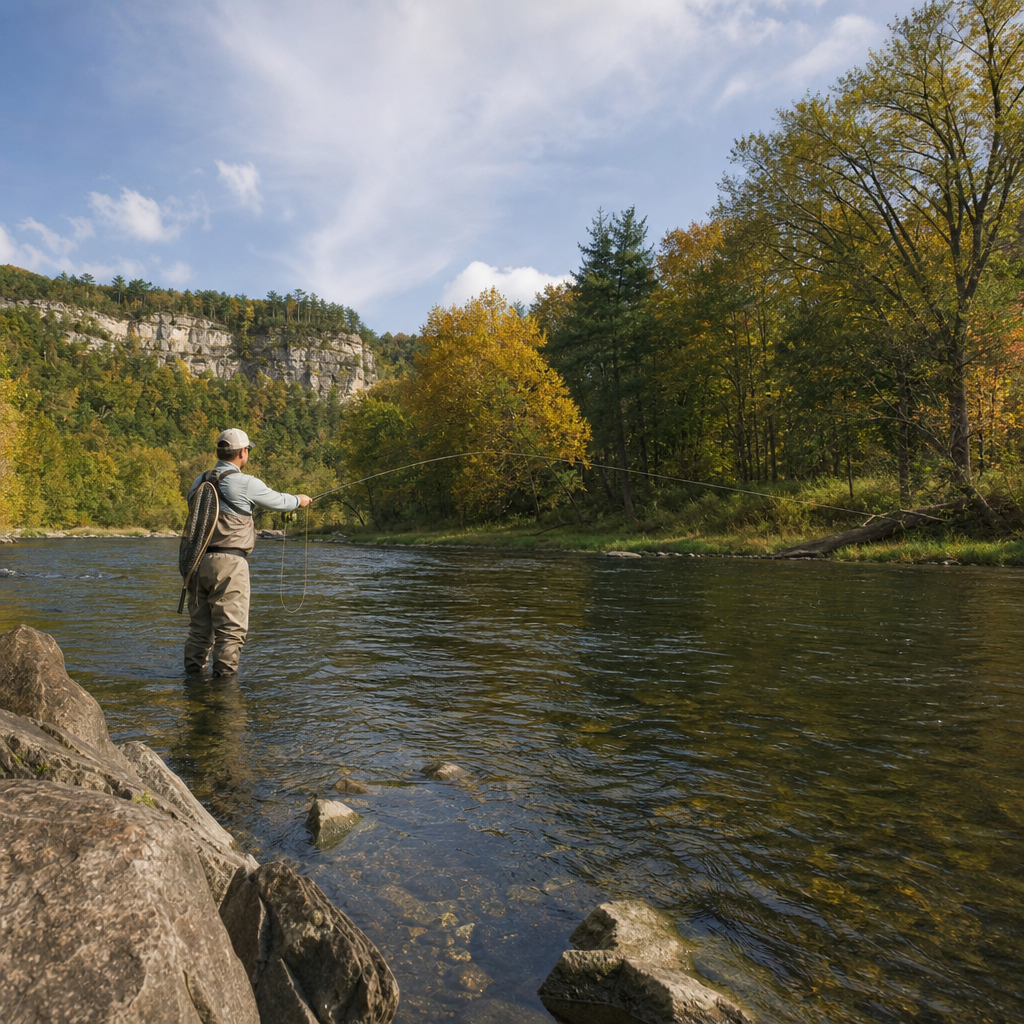
Wisconsin’s Driftless Area is one of the most reliable trout destinations in the Midwest. The unglaciated landscape creates steep valleys, groundwater-fed creeks, stable temperatures, and wild brown trout populations. Small streams such as Black Earth Creek and the Blue River system demand stealth, short casts, and precise drifts. Spring and early summer bring classic mayfly and caddis fishing, but terrestrial patterns become equally important by midsummer. The Driftless is ideal for anglers who like technical dry-fly opportunities and intimate water.
Southeast Minnesota’s Driftless water deserves equal billing. Root River tributaries and spring creeks near Preston, Lanesboro, and Forestville produce wild browns and holdovers in fishable numbers. Habitat work has dramatically improved many reaches through bank stabilization, lunker structures, and riparian management. In plain terms, that means better current definition, more undercut cover, and more trout in streams that look modest from the road.
Michigan is the Midwest’s most complete fly fishing state. The Au Sable, Manistee, Pere Marquette, and Boardman rivers support trout, steelhead, and salmon opportunities across multiple seasons. The Au Sable is particularly important because it combines hatches, history, and technical fishing in a way few rivers do. Hexagenia limbata, the giant Hex mayfly, creates famous evening fishing in summer, while streamer anglers find aggressive brown trout during low-light periods and in fall. West-side rivers like the Pere Marquette are equally well known for steelhead, with autumn and spring runs that reward swing tactics, indicator nymphing, and egg patterns.
Missouri’s trout parks and tailwaters provide a different but highly productive model. The Current River, North Fork of the White, and Lake Taneycomo offer coldwater habitat sustained by springs or dam releases. Taneycomo, in particular, fishes more like a Western tailwater than many people expect, with midge, sow bug, and scud patterns often outperforming larger searching flies. Missouri is also one of the best places for anglers transitioning from stocked water to more technical trout fishing because catch rates can remain strong while the learning curve rises.
Minnesota stands out for smallmouth bass and mixed-species river fishing. The Mississippi headwaters region, St. Croix, and many smaller rivers offer excellent floating and wading water. Smallmouth in these systems eat Clouser Minnows, baitfish streamers, crayfish patterns, and surface bugs with real consistency. In midsummer, early morning topwater fishing around wood, boulders, and current breaks can be spectacular. Northern Minnesota also adds pike and musky possibilities, especially in weedy lake-river networks where six- to ten-inch flies are standard.
Ohio, Indiana, and Illinois are often overlooked, but Great Lakes tributaries make them serious seasonal destinations. Rivers feeding Lake Erie and Lake Michigan can produce steelhead fishing that rivals more famous names when rainfall and lake conditions align. These fisheries are not always pretty in the postcard sense, yet they can be highly effective for anglers willing to monitor flows and time runs.
| Destination | Best Known For | Prime Season | Useful Fly Categories |
|---|---|---|---|
| Wisconsin Driftless | Wild brown trout, spring creeks | April through June, September through October | Nymphs, caddis, terrestrials, small streamers |
| Michigan Au Sable | Brown trout, mayfly hatches | May through July, fall streamer season | Dries, emergers, articulated streamers |
| Pere Marquette and Manistee | Steelhead and salmon | October through April | Eggs, nymphs, intruders, baitfish patterns |
| Missouri tailwaters | Year-round trout fishing | Winter through spring, generation dependent | Midges, scuds, sow bugs, streamers |
| Minnesota rivers | Smallmouth bass, pike | June through September | Clousers, poppers, crayfish, deer hair bugs |
When to go and how seasonal conditions change your strategy
Timing is everything in Midwest fly fishing because weather volatility is real. Snowmelt, spring rain, dam generation, and Great Lakes tributary flows can all shift a trip quickly. In trout country, April through June is often the most balanced window. Water temperatures are favorable, hatches become regular, and fish are generally active throughout the day. This is when nymphing, dry-dropper setups, and emergers all earn their place. Summer can still be excellent, but low clear water demands longer leaders, finer tippet, and a stealthier approach, especially on spring creeks.
For Great Lakes steelhead, the headline seasons are fall and spring. Fall fish enter tributaries with rain events and cool temperatures, while spring often brings more stable opportunities before fish drop back to the lake. Winter can be productive too, but only with safe access, cold-weather discipline, and realistic expectations about ice and shelf hazards. In these rivers, flow level matters as much as calendar date. A perfect steelhead window may last two days after a storm, then fade as water clears or drops.
Warmwater anglers should think in terms of temperature and forage. Smallmouth bass become more aggressive as water warms into late spring and early summer. By midsummer, dawn and dusk windows can be dramatically better than midday. Pike and musky often favor larger profiles and can be active under low light, in wind, or ahead of weather changes. Carp, another underused Midwest fly target, become a serious option on mud flats, urban lakes, and slow river edges once temperatures rise.
Essential gear, flies, and local tactics that actually work
A practical Midwest fly fishing kit starts with specialization by species group. For trout, a 4- or 5-weight rod from 8 feet 6 inches to 9 feet covers most spring creeks, freestone rivers, and moderate tailwaters. Floating lines do most of the work. Leaders should include 9- to 12-foot options tapering to 4X through 6X for dry flies and nymphs. Essential patterns include Pheasant Tails, Hare’s Ears, Zebra Midges, scuds, Elk Hair Caddis, Parachute Adams, ant and beetle patterns, and a few olive or black streamers. In Driftless creeks, I often carry more size 16 to 22 flies than big attractors because small bugs solve more problems than anglers want to admit.
For steelhead and salmon, a 7- or 8-weight single hand rod or a short Spey setup is more efficient. Sink tips, strong tippet, and larger reels matter. Productive patterns include egg flies, stoneflies, pink worms where legal, intruder-style flies, and white or olive baitfish patterns. The core mistake many new anglers make is stripping too fast or fishing too much dead water. Steelhead usually hold where current speed, oxygen, and shelter align, so success comes from covering likely lies methodically rather than wandering.
Warmwater setups are equally specific. A 6-weight is ideal for smallmouth bass, while pike and musky fishing often calls for 8- to 10-weight rods, bite tippet, and large flies that push water. Clouser Minnows remain a benchmark because they sink quickly, ride hook point up, and imitate countless baitfish. Deer hair poppers, Dahlberg Divers, and crayfish patterns also belong in every box. In moving water, cast across current and let the fly swing toward structure, then add strips. In lakes and slow pools, focus on weed edges, drop-offs, and ambush lanes.
Do not ignore wading gear and safety. Felt soles are restricted in some places, so check regulations. Studded rubber soles are often the best all-around compromise for Midwestern river bottoms that range from slick limestone to shifting sand. Polarized glasses are not optional; they help you read depth, spot fish, and avoid hazards. A thermometer is underrated. Knowing whether water is 52 or 66 degrees can tell you more about trout feeding windows than guesswork ever will.
Trip planning, access, regulations, and building your North America hub
The best Midwest fly fishing trips start with state fishery resources, local fly shops, and current flow data. Wisconsin DNR, Minnesota DNR, Michigan DNR, and Missouri Department of Conservation all provide maps, stocking information, regulation summaries, and public access details. USGS gauges and hydropower schedules are essential for tailwaters and Great Lakes tributaries. I check them before I pack, before I leave the hotel, and again in the parking lot if weather has moved through overnight. That habit prevents wasted days.
Local fly shops remain the fastest source of useful intelligence. They know whether olives are showing, whether a recent rain muddied the lower reaches, and which access point is fishing around construction or closures. Guides are worth considering, especially on your first day in a new destination. A good guide compresses the learning curve on river structure, hatch timing, and seasonal positioning in a way online research cannot match.
As a sub-pillar within Fly Fishing Destinations, this Midwest page should connect naturally to broader North America planning. The logic is simple: use the Midwest for accessible trout, steelhead, and warmwater opportunities; compare it with Western trout trips, Canadian pike and brook trout adventures, and Great Lakes regional itineraries; then choose based on species, budget, travel distance, and preferred style of fishing. That hub approach helps anglers move from vague inspiration to a realistic trip plan.
Midwest fly fishing deserves a larger place in the North America conversation because it is versatile, attainable, and genuinely rewarding. You can chase wild trout in the Driftless, fish legendary Michigan hatches, swing for steelhead on Great Lakes tributaries, or throw poppers at river smallmouth, often within one region and one reasonable travel budget. The key lessons are straightforward: match your destination to the species you want, time your trip around water conditions rather than assumptions, carry gear that fits the fishery, and use local information aggressively. Anglers who do those things usually fish better and waste less time.
If you are building a Fly Fishing Destinations list, start with the Midwest as your North America foundation. Pick one state, study the access and seasonal windows, call a local shop, and plan a trip with a clear target species in mind. The region will teach you skills, give you real variety, and very likely send you home already planning the next river.
Frequently Asked Questions
What are the best fly fishing destinations in the Midwest?
The Midwest has a surprisingly deep bench of fly fishing destinations, and the best choice depends on whether you want trout, smallmouth bass, warmwater species, or a mixed road-trip experience. For trout, the Driftless Area of Wisconsin, Minnesota, Iowa, and Illinois is one of the region’s standout fisheries. Its spring-fed creeks stay cool, clear, and wadable, with healthy populations of brown, brook, and rainbow trout. Anglers who enjoy technical dry-fly fishing, stealthy approaches, and smaller stream tactics will find the Driftless especially rewarding. Michigan is another top-tier option, with famous rivers such as the Au Sable, Manistee, and Pere Marquette offering classic hatches, migratory runs in some systems, and excellent opportunities for both floating and wading.
Minnesota also deserves strong consideration, especially in the southeastern part of the state where spring creeks provide quality trout water, while the North Shore and inland lakes expand the possibilities for anglers targeting brook trout, pike, and smallmouth. Wisconsin combines excellent trout streams with productive warmwater rivers, making it a versatile destination for anglers who want variety in a single trip. Missouri contributes notable tailwaters and spring-fed systems, with places like the Current River area and trout parks or managed fisheries offering dependable action and strong access infrastructure. South Dakota’s Black Hills, though geographically a bit different from the rest of the Midwest, can also be a compelling add-on for anglers seeking scenic trout water.
For warmwater fly fishing, Midwest rivers are often outstanding. Smallmouth bass fishing in Michigan, Wisconsin, Minnesota, and parts of Missouri can be exceptional, especially on rocky rivers with good current and structure. Northern pike opportunities expand in Minnesota, Michigan, and Wisconsin, particularly in weedy lakes and slower river systems. Carp fly fishing is another underrated Midwest niche, with urban and agricultural waterways in states like Illinois, Indiana, and Ohio holding large, challenging fish. In short, if you want classic trout fishing, look first to the Driftless and Michigan; if you want broader species diversity, include Minnesota, Wisconsin, and Missouri in your planning.
When is the best time of year to go fly fishing in the Midwest?
The best time to fly fish in the Midwest depends heavily on the species you are targeting and the type of water you plan to fish. For trout, spring and fall are often the most reliable and comfortable seasons. Spring brings cool water temperatures, active fish, and strong insect activity on many spring creeks and tailwaters. In the Driftless, for example, spring can offer excellent nymphing and increasingly good dry-fly opportunities as hatches begin to build. Fall is another prime window because trout feed aggressively, water temperatures moderate again after summer heat, and angling pressure often drops. Many anglers consider September through October among the most enjoyable trout fishing periods in the region.
Summer can still be excellent, but it requires more careful planning. On spring creeks and cold tailwaters, trout fishing may remain productive through much of the season, especially early and late in the day. However, on marginal trout streams, warm temperatures can stress fish and reduce safe handling windows. During hot weather, it is important to monitor water temperatures and shift to early morning sessions or target other species if conditions become too warm. Summer is also prime time for warmwater fly fishing. Smallmouth bass are active, topwater fishing can be outstanding, and pike and carp opportunities expand across lakes, ponds, and rivers throughout the region.
Late spring into early summer is often ideal for anglers who want flexibility, since trout, bass, and panfish can all be in play. Winter fishing is more limited but not impossible, particularly on spring-fed systems that remain open and relatively stable. Ice, snow, and access challenges make winter more specialized, yet dedicated anglers can still find productive outings on select creeks and tailwaters. Overall, if you are planning a general Midwest fly fishing trip, late April through June and again from September into October are excellent starting points, with summer best suited for mixed-species trips and anglers willing to adapt to conditions.
What gear should I bring for a Midwest fly fishing trip?
A smart Midwest fly fishing setup starts with matching your gear to the range of waters and species you expect to encounter. If trout are your primary focus, a 4-weight or 5-weight rod in the 8’6" to 9′ range is a practical all-around choice for most spring creeks, moderate rivers, and tailwaters. A floating line will handle the majority of trout situations, from dry flies to nymph rigs and small streamers. On tighter Driftless creeks, some anglers prefer shorter rods for easier maneuvering under brush and around bankside vegetation, but a standard 9-foot rod still works well in most cases. Bring a selection of leaders and tippet in lighter sizes for technical trout fishing, especially when water is low and clear.
If your trip includes smallmouth bass, pike, or carp, it helps to pack a second rod. A 6-weight is excellent for bass and larger trout streamers, while a 7-weight or 8-weight is better for pike, bigger rivers, and windy conditions. Warmwater species often call for larger flies, stronger hooks, and more aggressive presentations, so the added power is useful. For pike, include bite protection such as wire or heavy fluorocarbon depending on your system and preferences. For carp, longer leaders and a good set of subtle fly patterns can matter more than raw rod power, although a 6-weight to 8-weight setup gives you more control over large fish in current or shallow flats.
Waders and boots are often essential, especially in spring, fall, and on rocky streams. Felt or rubber soles should be chosen based on local regulations and the type of footing you expect. Polarized sunglasses are non-negotiable for spotting fish, reading currents, and protecting your eyes. A rain jacket, layering system, insect repellent, and a compact sling or vest will make your day more efficient and comfortable. For fly selection, carry a balanced mix: nymphs, dry flies, and small streamers for trout; poppers, baitfish patterns, crayfish flies, and larger streamers for bass and pike; and natural subsurface patterns for carp. Because Midwest conditions can shift quickly, the best gear strategy is versatility: one trout-focused outfit, one heavier all-purpose setup, and enough clothing and terminal tackle to adapt to changing weather and water.
What techniques work best for fly fishing in Midwest rivers and streams?
Successful Midwest fly fishing usually comes down to reading water carefully and adapting your technique to the fishery in front of you. On trout streams, especially spring creeks and smaller Driftless waters, stealth is critical. Fish are often holding in clear, relatively shallow water, so a careful approach, accurate casting, and natural drifts matter more than long casts. Nymphing is consistently productive, particularly when hatches are sparse or fish are feeding subsurface. Use enough weight to get down, watch your drift closely, and focus on seams, undercut banks, transitions, and soft water near structure. During active hatches, dry-fly fishing can be outstanding, but presentation is everything. Drag-free drifts, proper fly size, and positioning yourself to avoid lining fish can make the difference.
Streamer fishing is another strong option, especially for larger brown trout, smallmouth bass, and pike. In higher or slightly stained water, streamers can trigger aggressive strikes from fish that may ignore smaller offerings. Vary your retrieve speed and angle until fish show a preference. On tailwaters and larger rivers, learning to cover water methodically is important. Fish may spread across broad runs, deeper buckets, or current edges, so it helps to think in terms of lanes and holding zones rather than simply casting at obvious structure. If you are floating, use the mobility to hit banks, ledges, woody cover, and mid-river shelves efficiently. If you are wading, move slowly and fish the near water before stepping into it.
For warmwater species, the most effective techniques can feel very different from trout fishing. Smallmouth bass often respond well to streamers, crayfish patterns, and surface flies fished around rocks, current breaks, cut banks, and woody cover. Topwater action can be especially exciting in low-light periods during summer. Pike usually favor larger baitfish presentations and ambush points near weed beds, drop-offs, and slack edges. Carp require a slower, more deliberate approach: spot the fish first, lead them with an accurate cast, and let the fly settle naturally in their feeding path. Across all these fisheries, one rule holds true: match your method to water temperature, clarity, current speed, and fish behavior. The Midwest rewards anglers who stay flexible rather than forcing one style all day.
How should I plan a Midwest fly fishing trip for the best results?
Planning a successful Midwest fly fishing trip starts with narrowing your goals. Decide first whether you want a trout-focused trip, a warmwater adventure, or a route that mixes both. That single choice will shape your destination, season, gear, and travel style. If you are after trout, prioritize spring creeks, tailwaters, and well-known coldwater regions such as the Driftless or Michigan’s major river systems. If you want variety, build