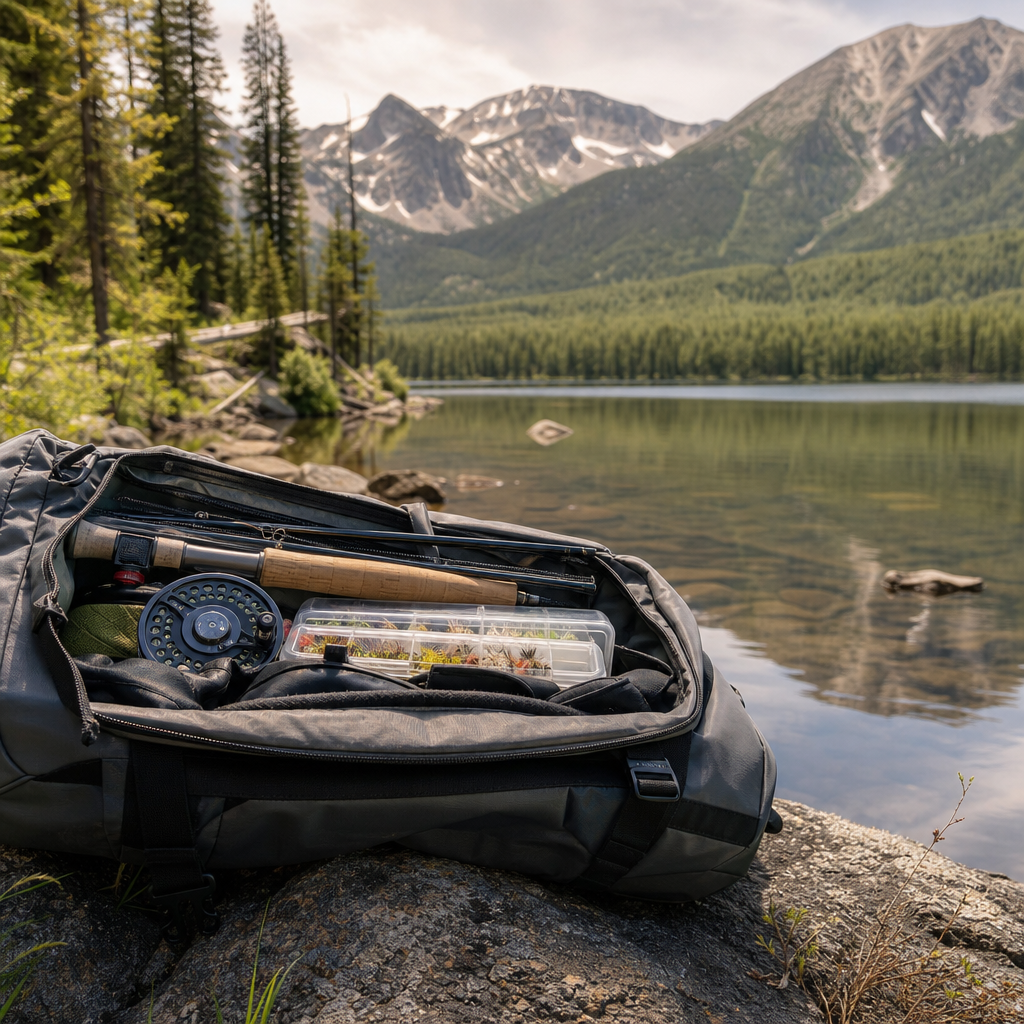
Traveling with fly fishing gear demands more planning than a standard vacation because rods, reels, lines, flies, waders, and tools sit at the intersection of fragile sporting equipment, airline restrictions, and border regulations. For anglers building trips around destination fisheries, especially saltwater flats, alpine rivers, or remote trout lodges, the difference between a smooth arrival and a wasted first day usually comes down to preparation done weeks before departure. In practical terms, international travel with fly fishing gear means packing equipment so it survives baggage systems, clearing customs without confusion, complying with airline carry-on rules, and ensuring critical items reach the water ready to fish. That matters because many destination trips are expensive, weather windows are short, and replacement gear in remote locations is often limited, overpriced, or simply unavailable.
I have learned this the hard way on trips where one missing reel spool, one delayed duffel, or one overlooked import rule changed the entire fishing plan. The core principle is simple: separate essential, hard-to-replace items from bulky, replaceable items, then document everything. Essential items usually include rods, reels, fly lines, leaders, prescription eyewear, travel documents, licenses, and a compact fly box tailored to the destination. Bulkier items such as waders, boots, rain layers, and general clothing can often go in checked luggage if packed properly. International fly fishing travel also introduces destination-specific concerns such as biosecurity checks on used wading gear, restrictions on animal-based tying materials, and country-by-country rules on knives, pliers, and even sunscreen aerosols. A good packing system protects gear, speeds inspections, and gives you options when flights are delayed or gate agents enforce bag rules differently than expected.
This guide serves as a hub for tips for international travel within the broader fly fishing destinations topic. It covers what to pack, how to pack it, what to carry on, how to handle customs, and how to reduce risk from transit damage or lost bags. If you are planning a trip to Patagonia, New Zealand, Iceland, the Bahamas, Mexico, or any other fly fishing destination, these are the practices that consistently work.
Choose gear for travel, not just for fishing performance
The best international travel setup starts with gear chosen specifically for transport. Four-piece and six-piece fly rods are the standard because they fit carry-on dimensions more easily than two-piece rods and are less likely to trigger oversize baggage handling. A rigid travel tube is nonnegotiable. Aluminum tubes offer superior crush protection, while modern reinforced composite tubes save weight and resist impact well enough for most airline travel. If I am bringing only one rod, I use the factory tube inside my carry-on roller or duffel. If I am bringing multiple rods, I bundle individual rod socks in one hard tube and label the outside with my name, phone number, email, and destination lodge address.
Reels travel best in padded reel cases with drags backed off. Fly lines should be cleaned before departure, then labeled by density and grain weight if you are carrying several spools. In tropical destinations, I avoid bringing old coldwater lines because memory and coating cracks become obvious in heat. For wading gear, prioritize quick-drying, lightweight boots and breathable waders that pack small. Felt soles can create issues in places with invasive-species rules, so rubber soles with studs are generally safer for international itineraries. Travel-ready gear is not always the lightest or cheapest option, but it minimizes breakage, repacking stress, and compliance problems.
A destination-specific packing list also reduces overpacking. A bonefish trip requires different flies, leaders, and sun protection than a trout float in Chile or a sea-run brown trip in Tierra del Fuego. I break gear into fishery categories: rod weights, terminal tackle, clothing system, and contingency kit. That keeps me from carrying duplicates that add weight without adding utility.
Pack carry-on and checked bags with a failure plan
The most reliable rule in international fly fishing travel is this: pack as if your checked bag will arrive late. Your carry-on should contain enough gear to fish for at least one day if your luggage misses a connection. For me, that means one versatile rod, one reel with an appropriate line, leaders, tippet, forceps, nippers if permitted, polarized glasses, medications, travel documents, one change of technical clothing, and a compact fly box. If boots and waders are essential on day one and my carry-on space allows, I carry those too. This approach matters most on itineraries with short layovers, multiple regional airlines, or weather-prone routes through major hubs.
Checked bags should be organized in layers. Put heavy, durable items such as boots at the bottom, softer clothing around reels or accessories for padding, and waders in a breathable stuff sack rather than compressed under hard objects. Use internal zip pouches for tools, spare lines, floatants, and charging cables. Every checked bag should contain an itinerary card with your contact details and lodging information in case the external tag is lost. Apple AirTag, Tile, and similar trackers are extremely useful; they do not prevent loss, but they let you see whether a bag is still in Miami, Madrid, or Buenos Aires while the airline system catches up.
For expensive trips, I strongly recommend splitting critical gear across bags when traveling with a partner. Do not put all rods in one checked tube and all reels in another checked case. If one bag disappears, both anglers should still be able to fish. Redundancy is a travel strategy, not luxury.
Understand airline rules before you reach the airport
Airline policy is where many anglers make preventable mistakes. Most carriers publish rules for sporting equipment, but gate enforcement varies by aircraft type, route, and staff discretion. A carry-on rod tube that fits on a transatlantic wide-body may be challenged on a regional jet for the final leg. Before flying, check the operating carrier, not just the booking airline, and review dimensions for carry-on, personal item, and checked sporting goods. Print or save the policy so you can reference it calmly if challenged.
Sharp tools create the biggest uncertainty. Hemostats without blades are often easier to explain than multipurpose tools with knife attachments. Scissors, line snips, and hook files may be prohibited in carry-on bags depending on airport security rules. Country-specific security agencies can differ from TSA guidance, so assume stricter enforcement on return flights. I pack all clearly sharp items in checked luggage unless I have verified they are allowed. Large fly boxes filled with saltwater hooks can also prompt inspection, so keep them tidy and accessible.
Battery rules matter too. Lithium batteries for headlamps, cameras, or boat electronics usually belong in carry-on baggage, with terminals protected. CO2 cartridges for inflatable life vests may be restricted. Aerosol bug spray and stove fuel create additional hazards and should be researched well in advance. When in doubt, leave marginal items home and buy them at the destination. Missing one accessory is better than surrendering a bag at security.
| Travel item | Best bag | Reason | Common issue |
|---|---|---|---|
| Fly rod in rigid tube | Carry-on if dimensions allow | Prevents loss and crush damage | Regional aircraft size limits |
| Reel with line | Carry-on | Critical, compact, expensive | Extra screening if heavily packed |
| Waders and boots | Checked, or carry-on for first-day use | Bulky but usually replaceable | Wet or dirty gear may trigger inspection |
| Knives and scissors | Checked | Security compliance | Confiscation at screening |
| Lithium batteries | Carry-on | Required by most airline safety rules | Unprotected terminals |
Prepare for customs, biosecurity, and import rules
Customs procedures for fly fishing gear are usually straightforward if your equipment is clean, documented, and clearly for personal use. Problems arise when anglers carry dirty boots, muddy wading staffs, food, animal products, or large quantities of flies and materials that look commercial. New Zealand is especially strict on biosecurity, and rightly so. Used waders, boots, and nets should be thoroughly cleaned, dried, and inspected before departure. Remove gravel, plant matter, and dried mud from soles, seams, laces, and boat bags. If a border officer asks whether your gear has been used in freshwater, answer honestly and be ready to show it is clean.
Tying materials deserve special attention. Feathers, fur, and animal hides can raise import concerns, particularly if they come from protected species or lack clear commercial processing. Finished flies tied with common legal materials rarely create problems when packed in normal fishing quantities, but loose tying inventory is another matter. If you do not need full tying kits on the trip, do not bring them. Sunscreens, medications, and fish-related food items can also trigger declarations depending on country rules.
For high-value gear, carry proof of ownership and value. A simple spreadsheet with item descriptions, serial numbers, and approximate replacement costs helps with customs questions and insurance claims. U.S. travelers can also review the CBP certificate of registration process for expensive equipment before departure. Similar re-entry documentation may exist in other countries. The goal is to show that your rods and reels left with you and are returning with you, rather than being imported for sale.
Insure the trip and protect against delays, damage, and loss
Travel insurance and tackle-specific coverage are not glamorous, but they save trips. Standard airline liability for sporting equipment is limited and claim processes are inconsistent. A good travel insurance policy should cover trip interruption, delayed baggage, emergency medical treatment, and evacuation if you are heading to remote water. Read the sporting equipment language carefully because some policies exclude breakage during use but cover loss in transit. Separate homeowners, renters, or specialty outdoor policies may cover rods, reels, cameras, and electronics worldwide.
Documentation matters more than people expect. Photograph each rod, reel, and bag before departure. Keep receipts, serial numbers, and screenshots of booked flights, baggage tags, and lodge reservations. If a rod tube arrives cracked, report it before leaving the airport baggage area. If a checked duffel fails to arrive, file the report immediately and keep copies. Airlines respond much faster when the paperwork is complete and specific. On a trip to the Caribbean, a delayed bag was delivered in time for day two only because we had precise local contact information and a tracker showing the bag on the island.
Damage prevention is equally important. Fill empty spaces in rod tubes so sections do not rattle. Cushion reel handles. Use waterproof duffels or pack liners for boats, skiffs, and rainy tarmac transfers. Insurance should be the backup plan, not the primary plan.
Build a destination-ready kit and communicate with local experts
The easiest way to avoid travel mistakes is to ask the lodge, outfitter, or guide exactly what they expect you to bring. Good operators provide detailed tackle recommendations, local weather patterns, wading requirements, and transfer logistics. Use that information. If a guide says 80 percent of shots are inside 50 feet and the wind is usually moderate, that shapes which rods and lines you pack. If the lodge supplies boots, leave yours home. If domestic bush flights impose strict weight limits, every unnecessary fly box becomes a liability.
A destination-ready kit is compact, redundant where it counts, and adapted to local conditions. For trout travel, that often means one primary rod, one backup, floating line plus a sink-tip if appropriate, a tight range of leaders and tippet, and flies matched to the season. For saltwater, bring corrosion-resistant reels, tropical lines, spare leaders, and flies organized by species and water depth. Keep a small repair kit with Aquaseal, zip ties, braid loops, sunscreen, blister treatment, and spare sunglasses screws. These minor items solve disproportionate problems.
Communication also helps with paperwork. Many outfitters know current visa needs, airport transfer realities, tipping customs, and whether tackle shops near the destination are dependable. They can tell you if local regulations require barbless hooks, prohibit certain boot soles, or restrict fishing in border zones. That local knowledge is often more current than a generic packing article.
Make long travel days easier on arrival and on the water
International fishing itineraries are physically demanding. Red-eyes, missed meals, dehydrating flights, and immediate transfers to boats or rivers can ruin your first fishing day even when your gear arrives intact. Pack one arrival kit in an easy-to-reach pouch: passport copies, local currency, pain reliever, electrolytes, sunscreen, lip balm, and a clean shirt. Compression packing cubes help keep technical clothing organized so you are not rebuilding your entire duffel in a lodge lobby. After landing, inspect rods and reels before you sleep, not five minutes before the truck leaves.
Jet lag and climate shifts affect performance more than many anglers admit. Tropical trips require aggressive hydration and sun protection from day one. Cold-weather destinations demand dry base layers kept separate from wet gear. If you are moving between fisheries, dry equipment thoroughly to prevent mildew and to comply with local invasive-species controls. At the end of the trip, repeat the same discipline for the return flight: clean gear, secure hooks, recharge batteries if needed, and confirm airline baggage allowances again, especially if souvenirs changed your weight distribution.
For anglers exploring more destination planning resources, this hub pairs naturally with deeper guides on packing lists, airline gear policies, tropical versus coldwater tackle selection, and country-specific fishing regulations. Used together, those resources help turn complicated itineraries into predictable ones.
Traveling with fly fishing gear internationally is manageable when you treat the trip as a logistics project, not just a packing exercise. Choose travel-friendly rods and reels, separate essential gear into carry-on bags, clean equipment for inspections, verify airline and border rules, document high-value items, and insure what you cannot easily replace. Those steps protect both your investment and your fishing time, which is the real currency on destination trips. The biggest benefit is confidence: when flights change, bags lag behind, or customs asks questions, you already have a plan.
Whether you are heading to a famous trout river or a remote saltwater flat, the smartest anglers prepare for the weak points in international travel before they leave home. Start with your itinerary, confirm local requirements with the outfitter, then build a packing system that keeps one fishable setup with you at all times. Do that, and you will spend less energy solving airport problems and more time focused on the water. Use this hub as your starting point, then map out the destination-specific details for your next fly fishing trip.
Frequently Asked Questions
How should I pack fly fishing gear for air travel to avoid damage, delays, or missing equipment?
The best approach is to pack fly fishing gear in layers based on fragility, value, and how soon you may need it after landing. Start with rods: whenever possible, use a hard rod tube and place it either in your carry-on or inside a rigid checked duffel or suitcase with padding around it. Multi-piece travel rods are much easier to transport than longer two-piece setups, especially when dealing with overhead bins, bush planes, rental cars, or lodge transfers. Reels should be protected in padded reel cases, and it is smart to remove them from rod seats before travel to reduce stress on both the reel foot and the rod hardware.
Organize small items into categories before you leave. Keep leaders, tippet, indicators, split shot, fly boxes, line cleaner, and repair materials in labeled zip pouches or clear organizers. This speeds up security inspections and helps you find what you need quickly after arrival. Pack waders and boots in a waterproof bag or separate compartment so damp gear does not affect clothing or electronics. If you are heading to a saltwater destination, include a small maintenance kit with reel lube, a cloth, and corrosion protection because gear often takes a beating during transit and in humid environments.
It is also wise to split critical equipment between bags whenever possible. For example, if you are checking a main duffel, keep essential items such as one rod, one reel, a fly box, polarized sunglasses, licenses, and a day or two of terminal tackle with you. That way, even if checked luggage is delayed, you are not losing the entire first day of your trip. Finally, make a checklist and photograph all major gear before departure. A written inventory, combined with photos, helps with repacking during the trip and is extremely useful if you need to file an insurance or airline claim.
Can I bring fly rods, reels, flies, and tools in my carry-on bag, or do they need to be checked?
The answer depends on the airline, the airport, the country, and sometimes even the individual security officer, which is why anglers should never rely on assumptions. In general, compact travel rods in tubes are often easier to carry on than full-length gear, but acceptance is not guaranteed. Reels are commonly carried on, especially by anglers who want to protect expensive drag systems from rough baggage handling, though some travelers choose to remove fly lines and backing if they are concerned about how an item may be interpreted during screening. Flies, nippers, forceps, hook sharpeners, and scissors can trigger closer inspection because they fall into a gray area between sporting equipment and sharp tools.
The safest practice is to review current airline and security rules well before departure, then call the airline directly if anything is unclear. Print or save those policies on your phone. Even then, be prepared for variability at the checkpoint. If a tool would be costly or impossible to replace at your destination, pack it only if you are confident it complies with the rules. Many anglers place potentially questionable items such as large streamers, heavy saltwater flies, pliers, and line cutters in checked baggage to avoid problems. Smaller trout flies may pass without issue in some locations, but there is no universal guarantee.
If you plan to carry on fishing gear, pack it neatly and make it easy to inspect. Use fly boxes that close securely, avoid loose hooks, and group metal tools together. Be polite and proactive if security has questions. For international itineraries or destinations with multiple connecting airports, a more conservative strategy usually works best: carry on the high-value items that are clearly allowed, and check anything that could be challenged. That balance helps protect your gear without risking confiscation or missed flights due to security delays.
What should I know about traveling internationally with fly fishing gear, especially when crossing borders or visiting remote lodges?
International fly fishing travel involves more than just getting your bags onto the plane. You also need to think about customs regulations, import rules, biosecurity requirements, and the realities of moving through remote logistics chains. Some countries are strict about items that have touched freshwater systems, mud, plant matter, or animal products. Wading boots, felt soles, landing nets, and waders may need to be thoroughly cleaned and dried before entry to prevent the spread of invasive species or fish diseases. If your gear appears dirty, customs or agricultural inspectors may delay, inspect, clean, or even deny entry for specific items.
Flies and tying materials can also raise issues depending on what they contain. Feathers, fur, or other animal-derived materials may be subject to restrictions in certain jurisdictions, especially if protected species are involved. If you are bringing premium custom flies or materials, it is wise to know exactly what they are made from and avoid carrying anything with uncertain origin. For remote destinations, especially lodges that require charter flights, boats, or small aircraft, baggage weight limits are just as important as border rules. Large roller bags and heavy boot-wader combinations can become a problem if you are moving from a major airport to a floatplane dock or bush airstrip.
Preparation matters most before you leave home. Confirm entry requirements, fishing license rules, and gear cleaning expectations with the lodge, outfitter, or local guide service. Ask for a recommended packing list tailored to the fishery, climate, and transportation chain. Keep copies of passport details, travel insurance, itinerary, and gear inventory both digitally and on paper. For expensive setups, consider proof of ownership documents in case customs officials ask whether the equipment was purchased abroad. The smoother your paperwork and packing system are, the less likely you are to lose valuable fishing time dealing with preventable border or transfer issues.
How can I protect expensive rods and reels from airline damage, lost baggage, and harsh fishing environments during the trip?
Protecting premium fly gear starts with choosing the right travel setup, not simply stuffing equipment into whatever luggage you already own. High-end rods belong in durable tubes with secure caps, and those tubes should either stay with you or be packed inside a well-padded hard-sided or semi-rigid case. Reels deserve the same level of care. Use padded cases, loosen drags before travel, and keep them away from heavy boots, tools, or metal accessories that can dent frames during transit. If you are carrying multiple reels, do not allow them to bang together in a shared compartment without separators.
Lost baggage is a different risk from physical breakage, so build redundancy into your system. If the trip matters enough to justify premium travel, it usually matters enough to justify bringing a backup rod, spare fly line, extra leaders, and at least one secondary reel. Even a modest backup setup can save a trip if your primary gear is delayed, broken, or damaged by salt, grit, or impact. Tag every bag clearly, place contact information inside and outside each piece of luggage, and consider using a Bluetooth tracker in checked baggage and rod cases so you can locate gear quickly if it is misrouted.
Once you arrive, protection shifts from airline hazards to environmental wear. Saltwater destinations are especially hard on reels, flies, and tools. Rinse gear with fresh water, dry it thoroughly, and inspect moving parts daily. In sandy flats environments, keep reels off the ground and avoid laying rods where grit can work into ferrules or drag systems. In alpine or river settings, sudden temperature changes, vehicle doors, and rocky access points are common sources of rod damage. A little discipline goes a long way: break down rods when moving between spots, store gear securely in vehicles, and perform quick end-of-day maintenance so small issues do not become trip-ending failures.
What are the most common mistakes anglers make when traveling with fly fishing gear, and how can they avoid them?
One of the biggest mistakes is waiting too long to plan. Many anglers focus on flights and lodging but leave gear logistics until the final days before departure. That leads to rushed packing, overweight bags, missing licenses, overlooked airline restrictions, and no backup plan if baggage is delayed. Avoid this by building a trip checklist at least a few weeks in advance. Include transportation segments, baggage rules, destination-specific tackle, clothing layers, documents, medications, charging cables, and gear maintenance items. A checklist sounds simple, but it is one of the most reliable ways to prevent expensive oversights.
Another frequent mistake is bringing too much gear without prioritizing what the destination actually requires. A remote trout lodge, saltwater flats skiff, and mixed-species road trip all call for different setups. Overpacking makes transfers harder, increases baggage fees, and creates more opportunities for loss or breakage. Instead, ask your guide or outfitter exactly what rod weights, line types, flies, and clothing systems are recommended for the season. Pack around the fishery, not around every possible scenario you can imagine. Smart packing is about coverage, not volume.
Anglers also commonly underestimate maintenance and replacement needs. They pack the headline items such as rods and reels, but forget spare leaders, extra fly lines, ferrule wax, boot laces, sunglasses retainers, waterproof phone storage, or a simple drying bag for wet gear. Finally, many travelers fail to separate essentials from nonessentials. If all of your usable gear is in one checked duffel and that bag misses a connection, your trip can start with a wasted day