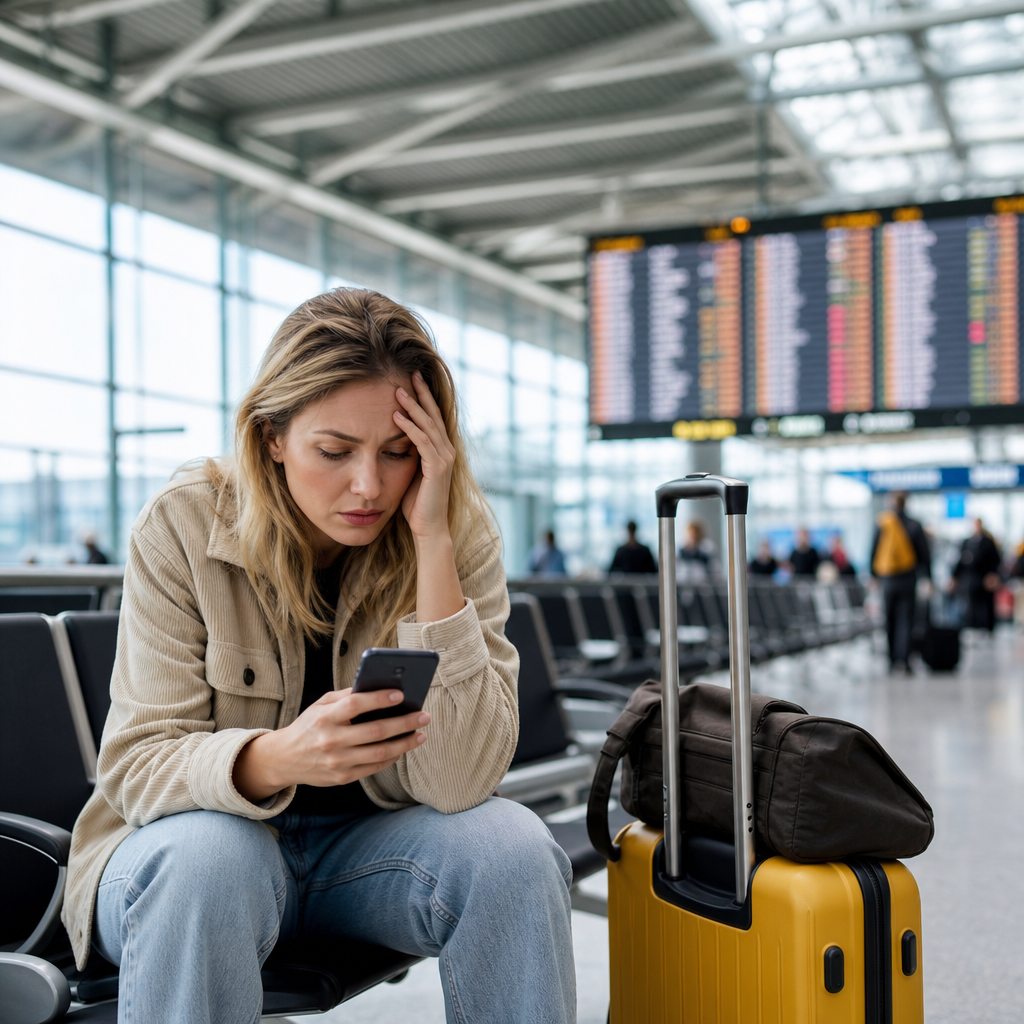
Travel delays and cancellations are an unavoidable part of modern travel, and they matter even more when your trip includes international flights, customs connections, and time-sensitive plans around remote fly fishing destinations. In practical terms, a delay means your itinerary still operates but later than scheduled, while a cancellation means one or more booked segments will not operate at all and must be replaced, refunded, or rebooked. I have learned through missed island transfers, weather holds, and overnight airport disruptions that the difference between a manageable inconvenience and a trip-ending problem usually comes down to preparation, documentation, and fast decisions. For anglers heading abroad, the stakes are higher because lost time can mean missing a charter, a tide window, a guide day, or a lodge transfer that runs only once. Understanding how to handle travel delays and cancellations is therefore not just a convenience issue; it is a core part of international trip planning.
International travel creates extra layers of complexity that domestic travelers often underestimate. A single disrupted itinerary can involve multiple airlines, separate ticket numbers, immigration rules, checked rod tubes, and nonrefundable local transport. Some countries require proof of onward travel, visa timing, or entry within a narrow window, and those requirements do not disappear because an airline changed your plans. Weather, air traffic congestion, crew legality limits, airport strikes, mechanical issues, and missed connections are common causes of disruption. The smartest response starts before departure: book with enough connection time, know your rights, save the right contacts, and carry essentials in your cabin bag. This hub article covers the full process, from preventing problems before you leave to recovering costs after you return, with a focus on real international travel decisions that protect your fishing schedule, your gear, and your budget.
Plan for disruption before you book
The best way to handle travel delays and cancellations is to reduce your exposure before you ever buy the ticket. For international fly fishing travel, I strongly prefer itineraries with a single alliance or airline family, because through-ticketed bookings are easier to protect when one segment fails. If you book separate tickets to save money, the second carrier usually has no obligation to help if the first flight arrives late. That matters when you are connecting from a major gateway to a small regional airport or island airstrip. Build longer connection times than airline search tools suggest. A legal minimum connection may work on paper, but it often fails in real life when passport control lines are long, gates change, or checked bags move slowly.
Pay close attention to arrival timing at your final destination. If your lodge transfer leaves once each afternoon, flying in the same day is risky. I usually recommend arriving at least one day early for remote fisheries in places such as the Bahamas, Belize, Mexico, Iceland, or Patagonia. That buffer protects against missed connections and gives your baggage time to catch up if rods or waders are delayed. It also reduces the impact of seasonal weather systems, which can shut down small airports far more easily than large hubs.
Travel insurance is another critical booking decision. Not all policies cover the same events, and many travelers discover exclusions only after submitting a claim. Look for trip delay, trip interruption, baggage delay, and missed connection coverage, and verify coverage limits for fishing tackle, cameras, and technical apparel. If you pay with a premium travel credit card, review the card benefits too. Some cards include delay reimbursement for hotels, meals, and essential purchases, but only if the trip was paid for with that card and the disruption meets the required threshold.
Know what to do the moment a delay starts
When a delay appears on the departure board or in an airline app, act immediately. Waiting politely in line without using other channels is one of the most common mistakes. Open the airline app, check alternate flights, and call customer service while also joining the airport service line. If the airline offers chat support, use that as well. The first available agent who can confirm a new seat often determines whether you arrive the same day or lose two days. During widespread disruptions, inventory disappears quickly, especially on international routes with limited frequencies.
Start by answering three questions clearly: Can I still make my connection? If not, what is the fastest path to my destination? And if I cannot arrive today, what overnight plan preserves the trip? Being specific helps agents help you. Instead of saying, “I need to get there somehow,” say, “My original routing was Miami to Nassau to Marsh Harbour, and I need the earliest protected option that gets me to Nassau tonight because my lodge transfer leaves tomorrow morning.” That level of clarity often produces better solutions than a general complaint.
Document everything as the disruption unfolds. Take screenshots of delay notices, cancellation messages, new itineraries, baggage receipts, and any written reason the airline provides. Save meal, taxi, hotel, and replacement gear receipts. In my experience, reimbursement claims are won or lost on documentation quality, not on how justified the traveler feels. If a gate agent says the delay was caused by weather, ask whether that reason is reflected in your record. If it was mechanical or staffing-related, note that too. Different causes can affect compensation rights and insurance claims.
Understand airline obligations and passenger rights
Airline obligations vary by country, carrier, and ticket type, so travelers need a practical framework rather than assumptions. In general, when an airline cancels a flight or causes a major schedule disruption, it must offer either rebooking or a refund for the affected segment. Beyond that baseline, accommodation, meals, and cash compensation depend on local rules and the cause of the disruption. For example, flights departing from the European Union are often covered by EC 261 rules, which can require compensation for certain cancellations and long delays unless extraordinary circumstances apply. In the United States, airlines must provide refunds for canceled flights when passengers choose not to travel, but there is no broad federal cash compensation scheme for ordinary delays.
For international travel, code-share flights create confusion. The airline that sold the ticket may not be the same airline operating the aircraft, and rights can depend on both. Check the operating carrier, the marketing carrier, and the country of departure. If your trip includes Canada or the European Union, read the applicable passenger rights pages before departure. I keep those links saved offline because airport Wi-Fi fails at the worst times. If your plans involve a package holiday, charter transfer, or lodge-arranged ground transport, review those supplier terms too. Some providers are flexible when they know early; others treat missed arrivals as no-shows.
The practical lesson is simple: know the rules, but prioritize getting rebooked first. Compensation discussions can happen later. At the airport, your most valuable asset is confirmed onward travel. Once that is secured, ask for meal vouchers, hotel coverage, or endorsement to another airline if the original carrier cannot move you in a reasonable time. Be calm, precise, and persistent. Agents have limited tools, but travelers who understand their options often get better outcomes.
Choose the best recovery option for international itineraries
Not every rebooking is equally useful. The best alternative is the one that protects the most important part of the trip, which is usually not the original route but the first nonflexible commitment at the destination. For a fly fishing traveler, that could be a guide pickup, liveaboard departure, inter-island ferry, or bush flight. Sometimes the smartest move is to reroute into a different airport, stay overnight at a gateway city, or buy a short separate ticket if the airline cannot repair the trip quickly. I have done this when a delayed long-haul flight made the planned same-day regional hop impossible. Sleeping near the gateway airport and taking the first morning flight preserved the week, while insisting on the original routing would have lost two guided days.
| Disruption scenario | Best immediate response | Why it works |
|---|---|---|
| Minor departure delay with tight onward connection | Ask for protection on a backup connection before the first flight departs | Secures inventory before misconnection is official |
| Long-haul cancellation at origin | Request same-alliance rerouting through a different hub | Alliance partners can often access protected inventory |
| Arrival after last lodge transfer | Book gateway hotel and notify lodge immediately | Preserves next available transfer and avoids no-show confusion |
| Separate-ticket misconnection | Buy the shortest practical replacement segment and save receipts | Independent tickets rarely receive full protection |
| Baggage delayed but traveler arrived | File claim before leaving airport and buy only essential replacement gear | Creates official record and supports reimbursement |
When comparing options, consider airport transfer time, immigration requirements, baggage access, and the reliability of the substitute route. A six-hour layover in a stable hub may be better than a risky ninety-minute connection requiring terminal changes and passport control. If your passport allows visa-free entry to one country but not another, that can narrow rerouting choices. Always verify whether checked baggage will transfer automatically or must be reclaimed and rechecked. Rod tubes and reels are especially vulnerable during disrupted rebookings because irregular operations increase handling errors.
Protect your baggage, documents, and fishing gear
Delayed or canceled flights frequently become baggage problems. The rule I follow on every international fishing trip is simple: carry the trip-critical items that would be hard to replace quickly. That usually means medications, passport, wallet, phone charger, one change of clothes, sunglasses, fishing licenses if already issued, and a minimal tackle kit with flies or lures suited to day one. If your airline and aircraft type allow it, keep a multi-piece travel rod in your carry-on. Some carriers treat rod tubes as normal cabin items if they fit overhead; others do not, so check in advance and print the policy if necessary.
If checked bags are delayed, file the report before leaving the airport. Get the reference number and confirm the delivery address, including lodge contact details and local phone numbers. Ask the baggage desk what receipts are required for reimbursement and what spending is considered reasonable. This matters because airlines and insurers often reimburse essentials, not full replacement wardrobes or premium gear purchases. In a remote destination, “reasonable” may still include technical clothing, sun gloves, or rental tackle if those items are necessary for the activity you booked.
Back up your documents digitally and physically. Keep passport copies, visas, insurance certificates, and flight confirmations in cloud storage and on your phone. I also carry one printed sheet with airline record locators, hotel addresses, transfer contacts, and emergency numbers. When batteries die or data roaming fails, paper becomes surprisingly valuable. For expensive gear, photograph the contents of your checked bag before departure. Those images help prove ownership and condition if something goes missing or arrives damaged.
Communicate with lodges, guides, and transport providers
One of the biggest international travel mistakes is focusing only on the airline while forgetting the people waiting at the other end. If you are delayed, contact the lodge, guide, ground transfer company, or outfitter as soon as your arrival time changes materially. Good operators can often reshuffle airport pickups, move your room assignment, store meals, or adjust the first fishing session, but they need information early. Silence creates operational problems and may trigger no-show charges. In remote fisheries, pickups are sometimes linked to boats, ferries, or shared vehicles that cannot simply wait indefinitely.
Be direct and useful in your message. Include your full name, original arrival time, new estimated arrival time, airline, and whether your baggage is traveling with you. If your gear is delayed, ask whether the lodge has loaner rods, boots, rain jackets, or leader material. Many quality operations keep backup equipment, but availability varies. On hosted trips, the travel coordinator can often solve issues faster than a general reservations inbox, so save that number before departure.
This communication step also protects reimbursement. If a supplier waives a missed transfer fee or shortens a package because they understood the disruption, get that in writing. If they cannot adjust and you must book a replacement overnight or private transfer, ask for an itemized invoice. Clean records make post-trip recovery much easier.
Handle overnight disruptions, expenses, and claims the right way
When a delay turns into an overnight stay, shift from reactive mode to cost-control mode. First, confirm whether the airline will provide a hotel, meal vouchers, or ground transport. If not, book something practical rather than aspirational. Choose an airport hotel with documented rates, keep receipts, and save proof that the airline declined coverage if applicable. For meals, stay reasonable. Claims reviewers look for ordinary travel expenses, not celebratory dinners. The same principle applies to replacement clothing and toiletries after baggage delays.
After you return home, organize the claim before memory fades. Create one folder with the original itinerary, boarding passes, delay screenshots, written disruption reason, receipts, and correspondence with airlines, insurers, lodges, and card issuers. Submit airline claims first when the airline may owe reimbursement directly. Then submit insurance or credit card claims for remaining covered losses. Be precise about the chain of events and amounts requested. Vague claims invite delay or denial. If a claim is rejected incorrectly, escalate with a concise timeline and supporting documents.
The broader lesson for travelers chasing international fly fishing is that resilience beats luck. You cannot prevent every storm, crew timeout, or canceled segment, but you can stack the odds heavily in your favor. Build buffers, buy the right protection, keep critical gear close, know your rights, and communicate quickly with every party involved. Those habits turn disruptions into manageable detours instead of ruined trips. Before your next journey, review your itinerary with delay and cancellation scenarios in mind, then update your contact list, insurance details, and carry-on strategy. A little preparation on the front end protects your time on the water when it matters most.
Frequently Asked Questions
What is the difference between a travel delay and a cancellation, and why does it matter?
A travel delay means your flight, ferry, shuttle, or other booked segment is still expected to operate, but later than planned. A cancellation means that segment will not operate at all, so you will need a replacement itinerary, a refund, or another form of rebooking. That distinction matters because the next steps are very different. With a delay, your priority is usually protecting onward connections, notifying lodges, guides, transfer operators, or hotels, and confirming whether your bags will continue as planned. With a cancellation, you need to move immediately into recovery mode: secure the next available routing, ask about alternate airports or partner carriers, and determine whether your original ticket value can be preserved.
This becomes especially important on complex trips involving international flights, customs clearance, overnight layovers, and remote destinations such as island lodges or fly fishing camps. A two-hour delay may be manageable on a simple domestic trip, but on a tightly timed itinerary it can trigger a chain reaction. You may miss the last charter flight of the day, lose a prepaid boat transfer, arrive after customs or ground transport has closed, or miss the first guided day of your trip. Understanding whether you are dealing with a delay or a true cancellation helps you decide how urgently to act, who to call first, and what backup options are realistic before the problem grows into a much bigger disruption.
What should I do first when my flight is delayed or canceled?
Start by confirming the disruption from a reliable source, ideally the airline app, airline text alert, airport departure board, or a gate agent. Do not rely solely on a third-party booking site for real-time updates. Once you know the status, look at your full itinerary rather than just the affected segment. Ask yourself whether the delay will cause you to miss a connection, whether that connection is the last one of the day, and whether customs, baggage recheck, marine transfers, or lodge pickups are involved. If the answer is yes, act immediately rather than waiting for the situation to sort itself out.
Your next move should be to get in line for in-person help while also trying digital support channels such as the airline app, live chat, or phone support. That gives you multiple paths to a solution at once. If a cancellation is involved, ask specifically for alternate routings, nearby airports, earlier departures on partner airlines, or protection onto the next available flight. If you are traveling to a remote destination, contact every downstream provider as soon as possible: lodge, guide, transfer service, hotel, and travel insurer if applicable. Let them know your revised estimated arrival time and ask whether they can hold or adjust your reservation. Keep screenshots of notices, boarding passes, receipts, and any written communication, because these records are often essential for reimbursement claims, insurance filings, or disputing unexpected charges later.
How can I protect tight international connections and remote destination transfers?
The best strategy is to build your trip with disruption in mind before you ever leave home. Tight connections are risky enough on ordinary routes, but they become much more dangerous when immigration, customs, terminal changes, baggage recheck, weather exposure, or limited daily service are involved. If your final destination requires a regional airline, floatplane, charter, ferry, or lodge-arranged transfer, give yourself more buffer than the airline’s minimum legal connection time. In practice, that often means planning a long layover or even an overnight at a gateway city rather than attempting a same-day handoff to the final remote segment.
During travel, monitor your inbound flight continuously and make contingency decisions early. If you see a delay building, contact the onward operator before you miss the connection, not after. Many remote transfer providers can make small accommodations if they know in advance, but they often have no flexibility once a boat has departed or a charter aircraft has been reassigned. It also helps to keep critical gear, medication, travel documents, a change of clothes, and any irreplaceable essentials in your carry-on, especially on trips where checked baggage delays can cost you guided days on the water. For complicated international itineraries, I strongly recommend having printed confirmation numbers, local contact details, and a clear understanding of whether your bags are checked through or must be collected and rechecked. Those small details often determine whether you recover smoothly or lose an entire day.
What compensation, refunds, or reimbursements can I ask for after delays and cancellations?
What you are entitled to depends on several factors: the airline’s contract of carriage, the country where the disruption occurs, whether your travel is domestic or international, the reason for the disruption, and whether you purchased travel insurance or booked with a premium credit card that includes trip protection benefits. In general, if an airline cancels a flight or significantly changes your itinerary, you can usually request rebooking or a refund for the affected segment if you choose not to travel. During substantial disruptions, airlines may also provide meal vouchers, hotel accommodation, or ground transportation, though this often depends on whether the cause was within the airline’s control rather than weather, air traffic restrictions, or other operational conditions outside its responsibility.
The practical key is to ask clearly and document everything. Request the next available flight, then ask whether hotel, meals, transportation, seat fees, checked bag fees, or missed ancillary charges can be covered or refunded. If you must pay out of pocket, save every receipt. If your trip includes nonrefundable lodging, guides, charters, or prepaid transfers, review your travel insurance policy language carefully, because coverage often hinges on timing, supplier insolvency, weather exclusions, or specific definitions of a “covered reason.” If you booked through a credit card with travel protections, file that claim promptly as well. The strongest claims are organized claims: dated screenshots, cancellation notices, receipts, reservation confirmations, and notes on whom you spoke with and when. Being calm, specific, and persistent usually gets better results than making broad demands without documentation.
How can I reduce the chances that a delay or cancellation ruins my entire trip?
You cannot prevent disruptions altogether, but you can reduce how much damage they cause. First, avoid fragile itineraries. Choose earlier flights in the day when possible, because they offer more rebooking options and are less likely to suffer cascading delays. Build in generous connection times for international travel, especially where customs and baggage recheck are required. For remote trips, consider arriving a day early at the gateway city or final lodge area so that weather or airline issues do not erase the first day of your plans. If the trip is expensive, seasonal, or hard to replicate, that extra buffer is usually worth far more than the cost of one additional hotel night.
Second, prepare for disruptions before departure. Use airline apps, enable notifications, carry chargers and backup power, and keep all reservation numbers in one place. Purchase appropriate travel insurance, understand what it covers, and know the deadlines for filing claims. Pack strategically, with essentials in your carry-on and any specialized gear protected against late-arriving checked luggage. Finally, maintain a simple backup plan: know the next flight, alternate airport, hotel option, and transfer contact before you need them. Travelers who recover fastest are rarely the luckiest; they are usually the most prepared. A delay or cancellation is frustrating, but with buffers, documentation, and quick communication, it does not have to become a trip-ending event.