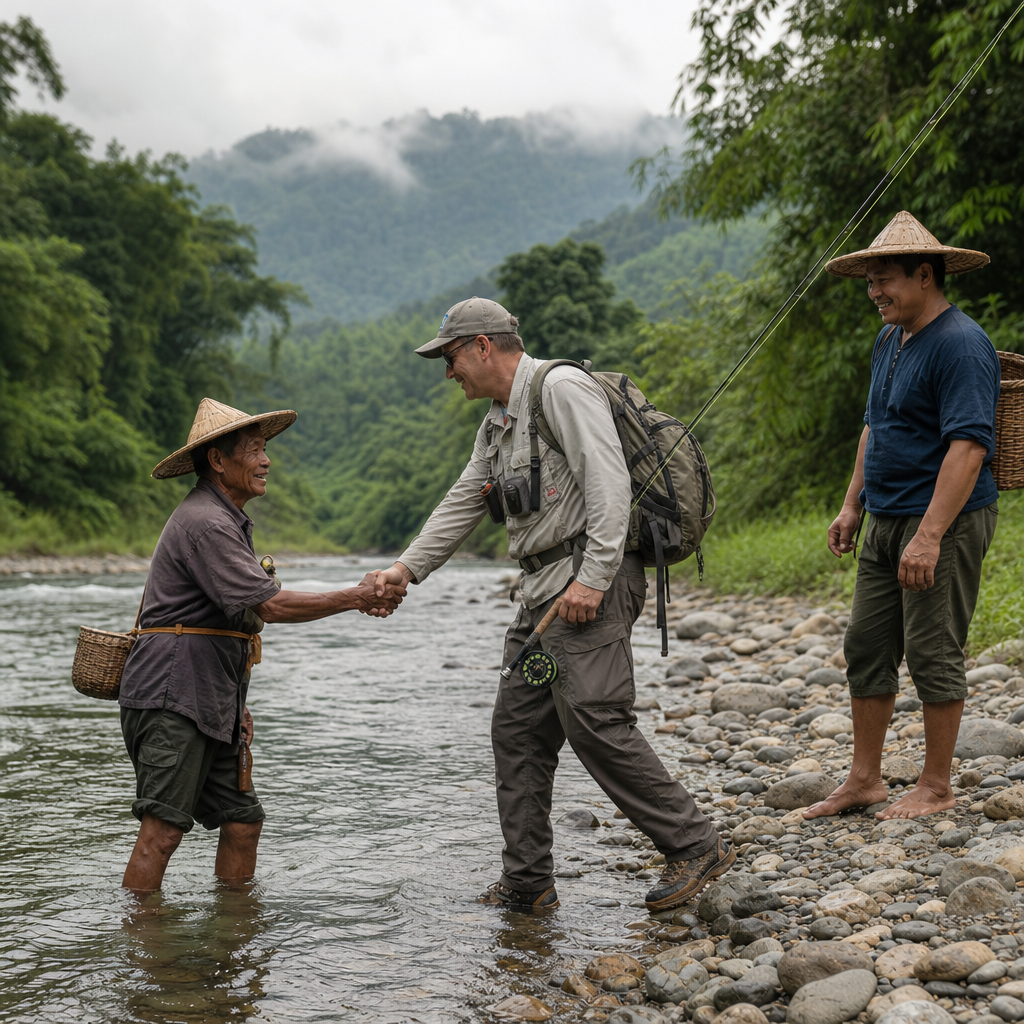
Fly fishing abroad is more than booking a guide and packing a rod tube; it is the practice of entering another country’s waters, customs, regulations, and social expectations with enough awareness to fish well without behaving like an entitled visitor. In the fly fishing destinations category, cultural considerations for fly fishing abroad matter because access, safety, legal compliance, and even the quality of the angling experience often depend on how well travelers adapt to local norms. International travel for anglers includes permits, border rules, tipping customs, language barriers, conservation ethics, food traditions, and regional expectations about private water, wading, gear, and photography. I have seen trips succeed or fail on details that had nothing to do with casting skill. A respectful angler is more likely to gain local trust, useful advice, better guide rapport, and repeat invitations. A careless one can lose access quickly. This hub article explains the practical cultural issues behind successful overseas fly fishing travel, from etiquette and communication to laws, logistics, and environmental stewardship, so travelers can plan international fly fishing trips with confidence and avoid common mistakes before they reach the river.
Research local fishing culture before you travel
The first rule of international fly fishing travel is simple: learn how the destination thinks about fish, rivers, and visiting anglers before you arrive. A fishery is never just a map coordinate. In Patagonia, New Zealand, Iceland, Slovenia, Japan, and the Balkans, I have found that local angling culture shapes everything from access expectations to acceptable fly patterns. Some countries treat rivers as heavily managed sporting resources with strict beats, reservations, and mandatory guides on certain waters. Others emphasize informal local relationships, village permissions, or customary use. Read the national fisheries authority website, regional angling club pages, and current outfitter guidance. If you are building a larger itinerary, this page should also connect to destination-specific articles on permits, packing, guides, and regulations within your fly fishing destinations cluster.
Understand whether anglers primarily practice catch and release, harvest, or a mixed model. In parts of the United States, catch and release is a default ethic on premium trout water, but in some international destinations selective harvest is culturally normal and legally encouraged for nonnative species. Assuming your home-country norms apply can create friction. Learn the target species’ local importance as well. Atlantic salmon in Norway, taimen in Mongolia, sea-run brown trout in Tierra del Fuego, and ayu-related stream traditions in Japan all carry distinct histories. When rivers are tied to identity, conservation, or rural livelihoods, visitors are expected to show humility. Even simple questions like “Do locals keep fish here?” and “Who manages this beat?” can reveal the social structure of a fishery and help you avoid thoughtless behavior.
Respect permits, access rights, and legal requirements
Many international anglers underestimate how different access law can be outside their home country. Do not assume that wading a river is automatically legal because the water appears public. In England and much of Scotland, salmon and trout fishing is often controlled beat by beat, with rights held by estates, clubs, or syndicates. In Iceland, prime rivers commonly require advance reservation and can cost far more than a casual visitor expects. In New Zealand, some backcountry waters are publicly accessible, but biosecurity rules are exceptionally strict. In Chile and Argentina, private estancias may control key access corridors. The correct approach is to confirm four things in writing: license requirements, river-specific permits, access rights, and gear restrictions.
Gear regulations deserve special attention. Barbless hooks may be mandatory. Felt soles are banned in some jurisdictions because they can spread invasive organisms. Lead shot, split shot, or weighted flies face restrictions in certain waters. Some areas prohibit fishing from boats during spawning periods or ban the use of indicators on designated dry-fly streams. Border controls may also affect gear. Customs officers can inspect waders, boots, and nets for contamination. New Zealand’s Ministry for Primary Industries is known for checking used outdoor equipment carefully, and anglers carrying damp or dirty gear can face delays, cleaning orders, or penalties. Respecting the legal framework is not bureaucracy for its own sake; it is part of proving you are fit to fish a place that local communities and agencies are trying to protect.
Communicate clearly with guides, lodges, and local anglers
Good communication is one of the most valuable international travel tips for fly fishing. Many problems attributed to “bad guiding” are really expectation mismatches that should have been addressed before arrival. Confirm the target species, typical methods, average wading difficulty, physical fitness demands, weather range, daily schedule, and what gear is included. Ask direct questions: Are fish usually sight-fished or blind-fished? Will we be floating or walking? Are long leaders standard? Is a sinking line essential? Are lunch, flies, and terminal tackle included? A professional guide usually appreciates precise questions because they signal preparedness rather than distrust.
Language barriers do not require fluency, but they do require effort. Learn key words for hello, thank you, please, yes, no, river left, river right, stop, fish on, net, and lunch. Translation apps help, but they do not replace patience and observation. I also recommend sending a short pre-trip message that lists your casting level, wading confidence, dietary issues, and any injuries. If you cannot comfortably hike five miles over uneven ground, say so before you are dropped into a canyon fishery. Cultural tone matters too. In some places, directness is appreciated; in others, blunt criticism of weather, water levels, or the guide’s decisions will be seen as rude. Ask questions respectfully, listen more than you speak, and treat local knowledge as expertise rather than background service.
Understand etiquette on the water and in the lodge
Fly fishing etiquette changes by country, region, and species. The safest assumption is that you should watch first and imitate second. On famous salmon rivers in Europe, rotation through a pool may be expected, and repeatedly recasting to one lie can be viewed as poor form. On small Japanese mountain streams, compact movement and quiet presentation matter because anglers place a premium on subtlety and streamside restraint. In New Zealand’s sight-fishing culture, barging into a run without scanning ahead can ruin opportunities for everyone. Even on less formal trout rivers, crowding another angler, stepping into a run below someone, or walking through a pool instead of around it can create unnecessary tension.
Lodge etiquette matters as much as river etiquette. Ask before drying gear in shared areas, smoking, drinking heavily, or playing music. Remove muddy boots where expected. Be on time for transport; remote operations run on logistics, not casual vacation timing. Tipping customs vary widely. In the United States, guide tips are routine. In parts of Europe, service charges or different hospitality norms may make tipping less central, though still appreciated. The correct solution is to ask the lodge manager privately what is customary. Photography also deserves sensitivity. Some guides love hero shots; others prefer quick fish handling and minimal staging. In communities where fishing pressure has increased due to social media, broadcasting exact locations can damage relationships. If in doubt, share the fish, not the coordinates.
Prepare for international travel logistics that affect the trip
International fly fishing succeeds when travel planning is treated as part of fishing preparation, not as a separate administrative task. Airlines can misroute rod tubes, oversized duffels, or reels packed in checked baggage. I recommend carrying one fishable setup in your cabin bag when rules allow, plus essentials such as a reel, flies, medications, sunglasses, and one set of technical layers. Check each airline’s policy on rod tubes and lithium batteries for headlamps or electronics. For countries requiring visas, invitation letters, firearms declarations for bear protection, or proof of onward travel, resolve those steps early. Remote lodges may also have strict baggage weight limits on bush planes or helicopters, which can force hard choices between clothing and gear.
Money, electricity, and connectivity affect comfort more than many anglers expect. Bring a payment mix appropriate to the country: cards, local cash, and a backup option. Rural guide operations may not process cards reliably. Confirm plug types, voltage compatibility, and mobile coverage. Download offline maps through tools such as Google Maps, Gaia GPS, or onX Backcountry where applicable. Travel insurance should cover medical evacuation, trip interruption, and equipment loss. I have seen one missed weather flight cascade into two lost fishing days because no one had a buffer night or flexible transfer plan. International travel tips for anglers are not glamorous, but they protect expensive days on the water.
| Travel issue | Why it matters | Best practice |
|---|---|---|
| Rod and reel transport | Lost luggage can erase fishing days | Carry one setup onboard and label checked tubes clearly |
| Dirty boots and waders | Biosecurity inspections may delay entry or trigger penalties | Clean, dry, and declare gear honestly |
| Cash and tipping | Remote areas may lack card service and customs differ | Ask the lodge what is standard and bring local currency |
| Transfer schedules | Weather and distance can disrupt lodge connections | Build buffer time before and after remote segments |
Follow conservation norms and biosecurity protocols
Conservation expectations are often where cultural respect becomes visible. Many international destinations depend on strong stewardship because their fisheries are fragile, isolated, or economically important to local communities. Didymo, whirling disease, New Zealand mud snails, and other invasive threats have changed how responsible anglers handle gear. Drying equipment overnight is not always enough. Use approved disinfection methods when required, especially after moving between watersheds or countries. Clean boots, nets, laces, wading staffs, and boat bags, not just visible surfaces. If a destination recommends non-felt soles, accept that the policy is based on ecological risk, not convenience.
Fish handling standards differ, but the highest common denominator is easy to identify: minimize air exposure, support the fish properly, keep it in current while recovering, and stop fishing when water temperatures or spawning closures make catch and release unsafe. Some jurisdictions publish temperature-triggered guidance or mandatory afternoon closures. Others rely more heavily on voluntary compliance. If local biologists, guides, or lodges ask anglers to rest a beat, rotate pools, or avoid redds, do it. International anglers are guests inside management systems that may be balancing tourism revenue with native fish recovery, hatchery policy, indigenous rights, and rural employment. Showing restraint is often the clearest sign that you understand the bigger picture.
Navigate food, health, safety, and social expectations
The best international fly fishing trips feel seamless because anglers prepare for daily life, not just fishing. Food can be one of the easiest ways to show respect. Try local meals unless you have a medical reason not to, communicate allergies early, and understand meal timing. In some lodges, dinner is a formal communal event; in others, it is fast and practical because guides rise before dawn. Drinking culture varies too. Sharing a toast may be part of hospitality in one country, while declining alcohol is completely normal in another. The key is to participate politely without assuming your habits set the standard.
Health and safety planning should be destination-specific. Jet lag, altitude, heat, cold, sun exposure, insects, and waterborne illness all affect performance on the river. Carry prescription copies, basic first aid, rehydration salts, and any required prophylaxis. Register with your embassy when traveling to remote regions if conditions warrant it. Understand local emergency numbers and whether satellite communication is necessary. Social expectations matter beyond the riverbank as well. Dress modestly when traveling through towns, ask before photographing people, and avoid political commentary unless invited into a serious conversation. Guides are often asked to translate not only language but behavior. Make that job easy by being adaptable, observant, and consistently courteous.
Build relationships that improve future trips
One overlooked benefit of cultural awareness is that it makes every future fly fishing trip abroad easier. Guides remember anglers who listened, tipped appropriately, followed rules, and showed interest in local knowledge. Lodge managers notice who arrived prepared and treated staff with respect. Local anglers are far more willing to share information when they do not feel exploited for spots or social media content. These relationships lead to better recommendations, more realistic trip planning, and access to waters or timing that online research alone will not reveal. They also help travelers distinguish between marketing language and actual fishing conditions.
Cultural considerations for fly fishing abroad are therefore not optional travel polish; they are part of fishing effectively, legally, and honorably in another country. Research the local fishery, confirm permits and access, communicate clearly, adapt to etiquette, plan logistics carefully, follow conservation rules, and respect daily social norms. Those habits protect the resource and improve your experience at the same time. If you are using this page as your hub for tips for international travel, the next step is straightforward: choose your destination, review its regulations and customs in detail, and build your itinerary around local expectations rather than assumptions from home.
Frequently Asked Questions
Why do cultural considerations matter so much when fly fishing abroad?
Cultural awareness directly affects access, safety, legality, and the quality of your overall fishing experience. When you travel to fish in another country, you are not just stepping into a new river system or saltwater flat; you are entering a place with its own customs, etiquette, land-use traditions, and expectations about how visitors should behave. In many destinations, local relationships determine who gets access to certain waters, how guides prioritize clients, and how communities respond to visiting anglers. A technically skilled fly fisher who ignores local norms can quickly create tension, while a respectful visitor is far more likely to be welcomed, helped, and invited back.
There are also practical reasons to take culture seriously. What may seem normal in one country, such as wading through a streambank, photographing everything, tipping in a particular way, or casually discussing prices, may be considered rude, intrusive, or inappropriate elsewhere. In some fisheries, waters are tied to private estates, Indigenous communities, village agreements, or long-standing local customs that govern who can fish and when. Understanding those realities helps you avoid accidental disrespect and prevents problems that can escalate from awkward misunderstandings into denied access or legal trouble. In short, cultural considerations are not separate from successful fly fishing abroad; they are often what make successful fly fishing abroad possible.
What should I learn before traveling to fish in another country?
Before leaving home, learn far more than the hatch chart and recommended fly patterns. Start with the legal framework: licenses, permits, catch-and-release rules, protected species, gear restrictions, closed seasons, guide requirements, import and export rules for equipment, and any regional differences in regulation. Some countries manage fisheries nationally, while others leave key decisions to provinces, states, local councils, tribal authorities, or private beats. Never assume the rules work the way they do at home. A destination may limit hook types, prohibit felt soles, restrict wading, require certified local guides, or set very specific protocols for handling fish.
Just as important, study the social side of the destination. Learn whether tipping is expected and in what form, how punctuality is viewed, how formal introductions should be, and whether there are customs around meals, clothing, alcohol, photography, or gifts. Research whether the fishery exists on private land, community-managed water, or culturally sensitive territory. If you are fishing with local guides, lodges, or hosts, ask questions in advance about etiquette on the water and in nearby communities. It also helps to learn a few useful phrases in the local language, especially greetings, thanks, and simple questions. Even a modest effort usually signals respect. The more you understand before arrival, the less likely you are to act like a tourist who expects the destination to adjust to you rather than the other way around.
How can I avoid offending guides, hosts, and local anglers while on the water?
The best approach is to combine humility, observation, and clear communication. Start by assuming that local guides and anglers know not only the fishery but also the social expectations around it. Listen carefully during the initial briefing, and do not treat instructions as optional suggestions. If a guide asks you not to step in a certain area, not to cast toward another angler, not to photograph local people, or not to handle fish in a particular way, follow that direction immediately. In many places, etiquette is as important as technical ability, and a visitor who demonstrates patience and adaptability will earn respect quickly.
It also helps to be conscious of how you talk and act. Avoid comparing everything to your home country, complaining that local methods are “wrong,” boasting about money or travel experience, or acting as if paying for a trip entitles you to override local judgment. Ask before taking photos of people, boats, homes, sacred sites, or private property. Be respectful around meals and hospitality, especially in places where sharing food and conversation is part of building trust. If you are unsure about tipping, gift-giving, or social boundaries, ask discreetly in advance rather than improvising on the spot. Most importantly, remember that guides and local anglers are not just service providers; they are participants in a fishery and a culture you have been allowed to enter.
Are there special considerations when fishing near Indigenous communities, rural villages, or privately controlled waters?
Yes, and these situations deserve extra care. In many fly fishing destinations, access to productive water depends on systems that outsiders may not immediately understand. A river may pass through Indigenous land, community-managed zones, agricultural property, conservation concessions, or historic estates with strict access traditions. Even if a map suggests “open water,” local reality may be more complex. You should never assume that legal public access in theory means unrestricted practical access on the ground. Always confirm permission through legitimate channels, whether that means a guide service, landowner, local association, village authority, or tribal office.
Respect also means recognizing that these waters may carry significance far beyond recreation. For some communities, rivers are tied to food systems, spiritual identity, local income, or ancestral stewardship. Treating them as merely another destination fishery can come across as dismissive. Follow local instructions carefully, stay within approved areas, and be especially cautious about drones, photography, and social media posts that reveal sensitive locations or community spaces. If conservation fees, access payments, or local permits are part of the system, pay them willingly and transparently. Those structures often support habitat protection, livelihoods, and community control over resources. Responsible anglers understand that access is not just something purchased; it is something granted within a social and cultural framework that deserves respect.
How do cultural awareness and legal compliance work together when fly fishing internationally?
They are closely connected, and treating them as separate issues is a mistake. Laws and regulations are often rooted in local history, environmental pressures, land tenure patterns, and community expectations. A visitor may see a rule as inconvenient, but local people may see it as essential to preserving fish stocks, honoring customary rights, reducing conflict, or protecting fragile habitat. If you only focus on what is technically legal while ignoring what is culturally acceptable, you may still create problems. Likewise, if you try to be polite but fail to understand licensing rules, border restrictions, or fish-handling regulations, good intentions will not protect you from fines or damaged relationships.
The smart approach is to ask questions early, get guidance from reliable local sources, and document what you need before fishing. Confirm licenses, transport rules for rods and flies, customs rules for boots and gear, and any restrictions involving fish species, barbless hooks, or boating access. Then go one step further and ask what respectful anglers do in practice. For example, a riverbank may be legally accessible but traditionally entered only through certain points, or a fish may be legal to keep but commonly released out of local conservation ethics. The best traveling fly fishers understand both the written rules and the unwritten ones. That combination not only keeps you compliant but also helps you fish as a welcome guest rather than as an outsider testing boundaries.