Booking fly fishing guides and charters overseas can turn a dream trip into a memorable, efficient, and safe experience, but international travel adds layers of planning that many anglers underestimate. In this context, a guide is the licensed professional who leads anglers on rivers, lakes, flats, or offshore waters, while a charter usually refers to the boat, captain, and crew hired for a defined outing. Overseas fly fishing trips often involve multiple vendors, border rules, imported gear, local currency, weather risk, and different expectations around safety and service. I have learned, both from planning trips and fixing avoidable mistakes, that the best outcomes come from treating the booking process like expedition planning rather than vacation shopping. This matters because a guide who understands seasonal fish behavior, access rights, and local regulations can save days of trial and error, while poor planning can mean lost luggage, denied entry with gear, blown tides, or fishing in the wrong watershed at the wrong time.
For travelers building out a broader fly fishing destinations plan, this page serves as the central resource for international travel logistics. It addresses the questions anglers ask first: when to go, how to vet guides, what documents to carry, how to transport rods and flies, how payments work, what insurance covers, and how to avoid cultural missteps. It also helps connect your destination research with practical booking decisions. Whether you are arranging trout in Patagonia, Atlantic salmon in Iceland, bonefish in Belize, peacock bass in Brazil, or saltwater species in the Seychelles, the same fundamentals apply: verify legitimacy, match the operation to your skill level, prepare for customs and climate, and build backup options. If you do that well, the trip becomes simpler, cheaper over time, and far more productive on the water.
Choose the right destination, season, and guide model
The first decision is not which lodge has the best photos; it is which fishery matches your goals, budget, and travel tolerance. Start with target species, preferred fishing style, and physical demands. Sight-casting for bonefish on tropical flats requires heat tolerance, quick accuracy, and sun protection. Swinging for sea-run fish in northern latitudes demands layered clothing, long hours, and comfort with changing flows. Drift boat trout trips can suit mixed-skill groups, while jungle fisheries may involve internal flights, weight limits, and medical considerations. A strong booking brief should define species, technique, trip length, mobility needs, and whether you prioritize trophy size, numbers, scenery, or instruction.
Seasonality is the most common source of disappointment because prime dates vary not just by month but by rainfall, water temperature, migration timing, and moon phase. In the Caribbean and Indian Ocean, wind direction and tide amplitude can affect flats access as much as fish abundance. In Patagonia, snowmelt and late-season water levels shape river choices. In Alaska-style itineraries abroad, salmon timing can shift by week and by drainage. Ask operators for exact historical windows, not generic claims like “good all year.” I usually request a three-year summary of average conditions for the weeks I am considering, plus examples of backup waters used when primary fisheries are unfishable. Serious outfitters can answer this clearly.
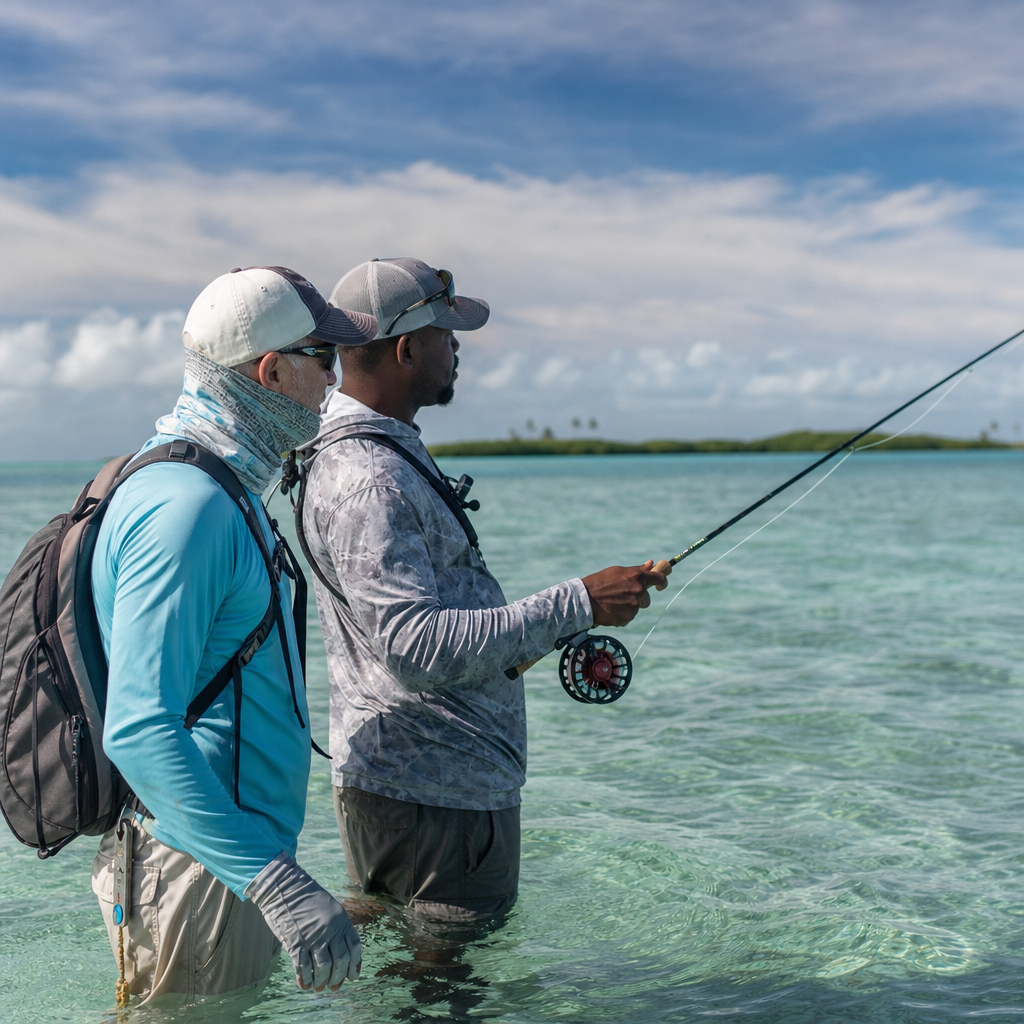
You also need to choose the guide model. Some trips are lodge-based with assigned guides and fixed daily structure. Others are independent day charters booked directly with guides through WhatsApp, email, or regional outfitters. Lodges simplify logistics, transfers, meals, and permits, but often cost more and offer less day-to-day flexibility. Independent bookings can be excellent in destinations like New Zealand or Slovenia, where self-drive travel is realistic, but they demand closer attention to licensing, language, and cancellation terms. In remote saltwater destinations, the charter model matters too: skiff size, fuel range, polling platform design, communication equipment, and crew experience all directly affect fishing quality.
How to vet overseas guides and charters before you pay
Verification should be systematic. A polished website and active social media feed do not prove competence or legality. Ask whether the guide is licensed where required, whether the charter vessel is registered commercially, and whether liability coverage exists for guests. In many countries, guiding standards are set regionally rather than nationally, so local authorization matters. For boats, request recent photos of safety gear, especially VHF radio, EPIRB or PLB where offshore travel is involved, life jackets, first-aid kit, and sun shelter. If airport transfers or domestic flights are included, confirm who is responsible when delays cause missed connections.
References remain one of the best screening tools. Ask for two recent guests with similar goals and skill level, not just celebrity anglers or repeat clients with sponsorship ties. Useful questions include: Did the guide communicate quickly? Was tackle as described? Were there hidden fees for fuel, flies, park access, or fish handling staff? Did the operator adapt when weather changed? Were start times realistic relative to tides or hatches? On mixed reviews, look for patterns rather than single complaints. Every operator has weather-affected days; recurring issues around safety, poor maintenance, overbooking, or unclear deposits are far more significant.
| Checkpoint | What to Ask | Why It Matters |
|---|---|---|
| Licensing | Are guide permits and boat registrations current? | Confirms legal operation and access rights |
| Season fit | What conditions are typical for my exact dates? | Reduces risk of booking the wrong week |
| Safety | What communication and emergency gear is onboard? | Critical in remote rivers and offshore fisheries |
| Costs | What is excluded from the quoted rate? | Prevents surprise charges for tips, fuel, or transfers |
| Backups | What happens if weather closes the main fishery? | Shows problem-solving ability and flexibility |
Payment method is another credibility signal. Credit card processing through established systems offers stronger consumer protection than wire transfers or informal app payments. In some remote regions, bank transfer is standard, but I still want a signed booking agreement, clear invoice, cancellation schedule, inclusions list, and named contact person. Deposits are normal, yet the amount should align with how far in advance you are booking and what nonrecoverable costs the operator is actually carrying. If terms are vague, ask for revisions in writing before paying. Good outfitters expect this and answer professionally.
Documents, border rules, and travel insurance for anglers
Passport validity is the obvious starting point, but anglers should go further and build a document checklist specific to the fishery. Some countries require six months of passport validity beyond entry, proof of onward travel, or accommodation details. Others need electronic travel authorization, vaccination documentation, or customs declarations for satellite communication devices. If you are transiting through another country with gear, that transit country’s rules can matter as much as the final destination. I keep digital and paper copies of passport, visas, flight records, guide contacts, lodge confirmation, insurance certificates, and a gear inventory with serial numbers.
Fishing licenses and conservation permits deserve attention because overseas systems vary widely. In places such as Iceland, beats may be private and permits tightly controlled. In parts of South America, park fees or indigenous territory access permissions may apply. Saltwater flats destinations can require marine reserve tags or local angling stamps. Never assume your guide will “sort it out” unless that responsibility is written into the booking. If catch-and-release rules, hook regulations, or fish handling protocols are strict, understand them before you arrive. Violations can end the trip quickly and damage access for everyone.
Travel insurance for fly fishing should cover more than trip cancellation. Look for medical evacuation, emergency treatment abroad, baggage delay, sports equipment loss, supplier default where available, and weather disruption. If you are traveling by small aircraft, helicopter, or offshore vessel, read policy wording carefully because exclusions can be specific. Standard credit card insurance may not adequately cover premium rods, reels, cameras, or charter deposits. For expensive trips, dedicated travel insurers and specialized marine or sporting equipment riders are often worth the extra cost. Keep receipts and photographs of your gear before departure; claims are much easier when documentation is organized.
Gear transport, packing strategy, and customs issues
Rods, reels, lines, boots, and flies create packing challenges because airline policies differ and staff interpretation is inconsistent. Four-piece rods in compact tubes usually travel well, but measure your case against carry-on limits and check rules for each airline segment, including regional carriers. I pack one versatile outfit in carry-on whenever allowed, especially for destinations with uncertain baggage handling. Reels often go in carry-on to reduce theft and impact damage. Checked duffels should use hard-sided protection for sunglasses, electronics, and fly boxes with delicate hooks or eyes.
Fly materials and tools can trigger scrutiny. Sharp nippers, pliers, knives, and certain tying tools should go in checked baggage. Some natural materials, untreated feathers, animal hides, seeds, fruits, and wooden products may be restricted under agricultural import rules. Wading boots with felt soles can be banned or discouraged in jurisdictions focused on invasive species control, and gear may need to be visibly clean and dry at inspection. New Zealand and Australia are especially strict about contaminated outdoor equipment, but biosecurity checks happen elsewhere too. Clean boots, nets, and waders thoroughly before travel and declare items honestly.
Packing should reflect local failure points rather than just fishing needs. For tropical saltwater, carry spare fly lines, leaders, sun gloves, waterproof phone protection, and corrosion-resistant pliers because replacement options may be limited. For cold-water destinations, add wader repair patches, hand warmers, and dry bags. A small medical kit should include blister care, antihistamines, pain relief, rehydration salts, and any prescription medications in original containers. I also pack adapters, a compact power bank, and printed baggage claim numbers. Lost luggage is more manageable when one day’s fishing kit is with you and the rest is replaceable locally.
Money, tipping, communication, and cultural expectations
International charter bookings often fail at the practical level: currency confusion, weak mobile coverage, and mismatched expectations around service. Confirm the invoicing currency, accepted payment methods on arrival, and whether taxes are included. A quote in U.S. dollars may still be settled in local currency at an unfavorable exchange rate unless terms are explicit. In remote areas, cash is often needed for tips, park fees, and small purchases, yet airport ATMs may be unreliable. I split money between wallet, luggage, and a hidden pouch, and I notify my bank before departure to reduce card blocks.
Tipping norms vary. In Belize, Mexico, and much of the Caribbean, guide and mate tips are widely expected and usually separate from the charter rate. In parts of Europe, service charges may already be reflected in pricing, and overtipping can feel awkward. Ask discreetly before arrival: who receives tips, in what currency, and what range is customary for guide days, lodge staff, drivers, and housekeepers. This prevents the end-of-trip scramble that can sour an otherwise excellent experience. It also shows respect for local practice rather than exporting assumptions from your home country.
Communication style matters more overseas because language differences magnify ambiguity. Confirm pickup times in 24-hour format, specify airport codes rather than city names, and repeat dates with month written out to avoid day-month confusion. Messaging apps such as WhatsApp are common for last-minute updates in Latin America, Europe, and Africa, while email remains better for contracts and invoices. If cellular roaming is costly, install offline maps and download key documents before departure. Basic local phrases for greeting, thanks, and food or medical needs go a long way. So does patience; not every destination runs on the same clock speed.
Risk management, sustainability, and building a successful itinerary
The best international fly fishing trips are resilient by design. Weather windows close, luggage is delayed, roads wash out, and fisheries can blow out overnight. Build buffer time around long-haul flights, especially before the first guided day. If a domestic hop is required, arriving a day early is often cheaper than losing a full charter. I also recommend one nonfishing contingency day on longer itineraries. That day can absorb weather, let you recover from travel fatigue, or simply provide space to explore the destination without pressure. Tight itineraries look efficient on paper and often fail in practice.
Sustainability should influence who gets your business. Ask how the operator handles fish, limits pressure on beats or flats, manages waste, and employs local staff. Good programs rotate water, use barbless or appropriate hook standards where beneficial, support habitat groups, and avoid running too many skiffs on fragile flats. In sensitive fisheries, the cheapest option can be the most damaging one. I have seen overcrowded access points, poor handling of migratory fish, and fuel or trash management that clearly did not meet the standard responsible anglers should accept. Choosing careful operators protects the resource that justifies the trip.
As the hub for tips for international travel under fly fishing destinations, this guide comes down to one principle: successful overseas bookings are built on verification, preparation, and flexibility. Choose the destination by species, season, and travel reality, not marketing alone. Vet guides and charters with references, licenses, safety questions, and written terms. Organize passports, permits, insurance, and gear documentation before you leave home. Pack for airline risk, customs scrutiny, and local replacement limits. Handle money, tipping, and communication with the same care you give fly selection. If you are planning your next trip, use this page as the starting framework, then map each destination-specific detail before you send a deposit.
Frequently Asked Questions
What should I confirm before booking a fly fishing guide or charter overseas?
Before you pay a deposit, confirm exactly who is providing each part of the trip and what is included in the quoted price. On international fly fishing trips, anglers often assume they are booking one all-inclusive service when they may actually be reserving separate pieces through different vendors, such as a lodge, a booking agent, a local guide, and a charter captain. Ask for a written breakdown that covers guide or captain services, boat access, fuel, tackle, flies, lunches, beverages, airport transfers, lodging, fishing licenses, conservation fees, and taxes. Clarify whether the trip is private or shared, how many anglers will be on board or with the guide, and how many hours are actually spent fishing versus traveling.
You should also verify the guide’s or captain’s credentials, local licensing, safety equipment, and experience with the type of fly fishing you want to do. A flats guide, for example, is very different from a drift-boat trout guide or an offshore billfish charter captain. Ask how long they have operated in that fishery, whether they regularly work with fly anglers, and what species are realistically available during your dates. This helps you separate marketing promises from seasonal reality. A reputable operator should be comfortable discussing weather patterns, water clarity, tides, runoff, prevailing winds, and current fishing conditions rather than guaranteeing trophy catches.
Finally, review payment terms, cancellation policies, emergency procedures, and communication expectations. Find out how deposits are handled, whether balances are due by wire transfer or card, and what happens if weather, mechanical issues, political disruptions, or airline problems affect your itinerary. Ask whether there is a backup boat, substitute guide, or alternate fishing plan. If you are traveling abroad specifically to fish, it is also wise to confirm what languages are spoken, whether satellite communications are available in remote areas, and who will assist if gear is lost, flights are delayed, or customs questions arise. Those details may not sound exciting, but they are often what determine whether an overseas trip feels smooth and professional or stressful and disorganized.
How far in advance should I book an overseas fly fishing guide or charter?
The best booking window depends on the destination, the target species, and how fixed your travel dates are, but for premier international fisheries, booking early is almost always the smarter move. For high-demand destinations during peak seasons, many experienced anglers reserve guides and charters six to twelve months in advance, and in some cases even earlier. This is especially true for famous tarpon, permit, bonefish, trout, salmon, sea-run, and saltwater migratory fisheries where the best guides are repeat-booked by returning clients. If your travel schedule is rigid because of work, school calendars, or group planning, waiting too long can leave you with less experienced operators, poor tide windows, or inconvenient travel connections.
Booking early also gives you time to coordinate the rest of the trip properly. Overseas fishing rarely succeeds on guide reservations alone. You may need international flights, domestic transfers, overnight stays, visas, travel insurance, rod tube planning, vaccination review, local currency, and documentation for imported gear. The earlier you lock in your guide or charter dates, the easier it is to build a realistic travel plan around them and avoid expensive last-minute decisions. In many destinations, the fishing itself may only be one part of a larger logistical chain that includes boats leaving on tide, floatplanes, border ferries, or rural road transfers. Early planning creates margin for all of that.
That said, not every trip requires a year of lead time. Some operators in less crowded fisheries can accommodate anglers on shorter notice, particularly in shoulder season. If you are flexible on dates, species, or location, you may even find quality opportunities a few weeks or months out. The key is not just how early you book, but how informed that booking is. Ask the operator what months fish best for your target species, what weather tends to disrupt outings, and whether your dates fall in prime season, transition season, or a gamble period. A realistic date booked with a strong local operator is usually better than a prestigious destination booked at the wrong time.
What travel documents, permits, and customs issues should I think about when bringing fly fishing gear abroad?
International fishing travel often becomes complicated not on the water, but at borders, airports, and checkpoints. Start with the basics: make sure your passport is valid well beyond your travel dates and check whether your destination requires a visa, tourist card, proof of onward travel, vaccination records, or entry declarations. Then move to fishing-specific requirements. Some countries or regions require fishing licenses, marine park permits, protected area access fees, catch-and-release stamps, or local registration for charter activity. Do not assume your guide handles all of this automatically. Ask what is included and what must be arranged in advance.
Gear transport deserves special attention. Fly rods, reels, lines, hooks, and flies can usually travel without issue, but airline rules vary on carry-on rod tubes, pliers, nippers, tools, knives, and liquids such as floatant, cleaners, or sunscreen. Check both airline policies and airport security rules for every leg of the trip, including connecting carriers. If you are carrying expensive equipment, create a simple gear list with approximate values, model numbers, and photos in case you need to make an insurance claim or answer customs questions. In some countries, customs officials may want to know whether gear is for personal use or commercial import. Having a neat inventory and return flight details can make those conversations easier.
You should also research restrictions on natural materials, food, medications, and biosecurity concerns. Certain destinations are strict about untreated wood products, animal-based fly-tying materials, dirty boots, or wading gear that could carry invasive species. Saltwater and freshwater destinations may have different concerns, but the principle is the same: clean and dry your equipment before travel and be ready to declare items if required. If you are bringing prescription medication, keep it in original packaging and carry documentation when appropriate. None of this is difficult when handled early, but many anglers underestimate how fast a simple fishing trip can become a cross-border logistics exercise once tackle, boats, local permits, and international transit are involved.
How can I tell if an overseas guide or charter is reputable and a good fit for fly anglers?
A reputable overseas operator should be transparent, responsive, and specific. Start by looking for consistent information across their website, direct emails, social media, and independent reviews. You are not just looking for polished photos; you are looking for operational clarity. A serious guide or charter service should be able to explain the fishery, the seasonal timing, skill expectations, boat setup, casting distances, target species, and likely conditions without vague promises. If every answer sounds like a sales pitch and no one will provide practical details in writing, that is a warning sign.
References matter. Ask for recent client contacts, preferably anglers who targeted the same species with a fly rod, not just general fishing customers. A captain who is excellent for conventional tackle may not be ideal for fly anglers if the boat layout, drift control, deck management, and shot opportunities are not suited to fly casting. Ask specifically about communication before arrival, punctuality, equipment quality, safety standards, fish handling ethics, local knowledge, and whether the operator adapted well to weather or changing conditions. The best references usually mention professionalism under imperfect circumstances, not just easy fishing on ideal days.
Fit is just as important as reputation. Some guides are ideal for experienced casters who want technical sight-fishing, while others are better for mixed-skill groups, couples, or anglers who need more instruction. Ask whether they regularly teach casting, whether they are patient with beginners, and how they handle language differences on the water. You should also discuss physical demands honestly. Wading coral flats, climbing in and out of pangas, fishing from skiffs in chop, or hiking to remote rivers all require different mobility and endurance levels. A good operator will tell you if your expectations, ability, and trip style match the destination. That honesty is one of the strongest signs you are dealing with a professional.
What should I do to reduce risk and avoid common mistakes when booking fly fishing charters abroad?
The biggest mistake anglers make is focusing only on fish and price while ignoring logistics, risk management, and trip structure. To reduce risk, insist on written confirmation of dates, services, payment schedule, cancellation terms, and what happens if weather, equipment failure, illness, or travel delays interrupt the trip. Pay in a traceable way whenever possible and keep copies of invoices, emails, and receipts. If the trip is expensive or remote, purchase travel insurance that specifically covers international travel interruptions, medical events, baggage loss, and, when available, outfitter or charter financial default. Standard policies vary widely, so read the details rather than assuming you are covered.
Another common mistake is underpreparing for local realities. Ask what clothing, sun protection, rain gear, footwear, leaders, flies, and backup tackle are truly needed for that fishery. Overseas destinations can make replacing specialty fly gear difficult or impossible, especially in remote areas. Bring critical spares, but also avoid overpacking unnecessary equipment that complicates customs or internal flights. Confirm weight limits for domestic airlines, floatplanes, ferries, or private transfers. If your trip involves multiple handoffs between airports, hotels,