Fly fishing in the Rocky Mountains is one of the defining angling experiences in North America, combining cold freestone rivers, fertile tailwaters, alpine lakes, and a trout culture shaped by public access, strong conservation, and technical but rewarding fishing. In practical terms, the Rocky Mountains stretch from northern New Mexico through Colorado, Wyoming, Idaho, Montana, Alberta, and British Columbia, but for many anglers Colorado is the gateway because it offers exceptional variety within a single state. A sub-pillar hub for North America needs to do two jobs at once: explain why the Rockies matter, and show how they connect to broader fly fishing destinations across the continent. This guide does both by outlining major Rocky Mountain regions, key species, seasonal tactics, planning considerations, and how these fisheries compare with other North American opportunities. If you want a clear answer to where to start, the short version is this: begin with Colorado for diversity, add Wyoming and Montana for iconic river scale, include Idaho for hatches and canyon water, and look north to Alberta and British Columbia for less crowded but world-class trout systems.
When anglers say Rocky Mountain fly fishing, they usually mean trout-focused fishing in high-elevation waters influenced by snowpack, runoff, and short but intense growing seasons. The primary species are rainbow trout, brown trout, cutthroat trout, brook trout, lake trout in some stillwaters, and mountain whitefish, with regional specialties such as Yellowstone cutthroat, Colorado River cutthroat, greenback cutthroat restoration waters, and bull trout in parts of the northern Rockies where regulations permit targeting or require strict avoidance. These rivers matter because they concentrate many of the elements that make fly fishing compelling: visible insect hatches, wadable structure, scenic access, and fish that reward observation rather than luck. I have planned trips and guided friends through enough Rocky Mountain seasons to know that success depends less on romantic scenery than on understanding river type, water temperature, hatch timing, and local rules. North America’s fly fishing map is broad, but the Rockies remain the most balanced destination set for anglers who want quality trout water, public land, and multiple skill levels represented in one region.
Why Colorado anchors Rocky Mountain fly fishing
Colorado is the logical anchor for a Rocky Mountain fly fishing hub because no other state in the range packs so many distinct trout fisheries into such a manageable footprint. Within a day’s drive, an angler can fish the South Platte’s technical tailwaters, the Arkansas River’s long freestone runs, the Colorado River’s larger western flows, the Gunnison basin, the Eagle, the Roaring Fork, the Blue, and high-country lakes above timberline. The state also supports a mature access and information network through Colorado Parks and Wildlife, Gold Medal waters designations, local fly shops, guide services, and a road system that makes multi-river itineraries realistic. Gold Medal status generally indicates stretches managed for high trout biomass or quality, and while the designation does not guarantee easy fishing, it is a useful planning signal.
Colorado’s appeal lies in contrast. The South Platte near Deckers and Cheesman Canyon is famous for selective fish, small flies, and demanding presentations, especially when flows are clear and pressure is high. The Arkansas near Salida and Buena Vista offers a more mobile style with pocket water, riffles, and strong caddis and stonefly windows. On the western slope, rivers like the Roaring Fork and Gunnison often fish bigger, with opportunities to cover water from drift boats or by wading side channels and seams. For beginners, this means you can choose forgiving water and visible structure. For experienced anglers, it means you can spend a week solving technical problems without repeating the same fishery style. That range is why Colorado often becomes the first Rocky Mountain state anglers revisit year after year.
Core Rocky Mountain destinations beyond Colorado
Beyond Colorado, the next tier of must-know Rocky Mountain destinations includes Wyoming, Montana, Idaho, Alberta, and British Columbia, each with a distinct personality. Wyoming is defined by Yellowstone and Grand Teton ecosystems, the North Platte drainage, and the Wind River and Bighorn regions. Montana brings scale and reputation: the Madison, Yellowstone, Missouri, Gallatin, Big Hole, Beaverhead, and Bitterroot are embedded in modern fly fishing culture for good reason. Idaho often surprises anglers who have fished only brand-name rivers elsewhere; the Henry’s Fork, South Fork of the Snake, Silver Creek, Boise drainage, and central Idaho freestones combine famous hatches with strong public access and lower tourist volume than some neighboring states. Farther north, Alberta and British Columbia offer cold, productive trout rivers where native cutthroat and bull trout management add both opportunity and regulatory complexity.
Each region teaches a different lesson. Montana’s larger rivers reward reading side channels, bank structure, and seasonal drift-boat tactics. Wyoming often asks anglers to think about wind, open valleys, and whether they are on a technical meadow stream, a canyon tailwater, or a backcountry cutthroat creek. Idaho rewards hatch literacy; on places like the Henry’s Fork, a missed stage in an emergence can be the difference between refusal after refusal and steady action. Alberta’s Bow River near Calgary is a major urban trout fishery that proves excellent fly fishing can exist close to a city, while mountain streams in both Alberta and British Columbia can feel remote and wild in a way that many lower-48 anglers do not encounter often. As a North America hub, these destinations matter because they complement rather than replace one another.
River types, species, and what they mean for tactics
The most important planning distinction in Rocky Mountain fly fishing is river type. Freestone rivers depend largely on snowmelt and rainfall, so they rise hard during runoff, warm faster in summer, and often fish best in the windows before and after peak melt. Tailwaters release water from dams, which moderates temperature and stabilizes insect life; they can fish year-round and often produce larger fish densities, though with heavier pressure and more selective trout. Spring creeks, less common but highly influential in the region, run clear and consistent and usually demand precise drifts and fine tippet. Lakes and reservoirs add chironomid, leech, damselfly, and callibaetis opportunities that many river-only anglers ignore at their own expense.
Species shape tactics as much as water type. Brown trout are adaptive and often most aggressive in low light, shoulder seasons, and streamer conditions. Rainbow trout feed confidently in riffles and tailouts and commonly respond well to nymphing and hatch-specific dry fly approaches. Cutthroat trout vary by subspecies and drainage, but many Rocky Mountain cutthroat fisheries reward attractor dries, terrestrial patterns, and coverage of likely lies rather than long refusal-prone standoffs. Brook trout dominate many smaller, colder tributaries and high lakes, where simple dry-dropper rigs can be enough. Mountain whitefish are underrated; they indicate healthy cold water and often save a day when trout are indifferent. Knowing these tendencies helps anglers match expectations to destination. A tailwater full of educated rainbows is not fished like a meadow creek full of eager cutthroat, and success starts when you stop treating all trout water as the same problem.
Seasonality, hatches, and timing your trip
In the Rockies, timing is not a detail; it is the framework of the whole trip. Snowpack dictates runoff, and runoff dictates when many freestones become fishable. In a normal year, lower-elevation Colorado and Wyoming rivers may clear first, while high basins lag behind. Tailwaters often carry the shoulder seasons, giving anglers dependable winter and early spring options with midges, baetis, and subsurface presentations. Summer opens broader access, especially in July and August, when alpine creeks and lakes finally thaw and terrestrial fishing becomes a major pattern. Fall compresses some of the best fishing of the year into a short window of cooler water, thinner crowds, aggressive browns, and often stable weather between storms.
Hatch planning should be specific. Blue-winged olives can save spring and fall days across much of the region. Midges are foundational on technical tailwaters in every month. Caddis events can be explosive on the Arkansas, Madison, and many western rivers. Salmonflies and golden stones create destination-level windows on selected waters, but anglers who chase only headline hatches often miss better overall fishing during PMD, green drake, hopper, ant, and beetle periods. I have seen anglers arrive with a single hatch in mind, only to discover flows shifted timing by ten days and fish were eating small emergers instead. The practical rule is to choose a destination by river type and seasonal stability first, then let likely hatches refine your box and your daily plan.
How to plan a North American Rocky Mountain fly fishing trip
Trip planning begins with a realistic assessment of skill, budget, mobility, and preferred fishing style. If you want a first trip with maximum flexibility, base in central Colorado, southwest Montana, or eastern Idaho, where multiple rivers are within reach and fly shops provide daily reports, hatch charts, shuttle options, and guide recommendations. If your goal is technical dry fly fishing, consider the Henry’s Fork, Silver Creek, or South Platte tailwaters. If you want classic freestone variety, the Arkansas, Madison, Yellowstone, or upper Colorado basin fit well. If remote cutthroat water matters more than numbers, northern Wyoming, Idaho backcountry, and parts of Alberta and British Columbia deserve attention. Lodging also affects fishing. Staying near a single famous river can be efficient, but a hub-and-spoke base near several drainages protects the trip if flows, weather, or pressure shift unexpectedly.
| Region | Best For | Primary Waters | Typical Timing |
|---|---|---|---|
| Colorado | Variety and accessibility | South Platte, Arkansas, Gunnison, Roaring Fork | Year-round, with strong summer and fall |
| Wyoming | Scenic diversity and cutthroat options | North Platte, Snake tributaries, Yellowstone region | Late spring through fall |
| Montana | Big-river experience | Madison, Missouri, Yellowstone, Big Hole | Spring, summer, fall |
| Idaho | Hatches and technical dry fly fishing | Henry’s Fork, South Fork Snake, Silver Creek | Late spring through early fall |
| Alberta and British Columbia | Less-crowded northern fisheries | Bow, Elk tributaries, mountain streams | Summer through early fall |
Permits, regulations, and fish handling should be part of planning, not an afterthought. State and provincial rules differ on barbless hooks, seasonal closures, native trout protections, bull trout handling, felt sole restrictions, and whether targeting spawning fish is prohibited. In summer, hoot-owl restrictions may limit afternoon fishing when water temperatures climb, particularly in lower-elevation or drought-stressed reaches. Use official agency sources such as Colorado Parks and Wildlife, Montana Fish, Wildlife and Parks, Idaho Fish and Game, Wyoming Game and Fish, Alberta regulations, and British Columbia freshwater rules. Good planning also means carrying a thermometer, measuring fishless hours against water conditions rather than ego, and being willing to move. The Rockies reward preparation because conditions can change quickly from drainage to drainage.
Gear, presentation, and common mistakes anglers make
A 9-foot 5-weight remains the best all-around Rocky Mountain fly rod for North America, but one rod rarely covers everything well. A 4-weight excels on smaller dry fly rivers and alpine creeks, while a 6-weight helps with bigger wind, heavier nymph rigs, larger streamers, and float fishing from drift boats. Floating lines cover most situations. Leaders matter more than many visitors expect: longer, finer leaders on technical tailwaters; shorter, stronger leaders for hopper-dropper rigs, streamer fishing, or heavy pocket water. Essential flies include zebra midges, RS2s, pheasant tails, perdigons, baetis nymphs, caddis pupae, Pat’s Rubber Legs, Parachute Adams, elk hair caddis, PMDs, hoppers, ants, beetles, Chubby Chernobyls, leeches, woolly buggers, and articulated streamers where legal and appropriate.
The most common mistake I see is anglers fishing too fast in technical water and too cautiously in broken water. On tailwaters, trout often inspect flies closely, so depth control, drift angle, and slack management matter more than constant fly changes. On freestones, especially after runoff, fish usually hold where oxygen, depth, and current seams intersect, and anglers who hesitate to cover water miss dozens of good lies. Another mistake is arriving with a generic trout plan and no local calibration. A five-minute conversation in a reputable fly shop often reveals whether fish are keyed on emergers, whether a particular access point is crowded, or whether afternoon wind has made one stretch poor but another excellent. Good Rocky Mountain anglers are observant, mobile, and disciplined about fish care, because the quality of these fisheries depends on it.
How the Rockies fit into North America’s fly fishing map
As a sub-pillar hub for North America, Rocky Mountain fly fishing should be viewed in relation to other destination categories, not in isolation. Compared with Alaska, the Rockies offer more road access, more technical trout fishing, and a longer practical season for lower-cost DIY trips. Compared with the Pacific Northwest, they feature more classic dry fly trout culture and less emphasis on anadromous species and large coastal systems. Compared with the Northeast, the Rockies generally provide greater public-land scale, more snowmelt-driven freestones, and stronger destination clustering across multiple states. Compared with the Canadian Maritimes or Great Lakes tributaries, the Rockies are less about seasonal migratory runs and more about resident trout ecosystems, insect timing, and water-type selection.
That positioning matters for trip choice. If an angler wants giant rainbow trout tied to salmon cycles, British Columbia’s stillwaters and certain western systems may enter the conversation, but they are a different experience from Colorado’s tailwaters or Montana’s freestones. If someone wants brook trout in small wooded streams, eastern Canada and Appalachia may be stronger thematic fits. But for anglers seeking the broadest single region for trout diversity, access, scenery, and transferable skills, the Rockies remain North America’s benchmark. They teach fundamentals that apply almost everywhere else: reading current, matching seasonal food sources, understanding temperature, and respecting native fish management. For that reason, this hub should connect outward to state, province, species, season, and river-style guides across the broader Fly Fishing Destinations section.
Fly fishing in the Rocky Mountains rewards anglers because it offers an unusually complete version of what trout fishing can be in North America: technical tailwaters, forgiving freestones, backcountry cutthroat creeks, alpine lakes, famous hatches, and enough public access to build a real trip around learning rather than luck. Colorado stands at the center because it delivers the fastest introduction to that variety, but the full Rocky Mountain picture includes Wyoming’s wide valleys, Montana’s legendary rivers, Idaho’s hatch-driven precision, and the colder northern waters of Alberta and British Columbia. The best destination depends on your goal, yet the core planning principles stay the same: match the river type to the season, target the species with appropriate tactics, watch flows and water temperatures, and use local information from shops and agencies before every outing.
If you are building a North America fly fishing list, start with the Rockies and treat this page as your launching point. Choose one base region, one season, and one primary style of fishing instead of trying to sample everything at once. Then expand into linked destination guides for Colorado, Montana, Wyoming, Idaho, Alberta, British Columbia, tailwaters, freestones, alpine lakes, and native cutthroat fisheries. A focused first trip usually leads to a better second trip, and that is exactly how most anglers develop a lasting relationship with Rocky Mountain fly fishing.
Frequently Asked Questions
What makes fly fishing in the Rocky Mountains so different from other trout destinations?
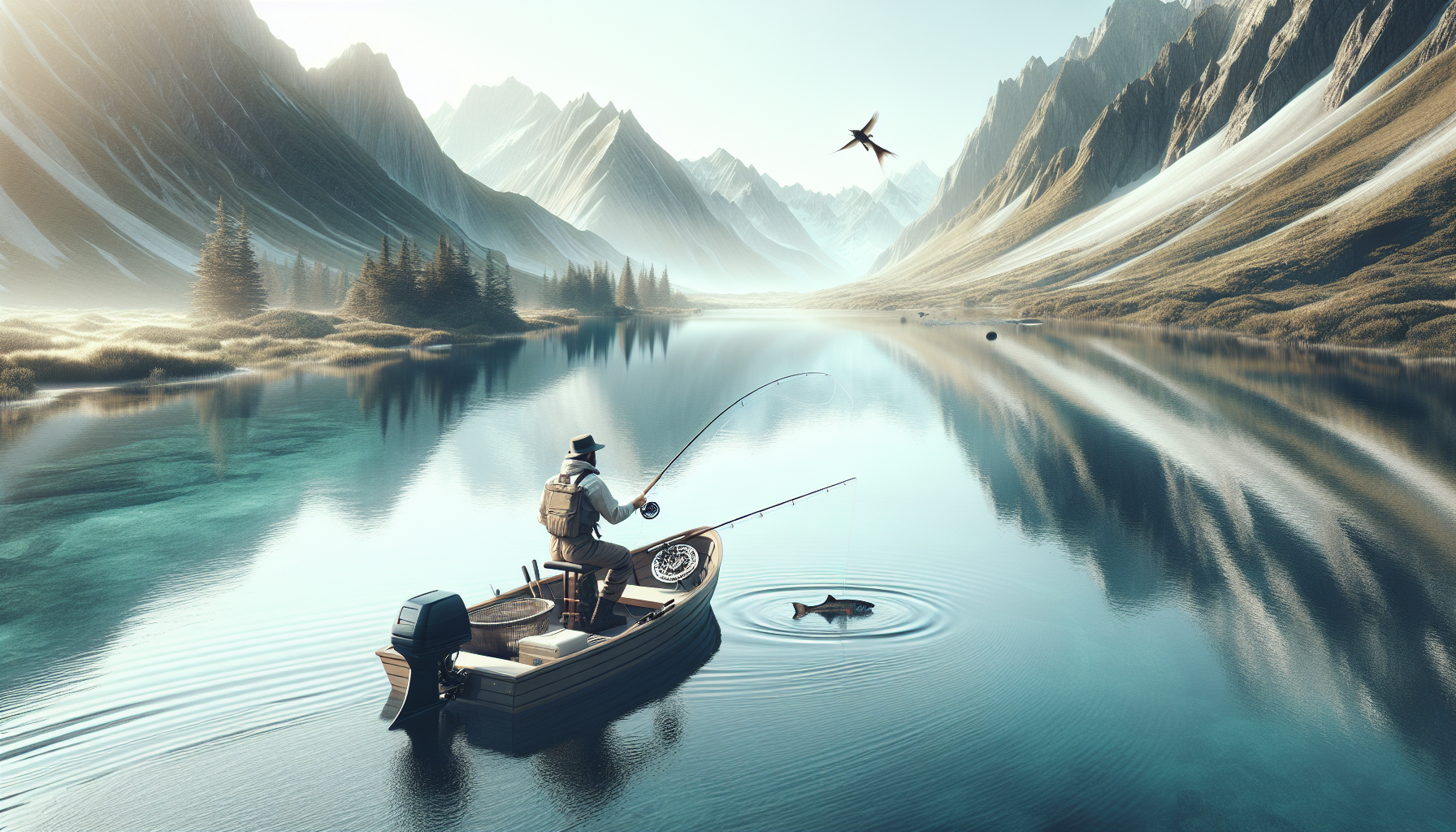
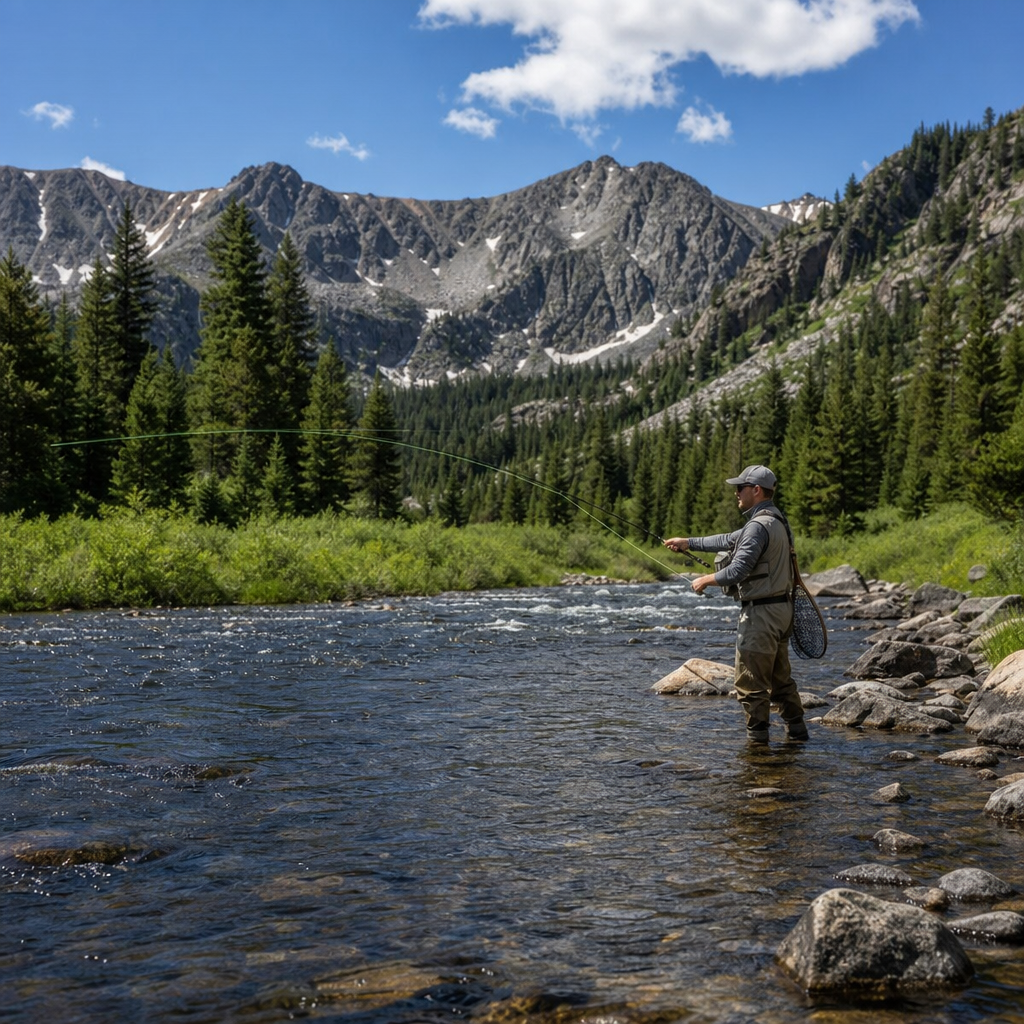
Fly fishing in the Rocky Mountains stands out because of the sheer variety of water and the way elevation, snowpack, and seasonal insect activity shape the fishing. In one trip, an angler can move from a fast, boulder-strewn freestone creek to a large tailwater with highly educated trout, then finish the day on an alpine lake surrounded by peaks. Colorado is often the starting point for many anglers because it offers all of these experiences within relatively accessible driving distance, but the broader Rockies in Wyoming, Montana, Idaho, Alberta, British Columbia, and northern New Mexico share the same essential appeal: cold, clean water, abundant public land, and trout that reward good presentation more than brute force.
Another major difference is the culture around the fishing. Rocky Mountain fly fishing is deeply tied to public access, conservation, river science, and local knowledge. Many fisheries are heavily managed and closely watched, and anglers often pay close attention to runoff timing, water temperatures, hatches, and fish handling practices. The result is a region where success often comes from adapting to conditions rather than relying on a single pattern or technique. For anglers who enjoy reading water, matching seasonal behavior, and exploring a wide range of rivers and lakes, the Rockies offer one of the most complete and rewarding fly fishing experiences in North America.
When is the best time to fly fish in Colorado and the greater Rocky Mountain region?
There is no single best time for every Rocky Mountain fishery, but there are clear seasonal windows that matter. In Colorado and much of the interior Rockies, late spring through fall is the most popular period, although the exact timing depends heavily on elevation and water source. Freestone rivers are often affected by snowmelt runoff, which can make them high, cold, and difficult to fish in late spring or early summer. In many years, runoff peaks somewhere between May and June, though the timing can shift depending on snowpack and weather. Once flows drop and clarity improves, summer fishing can become excellent, especially when terrestrial insects like hoppers, beetles, and ants are active.
Tailwaters often provide more stable conditions during runoff because dam releases can moderate flow and clarity, making them an important option when freestones are blown out. Mid-to-late summer is prime time for high-country streams and alpine lakes as snow recedes and access improves. Early fall is widely considered one of the most enjoyable periods across the Rockies because water temperatures are favorable, crowds often decline, and trout feed aggressively before winter. Even winter can be productive on certain tailwaters and spring creeks, especially in Colorado. The best approach is to choose the season based on the type of water you want to fish: tailwaters for consistency, freestones for classic western dry-fly and pocket-water fishing after runoff, and alpine fisheries for a shorter but spectacular summer window.
What species can anglers expect to catch while fly fishing in the Rocky Mountains?
The Rocky Mountains are primarily a trout destination, but the range of trout and related species is broader than many first-time visitors expect. Rainbow trout, brown trout, brook trout, and cutthroat trout are the most common targets across the region, with different waters favoring different species. Colorado alone offers excellent opportunities for all four, along with important native and conservation-focused fisheries for cutthroat subspecies. In rivers and lakes across Wyoming, Montana, Idaho, Alberta, and British Columbia, anglers may also encounter Yellowstone cutthroat, westslope cutthroat, greenback cutthroat in limited Colorado restoration contexts, cuttbows, and in some waters mountain whitefish, which are often underrated on a fly rod and can be abundant in classic trout systems.
The type of water often gives clues about what you will catch. Small, high-elevation streams and alpine lakes commonly hold brook trout, cutthroat, or smaller wild trout populations that thrive in short growing seasons. Larger freestone rivers may produce healthy mixes of browns, rainbows, cutthroat, and whitefish, while fertile tailwaters can grow bigger trout that feed heavily on midges, mayflies, caddis, and scuds. Some destinations in the northern Rockies and Canadian Rockies also offer char species such as bull trout in places where regulations allow targeted fishing or incidental encounters occur, though those fisheries require special awareness of local rules and handling requirements. For most anglers, the real attraction is not just species variety but the chance to pursue wild trout in dramatically different settings, from meadow streams to iconic western rivers.
What gear and fly patterns should you bring for a Rocky Mountain fly fishing trip?
A 9-foot 5-weight is the most versatile rod for a general Rocky Mountain trip, especially if you plan to fish a mix of rivers and moderate-sized streams. If your itinerary is broader, a second setup can make a big difference. A 4-weight is ideal for smaller creeks and dry-fly fishing, while a 6-weight is helpful for bigger rivers, windy days, heavier nymph rigs, streamers, or larger trout. Floating lines cover the vast majority of situations. Leaders in the 9-foot range are standard, with tippet sizes often running from 3X to 6X depending on fly size, water clarity, and how technical the fish are. In addition to your rods and reels, bring quality waders or wet-wading gear depending on season, reliable wading boots, layered clothing for rapidly changing mountain weather, polarized sunglasses, and a net suitable for careful fish handling.
In terms of flies, Rocky Mountain anglers usually do best by covering the major categories well rather than overcomplicating the box. Dry flies should include attractors like Chubby Chernobyls and Stimulators, plus more specific patterns such as Parachute Adams, Elk Hair Caddis, PMDs, Blue-Winged Olives, Green Drakes where relevant, and terrestrials like hoppers, beetles, and ants later in summer. Nymph boxes should include pheasant tails, hare’s ears, perdigons, Prince nymphs, Copper Johns, caddis larvae, stonefly nymphs, and midge patterns. On tailwaters, small midges, RS2-style flies, emergers, and scuds can be especially important. Streamers such as Woolly Buggers, sculpin imitations, and articulated baitfish patterns are useful for larger trout, especially in off-color water or during aggressive feeding periods. Because Rocky Mountain fisheries vary so much by drainage and season, it is smart to supplement your core selection with current recommendations from a local fly shop once you arrive.
Do you need a guide to fly fish in the Rocky Mountains, or can you do it on your own?
You can absolutely plan a successful do-it-yourself fly fishing trip in the Rocky Mountains, especially in places like Colorado where public access is widespread and information is relatively accessible. Many anglers enjoy exploring on their own, fishing roadside pull-offs, public easements, national forest streams, and well-known tailwaters. If you are comfortable reading maps, checking regulations, monitoring flows, and adapting to changing conditions, a DIY trip can be both affordable and deeply rewarding. It also allows you to sample different waters at your own pace, which is one of the great strengths of fishing the Rockies.
That said, hiring a guide can be an excellent investment, particularly if you are new to western trout fishing, limited on time, or visiting during challenging conditions like runoff, low clear water, or technical tailwater periods. A good guide shortens the learning curve by helping you understand seasonal fish location, local hatches, river etiquette, access points, and the techniques that matter most on that specific water. Guides are especially valuable on larger rivers, drift-boat fisheries, and highly technical systems where presentation, depth control, or fly choice need to be precise. Many experienced anglers split the difference by booking a guide for one day early in the trip, then using what they learn to fish on their own afterward. Whether you go guided or DIY, the keys to success are the same: respect regulations and private property, stay flexible, protect cold-water fisheries through ethical fish handling, and let current conditions—not just the map—tell you where to fish.