Fly fishing in Alberta rewards anglers with cold, oxygen-rich rivers, expansive foothill streams, alpine lakes, and one of the most varied trout fisheries in North America. For anyone planning a serious fly fishing trip in Canada, Alberta deserves a place near the top of the list because it combines wild scenery, strong fish populations, accessible infrastructure, and a long season that shifts from spring nymphing to summer dry flies and fall streamer fishing. I have fished Alberta waters in changing runoff, smoky late-summer evenings, and sharp autumn mornings, and the province consistently stands out for how many different experiences it offers within a single region.
In practical terms, fly fishing in Alberta means pursuing trout and other coldwater species with artificial flies on rivers, creeks, and stillwaters managed under provincial regulations. The headline species are brown trout, rainbow trout, brook trout, bull trout, mountain whitefish, cutthroat trout, and Arctic grayling in certain northern systems. Key terms matter here. A tailwater is a river section flowing from a dam, often stable and productive. Freestone rivers rise and fall with weather and snowmelt. Match the hatch means choosing a fly that imitates insects trout are actively feeding on. Reading water means identifying seams, riffles, runs, and pools where fish hold efficiently.
Alberta matters not only because of famous water like the Bow River near Calgary or the Crowsnest in the southwest, but also because it acts as a gateway hub for fly fishing destinations across North America. Anglers researching the continent typically compare Alberta with Montana, British Columbia, Idaho, Colorado, and the Yukon. Alberta holds its own because it offers big-river drift-boat fishing, technical walk-and-wade streams, stocked and wild stillwaters, and remote northern adventures without requiring multiple cross-border flights. That range makes this page a useful starting point for a broader North America destination plan: if you understand Alberta well, you understand many of the variables that shape fly fishing travel across the continent.
Success in Alberta depends on timing, river type, regulations, and local knowledge. Snowpack determines runoff intensity. Water temperature influences trout behavior and safe fish handling. Provincial rules can change by zone, species, or stretch, including bait bans, seasonal closures, possession limits, and mandatory release areas. Good planning is not optional. The most productive anglers study streamflows, weather, hatches, and access points before leaving home, then adjust techniques on the water instead of forcing one style all day. That approach is what separates a scenic outing from a memorable, fish-filled trip.
Premier Alberta Fly Fishing Locations
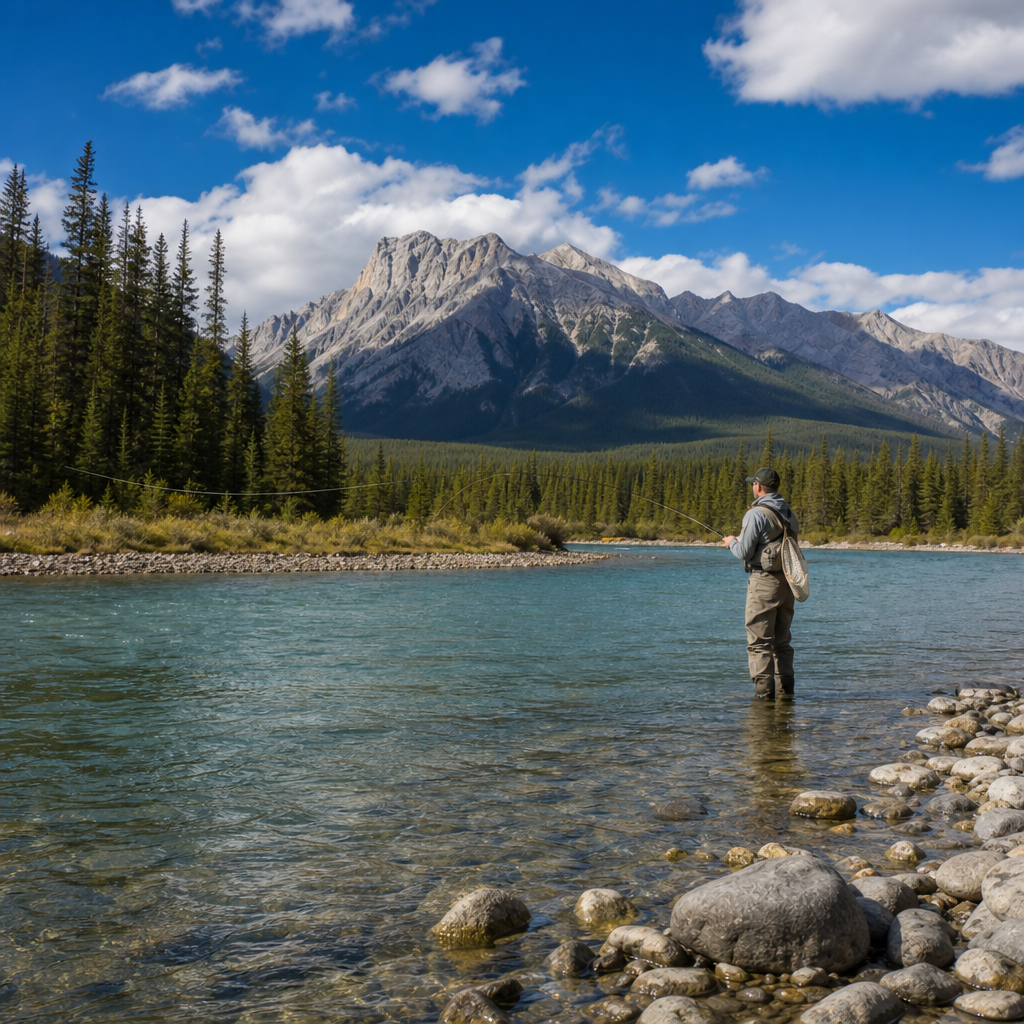
The Bow River is Alberta’s flagship trout fishery and one of the best-known urban blue-ribbon rivers in North America. Flowing through and below Calgary, the Bow supports large brown and rainbow trout and is especially productive from drift boats, although several city and downstream access points allow effective wading. Its nutrient-rich character, stable productivity, and long float options make it a destination fishery. Midges, Blue-Winged Olives, caddis, stonefly nymphs, sow bugs, leeches, and streamers all play roles depending on season and river section. On many days, the best strategy is not romantic dry-fly fishing but disciplined nymphing along seams and drop-offs from a boat.
The Crowsnest River and nearby southwestern waters offer a different Alberta experience: smaller-scale, highly technical, and often beautifully wadable. The Crowsnest is known for clear water, reliable insect life, and selective trout that reward accurate drifts and thoughtful fly selection. Nearby systems such as the Oldman, Castle, Livingstone, and upper tributaries expand the options, especially for anglers willing to move based on runoff or wind. Southwestern Alberta is also where many anglers target native westslope cutthroat trout or cutthroat-rainbow mixes in headwater environments, always with close attention to identification and regulations. These fisheries demand finesse, stealth, and respect for fragile native stocks.
Jasper National Park and northern Alberta broaden the picture further. The Athabasca River, Miette system, and select lakes can offer memorable fishing in extraordinary mountain scenery, though national park rules and conservation priorities require careful review before any trip. Farther north, Alberta’s less-publicized grayling and pike opportunities add diversity for anglers who want something beyond trout. Not every northern destination is easy or roadside, but the tradeoff is lighter pressure and a genuine wilderness feel. If your North America fly fishing plans include a mix of classic trout rivers and off-the-radar waters, Alberta is unusually strong because it supports both.
| Location | Primary species | Best approach | Prime timing |
|---|---|---|---|
| Bow River | Brown trout, rainbow trout, whitefish | Drift boat nymphing, streamers, hopper-dropper | Spring, summer, fall |
| Crowsnest River | Brown trout, rainbow trout, cutthroat | Walk-and-wade with dries and nymphs | Late spring through early fall |
| Oldman watershed | Cutthroat, rainbow, bull trout | Mobile approach across tributaries | Summer and early fall |
| Jasper area waters | Trout, whitefish | River and lake mix; regulation-driven planning | Summer to early fall |
When to Go and What Conditions Matter Most
The best time for fly fishing in Alberta depends on the water you choose. On prairie-influenced tailwaters and larger rivers, productive fishing can begin early, sometimes as soon as ice conditions and access allow. On mountain freestones, spring runoff is the defining event. In many years, runoff peaks from late May into June, with clarity improving through July. That means anglers who arrive with fixed expectations can be disappointed if they target small mountain rivers during high, silty flows. By contrast, those who plan around runoff often do very well by fishing larger systems, tailwater-influenced sections, lakes, or post-runoff windows.
Summer is the broadest season for visiting Alberta. Water is generally more accessible, hatches are more consistent, and road conditions make multi-stop trips easier. Caddis, Pale Morning Duns, Blue-Winged Olives, terrestrials, and attractor dry flies become increasingly important, while hopper fishing can be excellent later in the summer, especially during warm, breezy periods along grassy banks. Still, summer is not automatically easy. Bright sun, low clear water, and angling pressure can make fish selective. On the Bow and Crowsnest, I often find that the best summer sessions happen early, late, or under cloud cover when trout move out of protective lies and feed more confidently.
Fall is my favorite Alberta season because fish become aggressive, temperatures are safer for trout, and streamer fishing improves markedly. Brown trout in particular show territorial behavior before spawning, making them responsive to properly presented articulated patterns, sculpin imitations, and larger nymphs. Dry-fly windows still happen, especially with Blue-Winged Olive activity, but fall rewards anglers who cover water intelligently and keep changing angles and depth. Winter fishing exists, especially on selected waters near population centers, yet it is niche, technical, and heavily dependent on weather, access, and fish-handling discipline. For most traveling anglers, late July through October offers the best combination of conditions and flexibility.
Essential Gear, Flies, and Techniques
A versatile Alberta fly fishing setup starts with a 9-foot 5-weight rod for dry flies and general nymphing, plus a 6-weight if you expect wind, larger rivers, or streamers. On the Bow, many guides favor 6-weights because weighted rigs, split shot, and bigger fish are common. A large-arbor reel with a smooth drag matters more than many beginners realize, especially when a heavy trout runs downstream in current. Floating lines cover most situations, but sink tips or integrated sinking lines become valuable when stripping streamers through deeper buckets or along cutbanks in autumn. Leaders from 9 to 12 feet, with tippet adjusted to clarity and fly size, handle most Alberta trout fishing.
Fly selection should reflect season and water type, not generic fly shop superstition. Productive Alberta patterns routinely include Pheasant Tails, Hare’s Ears, Prince Nymphs, Zebra Midges, San Juan Worms where legal and appropriate, caddis pupae, stonefly nymphs, chironomids for lakes, leeches, Woolly Buggers, sculpin patterns, Parachute Adams, elk hair caddis, hopper patterns, and small mayfly dries. The exact brand or tier matters less than profile, size, weight, and presentation. I carry duplicates in multiple bead weights because changing sink rate often solves more problems than changing color. On pressured fish, one split-shot adjustment or a longer fluorocarbon tippet can outperform endless fly swapping.
Technique should match fish position. In heavy currents, dead-drift nymphing under an indicator remains the most efficient method for many Alberta rivers, especially for visiting anglers who need consistent results. Tight-line approaches can excel in pocket water and shorter-range scenarios, but they are less practical from a drift boat or across broad tailouts. Dry-dropper rigs work extremely well in summer on riffled banks and broken current. Streamers shine in low light, cold water, stained conditions, or whenever trout become territorial. The constant is mending, depth control, and angle. If your flies are not drifting naturally at the fish’s level, even premier water will feel empty.
Regulations, Conservation, and Trip Planning
Alberta’s fishing regulations deserve close attention because the rules vary by waterbody, management zone, species, and season. The province publishes an annual guide, and anglers should verify details before every trip rather than relying on secondhand advice or last year’s screenshots. Some stretches are catch-and-release only. Others protect specific species such as bull trout or native cutthroat through seasonal closures, gear restrictions, or zero-retention rules. In parks and special management areas, additional access or licensing rules may apply. Knowing the legal framework is part of being an effective angler because it determines where you can fish, what techniques are allowed, and how you should handle incidental catches.
Conservation in Alberta is not abstract. Warm water temperatures, felt cumulative pressure, habitat fragmentation, whirling disease concerns, and native trout recovery all influence how responsible anglers behave. Best practices are straightforward: carry a thermometer, avoid fishing when water temperatures become stressful, keep fish in the water during release, use barbless hooks where required or simply by choice, and do not target spawning fish on redds. Wading carefully also matters, especially in clean gravel during fall and spring. The quality of Alberta fly fishing depends on anglers treating each river as a living system rather than a harvest opportunity or social media backdrop.
Trip planning comes down to realism. Alberta is large, and driving times can be longer than visitors expect. Calgary is the logical base for Bow River trips and many southwestern itineraries, while Crowsnest Pass works better if you want immediate access to multiple walk-and-wade streams. Jasper is a separate destination with its own pace and regulations. Hiring a guide for at least one day is often money well spent, even for experienced anglers, because local rowers understand current access issues, productive drifts, insect timing, and safety concerns on specific reaches. Once you have that orientation, self-guided days become more efficient and more enjoyable.
How Alberta Fits Into a North America Fly Fishing Hub
As a hub within the broader Fly Fishing Destinations topic, Alberta helps anglers compare the best qualities of North American trout travel in one province. If Montana appeals because of drift-boat rivers, Alberta offers a strong analog in the Bow. If Idaho and Colorado attract you for technical freestones and hatches, the Crowsnest and southwest tributaries deliver a similar challenge. If British Columbia draws you for mountain scenery and mixed species opportunities, Alberta answers with easier road access and a different balance of rivers, lakes, and foothill systems. That is why Alberta deserves hub status: it links several major styles of destination fly fishing without becoming repetitive.
It also works well as a planning anchor for internal trip progression across the continent. Anglers often start with Alberta’s accessible marquee waters, then branch into more specialized North America destinations based on what they enjoy most: large-river float fishing, native trout conservation waters, remote grayling trips, alpine lakes, or shoulder-season streamer hunts. In that sense, Alberta is both a destination and a decision-making tool. Fish the province thoughtfully and you will clarify where to go next, what gear to refine, and which seasonal windows best match your style.
Fly fishing in Alberta combines world-class trout water, practical accessibility, and enough variety to satisfy both first-time visitors and highly experienced anglers. The province’s premier locations, especially the Bow River, Crowsnest region, southwestern tributaries, and selected northern and park waters, cover nearly every classic coldwater scenario an angler could want. More important, Alberta rewards preparation. Understanding runoff, seasonality, regulations, fish handling, and technique turns a good trip into an excellent one. This is not a destination where one fly or one famous river does all the work; it is a destination where informed decisions consistently pay off.
For anglers building a broader North America fly fishing list, Alberta should sit near the center of that map. It offers a reliable benchmark for comparing rivers, hatches, access, guiding styles, and conservation standards across the continent. Start by narrowing your season, choose one anchor river and one backup option, confirm current regulations, and build your fly boxes around local food sources instead of guesswork. If you do that, Alberta will not just provide a memorable trip. It will make you a better destination angler everywhere else. Plan carefully, fish responsibly, and use Alberta as the gateway to your next great fly fishing journey.
Frequently Asked Questions
What are the best fly fishing locations in Alberta for trout?
Alberta offers an unusually diverse range of trout water, which is one of the main reasons it stands out for fly anglers planning a Canadian trip. In the southwest, the Bow River is easily one of the province’s premier fisheries and is widely known for strong populations of wild brown and rainbow trout. Around Calgary, the Bow combines excellent public access, productive drift-boat water, and dependable insect activity, making it a top choice for both visiting anglers and experienced locals. Farther south, the Oldman River system and its tributaries provide classic moving water with excellent opportunities for trout in scenic foothill settings. These rivers are especially attractive for anglers who enjoy wading and covering water with nymphs, dry flies, and streamers.
The Crowsnest region is another major destination and is often mentioned among the best fly fishing areas in Alberta. Waters such as the Crowsnest River, Castle River, and nearby mountain streams offer a blend of accessibility and wilderness character. This part of the province is especially appealing to anglers who like dry-fly fishing during summer hatches and streamer fishing in shoulder seasons. In central and western Alberta, the upper reaches of rivers flowing east from the Rockies can also be highly productive, especially for cutthroat, bull trout in legal waters and seasons, and mixed trout fisheries depending on the drainage. Alberta’s alpine lakes and stocked stillwaters add another dimension, giving anglers options when rivers are high, pressured, or weather conditions shift. In short, if your goal is to target trout in varied environments, Alberta gives you everything from famous blue-ribbon rivers to lesser-known foothill streams and high-country lakes.
When is the best time of year to go fly fishing in Alberta?
The best time to fly fish in Alberta depends on the type of water you want to fish and the techniques you prefer, but the province offers a long and rewarding season. Spring can be outstanding, especially for nymphing and streamer fishing before runoff peaks. Early-season trout are often concentrated in softer water, feeding actively after winter, and larger fish can be especially responsive to subsurface presentations. Conditions during spring can change quickly, however, with snowmelt, fluctuating flows, and cold mornings all affecting river clarity and fish behavior. Anglers who enjoy technical nymphing and fewer crowds often find this a very productive time.
Summer is the most popular season for good reason. As flows stabilize and insect activity increases, many Alberta rivers come alive with hatches that create excellent dry-fly opportunities. Caddis, mayflies, stoneflies, and terrestrials all play important roles depending on the river and timing. Summer is also ideal for exploring smaller streams and alpine waters that are less accessible earlier in the year. Fall is another peak period and, for many experienced anglers, arguably the most exciting. Cooler water temperatures often trigger aggressive feeding, streamer fishing improves, and fish can be less selective than they are during the height of summer. The scenery is also exceptional. The key is to match your trip to seasonal patterns: spring for nymphs and streamers, summer for dries and variety, and fall for aggressive trout and beautiful conditions. Always check current regulations, weather, and river flows before planning specific dates.
What flies and techniques work best for fly fishing in Alberta?
Alberta rewards anglers who arrive with a flexible approach rather than relying on one style of fishing. On many of the province’s rivers, nymphing is the most consistently productive method across the season. Patterns that imitate mayfly nymphs, caddis larvae, stonefly nymphs, midges, and general attractor designs can all be effective depending on water type and time of year. Using indicators, tight-line methods, or a dry-dropper setup often allows anglers to cover multiple feeding zones and adapt to changing current seams. On larger rivers like the Bow, dead-drifted nymph rigs with proper weight and depth control are often essential, especially when trout are holding deep or feeding selectively below the surface.
Dry-fly fishing can be exceptional during the warmer months and is one of the biggest draws of Alberta in summer. Carry a balanced selection of caddis, mayflies, stoneflies, hopper patterns, and ant or beetle imitations. In lower, clearer water, presentation matters as much as pattern choice, so long leaders, careful wading, and drag-free drifts become critical. Streamer fishing should not be overlooked, especially in spring and fall when larger trout may move to intercept bigger prey. Woolly buggers, sculpin-style flies, leeches, and articulated streamers can all produce fish, particularly in overcast weather or during periods of higher flow. For alpine lakes and stillwaters, balanced leeches, chironomid patterns, callibaetis nymphs, and small baitfish imitations are often effective. If you are new to Alberta, bring a broad fly box, expect to switch tactics during the day, and pay close attention to what the river is showing you rather than forcing a single method.
Do I need a license and are there special regulations for fly fishing in Alberta?
Yes, anglers generally need a valid Alberta sportfishing license, and it is essential to review the current regulations before fishing any river, stream, or lake. Alberta manages its fisheries carefully, and rules can vary by waterbody, species, season, and even specific sections of a river. Some waters are catch-and-release only, some have bait restrictions, and some include seasonal closures designed to protect spawning fish or sensitive populations. There may also be differences in regulations for trout species such as bull trout, cutthroat trout, and mountain whitefish depending on the zone and conservation goals. Because the rules can change, relying on outdated advice or assumptions is risky and can lead to unintentional violations.
Beyond licensing, ethical compliance matters just as much as legal compliance. Many of Alberta’s best fisheries remain productive because anglers respect handling practices, access rules, and habitat protections. Use barbless hooks where required, minimize air exposure during release, and avoid fishing to visibly stressed fish during extreme heat or low-water periods. It is also smart to confirm land access, as some stretches run through mixed public and private property. Hiring a local guide can help first-time visitors understand both the regulations and the unwritten etiquette that goes with fishing well-known Alberta waters. In practical terms, the best approach is simple: buy the proper license, read the current regulations for the exact area you will fish, and treat every fishery as a resource worth protecting for the future.
What should I pack and know before planning a fly fishing trip to Alberta?
A successful fly fishing trip to Alberta starts with preparation for variable conditions. Weather can shift quickly, especially near the mountains and foothills, so layering is essential. Breathable waders, quality wading boots, a waterproof shell, insulating mid-layers, polarized sunglasses, and sun protection should all be considered standard gear. Even in summer, mornings can be cold and afternoon storms are possible. A 5-weight or 6-weight rod handles most river trout fishing well, while a 7-weight can be useful for bigger streamers, windy days, or larger rivers. Pack leaders and tippet in multiple sizes, strike indicators, split shot or tungsten putty, floatant, and enough fly storage to cover nymphs, dries, streamers, and stillwater patterns if your itinerary includes lakes.
Trip planning should also include logistics beyond tackle. Alberta is very accessible compared with many iconic trout destinations, with good roads, nearby towns, fly shops, guides, and lodging options in major fishing corridors. That said, some of the best water still requires early starts, hiking, or thoughtful route planning. Check river flows, weather forecasts, wildfire conditions if relevant, and local hatch reports before you go. If you are traveling specifically for peak fishing, stay flexible enough to move between rivers and lakes based on runoff, clarity, and wind. It also helps to understand that Alberta’s fisheries range from technical, heavily observed trout on famous rivers to more forgiving fish in remote streams and lakes. The anglers who do best are usually the ones who balance preparation with adaptability, respect the water, and arrive ready to enjoy not just the fishing, but the full experience of Alberta’s landscapes and seasons.